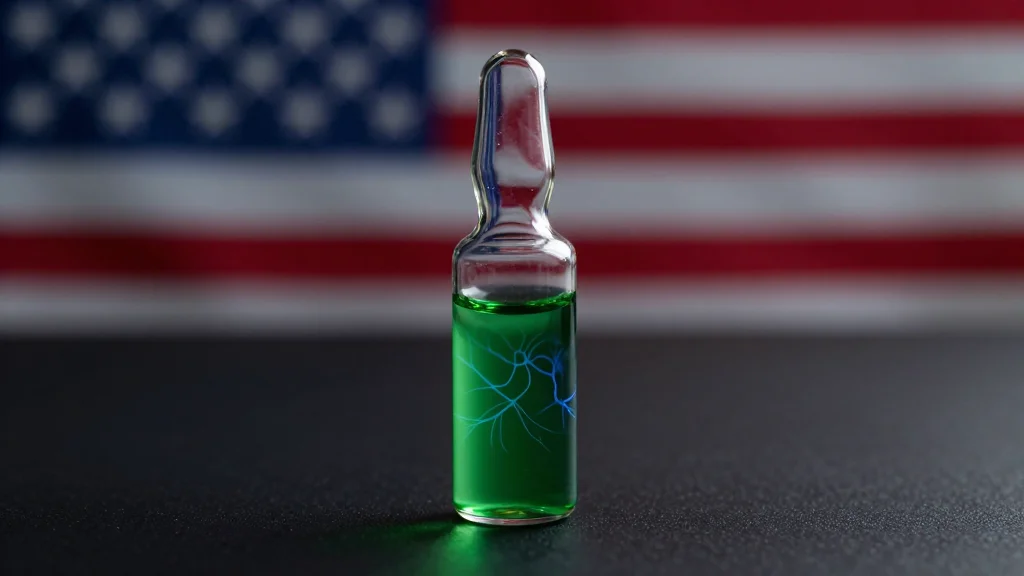
Trump’s Executive Order Spurs Ibogaine Hype as FDA Greenlights First Clinical Trial

Why It Matters
The ibogaine episode illustrates how political endorsement can rapidly reshape market dynamics in the biotech sector, driving patient demand and investor interest before robust data exist. If the FDA trial yields positive results, it could unlock a new therapeutic class and legitimize a multi‑billion‑dollar underground industry. Conversely, safety setbacks could trigger stricter regulations that dampen the broader psychedelic boom. Beyond ibogaine, the episode raises a broader policy question: how should regulators balance accelerated access with the need for rigorous evidence, especially when high‑profile leaders champion experimental therapies? The outcome will influence future legislative efforts around psychedelics, potentially setting precedents for other emerging neuro‑psychiatric treatments.
Key Takeaways
- •President Trump signed an executive order on April 18 to accelerate psychedelic access
- •FDA will allow its first ibogaine clinical trial, marking a regulatory first
- •Stanford study cited by advocates enrolled only 30 veterans and was observational
- •Ibogaine can cause dangerous cardiac arrhythmias, prompting safety warnings from FDA Commissioner Marty Makary
- •Underground clinics charge thousands of dollars for unregulated ibogaine treatments, fueling a lucrative but risky market
Pulse Analysis
The ibogaine surge is less a scientific breakthrough than a political and market phenomenon. Trump's executive order signals a willingness to politicize drug policy, echoing earlier moves that accelerated cannabis reforms. By attaching federal authority to a drug with limited data, the administration creates a perception of legitimacy that investors and wellness entrepreneurs quickly exploit. This dynamic mirrors the early days of MDMA and psilocybin, where policy signals preceded rigorous trial data, inflating valuations of companies positioned to commercialize these compounds.
From a competitive standpoint, established psychedelic players such as Compass Pathways and MindMed have been building pipelines around psilocybin and MDMA, which enjoy larger trial programs and clearer regulatory pathways. Ibogaine’s entry threatens to fragment the market, drawing capital toward a niche with higher risk but potentially higher reward if safety hurdles are cleared. However, the drug’s complex pharmacology—binding to multiple receptors and cardiac proteins—means that any approval will likely require a specialized delivery infrastructure, limiting scalability and insurance coverage.
Looking ahead, the FDA trial’s design will be a bellwether. A positive safety and efficacy signal could prompt Congress to allocate research funding, legitimizing a formal therapeutic framework and possibly prompting insurance reimbursement. A negative outcome, on the other hand, could trigger a backlash, prompting tighter controls on all psychedelic research and slowing the broader industry’s momentum. Stakeholders should monitor trial enrollment, interim safety reports, and any subsequent policy statements from the White House or FDA as early indicators of the sector’s trajectory.
Trump’s Executive Order Spurs Ibogaine Hype as FDA Greenlights First Clinical Trial
Comments
Want to join the conversation?
Loading comments...