Turning the Patent Cliff Into a Bioplant Opportunity
Why It Matters
The technology could preserve margins for biopharma firms facing massive patent expirations while enabling on‑shore, cost‑effective biosimilar production, reshaping supply‑chain resilience.
Key Takeaways
- •200 biopharma drugs face patent expiry, $300B revenue at risk
- •Lemna platform cuts upstream costs up to 90% and overall 66%
- •Phylloceuticals produced pembrolizumab in 16 weeks, 0.6 g/kg yield
- •Duckweed doubles in 36 h, enabling 4‑6‑month line development vs 18+ months
- •Focus on biosimilars and on‑shore production under Biosecure Act
Pulse Analysis
The 2030 patent cliff looms as a watershed moment for the biopharmaceutical sector, with roughly 200 blockbuster drugs slated to lose exclusivity and an estimated $300 billion in annual sales at stake. Companies are scrambling for strategies—mergers, reformulations, cost cuts—to protect revenue streams, yet the pressure also fuels innovation. One emerging solution is plant‑based biomanufacturing, which promises to sidestep the entrenched, capital‑intensive mammalian cell infrastructure that dominates the market.
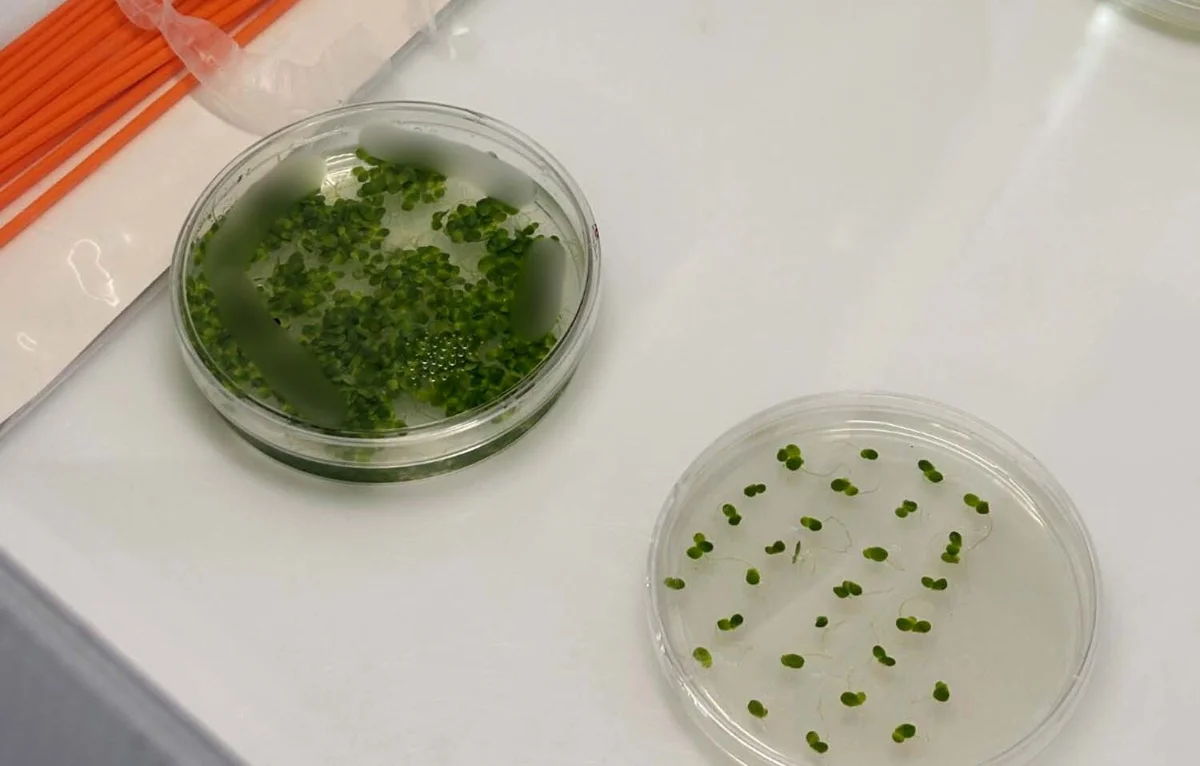
Phylloceuticals’ Lemna platform leverages duckweed, a fast‑growing aquatic plant, to produce complex biologics. The system eliminates the 12‑month lag and sterile‑media requirements of CHO cells, delivering up to a 90% reduction in upstream costs and a 66% cut in total production expenses. In a proof‑of‑concept, the company generated the checkpoint inhibitor pembrolizumab in 16 weeks, achieving yields of 0.6 g per kilogram of fresh plant biomass. Duckweed’s rapid doubling—36 hours under optimal conditions—compresses cell‑line development to four to six months, a stark contrast to the 18‑plus months typical for mammalian systems.
If scalable, Lemna could become a linchpin for on‑shore biosimilar manufacturing, aligning with the Biosecure Act’s push for domestic supply chains. The technology’s low water usage, carbon‑negative footprint, and serum‑free media further appeal to sustainability‑focused investors. However, adoption hinges on overcoming legacy infrastructure inertia and proving commercial‑scale extraction efficiency. Success would not only mitigate the financial shock of the patent cliff but also democratize biologic production, offering smaller firms and underserved regions a viable pathway to compete in the high‑value mAb market.
Turning the Patent Cliff into a Bioplant Opportunity
Comments
Want to join the conversation?
Loading comments...