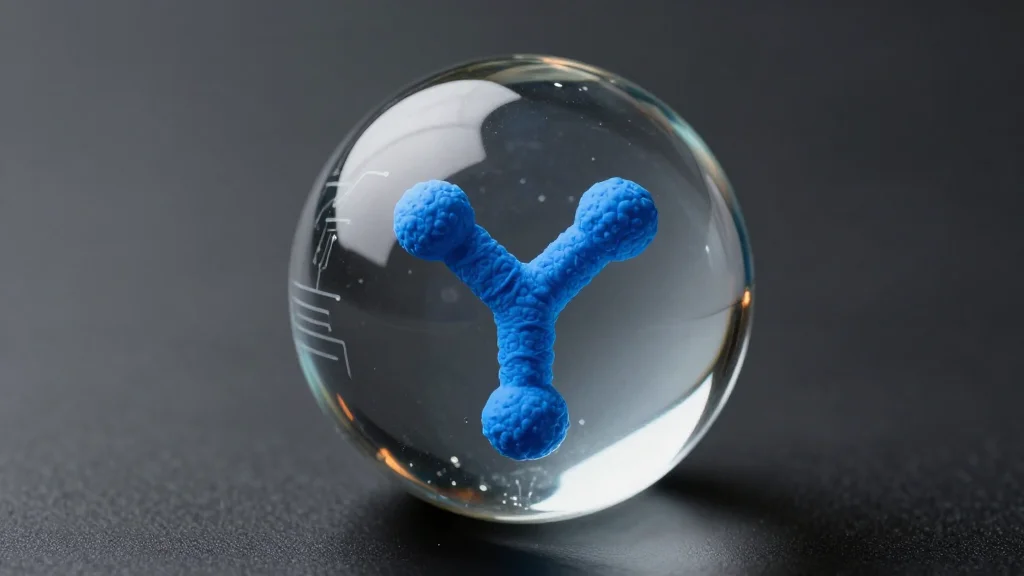
University of Southampton and UCB to Develop Digital Antibodies with AI
Why It Matters
By shortening antibody development cycles, DARC could lower R&D costs and bring life‑saving therapies to patients faster, strengthening Europe’s competitive edge in biotech innovation.
Key Takeaways
- •DARC targets 10‑12 year antibody development cycle reduction.
- •Three‑year AI platform built by Southampton and UCB.
- •In‑silico design speeds molecule testing for clinical trials.
- •Collaboration expands existing computational chemistry partnership.
- •Initiative highlights UK’s life‑science innovation ecosystem.
Pulse Analysis
Therapeutic antibodies have become a cornerstone of modern medicine, yet their development remains one of the most time‑intensive and costly processes in pharma. Traditional pipelines rely on iterative wet‑lab experiments, often taking a decade or more to move a candidate from concept to clinic. Recent advances in artificial intelligence and high‑performance computing are reshaping this landscape, enabling researchers to simulate protein structures, predict binding affinities, and evaluate safety profiles entirely on a computer. These digital tools promise not only speed but also greater precision, reducing the attrition rate that plagues conventional drug discovery.
The Digital Antibody Research Collaboration (DARC) brings together the University of Southampton’s computational chemistry expertise and UCB’s drug‑development capabilities to create an end‑to‑end, AI‑powered platform for antibody design. Over a three‑year horizon, the partnership will integrate molecular dynamics simulations, machine‑learning models, and cloud‑based data pipelines to generate candidate antibodies that are ready for pre‑clinical testing in a fraction of the usual time. By automating the early‑stage design and validation steps, DARC aims to cut the ten‑to‑twelve‑year timeline dramatically, potentially delivering clinical‑trial‑ready molecules within a few years. The collaboration also serves as a testbed for novel algorithms that could be licensed to other biotech firms, creating a broader ecosystem of digital drug‑design tools.
Beyond the immediate scientific gains, DARC signals a strategic shift for the UK’s life‑science sector. The country has long championed public‑private research alliances, and this initiative reinforces its reputation as a hub for cutting‑edge biotech innovation. Accelerated antibody development could attract further venture capital, stimulate job creation in high‑skill computational roles, and position the UK as a leader in AI‑driven therapeutics. As global competitors race to digitize drug discovery, DARC’s success may set a benchmark for how academia and industry can jointly accelerate medical breakthroughs while delivering economic growth.
University of Southampton and UCB to develop digital antibodies with AI
Comments
Want to join the conversation?
Loading comments...