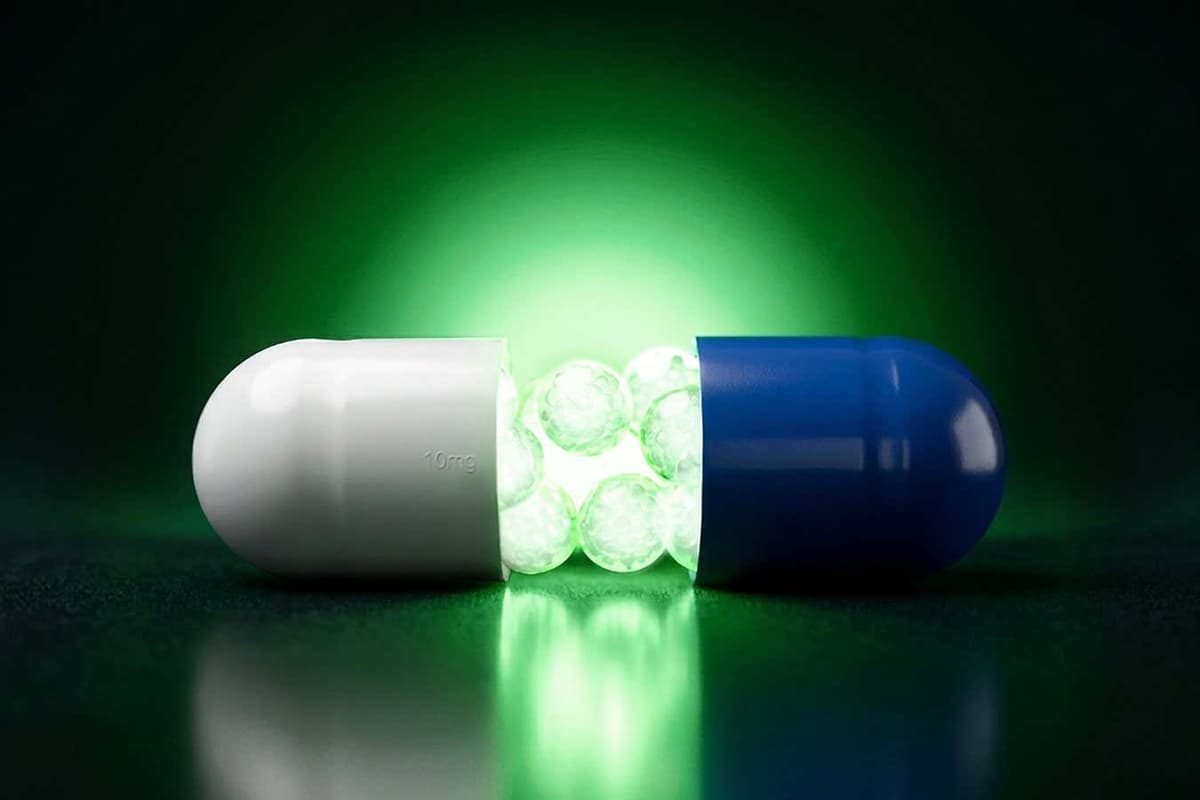
We Need More Radioactive Drugs. Can We Make Them From Nuclear Waste?
Why It Matters
The shortage of medically‑grade radioisotopes could bottleneck next‑generation cancer therapies, while successful waste‑to‑drug pipelines promise both life‑saving treatments and lucrative new revenue streams for the nuclear and pharma sectors.
Key Takeaways
- •UKNNL extracts radioactive lead from stored nuclear waste
- •PanTera and peers target Cold‑War by‑products for isotopes
- •Industry investment runs into billions of dollars
- •Supply gap may limit rollout of new radiotherapies
Pulse Analysis
The rapid expansion of targeted radiopharmaceuticals is reshaping oncology, offering clinicians the ability to deliver lethal radiation directly to tumor cells while sparing healthy tissue. Unlike traditional chemotherapy, these drugs rely on short‑lived isotopes such as lutetium‑177 or actinium‑225, whose production has historically been limited to a handful of reactors and cyclotrons. As clinical trials demonstrate higher response rates, demand forecasts predict a ten‑fold increase in isotope consumption over the next decade, exposing a critical supply‑side vulnerability.
To bridge the gap, innovators are turning to an unlikely source: legacy nuclear waste. Facilities like the United Kingdom National Nuclear Laboratory are repurposing spent fuel and decommissioned reactor by‑products, chemically separating valuable isotopes for medical use. This approach reduces reliance on fresh reactor output and leverages existing waste management infrastructure, but it also introduces technical hurdles, including stringent purity standards, complex radiochemical processing, and heightened security protocols. Companies such as Belgium’s PanTera are investing heavily in proprietary extraction technologies, betting that the high margins of radiopharmaceuticals will offset the capital‑intensive nature of waste‑derived production.
The convergence of medical need and waste‑recycling economics is prompting a strategic realignment across the nuclear and pharmaceutical industries. Regulators are drafting new guidelines to ensure that isotopes sourced from waste meet clinical safety criteria, while insurers evaluate cost‑effectiveness compared with conventional therapies. If supply chains mature, the market could unlock billions of dollars in revenue and accelerate the adoption of precision cancer treatments worldwide, positioning waste‑derived isotopes as a cornerstone of future oncology care.
We need more radioactive drugs. Can we make them from nuclear waste?
Comments
Want to join the conversation?
Loading comments...