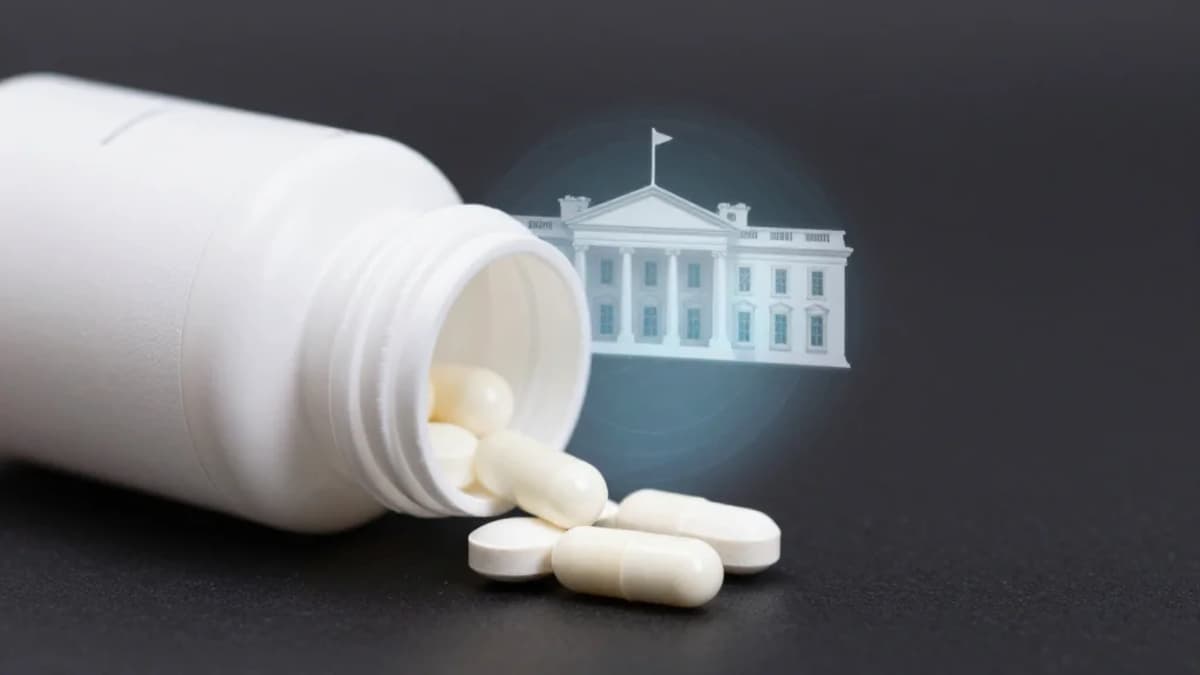
White House’s Online Service for Drug Sales Debuts with Limited Impact on Prices
•February 6, 2026
0


Why It Matters
TrumpRx illustrates a federal effort to curb out‑of‑pocket drug costs, yet its narrow reach underscores the challenges of influencing broader prescription‑price dynamics in a largely insured market.
Key Takeaways
- •TrumpRx offers ~40 drugs at discounted rates.
- •Discounts mainly help cash‑pay patients, not insured.
- •Deals include Pfizer, Eli Lilly, Novo Nordisk, AstraZeneca.
- •Companies receive three‑year tariff reprieve for participation.
- •Future drug additions expected, but overall price effect limited.
Pulse Analysis
The Trump administration’s debut of TrumpRx marks a rare foray into direct‑to‑consumer drug sales at the federal level. By negotiating "most‑favored‑nation" agreements with a select group of manufacturers, the White House aims to replicate the lower prices seen abroad. This approach mirrors earlier private‑sector coupon programs but adds a political dimension, positioning the platform as a tool to pressure insurers and manufacturers alike. While the portal lists high‑profile obesity and diabetes treatments, its current catalog is modest, reflecting both supply‑side constraints and the need for regulatory clearance.
From a market perspective, TrumpRx’s impact hinges on the composition of its user base. Cash‑pay patients—often those without employer coverage or those facing high deductibles—stand to gain the most, as the discounts can shave tens of dollars off a month’s supply. However, for the majority of Americans whose prescriptions flow through insurance plans, the portal offers little advantage because negotiated rebates and tiered formularies already drive comparable pricing. Moreover, the three‑year tariff exemption granted to participating firms may incentivize short‑term participation but does not guarantee sustained price reductions once the exemption expires.
Looking ahead, the platform’s success will be tested by legal and political headwinds. Ongoing Supreme Court challenges to the administration’s use of emergency powers to impose drug tariffs could undermine the financial incentives that underpin TrumpRx agreements. Additionally, pharmaceutical companies may prioritize drugs with higher profit margins, leaving less‑lucrative, heavily rebated medicines underrepresented. If the portal expands its inventory and secures broader insurer acceptance, it could evolve into a more influential pricing lever; otherwise, it risks remaining a niche coupon‑style service with limited systemic effect.
White House’s online service for drug sales debuts with limited impact on prices
0
Comments
Want to join the conversation?
Loading comments...