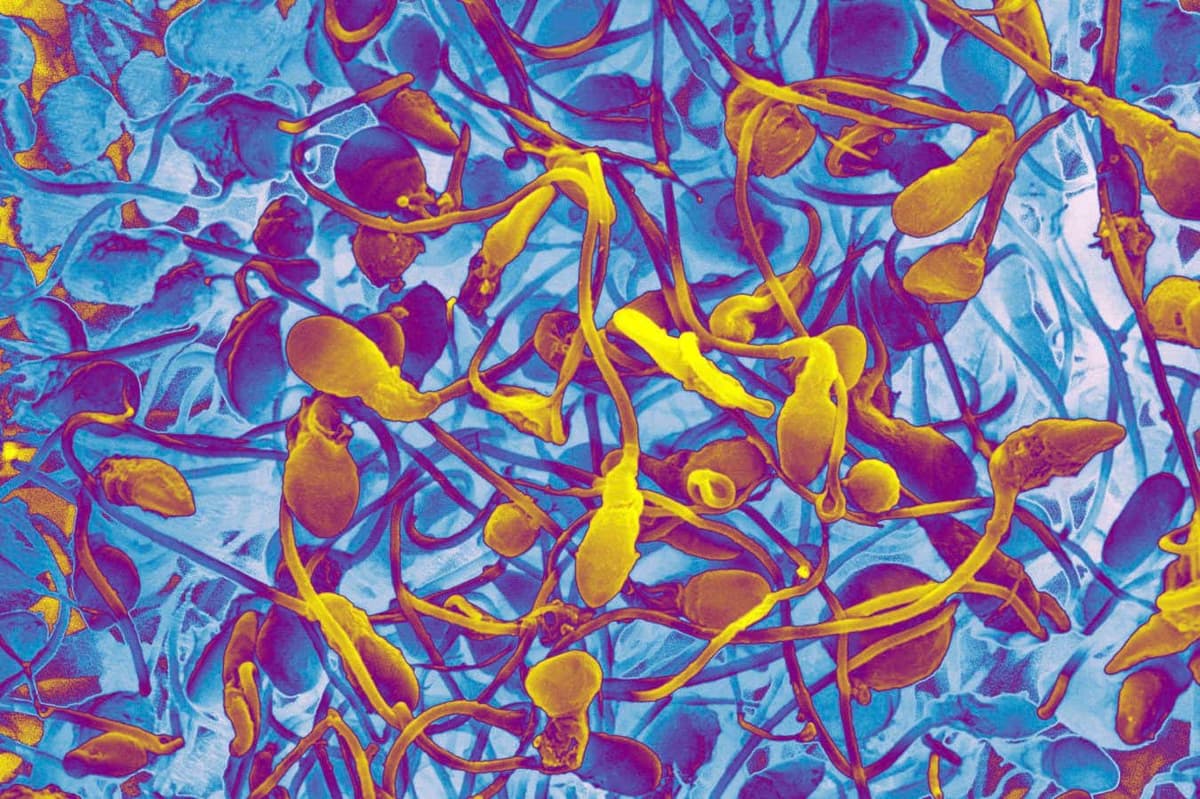
Will Lab-Grown Sperm Let Infertile Men Have Children of Their Own?
Why It Matters
Lab‑grown sperm would address a major gap in fertility care, expanding options for men with non‑obstructive azoospermia and creating a sizable commercial opportunity. Its success could reshape the reproductive‑technology landscape and trigger regulatory and ethical debates.
Key Takeaways
- •Paterna uses testicular stem cells to generate sperm in vitro
- •Technique could address infertility in roughly 5% of couples
- •Success may require combining with gene editing to correct DNA defects
- •Regulatory and ethical reviews expected before clinical trials begin
Pulse Analysis
Male infertility accounts for roughly half of all reproductive challenges, affecting about one in ten couples worldwide. Conventional assisted reproductive technologies—such as IVF with intracytoplasmic sperm injection—rely on the presence of viable sperm, leaving men with non‑obstructive azoospermia without a therapeutic option. The lack of endogenous sperm not only limits family‑building choices but also drives a growing demand for innovative biotechnologies that can restore natural gamete production. As fertility clinics expand, investors are watching for breakthroughs that could unlock a sizable, underserved patient segment.
Paterna Biosciences claims to convert testicular stem cells into functional sperm through a stepwise differentiation protocol that mimics natural spermatogenesis. Early laboratory data suggest the cells acquire motility and DNA integrity comparable to ejaculated sperm, yet reproducibility and scalability remain unproven. Moreover, many men with azoospermia carry genetic mutations that could be transmitted to offspring, prompting calls for concurrent CRISPR‑based editing to excise deleterious alleles. The scientific community cautions that integrating gene editing adds complexity, raising questions about off‑target effects, epigenetic stability, and long‑term safety.
If validated, lab‑grown sperm could generate a multi‑billion‑dollar market, given the estimated 15 million men worldwide with severe sperm deficits. Venture capital has already earmarked over $200 million for reproductive‑cell‑therapy startups, and Paterna’s approach may attract strategic partnerships with IVF clinics and pharmaceutical firms seeking to expand their fertility portfolios. However, regulatory pathways in the U.S. FDA and European EMA will likely demand extensive preclinical toxicology, germline‑transmission studies, and ethical review boards before human trials commence. Stakeholders must balance commercial incentives with societal concerns about germline manipulation and the definition of parenthood.
Will lab-grown sperm let infertile men have children of their own?
Comments
Want to join the conversation?
Loading comments...