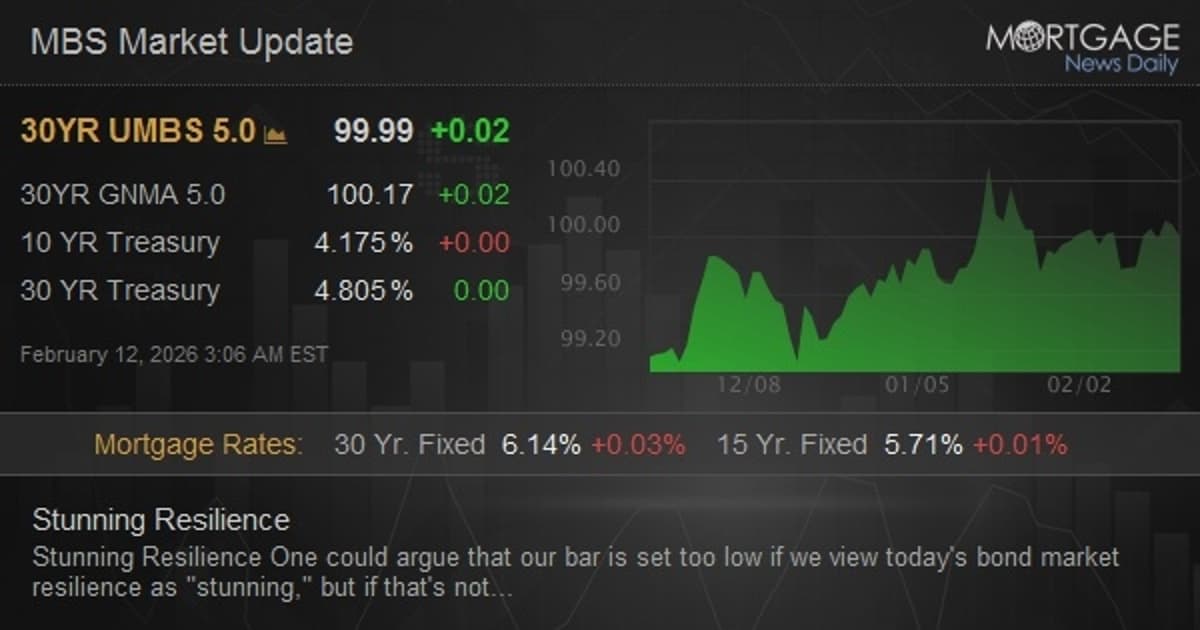
Stunning Resilience
Key Takeaways
- •10‑yr Treasury yields hovered near 4.17% after payrolls
- •Unemployment fell to 4.3%, beating forecasts
- •Payrolls added 130K jobs, double expectations
- •Yield drop 8 bps despite strong labor data
- •Market shows unexpected bond resilience
Pulse Analysis
The bond market’s reaction to the latest labor‑market reports defied conventional expectations. While non‑farm payrolls surged to 130,000—more than double the forecast—and the unemployment rate slipped to 4.3%, the 10‑year Treasury yield only nudged lower, staying under the 4.20% technical ceiling. This resilience points to a market that is either discounting the immediate inflationary pressure of a tighter labor market or anticipating a more accommodative stance from the Federal Reserve as it navigates mixed economic signals.
For investors, the muted yield response carries significant implications. A stable 10‑year rate reduces the pressure on mortgage‑backed securities and corporate bond spreads, allowing portfolio managers to maintain duration exposure without fearing abrupt price drops. At the same time, the limited reaction may signal that market participants have already priced in a potential pause or slowdown in rate hikes, prompting a shift toward higher‑yielding assets or a re‑allocation into equities that could benefit from a softer monetary outlook.
Looking ahead, the bond market’s steadiness will likely hinge on forthcoming data releases and the Fed’s policy guidance. Should inflation remain subdued and labor market momentum ease, yields could drift lower, reinforcing the current resilience. Conversely, any surprise uptick in price pressures or a more hawkish Fed tone could reignite volatility, pushing yields back toward the 4.20% barrier. Fixed‑income strategists should therefore monitor both macroeconomic trends and central‑bank communications to gauge whether this resilience is a temporary anomaly or the new norm.
Stunning Resilience


Comments
Want to join the conversation?