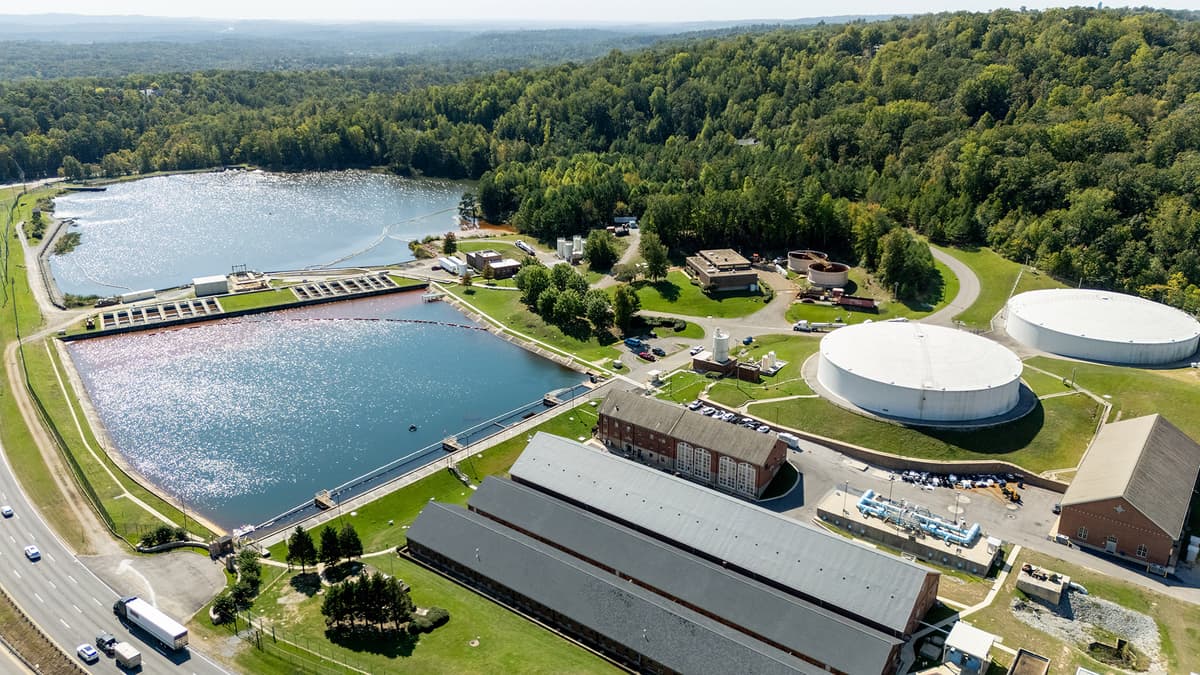
Central Alabama Water Downgraded by S&P
•February 13, 2026
0
Why It Matters
The rating cut raises borrowing costs and heightens risk for municipal bond investors, signaling broader financial stress in U.S. water utilities undergoing governance reforms. It also underscores the importance of robust capital planning for essential infrastructure providers.
Key Takeaways
- •S&P downgrades CAW bonds to AA‑minus.
- •Liquidity weakening and aging assets drive downgrade.
- •CreditWatch Negative signals potential further downgrade.
- •Governance restructuring under Act 2025‑297.
- •New management paused Lake Purdy Dam project.
Pulse Analysis
The recent AA‑minus rating by S&P places Central Alabama Water (CAW) under heightened scrutiny from investors and municipal bond markets. Rating agencies assess not only current debt metrics but also forward‑looking liquidity and capital adequacy. By moving the rating down and adding a CreditWatch Negative flag, S&P signals that CAW’s ability to meet debt service obligations may deteriorate without decisive operational improvements. This shift typically translates into higher yields for new bond issuances, tighter covenant structures, and reduced demand from risk‑averse institutional investors.
CAW’s financial strain stems from a confluence of legacy challenges: aging water treatment assets, escalating maintenance costs, and a historic pattern of operating‑expense overruns. The utility’s unbilled water losses have further eroded cash flow, while the state‑mandated Act 2025‑297 forced a governance overhaul that delayed budget finalization. The pause on the Lake Purdy Dam project illustrates the tension between necessary capital investment and limited liquidity. Such operational bottlenecks are common among older municipal utilities, highlighting the need for proactive asset renewal strategies and transparent financial reporting.
Looking ahead, the CreditWatch Negative designation gives S&P a 50 percent probability of a further downgrade within the next quarter, contingent on CAW’s delivery of updated financials and a credible capital plan. Management’s commitment to revise the 2026 budget and stabilize reserves will be critical in restoring confidence. Investors should monitor forthcoming disclosures, assess the potential for rating withdrawal, and weigh the utility’s long‑term viability against broader sector trends toward infrastructure modernization and regulatory reform.
Central Alabama Water downgraded by S&P
0
Comments
Want to join the conversation?
Loading comments...