Groups Push Underwriter, Rating Agencies in Effort to Stop Louisiana Bonds
Companies Mentioned
Why It Matters
The challenge highlights financing risk for large industrial projects that rely on municipal conduit bonds, potentially deterring investors and slowing economic development in the region. It also underscores growing community influence over public‑private infrastructure financing.
Key Takeaways
- •Rural Roots Louisiana and Bucket Brigade challenge $440 M bond issuance.
- •Bonds lack identified obligor and clear repayment source, groups allege.
- •Hyundai’s $5.8 B plant faces tariff exposure, questioning viability.
- •Lawsuits cite advertising failures, tax‑grant liabilities, and burial site impacts.
- •Major rating agencies declined to rate or responded no comment.
Pulse Analysis
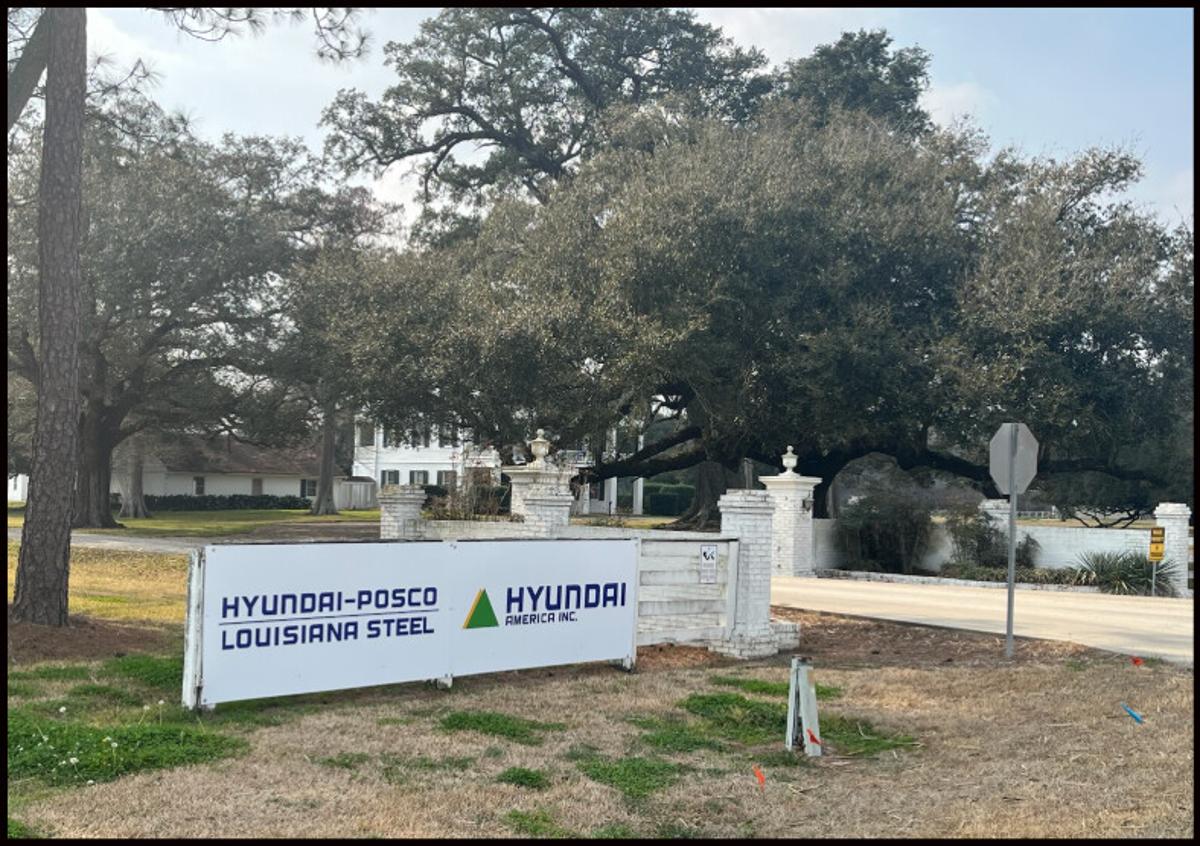
Municipal conduit bonds have become a favored tool for financing large‑scale infrastructure, allowing private developers to tap tax‑exempt capital through public agencies. In the case of the RiverPlex MegaPark, the Port of South Louisiana would issue $440 million of bonds to support Hyundai’s deep‑water dock, a critical component of its $5.8 billion steel plant. While the structure can lower borrowing costs, it also places the public agency and, by extension, taxpayers at risk if the underlying project falters or lacks a clear repayment mechanism.
The opposition, led by Rural Roots Louisiana and the Louisiana Bucket Brigade, centers on three core concerns: an undefined obligor, ambiguous revenue streams, and ongoing litigation that could render the bonds “unratable.” Their lawsuits allege procedural failures in bond advertising, improper tax‑grant treatment, and potential damage to historic burial sites of enslaved individuals. These claims have prompted Wells Fargo and the major rating agencies—Fitch, S&P, Moody’s, and KBRA—to either refuse rating the issuance or remain silent, signaling heightened caution among capital providers.
For Hyundai, the financing hurdle adds uncertainty to a project already vulnerable to global steel tariffs and supply‑chain volatility. Delays in bond approval could push back construction timelines, increase financing costs, or force the company to seek alternative funding sources. More broadly, the episode illustrates a rising trend of community groups leveraging legal and regulatory channels to influence municipal finance decisions, potentially reshaping how public entities evaluate and underwrite large private‑sector projects in the future.
Groups push underwriter, rating agencies in effort to stop Louisiana bonds
Comments
Want to join the conversation?
Loading comments...