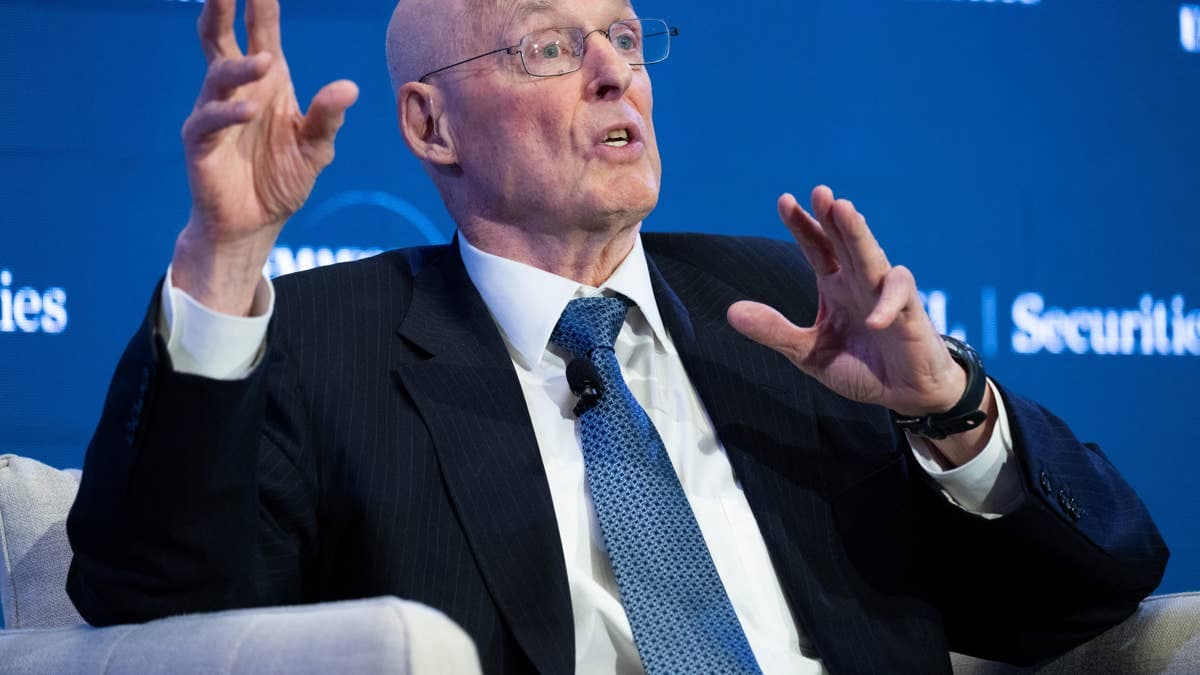
Henry Paulson Has Blunt Message on Potential Treasury Market Shock
Companies Mentioned

Why It Matters
A Treasury market crash would raise borrowing costs across the economy, threatening corporate financing, mortgages and equity valuations. Preparing a contingency plan now could blunt systemic risk and preserve policy tools during a fiscal crisis.
Key Takeaways
- •Paulson urges a pre‑written “break‑the‑glass” Treasury emergency plan.
- •U.S. debt at $38.9 trillion raises risk of a sovereign‑debt doom loop.
- •10‑year Treasury yield sits near 4.3%, signaling tighter financing conditions.
- •He recommends higher revenues, closing loopholes, and entitlement reforms.
- •Market shock could ripple through mortgages, corporate bonds, and equities.
Pulse Analysis
Henry Paulson’s recent Bloomberg interview spotlights a growing consensus that the Treasury market, the backbone of global finance, faces a structural vulnerability. With the national debt now hovering around $38.9 trillion and the 10‑year Treasury yield perched at roughly 4.3%, investors demand higher yields to compensate for fiscal risk. This dynamic can trigger a feedback loop: higher yields increase government interest outlays, widening deficits, which in turn erode confidence and push yields even higher. Paulson argues that the traditional crisis‑management playbook from 2008 is insufficient because a bond‑demand shock would limit the Treasury’s ability to issue debt and the Fed’s capacity to act as the sole buyer.
To break the looming doom loop, Paulson proposes a three‑pronged fiscal overhaul: raise revenues by closing tax loopholes, tighten the tax code, and reform entitlement programs such as Social Security and Medicare. While politically challenging, these steps could stabilize debt dynamics and restore investor confidence. He also emphasizes the need for a pre‑approved, short‑term emergency response—what he calls a "break‑the‑glass" plan—ready to deploy the moment market stress materializes. Such a plan would give policymakers a clear, actionable framework rather than improvising under panic.
For investors, Paulson’s warning translates into heightened vigilance on Treasury‑linked assets. A sudden spike in yields would reverberate through mortgage rates, corporate bond spreads and equity valuations, potentially reshaping portfolio allocations. Market participants should monitor fiscal policy debates, debt‑buyback activity, and any regulatory moves toward a contingency framework. By staying ahead of a possible Treasury shock, investors can better manage risk and capitalize on any pricing dislocations that arise from a more fragile sovereign debt environment.
Henry Paulson has blunt message on potential Treasury market shock
Comments
Want to join the conversation?
Loading comments...