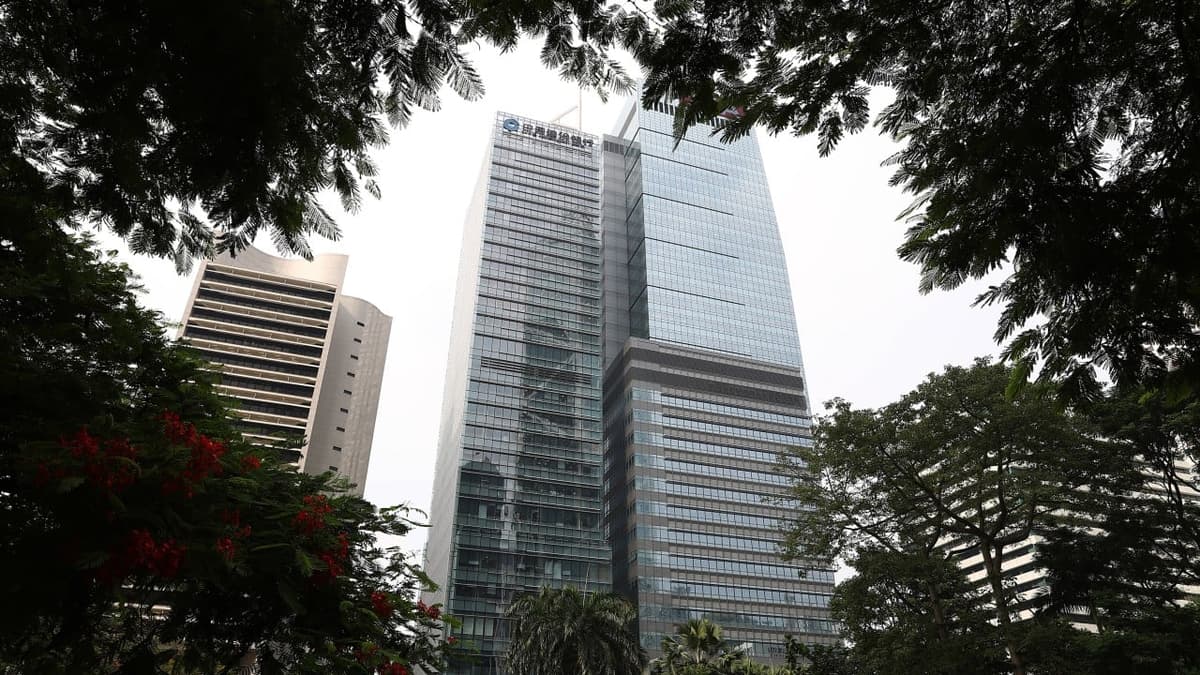
Hong Kong Developer Lai Sun Seeks Note Swap in Bid to Ease Liquidity Pressure
Companies Mentioned
JD.com
JD
AIA Group Limited
01299
China Construction Bank Asia
601939

Hong Kong Stock Exchange
JLL Technologies
JLL
Why It Matters
The swap strengthens Lai Sun’s balance sheet, giving it breathing room to navigate a weak office market and avoid default risk, while signaling broader refinancing stress in Hong Kong’s property sector.
Key Takeaways
- •Lai Sun offers swap of $493 M notes for 8% senior notes
- •New notes carry 8% coupon, three‑year tenor, extending maturity to 2029
- •Liquidity boost follows HK$7 B (~$893 M) refinancing in past year
- •Vacancy rates in premium Hong Kong offices sit at 13.5%, pressure persists
- •Sale of CCB Tower stake fetched HK$3.5 B (~$447 M) last December
Pulse Analysis
Lai Sun Development’s latest note‑swap proposal reflects the tightening liquidity conditions that many Hong Kong property developers face as commercial real‑estate demand stalls. By offering investors an 8% coupon on new senior guaranteed notes and extending the maturity to 2029, the company hopes to replace higher‑cost short‑term debt with a more manageable instrument. The structure—$300 cash plus $700 in new notes per $1,000 original—provides immediate cash relief while preserving the bulk of the financing in a longer‑dated security, a tactic increasingly common among developers seeking to shore up balance sheets without triggering covenant breaches.
The swap follows a series of aggressive refinancing moves by Lai Sun, including over HK$7 billion (~$893 million) of debt restructuring in the last twelve months and asset sales such as the 50% stake in the CCB Tower for roughly $447 million. These actions have reduced the firm’s outstanding borrowings, which stood at HK$25.8 billion (~$3.28 billion) as of April, but the lingering weakness in Hong Kong’s premium office market—still at a 13.5% vacancy rate—keeps pressure on cash flows. By extending the note maturity to July 2029, Lai Sun aligns its debt profile with a longer horizon, buying time for the office sector to recover and for rental yields to improve.
For investors, the proposal underscores the broader credit challenges in Hong Kong’s property sector, where developers must balance asset sales, refinancing, and market headwinds. Successful completion of the swap could set a precedent for similar debt‑restructuring efforts, potentially stabilizing confidence in the market. Conversely, a failure to secure bondholder approval may exacerbate liquidity strains, prompting further asset disposals or more costly financing. Stakeholders will watch the July 10 bondholder meeting closely, as the outcome will signal the resilience of Lai Sun and the appetite of investors for higher‑yield, longer‑dated notes in a volatile real‑estate environment.
Hong Kong developer Lai Sun seeks note swap in bid to ease liquidity pressure
Comments
Want to join the conversation?
Loading comments...