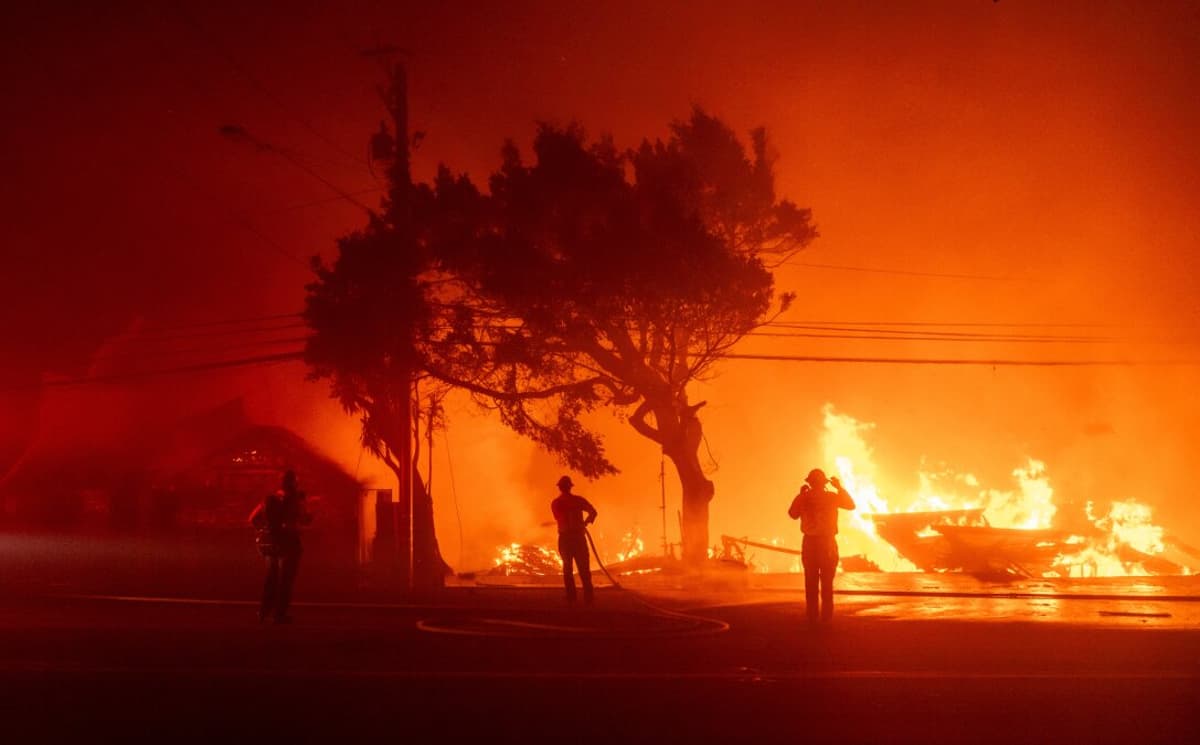
Research Puts Numbers on Wildfire Risk and Muni Borrowing Costs
Why It Matters
Higher borrowing costs shift the fiscal burden to taxpayers and can constrain municipal infrastructure projects, while signaling that climate risk is becoming a core pricing factor in public finance.
Key Takeaways
- •Wildfire risk adds ~0.36% yield premium to 1‑15‑year muni bonds.
- •Average city bond pays about $3,800 extra interest per year.
- •Taxpayers in high‑risk cities incurred $4 billion extra taxes 2000‑2022.
- •Mitigation actions like more firefighters can nearly eliminate the premium.
- •Market pricing now leads ratings, with spreads widening before agency downgrades.
Pulse Analysis
The link between climate hazards and public‑finance costs has moved from theory to quantifiable data. A new academic paper examining 580,000 municipal bond issues across 5,900 U.S. municipalities finds that communities exposed to higher wildfire risk command an average yield premium of 0.36 percentage points on bonds with maturities between one and fifteen years. For a typical $1 billion issue, that translates into roughly $3,800 of additional annual interest, and the cumulative effect has forced taxpayers in the most exposed cities to shoulder about $4 billion in extra property taxes from 2000 to 2022. The premium is roughly two‑thirds of the sea‑level‑rise premium identified in earlier research, underscoring that wildfires are now a distinct pricing factor.
The market response is already visible in the pricing of recent Los Angeles County utility bonds. After the Palisades and Eaton fires, spreads on LADWP power and water revenue bonds widened to +23, +32 and +37 basis points at the five‑ to fifteen‑year horizon, respectively, compared with historically tight, sometimes negative spreads. Analysts attribute the shift not only to rating‑agency downgrades but also to the growing influence of separately managed accounts, which rely heavily on ratings as a risk filter. This creates a feedback loop where headline climate risk is reflected in spreads before formal rating adjustments.
Importantly, the study shows that proactive mitigation can erase the premium. Municipalities that increase firefighter staffing, clear vegetation, or document fire‑containment activities see the extra yield disappear, offering a clear financial incentive for local governments to invest in resilience. As investors demand more granular climate data, regulators are likely to codify disclosure requirements, perhaps through a municipal‑securities climate‑risk score. Such standardization would give issuers a roadmap to lower borrowing costs while giving investors comparable metrics for price discovery, accelerating the integration of climate risk into the core of municipal finance.
Research puts numbers on wildfire risk and muni borrowing costs
Comments
Want to join the conversation?
Loading comments...