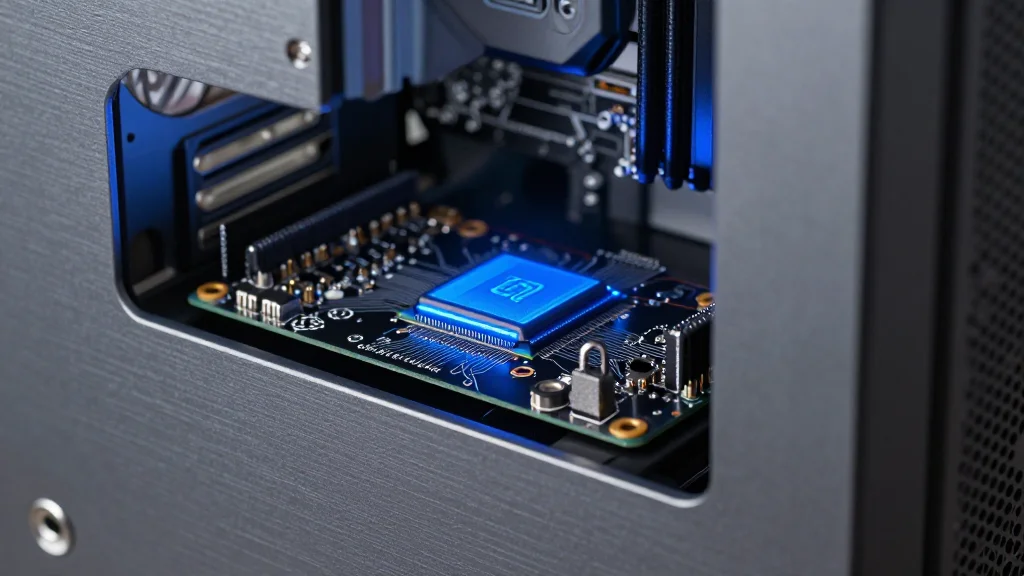
AI PCs, Endpoint Security and the End of Time-Based Refresh Cycles

Why It Matters
On‑device AI lowers latency, strengthens security, and trims cloud‑compute spend, forcing enterprises to rethink PC refresh strategies for a competitive advantage.
Key Takeaways
- •AI PCs forecast 55% share by 2026, up from 31% in 2025
- •On‑device AI cuts latency, improves real‑time threat detection
- •Hardware security like Microsoft Pluton and Intel vPro built into AI PCs
- •Data‑driven refresh models prioritize AI‑ready devices for early upgrade
- •Windows 11 enables AI features; Windows 10 support ends Oct 2025
Pulse Analysis
The surge in AI‑enabled endpoints reflects a broader enterprise push to bring intelligence closer to the user. Recent market analyses show AI‑capable PCs climbing from 31 % to an estimated 55 % of shipments by 2026, driven by the need for real‑time inference in fraud detection, predictive maintenance, and personalized productivity tools. By eliminating round‑trip latency to cloud services, on‑device models deliver faster decision loops while curbing the bandwidth costs that have long plagued large‑scale AI deployments.
Security considerations are equally pivotal. Modern AI PCs integrate hardware‑rooted protections such as Microsoft’s Pluton security subsystem and Intel’s vPro platform, which safeguard cryptographic keys and enable remote manageability without exposing the device to software‑level attacks. For regulated industries, keeping sensitive data on‑premise mitigates residency and sovereignty concerns, narrowing the risk journey for high‑value workloads. The convergence of AI performance and built‑in security creates a compelling value proposition that extends beyond mere convenience.
These technical advantages compel a rethink of traditional refresh cycles. Rather than adhering to static, time‑based replacement schedules, IT leaders are adopting data‑driven models that prioritize devices capable of supporting AI workloads and the latest hardware security features. Windows 11’s native AI APIs further accelerate adoption, while Windows 10 support ends in October 2025, creating a natural upgrade deadline. Enterprises that synchronize refresh timing with AI readiness can unlock cost efficiencies, reduce cloud spend, and maintain a resilient, future‑proof endpoint fleet.
AI PCs, endpoint security and the end of time-based refresh cycles
Comments
Want to join the conversation?
Loading comments...