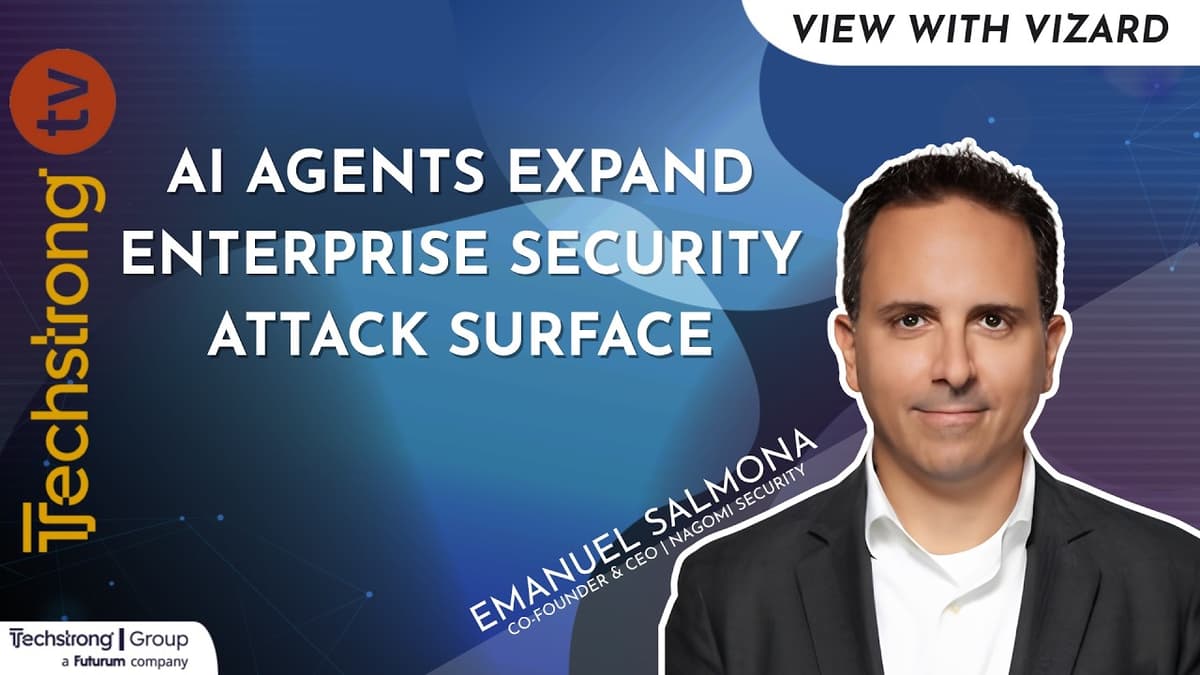
AI Agents Expand Enterprise Security Attack Surface
The conversation with Nomi Security CEO Emanuel Salmon centers on how AI agents are reshaping the enterprise attack surface. While traditional IT, cloud, and IoT have already expanded threat vectors, AI introduces a multi‑layered frontier that spans infrastructure, identity, and application layers, demanding fresh security thinking. Salmon emphasizes that AI agents act as identities performing privileged tasks, making identity governance, guardrails, and prompt‑engineering defenses essential. Yet attackers will still gravitate toward the weakest link—often legacy systems or poorly protected identities—rather than the novel AI layer, meaning the bulk of threats remain familiar phishing and ransomware tactics. A striking point is the nondeterministic nature of AI agents: a malicious prompt may not reliably execute, and attackers can be as frustrated as end users. Observability is another pain point; current logs rarely capture agent actions, prompting a surge in new tooling focused on AI‑specific visibility and governance. For enterprises, the takeaway is clear: AI adoption must be paired with dedicated security controls, risk‑based governance, and rapid development of observability solutions. Without these, organizations risk both incremental breaches and a potential high‑impact incident that could halt AI initiatives and erode stakeholder confidence.
Cyber Security Readiness: Prevention Vs. Response | David McLeod, CISO of VF Corporation
The CIO Talk Radio episode features David McLeod, CISO of VF Corporation, discussing cyber‑security readiness and the perennial debate between prevention‑focused and response‑driven strategies. McLeod frames the conversation around VF’s diverse retail portfolio—brands like Vans, The North Face, and Wrangler—and...

Heart of Glasswing
AI model Claude Mythos (a.k.a. Glasswing) has been given early access to a dozen major vendors, large enterprises and some open-source projects to scan internal codebases for vulnerabilities, producing an influx of far more findings than teams expected. The guests...
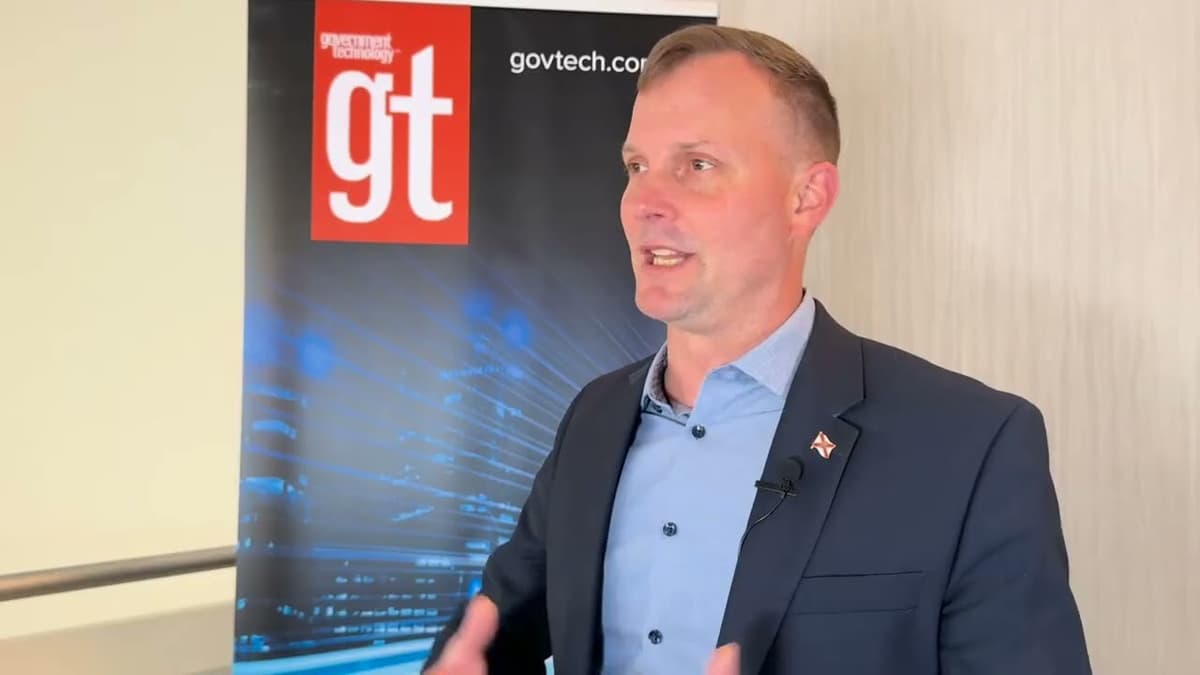
Florida’s CIO on Data Work, Long-Term Strategy Amid GenAI
Florida’s chief information officer outlines how the state is reshaping its IT roadmap to accommodate the rapid rise of generative AI. He notes that traditional five-year modernization plans remain valuable but must be flexible, as the pace of change now...

Cloud Providers Are Investing in Financial Services | Volante
The video outlines how cloud providers are increasingly targeting the financial‑services sector, with banks shifting payments infrastructure to a cloud‑based, OPEX model. Nadish highlights the convergence of ISO 20022, open‑banking directives (PSD2/3) and mandated real‑time payments across regions such as the UK,...

InformationWeek Podcast: CTOs on How They Use AI in Regulated Spaces
The InformationWeek podcast explores how CTOs and CISOs navigate AI adoption in highly regulated sectors such as payroll and personal finance. Guests Mike Tria, CTO of Gusto, and Joshua Folultz, CISO of NerdWallet, discuss the tension between AI’s speed and...
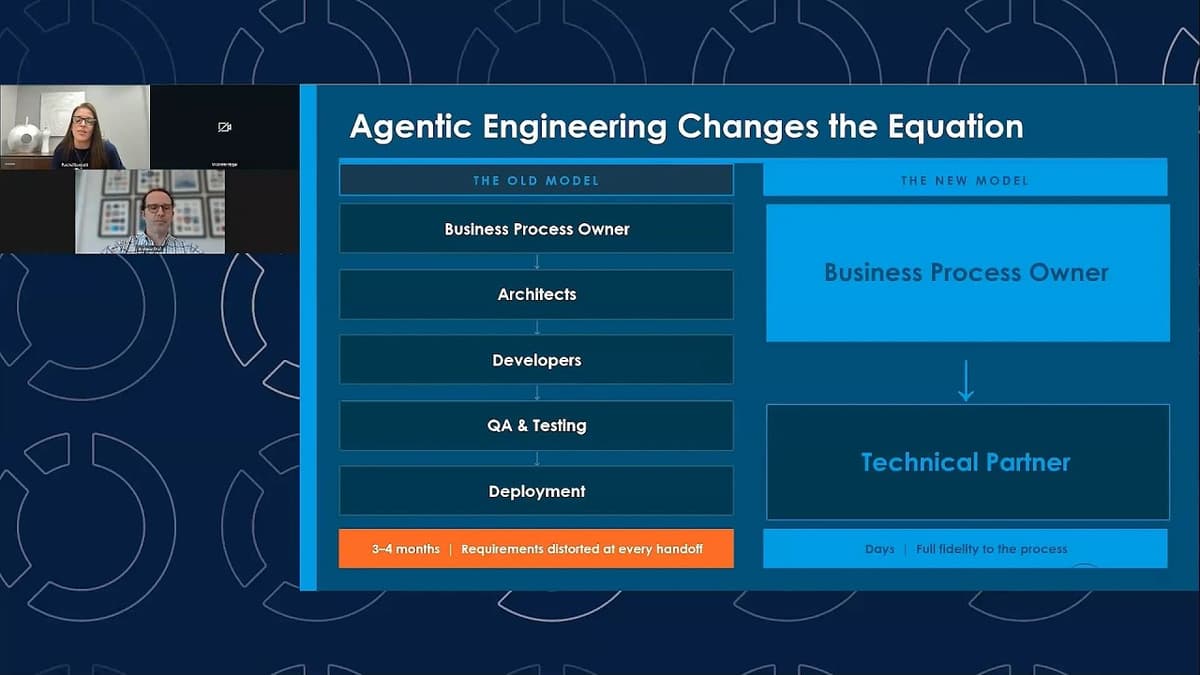
How Top CIOs Are Measuring the Real ROI of IT Automation
CIOs say decades-old automation models—prioritizing big ROI projects through scarce engineering capacity—left thousands of small but painful process frictions unaddressed because of a trade-off triangle between speed, cost and completeness. Advances in agentic engineering and AI-enabled low-code tooling are upending...
Enterprise AI: Shadow AI and Agentic Risk - CIO Advice
The video tackles the surge of AI agents inside large enterprises, coining the term “shadow AI” to describe unsanctioned, autonomous tools that bypass traditional IT controls. Tim Crawford and data‑scientist Anthony Scriffin argue that CIOs now face a paradigm shift:...
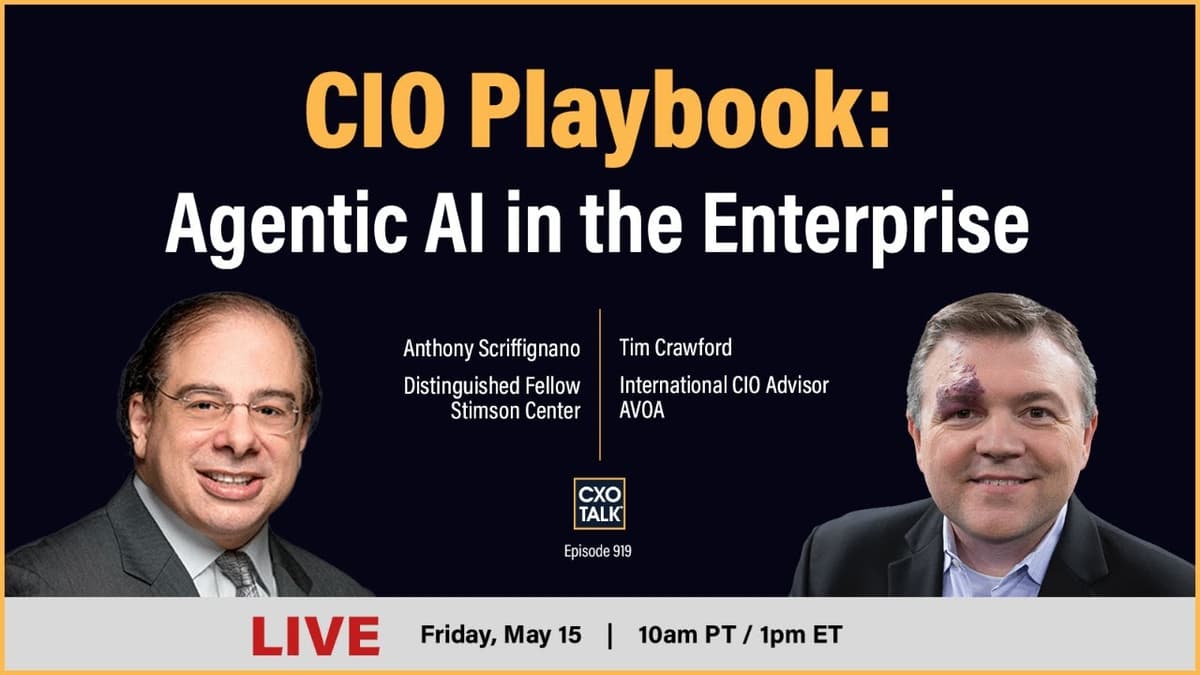
CIO Playbook: Agentic AI in the Enterprise
The video “CIO Playbook: Agentic AI in the Enterprise” examines how enterprises are moving from simple automation toward truly autonomous AI agents, and why CIOs must rethink risk, governance, and value creation in this new landscape. Key insights include the need...
Streamlining Healthcare Data Retention and Integration
The CIO Talk Radio episode focuses on the growing challenge of health‑care data retention and integration, featuring Elizabeth King, CIO of White Plains Hospital. She outlines how hospitals aim for a 360‑degree patient view but confront a patchwork of legacy...

Markets in Motion | Ep4: How HKEX Orion Drives Market Efficiency & Resilience
The video introduces HKEX’s Orion platform, a next‑generation technology suite designed to power trading, clearing and risk‑management across asset classes on the Hong Kong exchange. Orion delivers ultra‑stable performance during traffic surges, low‑latency order routing, and a modular architecture that can...
With Oil Volatility, North Dakota Looks to Stabilize Its IT Funding Model
North Dakota officials are confronting oil‑price volatility as they reevaluate the state’s information‑technology funding model. With crude hovering around $50‑$55 per barrel, policymakers warn that 2027 could mark the first year in a decade requiring budget tightening rather than the surplus‑driven...
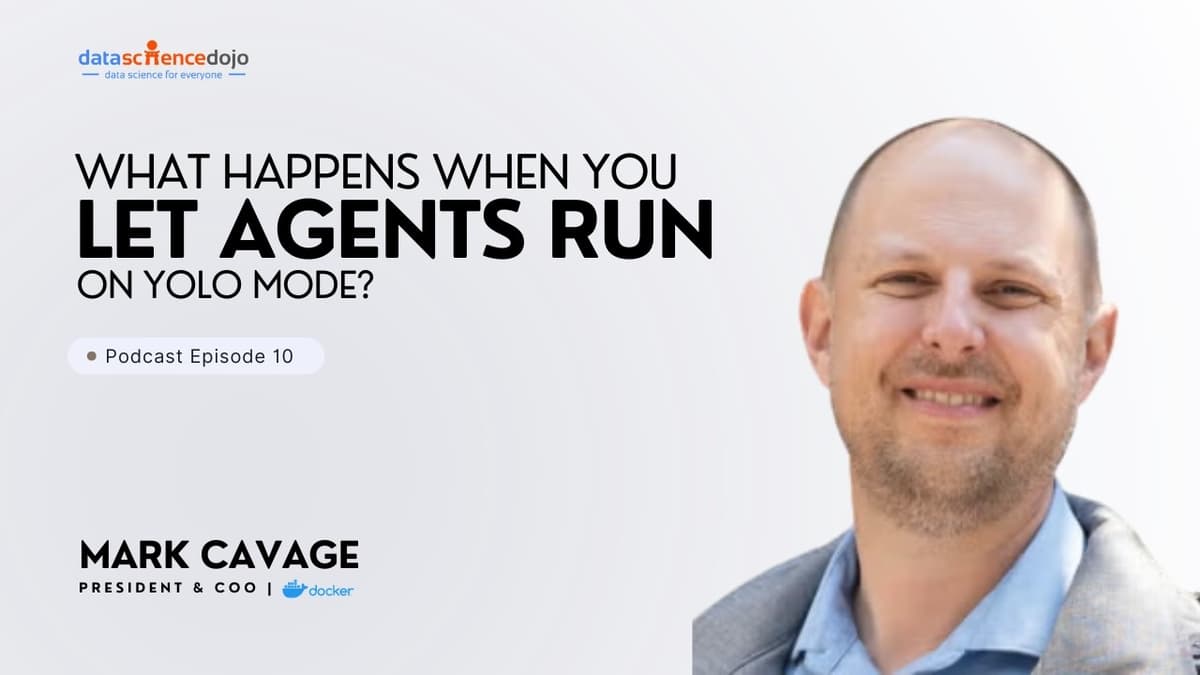
Mark Cavage on Agentic AI, Sandboxing & Enterprise Security | Ep 10
In episode 10 of Future of Data and AI, Docker COO Mark Cavage talks about the rise of agentic AI, the need for sandboxed “yellow mode” execution, and how enterprises can secure autonomous agents. Cavage describes AI agents acting as virtual...
The CIO Role Is Changing Fast.
The video argues that the chief information officer role is evolving rapidly, moving beyond traditional IT stewardship to become a strategic business partner, especially as AI initiatives dominate corporate agendas. Executives note that many CIOs remain buried in technical silos—exemplified by...

Modernizing Pennsylvania IT by Focusing on Service Delivery
The video outlines Pennsylvania’s effort to modernize its information technology by shifting focus from legacy systems to service‑delivery outcomes. Officials argue that true modernization begins with redefining how the state designs and delivers digital services rather than merely upgrading hardware...