AI‑Generated CEO Voice Hack on Pedestrian Buttons Sparks CIO Security Alarm

Why It Matters
The crosswalk button hack illustrates that AI‑generated misinformation is no longer a theoretical threat—it can be deployed on everyday public‑safety hardware, potentially endangering citizens and eroding trust in municipal services. For CIOs, the incident highlights the need to extend AI governance beyond data centers to any connected device that can broadcast audio or visual content. Failure to secure such endpoints could expose organizations to legal liability, brand damage, and operational disruption. Moreover, the episode exposes a gap in procurement practices. Many municipalities and enterprises still rely on off‑the‑shelf IoT solutions with default credentials, assuming vendor responsibility for security. The hack forces CIOs to renegotiate contracts, demand explicit cybersecurity clauses, and implement continuous vulnerability assessments for AI‑enabled hardware, setting a new baseline for risk management in the AI era.
Key Takeaways
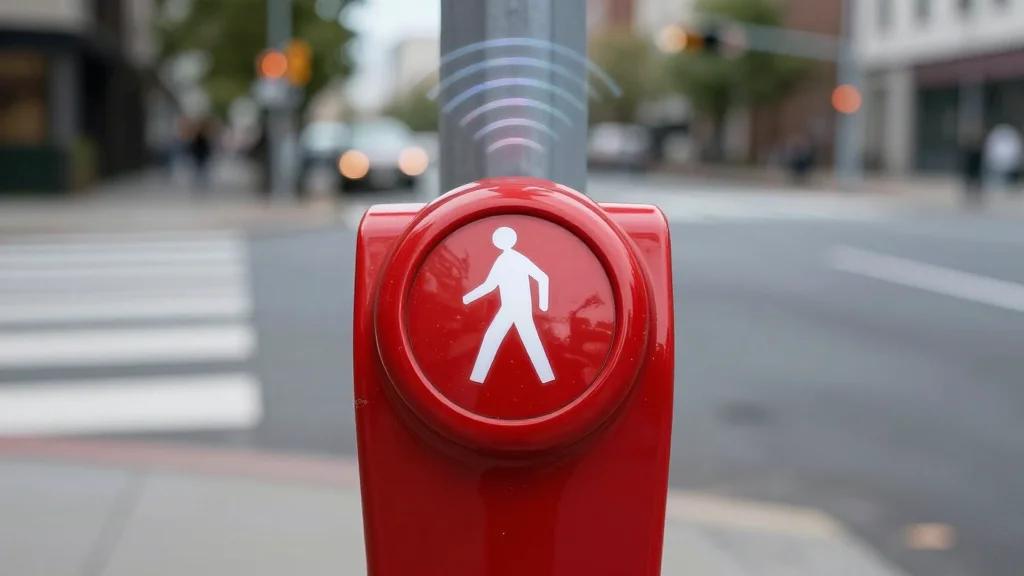
- •AI‑generated CEO voices were broadcast on crosswalk buttons in five U.S. cities
- •Default password "1234" on Polara buttons enabled easy tampering
- •Redwood City manager Melissa Diaz called for accountability after the breach
- •Police investigation stalled due to lack of upload logs
- •CIOs urged to embed cybersecurity clauses in vendor contracts and monitor AI‑enabled devices
Pulse Analysis
The incident marks a turning point in how CIOs must view AI risk. Historically, AI governance focused on data privacy, model bias, and compute costs. This hack adds a new dimension: the authenticity of AI‑produced media in physical environments. As municipalities and enterprises adopt AI‑driven interfaces—voice assistants, digital signage, and IoT sensors—the attack surface expands dramatically. CIOs will need to adopt a layered defense strategy that includes hardening device firmware, enforcing strong authentication, and deploying real‑time deep‑fake detection.
From a market perspective, vendors that can certify end‑to‑end security for AI‑enabled hardware stand to gain a competitive edge. Expect a surge in demand for secure AI chipsets, encrypted communication protocols, and third‑party audit services. Simultaneously, regulators may tighten standards for public‑sector AI deployments, mirroring the EU’s AI Act, which could impose penalties for inadequate safeguards.
Looking ahead, the breach could catalyze industry collaboration on shared threat intelligence for AI‑generated misinformation. CIOs will likely champion cross‑sector information sharing platforms that flag compromised AI models or audio signatures, similar to existing ISACs for cyber threats. By proactively addressing these emerging risks, CIOs can protect both organizational reputation and public safety, turning a disruptive event into a catalyst for stronger AI governance.
AI‑Generated CEO Voice Hack on Pedestrian Buttons Sparks CIO Security Alarm
Comments
Want to join the conversation?
Loading comments...