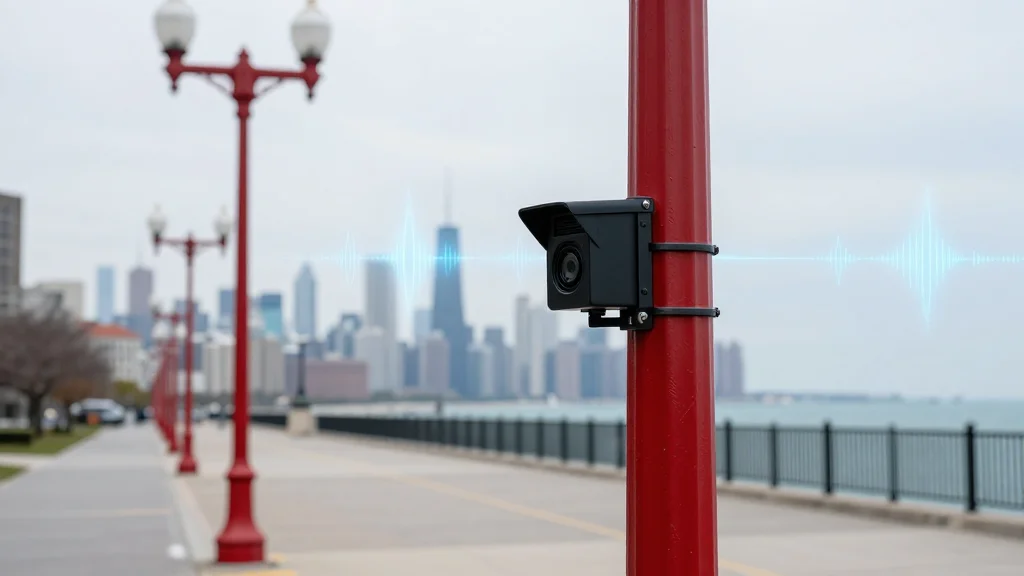
Chicago Council Demands Action on ShotSpotter Replacement After $13.9M Funding Set Aside

Why It Matters
The dispute over ShotSpotter highlights a broader tension in municipal technology procurement: balancing rapid deployment of life‑saving tools with community concerns about surveillance and cost. For CIOs, the case illustrates the risk of political turnover derailing multi‑year technology contracts and the importance of building flexible procurement frameworks that can survive shifts in leadership. Moreover, the $13.9 million earmarked for a replacement underscores how public‑sector budgets are increasingly earmarked for advanced analytics and real‑time response systems, setting a precedent for other cities evaluating similar investments. If Chicago ultimately adopts a new acoustic detection platform, it could validate the technology’s efficacy and encourage wider adoption across urban police departments. Conversely, a decision to abandon the system may embolden critics and reshape how municipalities approach data‑driven policing, potentially prompting a pivot toward alternative solutions such as AI‑enhanced video analytics or community‑based early‑intervention programs.
Key Takeaways
- •Chicago City Council introduced a resolution to review delays in replacing ShotSpotter.
- •Two city budgets allocated $13.9 million for a new gunshot detection system.
- •Eight firms responded to the September 20, 2024 request‑for‑information.
- •Mayor Brandon Johnson called the original ordinance illegal and launched a new competition.
- •Council members Brian Hopkins and Derrick Curtis warned that lives are at stake without the technology.
Pulse Analysis
The ShotSpotter controversy serves as a case study in how political agendas can intersect with technology lifecycles in the public sector. Historically, city governments have struggled to sustain long‑term contracts for safety tech when new administrations inherit them, often leading to costly extensions or abrupt terminations. In Chicago, the mayor’s campaign promise to dismantle the system collided with a pragmatic need for rapid response capabilities, creating a policy paradox that forced the council to intervene.
From a market perspective, vendors offering acoustic detection and related analytics are watching Chicago closely. A successful procurement could unlock additional municipal contracts in other major cities, while a failure could dampen investor confidence in this niche. The $13.9 million budget line signals that municipalities are willing to allocate significant capital for real‑time public‑safety tools, but they also demand transparent procurement processes and demonstrable outcomes.
Looking ahead, CIOs in similar jurisdictions should prioritize building procurement strategies that include contingency plans for leadership changes. This could involve modular contracts, performance‑based milestones, and clear data‑governance frameworks that address community concerns. Chicago’s upcoming hearing will likely set a precedent for how quickly cities can pivot from legacy systems to next‑generation solutions without sacrificing public safety or political capital.
Chicago Council Demands Action on ShotSpotter Replacement After $13.9M Funding Set Aside
Comments
Want to join the conversation?
Loading comments...