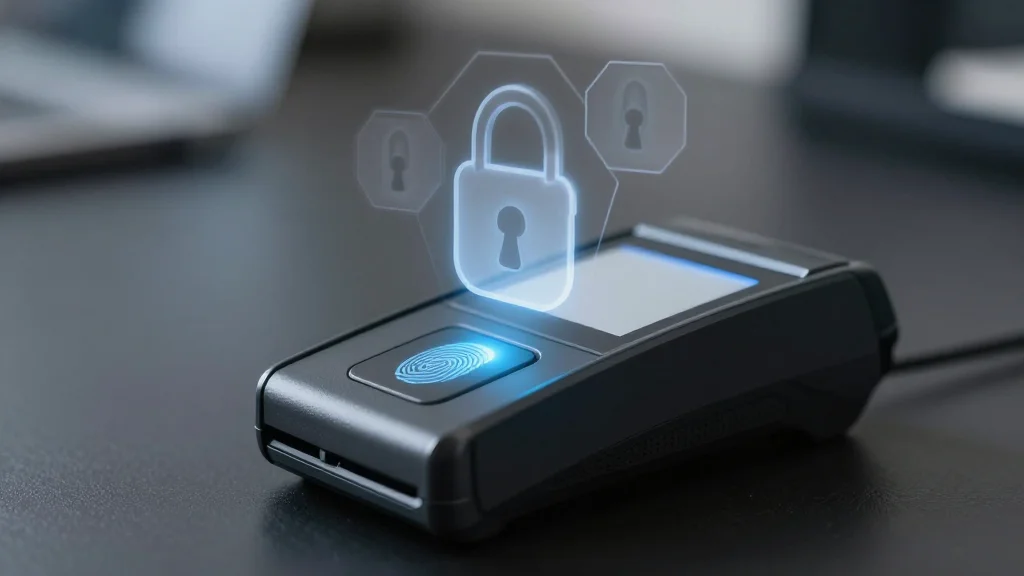
CIOs Unveil New Tools to Thwart Data Breaches and Cut Card Reissue Costs

Companies Mentioned
Why It Matters
The recommendations from these senior technology leaders signal a shift from reactive breach response to proactive, technology‑driven prevention. By adopting tokenization and AI‑based monitoring, financial institutions can dramatically reduce the frequency and severity of data‑breach incidents, protecting both their bottom line and consumer trust. Moreover, the emphasis on digital card issuance directly addresses the $5‑per‑card reissue cost, offering a scalable way to mitigate financial exposure after a breach. Regulatory bodies are tightening cybersecurity expectations, and the CIOs’ roadmap provides a blueprint for compliance. Institutions that fail to modernize risk not only higher breach costs but also potential fines and reputational damage, while early adopters stand to gain competitive advantage through faster, more secure payment experiences for their customers.
Key Takeaways
- •CIOs from Euler Hermes, Etex, SAP and others recommend tokenization and AI‑driven monitoring
- •Legacy encryption protocols remain a major vulnerability, according to Dirk Altgassen
- •Reissuing a compromised card costs roughly $5 per unit, a cost that can balloon during large breaches
- •Digital card issuance can eliminate physical reissue costs and speed customer remediation
- •Upcoming regulations will likely mandate continuous penetration testing and third‑party risk assessments
Pulse Analysis
The collective stance of these CIOs reflects a broader industry pivot toward cloud‑native security architectures. Historically, banks have been cautious about moving core security functions to the cloud due to concerns over data sovereignty and control. However, the accelerating pace of cyber‑crime‑as‑a‑service has forced a reassessment; the cost of a breach—both direct remediation and indirect brand damage—now outweighs perceived cloud risks. This realignment mirrors the post‑2017 shift seen after the Equifax breach, where tokenization moved from a niche solution to a standard requirement for payment processors.
Competitive dynamics are also reshaping the market. Large vendors such as Visa and Mastercard are rolling out tokenization services that integrate directly with issuer banks, while fintech challengers are leveraging open‑source AI models to offer cheaper, faster fraud detection. The CIOs’ call for open‑source frameworks suggests a desire to avoid vendor lock‑in and to foster collaborative threat intelligence sharing across institutions. This could accelerate the emergence of industry‑wide standards for real‑time breach detection, similar to the ISO/IEC 27001 adoption curve seen in the early 2020s.
Looking ahead, the next inflection point will likely be the automation of breach response workflows. As AI models become more accurate, they can trigger instant digital card issuance, automatically update token vaults, and notify regulators—all without human intervention. Institutions that invest now in the underlying data pipelines and orchestration layers will be positioned to meet both regulatory demands and consumer expectations for swift, frictionless remediation. Those that lag risk facing not only higher breach costs but also eroding customer loyalty in an increasingly security‑conscious market.
CIOs Unveil New Tools to Thwart Data Breaches and Cut Card Reissue Costs
Comments
Want to join the conversation?
Loading comments...