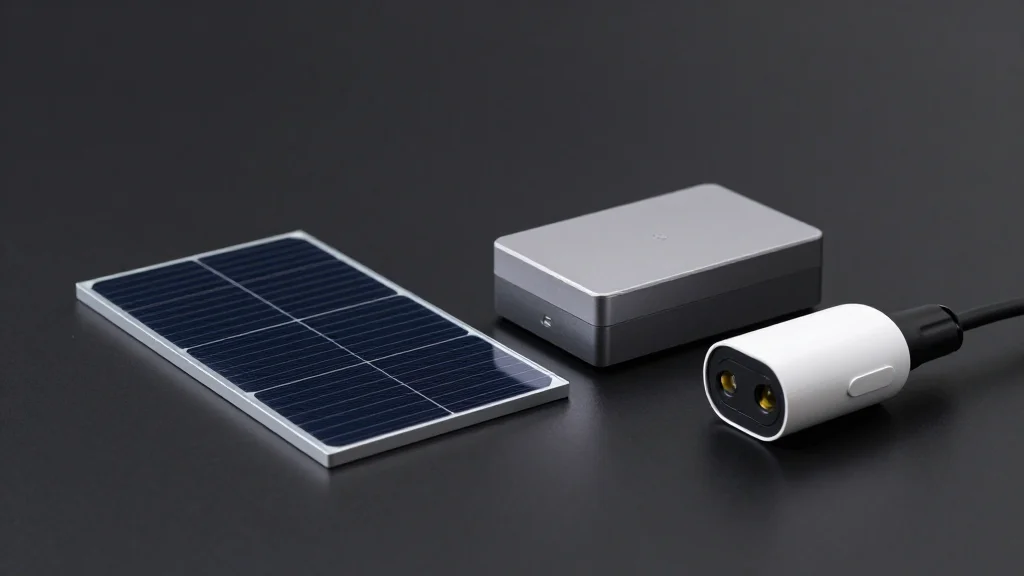
Home Energy Shifts Toward Integrated Intelligent Ecosystem, Prompting CIOs to Rethink Infrastructure

Companies Mentioned
Why It Matters
The transition to an integrated home‑energy ecosystem illustrates a paradigm shift from isolated hardware upgrades to holistic, software‑driven management. For CIOs, this signals that legacy building‑automation systems are insufficient for the emerging demands of dynamic pricing, renewable integration and resilience. By adopting a unified orchestration layer, enterprises can achieve measurable cost reductions, improve uptime during grid disturbances, and unlock participation in demand‑response programs. The trend also accelerates the convergence of IT and facilities‑management, a core pillar of digital transformation strategies. Furthermore, the rise of open IoT standards and cloud‑native energy platforms lowers the barrier to entry for large‑scale deployments. CIOs who act now can position their organizations to capture the financial and sustainability benefits that early adopters of the home‑energy model are already realizing, while avoiding the technical debt of retrofitting siloed systems later.
Key Takeaways
- •Homes now consume more electricity than a decade ago, driven by EVs, heat pumps and remote work.
- •Smart thermostats like Ecobee can pre‑heat or pre‑cool when electricity rates are low, illustrating software‑centric control.
- •Integrated ecosystems coordinate solar generation, battery storage and load‑control to maximize on‑site energy use.
- •Enterprise CIOs can apply the same hierarchy of critical loads to reduce demand‑charge penalties and improve resilience.
- •Open standards such as OpenADR and Matter enable scalable, interoperable energy‑orchestration across corporate sites.
Pulse Analysis
The home‑energy narrative is a microcosm of the broader digital‑infrastructure challenge facing CIOs: disparate assets must be unified under a single intelligence layer. Historically, enterprises have treated power as a static utility, purchasing capacity and relying on legacy building‑automation protocols that lack real‑time decision‑making. The consumer shift toward intelligent ecosystems forces a re‑examination of that model. By leveraging edge computing, AI‑driven forecasting and open communication standards, CIOs can transform energy from a background cost into an active lever for operational efficiency.
Historically, the adoption curve for enterprise energy‑management has been slow, hampered by fragmented vendor solutions and regulatory uncertainty. The current wave of residential smart‑energy products demonstrates that consumer demand can accelerate standardization and drive down integration costs. As more households adopt coordinated platforms, the data‑rich environment will generate best‑practice algorithms that enterprises can adapt, reducing the time to value for large‑scale deployments.
Looking ahead, the convergence of IoT, renewable integration and dynamic pricing will create new revenue streams for organizations that can offer grid services, such as frequency regulation or peak‑shaving. CIOs who embed these capabilities now will not only meet sustainability goals but also position their firms to monetize flexibility in a decarbonizing grid. The intelligent home‑energy ecosystem thus serves as both a proof‑point and a catalyst for the next generation of enterprise infrastructure strategy.
Home Energy Shifts Toward Integrated Intelligent Ecosystem, Prompting CIOs to Rethink Infrastructure
Comments
Want to join the conversation?
Loading comments...