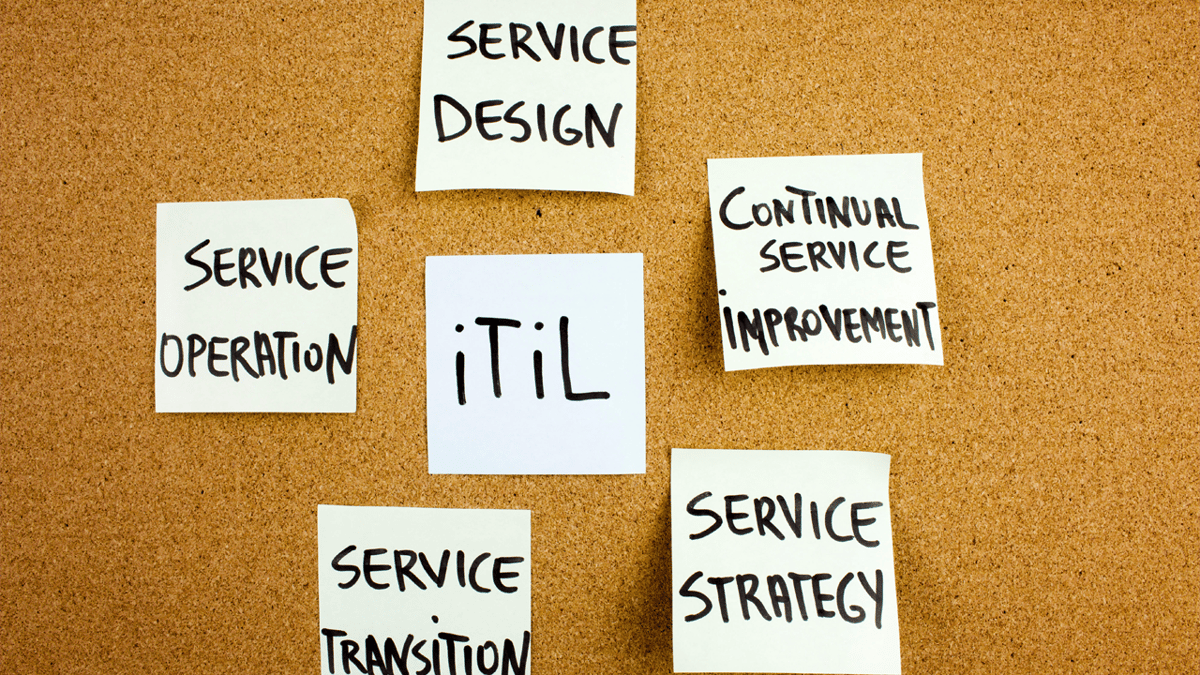
Kill Your ITIL: Why CIOs Are Abandoning Traditional Service Management
•March 2, 2026
0
Why It Matters
Abandoning ITIL accelerates digital transformation by aligning IT operations with DevOps speed, reducing waste and risk. It forces enterprises to rethink governance, talent, and metrics, impacting overall business agility.
Key Takeaways
- •ITIL slows modern software delivery, prompting CIOs to abandon it
- •Service desks evolve into AI-driven orchestration platforms
- •SLAs shift to engineering-focused SLOs and error budgets
- •Cultural change, not just tools, drives successful automation adoption
- •Self‑service “golden path” accelerates user adoption without training
Pulse Analysis
Enterprises are replacing the static service desk with AI‑driven orchestration layers that anticipate incidents, resolve routine tasks, and only involve humans for complex decisions. This automation reshapes the contract language: service‑level agreements (SLAs) give way to service‑level objectives (SLOs) and error‑budget calculations that engineers can program into pipelines. By measuring reliability as a target rather than a legal promise, organizations align IT output with product velocity and risk tolerance. The result is faster mean‑time‑to‑resolution, reduced manual approvals, and a clearer signal to business units that IT is an enabler, not a bottleneck.
The technical shift alone won’t succeed without a cultural overhaul. Leaders must make the automated “golden path” the easiest option, rewarding teams for preventing friction rather than closing tickets. Retraining service‑desk staff into workflow engineers, experience operators, and AI overseers creates new career ladders and aligns incentives with system stability. Simultaneously, end‑users need to trust self‑service portals and accept that support may be invisible until an exception occurs. Companies that couple AI orchestration with clear outcome‑based metrics and proactive communication will see higher employee satisfaction and faster time‑to‑value, while laggards risk entrenched bottlenecks and rising operational risk.
The Information Technology Infrastructure Library (ITIL) was born in the early 1990s to impose order on scarce hardware and slow change cycles. Decades later, its change‑approval boards and ticket queues clash with the continuous‑delivery pipelines that modern enterprises demand. CIOs report that waiting hours for a server provision or a three‑day CAB review translates directly into lost revenue and developer frustration. As software releases move from weekly to multiple times per day, the latency introduced by traditional service‑desk processes becomes a competitive liability, prompting leaders to reconsider the framework’s relevance.
Kill your ITIL: Why CIOs are abandoning traditional service management
0
Comments
Want to join the conversation?
Loading comments...