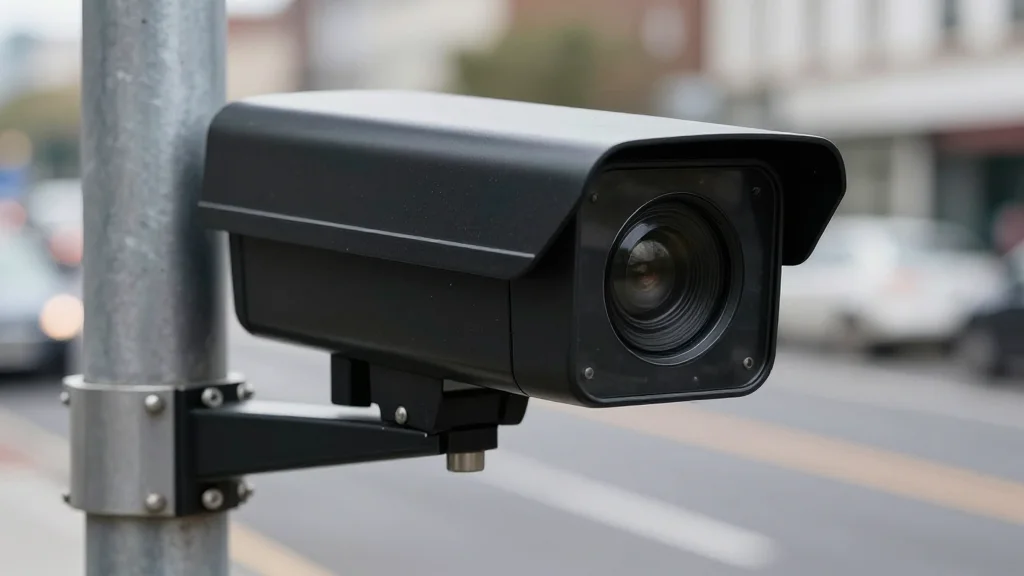
Milwaukee Police Probe Possible Misuse of Flock License‑Plate Reader System

Companies Mentioned
Why It Matters
The Milwaukee LPR probe underscores a growing national debate over how law‑enforcement agencies deploy surveillance technologies. For CIOs in the public sector, the case illustrates the operational risks of granting broad access to powerful data‑collection tools without continuous oversight. Misuse can erode public trust, invite legal challenges, and trigger costly contract terminations, as seen in neighboring Wisconsin cities. Moreover, the incident spotlights the importance of integrating privacy‑by‑design principles into procurement and lifecycle management of surveillance systems. CIOs must now consider not only the immediate investigative value of LPRs but also the long‑term governance, audit, and compliance frameworks required to prevent abuse and meet evolving regulatory expectations.
Key Takeaways
- •Milwaukee police launch investigation into possible misuse of the Flock LPR system after a former officer's misdemeanor charge.
- •Department reduced authorized Flock users from ~400 to just over 100 and instituted monthly audits.
- •31 fixed cameras have been operating citywide since 2022, credited with solving two recent criminal cases.
- •Appleton and Oshkosh terminated Flock contracts earlier this year over privacy concerns.
- •CIOs must balance crime‑fighting benefits with robust governance, access controls, and auditability.
Pulse Analysis
The Milwaukee LPR controversy arrives at a moment when municipal technology leaders are under pressure to demonstrate both efficacy and ethical stewardship. Historically, law‑enforcement agencies have adopted surveillance tools with minimal oversight, often citing operational necessity. However, high‑profile misuse cases—like the Ayala incident—have catalyzed a shift toward stricter governance. Milwaukee’s decision to slash user numbers and enforce monthly audits reflects a broader industry trend: treating data‑collection platforms as regulated assets rather than open‑access utilities.
From a market perspective, vendors of LPR technology face a tightening procurement environment. Cities are increasingly demanding granular audit logs, role‑based access, and clear data‑retention policies. Companies that can embed these capabilities may retain contracts, while those that cannot risk losing business to emerging competitors offering privacy‑centric solutions. The fallout in Appleton and Oshkosh serves as a cautionary tale that even well‑established vendors are vulnerable to policy shifts.
Looking ahead, CIOs will likely champion legislative frameworks that codify oversight requirements for surveillance tech. Expect proposals for independent oversight boards, mandatory public reporting of LPR usage statistics, and stricter limits on data sharing with federal agencies. The Milwaukee case may become a reference point in these debates, illustrating both the potential public‑safety gains and the reputational hazards of insufficient governance. As municipalities grapple with these issues, the balance they strike will shape the next generation of public‑sector technology procurement and the public’s trust in digital policing tools.
Milwaukee Police Probe Possible Misuse of Flock License‑Plate Reader System
Comments
Want to join the conversation?
Loading comments...