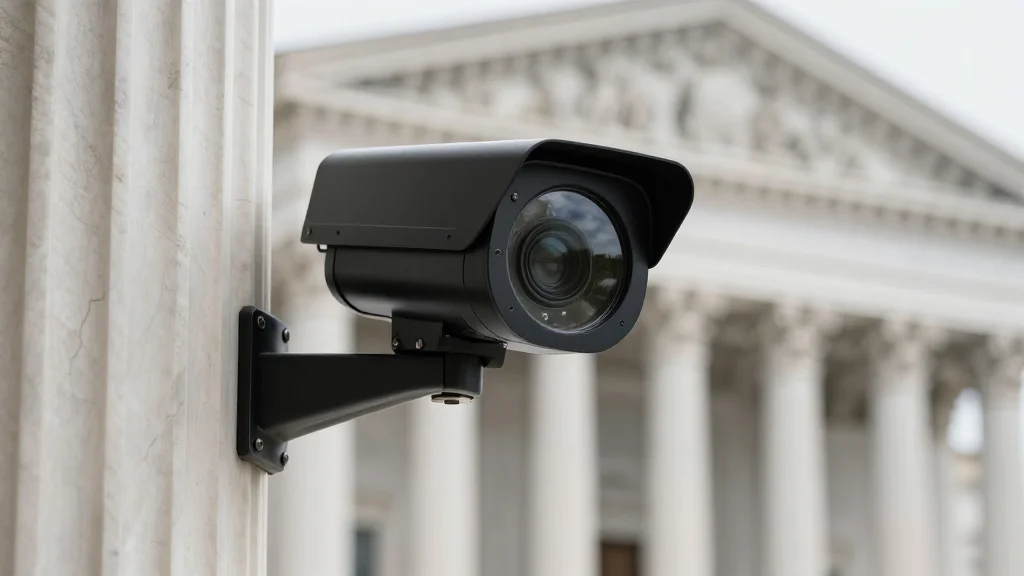
Supreme Court Hears Cisco V. Doe, Spotlighting Tech Firms’ Exposure to Human‑Rights Lawsuits

Why It Matters
The Cisco v. Doe case sits at the intersection of technology, human rights, and corporate liability, making it a litmus test for how U.S. law will address the extraterritorial impact of American-made surveillance tools. For CIOs, the stakes are twofold: first, the risk that existing contracts with foreign governments could be re‑characterized as criminal facilitation, and second, the operational imperative to embed human‑rights safeguards into procurement and development pipelines. A Supreme Court ruling that expands ATS liability would likely trigger a wave of compliance initiatives, from enhanced vetting of foreign clients to mandatory reporting of high‑risk deployments. Beyond compliance, the case could reshape the competitive landscape. Firms that proactively adopt transparent, rights‑respecting architectures may gain a market advantage, while those slower to adjust could face litigation, reputational damage, and loss of business in jurisdictions that demand stricter oversight. The decision will also inform board‑level risk assessments, insurance underwriting, and the broader dialogue on corporate responsibility in the digital age.
Key Takeaways
- •Supreme Court heard Cisco Systems v. Doe on April 28, focusing on alleged ATS violations.
- •Plaintiffs claim Cisco engineered machine‑learning tools for China’s Golden Shield surveillance of Falun Gong.
- •Ninth Circuit previously found the plaintiffs’ claims plausible, allowing the case to proceed.
- •Potential ruling could extend U.S. liability to tech firms for overseas surveillance assistance.
- •CIOs may need to implement human‑rights impact assessments and stricter export‑control compliance.
Pulse Analysis
The Cisco case underscores a growing legal frontier where technology firms are no longer insulated from the downstream use of their products. Historically, liability under the Alien Tort Statute has been limited to direct actions by corporations abroad; however, the Ninth Circuit’s finding that design work performed in the United States can satisfy the “substantial assistance” threshold signals a shift toward a more expansive view of corporate culpability. This evolution mirrors trends in European Union regulations, such as the EU’s proposed AI liability framework, suggesting a convergence of global norms that hold vendors accountable for the human‑rights impact of their technology.
For CIOs, the practical implications are immediate. Procurement teams will likely need to incorporate contractual clauses that require end‑users to certify non‑repressive use, while engineering groups must document the intent and scope of any custom features destined for high‑risk markets. Moreover, the risk of civil litigation adds a new layer to the traditional cyber‑risk portfolio, prompting insurers to reconsider coverage terms for technology providers involved in surveillance contracts. Companies that can demonstrate robust governance—through independent audits, transparent reporting, and alignment with frameworks like the UN Guiding Principles on Business and Human Rights—will be better positioned to weather potential legal storms.
Strategically, the outcome could catalyze a market segmentation where “rights‑safe” technology providers capture a premium segment of customers, especially in democracies that are tightening export controls. Conversely, firms that continue to prioritize revenue from authoritarian regimes without adequate safeguards may face not only legal exposure but also brand erosion among investors and talent. In short, the Supreme Court’s decision will likely become a benchmark for how the tech industry balances growth ambitions with the growing demand for ethical responsibility in the digital age.
Supreme Court Hears Cisco v. Doe, Spotlighting Tech Firms’ Exposure to Human‑Rights Lawsuits
Comments
Want to join the conversation?
Loading comments...