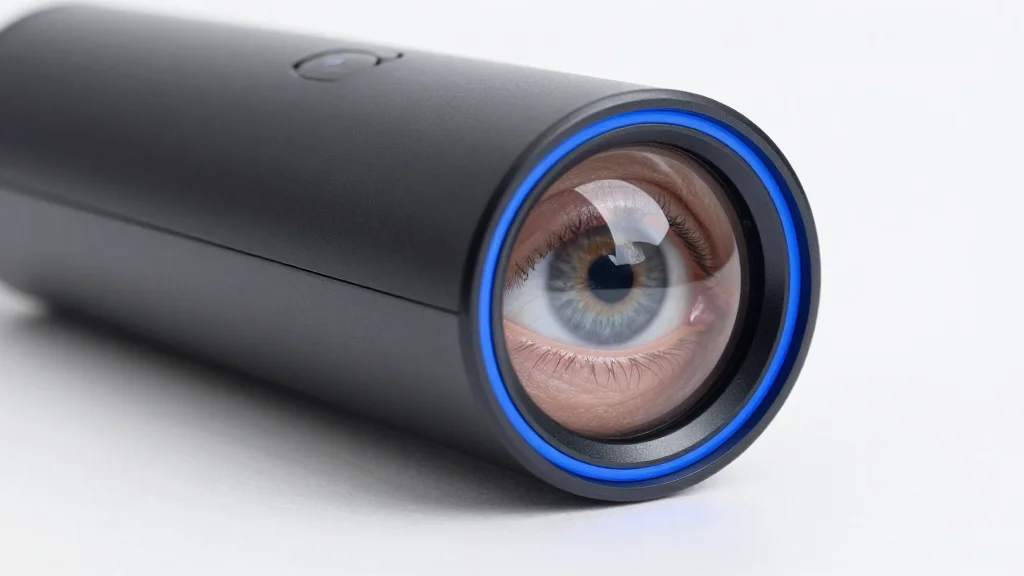
World’s Orb Biometric Scanner Reaches 18 M Users, Targets Enterprise Bots

Companies Mentioned
Why It Matters
The Orb represents a shift from knowledge‑based authentication to physiological proof of identity, a move that could dramatically reduce the attack surface exploited by credential‑stuffing and bot‑driven fraud. For CIOs overseeing digital transformation, the technology offers a potential single source of truth for user verification across disparate cloud services, simplifying IAM stacks and reinforcing zero‑trust policies. At the same time, the irreversible nature of iris data forces organizations to confront new risk‑management paradigms. Any breach could expose immutable biometric identifiers, prompting regulators to demand stricter oversight. The balance between security gains and privacy liabilities will shape how quickly enterprises adopt Orb and similar biometric solutions.
Key Takeaways
- •Tools for Humanity reports >18 M active World ID users after Orb launch
- •Zoom, DocuSign, and ticket‑sale platforms begin pilot integrations to block bots
- •Orb captures iris and facial data, encrypts on‑device, then destroys the raw image
- •CIOs see potential for zero‑trust IAM, but privacy experts warn of irreversible biometric exposure
- •Pilot programs with major cloud providers slated for Q4 2026 to embed Orb in SSO flows
Pulse Analysis
The Orb’s rapid user growth signals that the market is ready for a biometric layer that can outpace traditional MFA. Historically, enterprises have been hesitant to adopt facial or fingerprint scanners at scale due to privacy concerns and integration complexity. Orb’s on‑device encryption and sharding model attempts to address those pain points, positioning it as a more palatable option for regulated industries such as finance and healthcare. If the upcoming cloud‑provider pilots succeed, we could see a cascade effect where SaaS vendors bundle Orb verification into their authentication APIs, creating a de‑facto standard for human‑only access.
However, the technology’s success hinges on trust. The World ecosystem has already attracted regulatory attention for its token economics and data‑handling practices. CIOs must weigh the operational benefits against potential compliance fallout, especially in regions with strict biometric data statutes. The industry may respond with hybrid models—combining Orb with traditional MFA—to mitigate risk while still leveraging the bot‑blocking advantages.
Looking ahead, the Orb could catalyze a broader re‑evaluation of identity architecture. As AI‑generated bots become more sophisticated, the cost of false‑positive denials rises, and enterprises may be forced to adopt immutable human proofs. Whether Orb becomes the cornerstone of a new identity paradigm or remains a niche solution for high‑value transactions will depend on how quickly the privacy concerns are resolved and how seamlessly the device integrates with existing IAM ecosystems.
World’s Orb biometric scanner reaches 18 M users, targets enterprise bots
Comments
Want to join the conversation?
Loading comments...