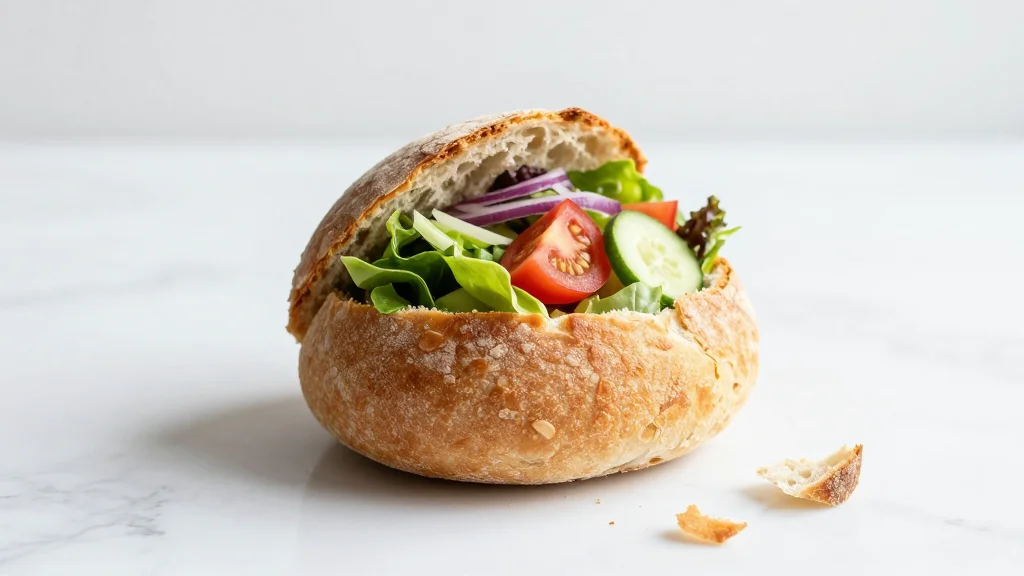
Panera Bread’s ‘Salad Stuffers’ Spark Employee Backlash Over Waste and Value

Companies Mentioned
Why It Matters
The Salad Stuffer episode underscores the delicate balance C‑level marketers must strike between innovation, cost, and sustainability. When a new product is perceived as wasteful, it can erode brand equity built on responsible sourcing, especially for a chain like Panera that markets itself as a health‑focused, socially conscious brand. Moreover, employee sentiment—publicly aired on platforms like Reddit—can amplify negative consumer perception, turning a marketing misstep into a broader reputational risk. For CMOs across the fast‑casual sector, the case highlights the importance of cross‑functional alignment: product development, operations, and communications must collaborate to ensure that a novel offering does not generate unintended waste or cost concerns. The backlash also signals that consumers and staff alike are increasingly vigilant about value and environmental impact, demanding that new menu concepts be both financially and ecologically justified.
Key Takeaways
- •Panera launched Salad Stuffers on April 8 as a "bread bowl for your salad".
- •Reddit employees reported that the core of the bread and portions of salad are discarded, calling it a "huge waste of money and food."
- •CMO Mark Shambura said test guests "couldn't get enough" of the roll.
- •Critics compare the item to Bread Zeppelin’s salad‑stuffed baguettes, questioning its originality.
- •Panera says leftover bread is repurposed into croutons and bread pudding.
Pulse Analysis
Panera’s misfire illustrates a broader trend where fast‑casual brands chase novelty without fully vetting operational implications. Historically, menu innovations that promise convenience—think Starbucks' Frappuccino or Chipotle’s lifestyle bowls—succeeded because they aligned with clear consumer benefits and required minimal waste. The Salad Stuffer, by contrast, adds a processing step that generates discard, clashing with Panera’s sustainability narrative and inflating perceived cost.
From a competitive standpoint, the episode gives rivals an opening to highlight their own waste‑reduction practices. Bread Zeppelin’s quick social‑media jab not only underscores the similarity but also positions the Texas chain as a more authentic alternative. If Panera does not swiftly address the waste narrative, it risks losing price‑sensitive diners to competitors who can claim both innovation and efficiency.
Looking ahead, CMOs will likely adopt tighter pre‑launch testing that includes waste audits and frontline staff feedback. The Panera case may prompt a shift toward co‑creation models, where employees and loyal customers help shape product concepts before they hit the menu. In an era where brand authenticity is measured in real‑time on social platforms, the cost of overlooking operational realities can far outweigh the upside of a flashy launch.
Panera Bread’s ‘Salad Stuffers’ Spark Employee Backlash Over Waste and Value
Comments
Want to join the conversation?
Loading comments...