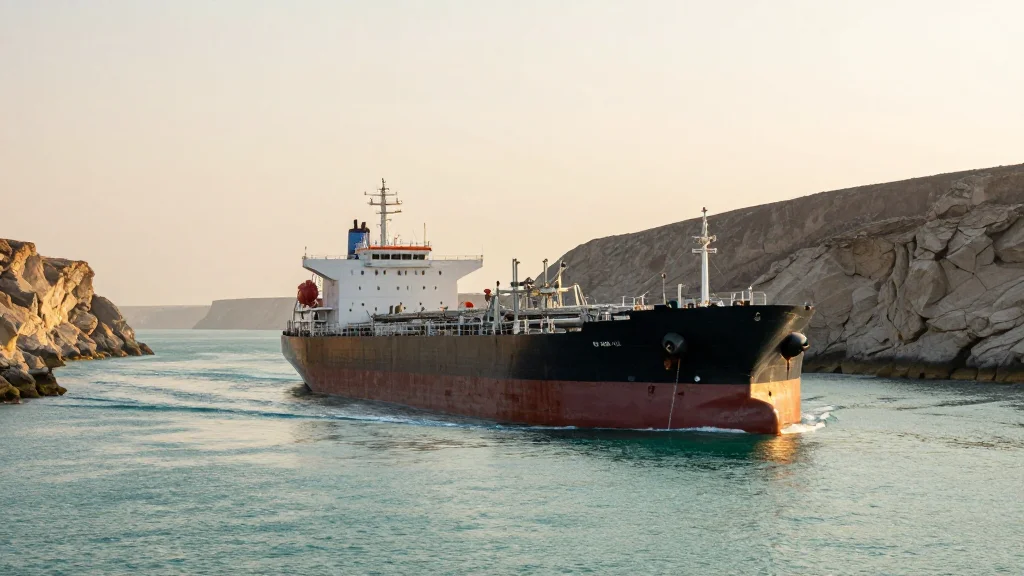
Chevron CEO Warns of 1970s‑style Oil Shortage, Sparking Retail Stock Concerns

Companies Mentioned


Why It Matters
The warning from Chevron’s CEO highlights a rare convergence of geopolitical risk and commodity scarcity that could reignite a supply shock not seen since the 1970s. A genuine shortage would push oil prices higher, eroding disposable income and forcing consumers to prioritize essentials over discretionary purchases. This dynamic threatens retail earnings, especially for mid‑tier and luxury brands that depend on robust consumer spending. Moreover, the scenario underscores the fragility of global energy logistics, prompting investors to reassess exposure not only to oil producers but also to downstream sectors that rely on stable fuel costs. For policymakers, the prospect of a 1970s‑style shortage raises questions about strategic reserve adequacy, the resilience of alternative supply routes, and the need for diplomatic engagement to keep the Strait of Hormuz open. The ripple effects could influence monetary policy, inflation expectations, and fiscal stimulus decisions, making the issue a macro‑economic priority beyond the energy market alone.
Key Takeaways
- •Chevron CEO Mike Wirth warned that a closure of the Strait of Hormuz could cause physical oil shortages comparable to the 1970s crisis.
- •Wirth said "We will start to see physical shortages" and "economies are going to have to slow" at a Milken Institute event on May 4.
- •Discount retailer Dollar Tree posted a 9% sales increase and 5% same‑store growth in Q4, while Target saw a 4.4% same‑store rise in Q1 2026.
- •Higher fuel costs could pressure discretionary retailers such as Tapestry, Best Buy, and AutoNation, and add $1 billion to Procter & Gamble’s expense base.
- •The Strait of Hormuz blockage has already removed roughly 1 billion barrels – about 10 days of global consumption – from the market.
Pulse Analysis
Wirth’s warning is more than a corporate sound‑bite; it signals a structural risk that could reshape commodity pricing and consumer behavior for months. Historically, oil shocks have forced a reallocation of capital from growth‑oriented sectors to defensive assets, as investors seek shelter from inflationary pressure. In the current environment, the market is already pricing in a modest premium for oil, but a genuine supply pinch could accelerate that curve, compressing margins for retailers that cannot pass on higher costs.
From a strategic standpoint, the retail sector’s exposure is uneven. Discount chains benefit from a shift toward lower‑priced goods, yet they remain vulnerable to transportation cost spikes that erode profit. Mid‑tier and luxury retailers face a double‑edged sword: reduced foot traffic from higher fuel prices and heightened price sensitivity that could force deeper discounting. Companies with diversified supply chains or strong e‑commerce platforms may weather the storm better than those reliant on brick‑and‑mortar traffic.
Investors should monitor three key indicators: (1) any official closure or restriction of the Strait of Hormuz, (2) the rate at which strategic petroleum reserves are drawn, and (3) the response of global oil inventories. A sustained supply deficit would likely push Brent crude above $100 per barrel, triggering a broader inflationary cycle. In that scenario, energy‑heavy stocks could outperform, while consumer‑facing equities may see earnings revisions and heightened volatility. Positioning portfolios with a mix of upstream exposure and defensive consumer staples could mitigate risk while capturing upside from the inevitable price swing.
Overall, Wirth’s cautionary note forces a re‑examination of how commodity shocks propagate through the economy, reminding market participants that the link between oil supply and retail performance remains as potent as ever.
Chevron CEO warns of 1970s‑style oil shortage, sparking retail stock concerns
Comments
Want to join the conversation?
Loading comments...