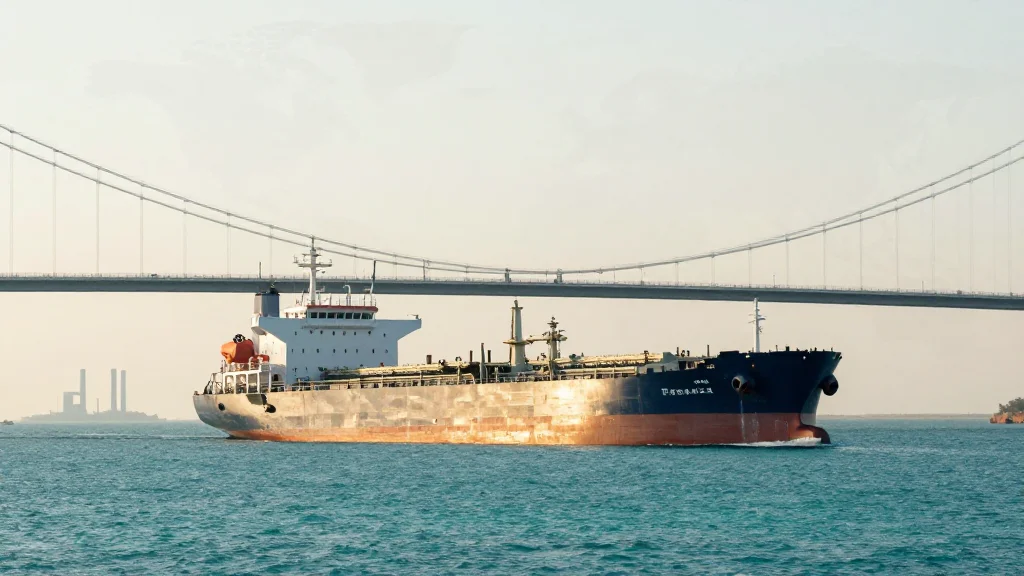
Trump Threatens Strikes on Iran’s Power Plants and Bridges if Hormuz Stays Shut

Why It Matters
The Hormuz crisis illustrates the fragility of global supply chains that hinge on narrow maritime chokepoints. A disruption not only spikes oil prices but also reverberates through the fertiliser market, threatening food security and inflating agricultural input costs. For the United States, the episode highlights a strategic mismatch between domestic light‑crude production and heavy‑crude‑oriented refineries, a structural issue that limits energy independence. For investors and policymakers, the episode serves as a reminder that geopolitical risk remains a core driver of commodity pricing. The ability of a single nation to threaten infrastructure in a distant region can reshape global markets, influencing everything from consumer fuel costs to farm profitability, and prompting a reevaluation of supply‑chain resilience strategies.
Key Takeaways
- •Trump warned of strikes on Iran’s power plants and bridges unless Hormuz reopens
- •Brent crude rose above $100/barrel; U.S. gasoline topped $4/gal
- •Urea fertiliser price jumped ~30% after Iran halted Hormuz shipments
- •U.S. imports 6 million barrels/day of crude, still reliant on Gulf heavy crude
- •Iran’s senior official said the country won’t be swayed by a temporary ceasefire
Pulse Analysis
The Hormuz standoff is a textbook case of how geopolitical flashpoints can amplify commodity risk premiums. While Trump’s rhetoric is designed to project resolve, the underlying market dynamics are driven by structural dependencies: the United States’ refinery fleet is still tuned to heavy crude, and its light‑crude surplus cannot be easily redirected. This mismatch forces the U.S. to import heavy grades, making the country vulnerable to any disruption in the Gulf, despite its domestic production.
Historically, similar chokepoint crises—such as the 2019 Gulf of Oman incidents—have produced short‑lived price spikes that quickly receded once diplomatic channels opened. However, the current scenario differs in its intensity; the threat of direct attacks on Iranian infrastructure raises the stakes beyond commercial retaliation. If the U.S. follows through, the resulting supply shock could push oil well beyond $120/barrel, destabilize global fertiliser markets, and trigger a cascade of inflationary pressures.
Looking ahead, market participants should monitor three signals: (1) any shift in Iranian rhetoric indicating a willingness to negotiate, (2) U.S. naval deployments that could signal imminent kinetic action, and (3) the response of major oil‑importing nations, especially China and India, which could diversify away from Gulf supplies. In the meantime, investors may hedge exposure to energy and agricultural inputs, while policymakers are likely to revisit strategic petroleum reserve policies and consider incentives for refinery upgrades to reduce reliance on heavy crude imports.
Trump threatens strikes on Iran’s power plants and bridges if Hormuz stays shut
Comments
Want to join the conversation?
Loading comments...