
2026 Cell Types Workshop/ Genetic Tools Atlas
The video introduces the Viral Genetic Tools team’s effort to build a Genetic Tools Atlas that gives researchers viral enhancers to access specific brain cell types. They explain how cell‑type specific gene expression arises from distal enhancers; using ATAC‑seq they map accessible chromatin, clone ~500‑bp enhancer fragments into a standardized viral cassette with a mini promoter and fluorescent reporter, and deliver systemically. Example: targeting the cortical layer‑6B marker gene Cplx3, they identified three enhancers; two reproduced the native expression pattern, one failed. Thousands of such screens have been annotated manually, generating a scorecard of brain regions, density, and reliability. The resulting atlas is a searchable, community‑curated resource that lets scientists quickly choose validated viral tools, accelerating functional studies of neuronal subtypes without costly transgenic lines.
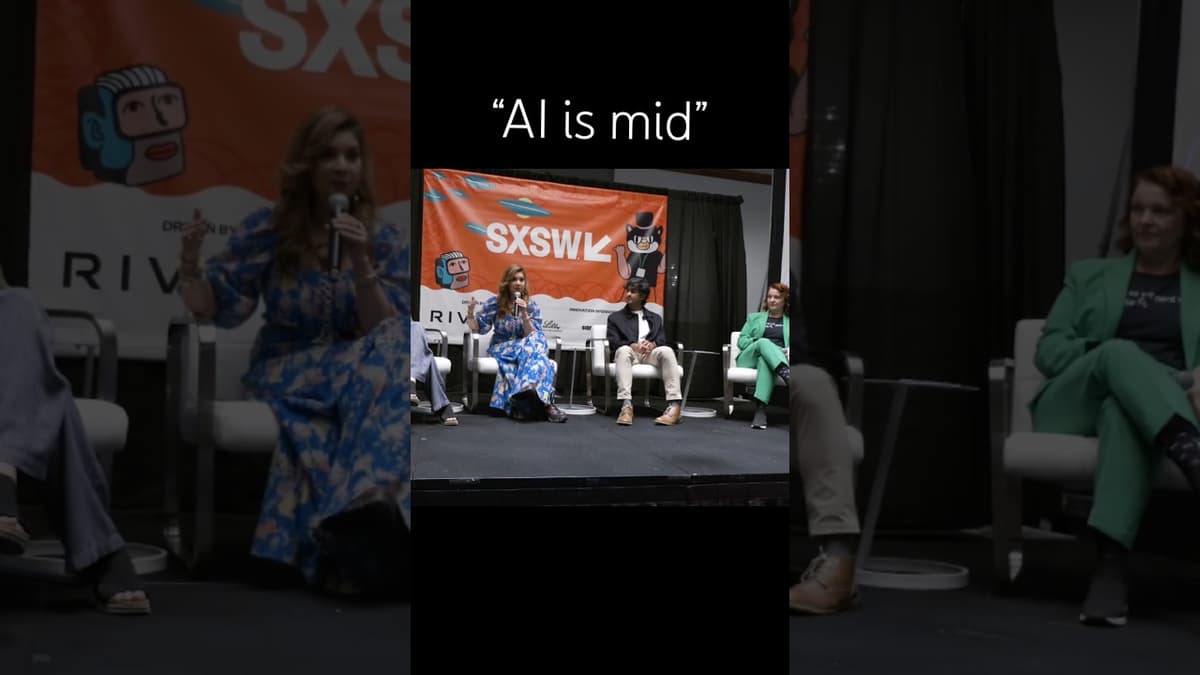
Hard Truth About Using and Building AI Systems
The video bluntly labels current generative AI as “mid,” arguing it merely aggregates the average of publicly available content—from Reddit to Google—making it a mediocre reflection of human knowledge. The speaker warns that when firms plug such models into enterprise workflows...
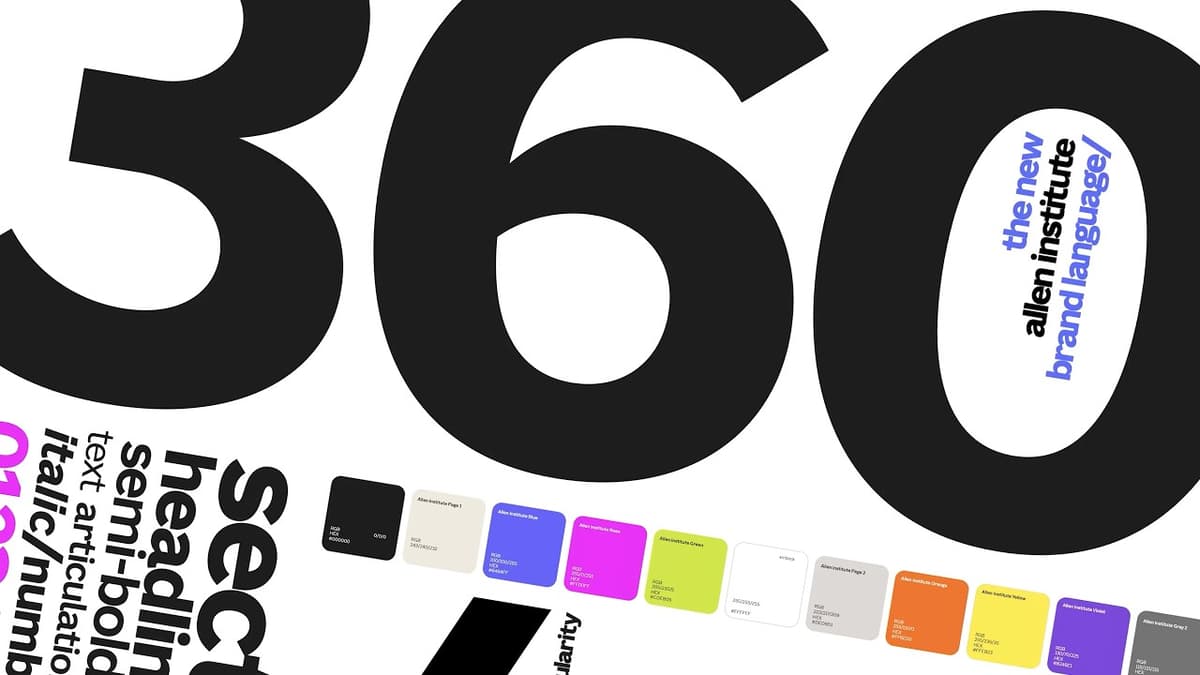
Charting a Brand Revolution
The video chronicles the Allen Institute’s brand overhaul, led by incoming CEO Ruie Costa, who emphasized authenticity and a singular voice to showcase the institute’s scientific impact. The initiative sought to transform a fragmented perception into a cohesive "branded house"...

Stunning Views of the Mouse Brain Thanks to Technology From Electrons Manufacturing
Researchers have unveiled a new light‑sheet microscope that repurposes machine‑vision lenses and cameras to image individual neurons and their axons within mouse brains. The device, built by the anatomy group, aims to map neuronal projections from one brain region to...

The More We Learn About the Brain, the More Mysterious It Becomes.
Dr. Caitlyn Cassimo outlines three enduring mysteries of the brain: cell taxonomy, disease mechanisms, and visual processing. Researchers have cataloged over 5,000 mouse neuron types and are extending this effort to humans, yet a universal classification scheme remains elusive. Mapping projects...

Why Brains Need Friends | Discussion with Dr. Ben Rein
The Allen Institute’s Science Matters fireside chat featured neuroscientist Ben Rein discussing his new book “Why Brains Need Friends.” Rein framed social connection as a biological drive comparable to food and water, noting the Surgeon General’s 2023 declaration of loneliness...

Creating a Cross-Species Spinal Cord Taxonomy
The webinar presented a new Allen Institute effort to build a cross‑species spinal cord taxonomy, leveraging multi‑omics data from human donors, macaques and mice. By generating 10x multi‑ome profiles, spatial transcriptomics and epigenetic maps, the team assembled a comprehensive cellular...

CellTransformer | AI Model Mapping the Mouse Brain in 1,300 Regions
Researchers at UCSF and the Allen Institute unveiled CellTransformer, an AI model that automatically classifies roughly 1,300 distinct regions of the mouse brain, leveraging the scale of modern neuroscience datasets. The system ingests multimodal data—single‑cell RNA sequencing, spatial transcriptomics, and epigenomic...

“No Self, No Time” Christof Koch on Consciousness | SXSW 2026
Christof Koch, a neuroscientist at the Allen Institute, opened his SXSW 2026 talk by defining consciousness as the everyday, subjective experience of seeing, feeling, dreaming and more, and highlighted its status as a private, unobservable phenomenon that must be inferred....

Unsolved Mysteries of the Brain
Doctor Kaitlyn Casimo, a neuroscientist, frames the video around three enduring mysteries of the brain: cell taxonomy, disease mechanisms, and visual processing. She emphasizes that while we know the brain contains neurons, glia, fat, water, and blood vessels, the overarching...