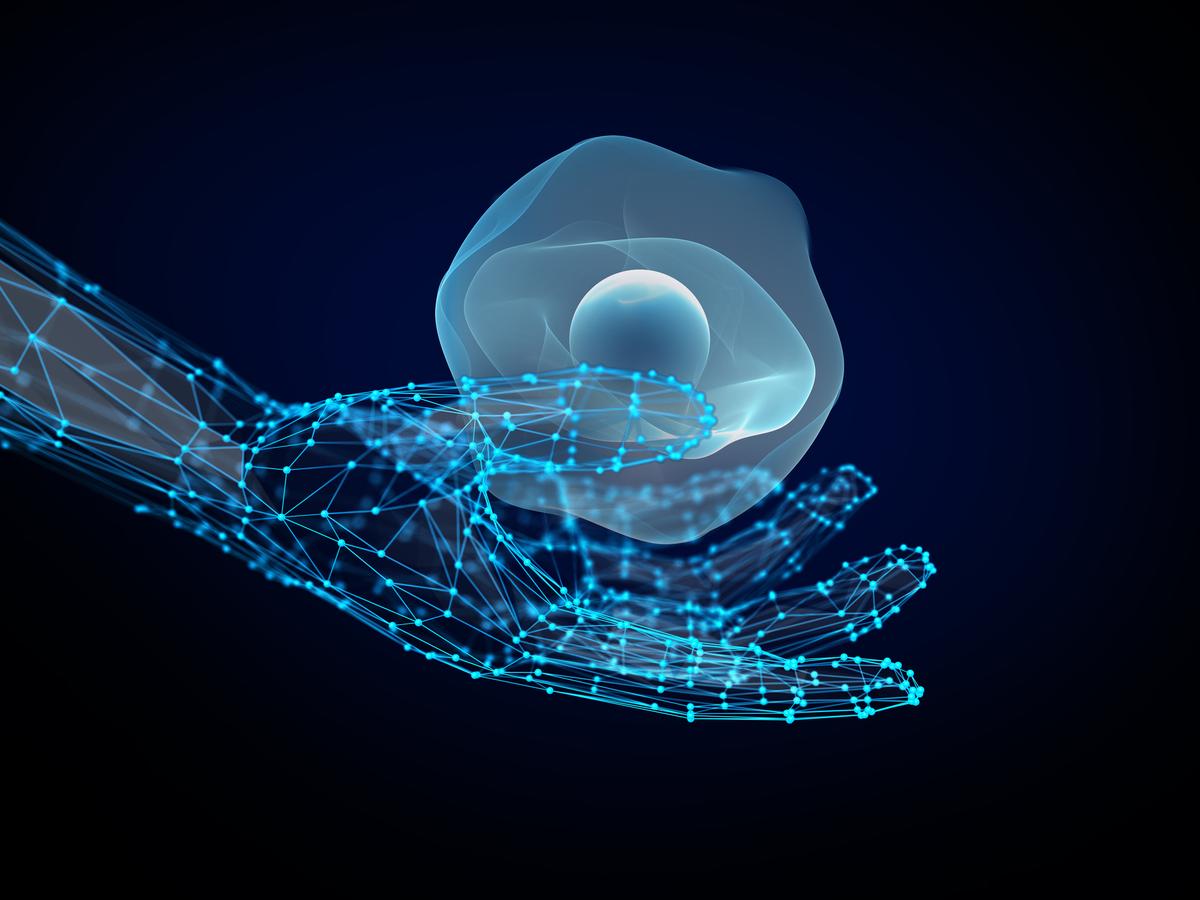
If AI Can Model Cells, Science Can Deliver Cures
Companies Mentioned

Why It Matters
Open, AI‑ready cell data could break the bottleneck in biomedical research, shortening drug‑discovery cycles and enabling precision therapies at scale.
Key Takeaways
- •Biohub launches Virtual Biology Initiative with $100M data generation fund
- •Partnerships include Allen Institute, Broad Institute, NVIDIA, and Wellcome Sanger
- •AI models could simulate entire cells, accelerating drug discovery
- •Open‑source cell atlases and imaging data underpin training of cellular AI
- •Goal: enable AI‑driven cures for cancer, neurodegeneration, metabolic disease
Pulse Analysis
Artificial intelligence has already proven its ability to design novel proteins, but the next frontier is modeling whole cells. By feeding AI systems with comprehensive, high‑resolution datasets—spanning single‑cell genomics, imaging, and cryo‑electron tomography—researchers can create digital twins of cellular behavior. This shift from isolated molecular studies to system‑level simulation promises to reveal hidden disease mechanisms and identify therapeutic targets that traditional lab work often misses.
The Virtual Biology Initiative leverages a coalition of leading institutes and industry partners to assemble the data infrastructure needed for such models. With a $100 million commitment for data generation and an additional $400 million for cutting‑edge microscopy, the program will expand existing resources like the Human Cell Atlas and the Billion Cells Project. Public‑access repositories ensure that startups, pharma, and academic labs alike can train and validate AI models, democratizing discovery and reducing reliance on proprietary datasets.
If successful, AI‑driven cell simulations could compress years of experimental work into weeks, slashing R&D costs and accelerating the pipeline from bench to bedside. This would have profound implications for investors, policymakers, and patients, ushering in an era where personalized, mechanism‑based therapies become the norm rather than the exception. The initiative’s collaborative, open‑source ethos also sets a new standard for scientific cooperation, positioning the United States as a leader in AI‑augmented biology.
If AI Can Model Cells, Science Can Deliver Cures
Comments
Want to join the conversation?
Loading comments...