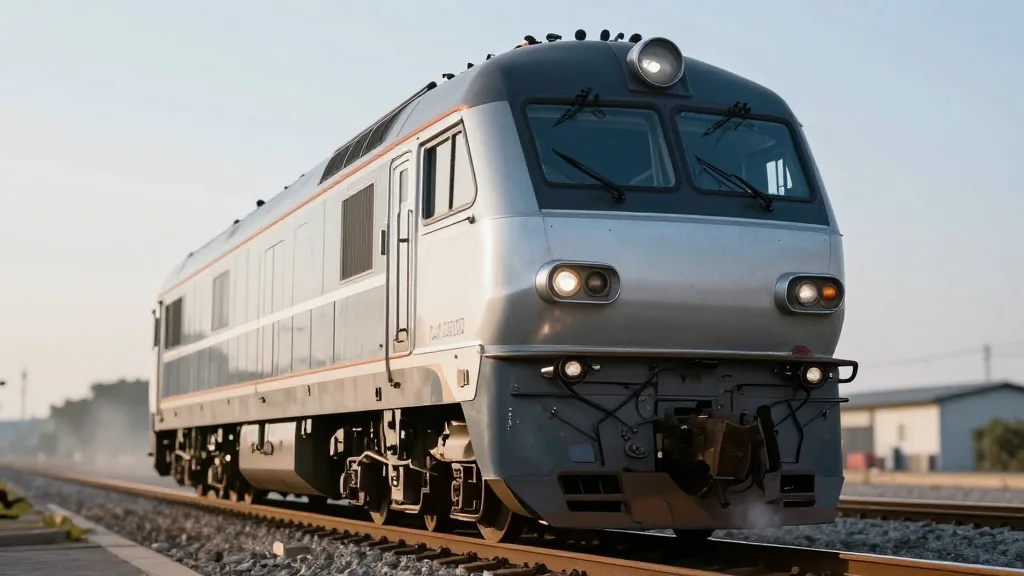
Norfolk Southern Q1 2026: COO Orr Flags Cost Discipline as Revenue Holds Steady

Companies Mentioned
Why It Matters
The Q1 results illustrate how a legacy rail carrier can sustain profitability in a volatile macro environment by tightening cost structures and leveraging technology. Norfolk Southern’s ability to generate $30 million in savings while fuel costs surged underscores the importance of operational efficiency for capital‑intensive transportation firms. Moreover, the modest revenue growth despite volume headwinds signals that demand for rail freight remains resilient, but the sector must navigate regulatory uncertainty surrounding the Union Pacific merger, which could reshape competitive dynamics in the eastern United States. For COOs across the logistics and transportation space, Orr’s emphasis on disciplined cost control and measurable productivity gains offers a template for balancing short‑term cost pressures with longer‑term strategic initiatives such as network partnerships and technology upgrades. The company’s focus on safety improvements also highlights how operational excellence can be a differentiator in an industry where service reliability directly impacts supply‑chain performance.
Key Takeaways
- •Revenue flat at $3.0 billion, up $5 million YoY
- •Adjusted operating ratio 68.7%, 80 bps higher than Q1 2025
- •Adjusted EPS $2.65, down 1% YoY
- •Cost savings of $30 million offset a $31 million fuel cost overrun
- •Union Pacific merger application to be re‑filed by end of April
Pulse Analysis
Norfolk Southern’s Q1 performance underscores a broader industry shift where rail operators are forced to extract efficiency gains from existing assets rather than rely on volume growth. The 6% reduction in train and engine crew base, coupled with a $30 million productivity boost, reflects a disciplined approach that many peers will likely emulate as fuel price volatility persists. Historically, railroads have leveraged scale to absorb cost shocks, but the current environment—marked by higher fuel per‑gallon prices and inflationary labor pressures—requires a more granular focus on operational levers.
The pending Union Pacific merger adds a strategic layer to the narrative. If approved, the combined network could deliver network synergies, higher asset utilization, and a stronger bargaining position with shippers. However, the merger also introduces integration risk and short‑term volume disruptions, as evidenced by the 4% intermodal decline linked to merger‑related losses. Orr’s comments suggest the company is preparing for a transitional period, using cost‑control measures to cushion any integration turbulence.
From a market perspective, Norfolk Southern’s ability to maintain a stable operating ratio while delivering safety improvements positions it favorably with investors seeking resilient, cash‑generating infrastructure assets. The reaffirmed cost guidance and targeted operating‑ratio improvement signal confidence in the company’s operational roadmap. Analysts will watch the Q2 results closely to gauge whether the 200‑basis‑point ratio improvement materializes, which could set a new performance benchmark for the sector and influence capital allocation decisions across the broader freight transportation landscape.
Norfolk Southern Q1 2026: COO Orr Flags Cost Discipline as Revenue Holds Steady
Comments
Want to join the conversation?
Loading comments...