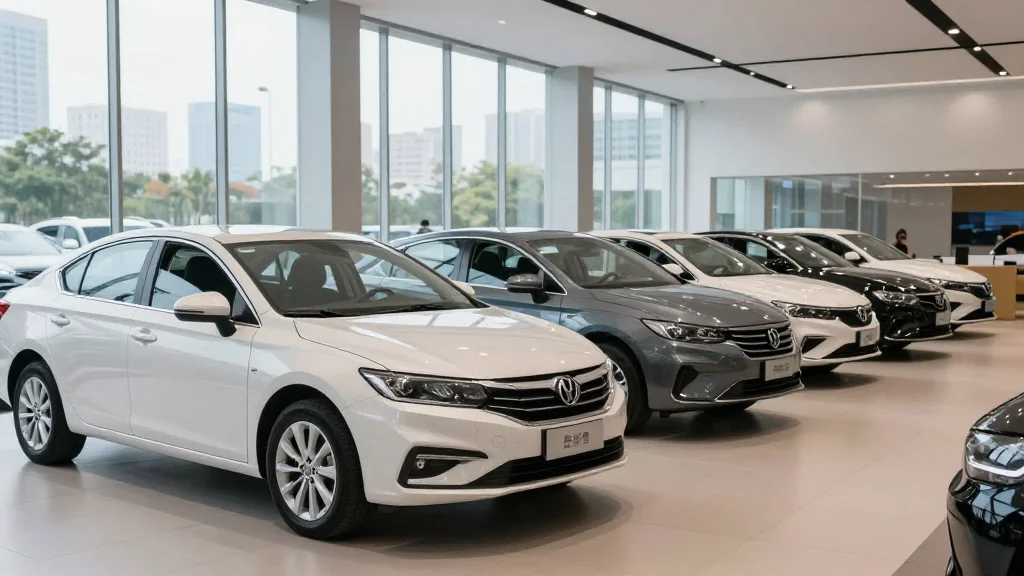
Uxin COO Jack Wang Highlights 142% YoY Retail Transaction Surge in Q1 2025

Companies Mentioned
Why It Matters
Uxin’s explosive Q1 growth signals a turning point for China’s fragmented used‑car market, where scale and operational efficiency have long been elusive. By proving that a low‑price, high‑volume model can coexist with profitable superstore operations, the company challenges incumbents that rely on higher‑priced inventory and limited physical presence. The strategy also illustrates how fintech‑enabled financing and insurance products can lift margins, a playbook that other regional players may emulate. Moreover, the firm’s reliance on external financing underscores the capital intensity of rapid inventory buildup in a market where cash flow remains tight. Investors will watch closely how Uxin balances growth with cash management, especially as Chinese regulators tighten oversight on leveraged expansions in the automotive sector.
Key Takeaways
- •Retail transaction volume hit 4,090 units in Q1 2025, up 142% YoY.
- •Average selling price fell to RMB 79,000 (≈ $11.1 M) from RMB 111,000 a year earlier.
- •Inventory turnover improved to 30 days, well below the industry average of 55‑60 days.
- •Uxin secured $7.5 million financing from DDI to fund inventory and store expansion.
- •Management targets >100% YoY sales growth and a 10% gross margin across its superstore network.
Pulse Analysis
Uxin’s Q1 performance illustrates the power of a disciplined, data‑driven sales engine in a market that has traditionally been dominated by fragmented dealers. The company’s pivot to a lower‑priced inventory mix aligns with broader consumer sentiment in China, where rising new‑car prices have pushed buyers toward used vehicles. By coupling this mix with a robust offline superstore network, Uxin captures the high‑touch experience Chinese consumers still demand, while leveraging economies of scale to keep costs low.
The financing arrangement with DDI is a double‑edged sword. On one hand, it provides the liquidity needed to stock a broader selection of vehicles, essential for sustaining the volume surge. On the other, it adds debt pressure that could become a liability if market dynamics shift—particularly if new‑car pricing rebounds and erodes the price advantage that currently fuels used‑car demand. The company’s ability to quickly bring new superstores to breakeven (within nine months) will be a critical metric for investors assessing the sustainability of its growth model.
Finally, Uxin’s emphasis on value‑added services—financing, insurance, extended warranties—mirrors a global trend where automotive retailers seek to diversify revenue beyond the vehicle sale. If the firm can scale these services profitably, it will not only improve margins but also create a sticky customer base, reducing churn in a highly competitive market. The upcoming Q2 results will be the first real test of whether the sales‑strategy overhaul can translate into consistent profitability and whether the company can maintain its aggressive expansion without overleveraging.
Uxin COO Jack Wang Highlights 142% YoY Retail Transaction Surge in Q1 2025
Comments
Want to join the conversation?
Loading comments...