
Define Zone 2; Balance Intensity with Volume over Time
Here's what I think... Interesting paper and I agree with several of its conclusions, especially the failure to properly define "zone 2" i.e. when I have conversations with people around "zone 2" we're often using different definitions/ talking about different intensities. That said, a few counterpoints on the general arguments against low-intensity training: • It largely evaluates L.I.T. as an isolated intervention rather than as part of a complete training system. I don't think many advocates are suggesting that's the *only* training that you should do. • Most of the evidence cited is acute (signaling studies) or relatively short-term (weeks to months), whereas endurance adaptations are accumulated over years. This is the big one. What works for high levels of fitness/performance long-term? And the real-world evidence here is clear. • It focuses heavily on intensity while underweighting the importance of volume, consistency and long-term training load. • Many comparisons equalize training time or volume, effectively removing the primary advantage of Zone 2: the ability to tolerate and accumulate more work. • Acute increases in AMPK, PGC-1α, etc. do not necessarily predict superior long-term adaptations. Studies looking at actual changes in mitochondrial content generally support low-intensity training. • The paper acknowledges that relatively few studies have actually examined true "Zone 2" training directly. So, it's really hard to have a worthwhile discussion/argument around it when it hasn't been properly defined. • It relies heavily on VO₂max as the primary outcome, while underemphasizing durability, fatigue resistance, metabolic flexibility and the ability to sustain high energy throughput. • The "general population" is treated as a fairly homogeneous group, despite major differences between sedentary individuals, recreational exercisers and trained athletes. • The question "Is Zone 2 the optimal intensity?" may be the wrong question. The more relevant question is: "What role does low-intensity training play within an optimal long-term training program?" My view remains that L.I.T. isn't valuable because it's magical. It's valuable because it provides a very high adaptation-to-recovery-cost ratio, allowing athletes to train more consistently, for longer, over many years.... And that's how you get fit in the real world.

Athlete Nutrition Evolved: From Carb Overload to Metabolic Balance
When it comes to fat/carbs, we should learn from history... 1970's-80's: *All* athletes should eat high carb if they want to be successful. 1990's: Recreational endurance sport ("Fun runs" etc.) takes off. Lots of low-moderate volume athletes eating in the same way...
Moderate Exercise Lowers Cortisol, Boosts Metabolic Health
This is important. He's almost entirely wrong, but not quite. Cortisol release is intensity-dependent. While work >~60% VO2max increases cortisol, work <50-60% VO2max decreases cortisol below baseline levels. That is, it's a de-stressor that stabilizes your metabolism. In other words, the metabolic health of...
Recovery Strategies Boost Performance and Make Life Enjoyable
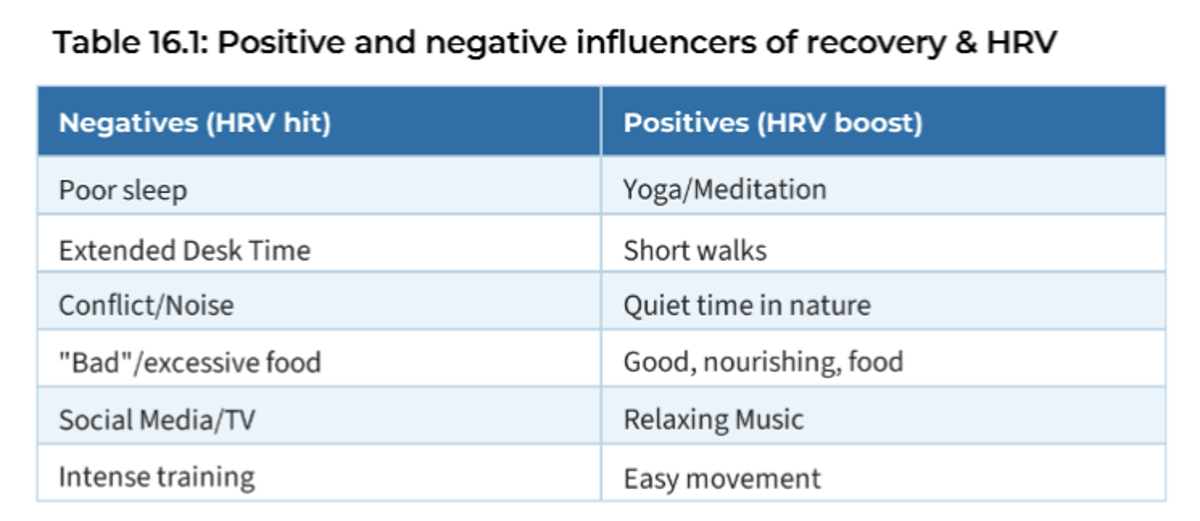
Your regular reminder that the recovery strategies that best promote adaptation to training and improve athletic performance… …are also just a really enjoyable way to live. https://t.co/xR6P5swLsQ
Subjective Feelings Outrank Wearable Data for Workout Readiness
And... The top 4 predictors of workout readiness in my athlete database aren’t the fancy metrics. They’re the simple subjective ones. 1/ Mood 2/ Stress 3/ Soreness 4/ Fatigue Only then do the objective metrics show up: 5/ Resting HR 6/ HRV 7/ TSB 8/ CTL The athlete’s perception of their body...

Preserve Top-End Power to Sustain Training Gains
Topic of the day on the #MADcrew forum: The relationship between "top-end" power and training response. One of the biggest red flags in endurance development? When the athlete loses too much “top-end reserve” too early, training response often starts to flatten. The anaerobic...
Make Consistency So Easy, Intensity Becomes Irrelevant
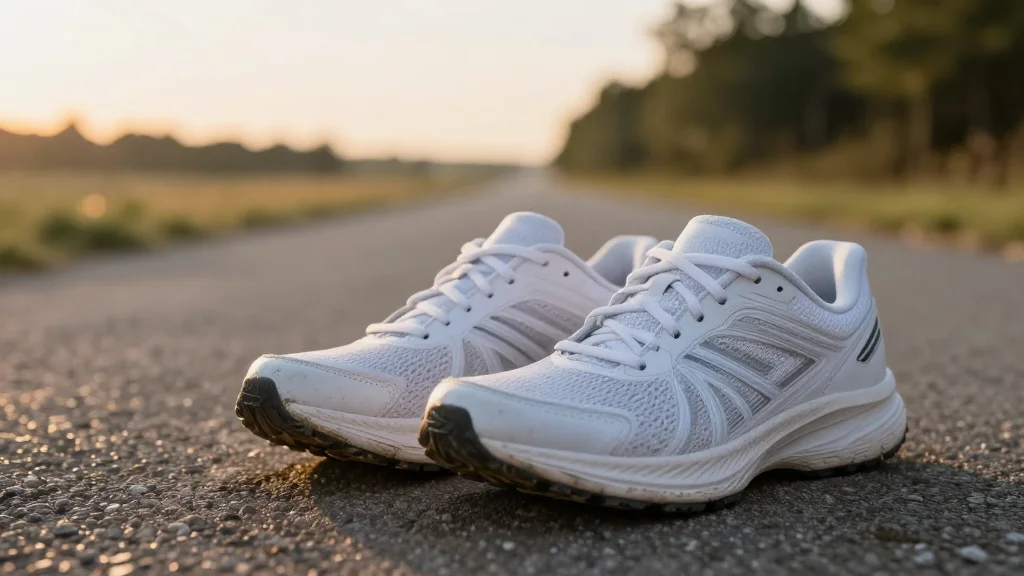
The biggest lever isn't workout intensity. It's building a life that makes consistency boringly easy. Same routes. Same time of day. Same low ego pace. Do that for a few years and "fitness hacks" start looking very silly.

Run Cooler, Train Harder: Heat Hinders Performance
The time of day that you run is physiologically important ⏰ When you run in the hot part of the day... 1/ Your stroke volume decreases (less blood volume available to fill the heart) leading to less cardiac remodeling. 2/ Your pace for...
Build Aerobic Volume Early for Healthy 70s
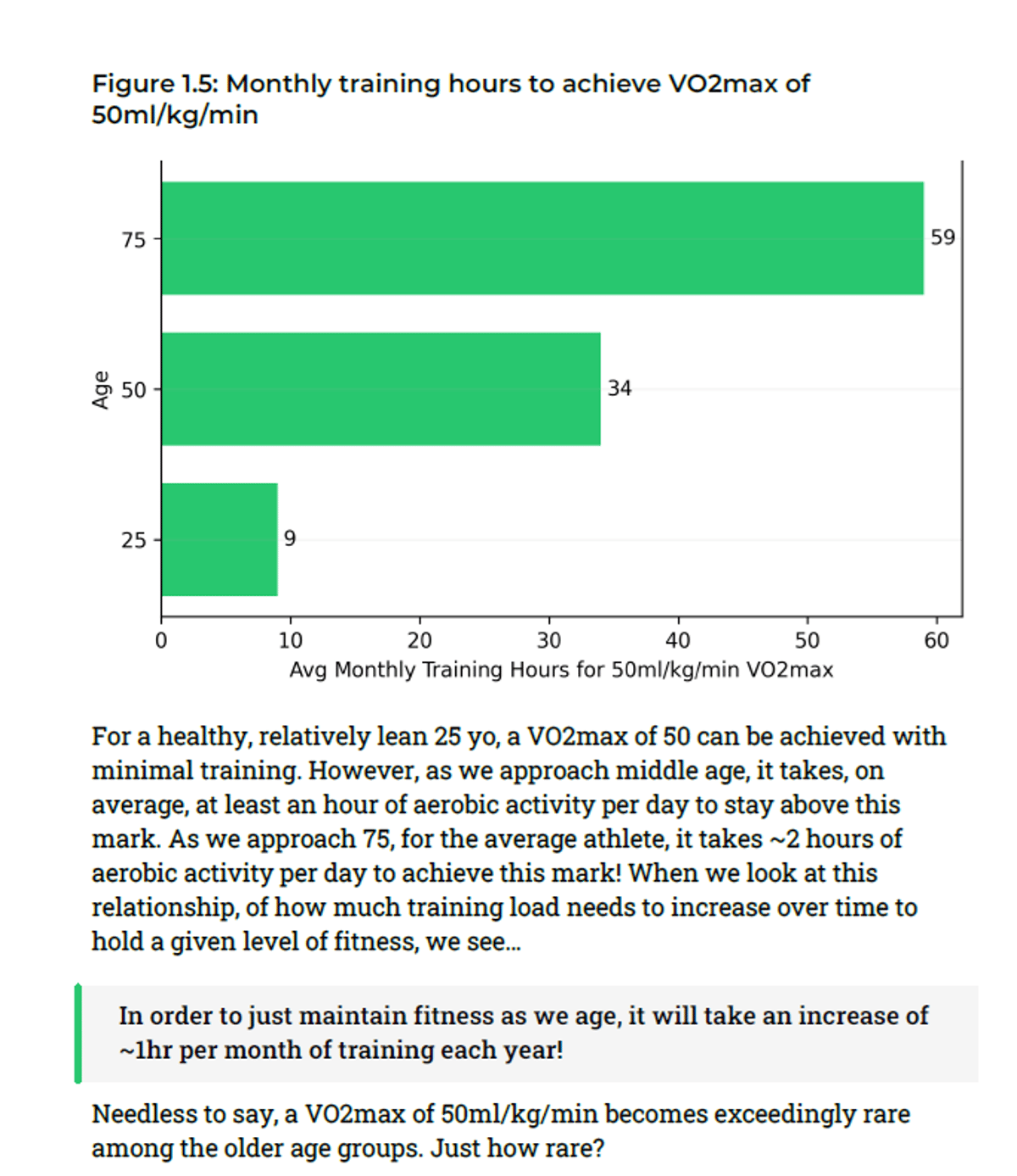
The most important chapter in my book - that's why it's chapter 1... If you want to be in top shape in your 70's, you need to keep slowly, consistently, persistently building that year-on-year aerobic volume. #PaceYourself https://t.co/RnocViocPZ https://t.co/yIvPlR8Rnw
Lactate and Heart‑Rate Adaptations Often Decouple with Training
The Oracles have deemed it worthy... 🤖😊👇 ########### Short answer — they often decouple. Peripheral (lactate) and central (HR) responses don’t always shift in lock‑step: with the kind of aerobic mileage you describe you’ll usually see the lactate curve shift right (you...

Personal AI Turns Past Writing Into Evolving Ideas
I'm basically half-man / half-bot at this point 🤖 And honestly? Best move I ever made. Every time someone asks me a question, I run it through a little Python script. That script searches a database containing everything I've ever written: - Forum posts -...
All the Tech, but the Answer: Move More
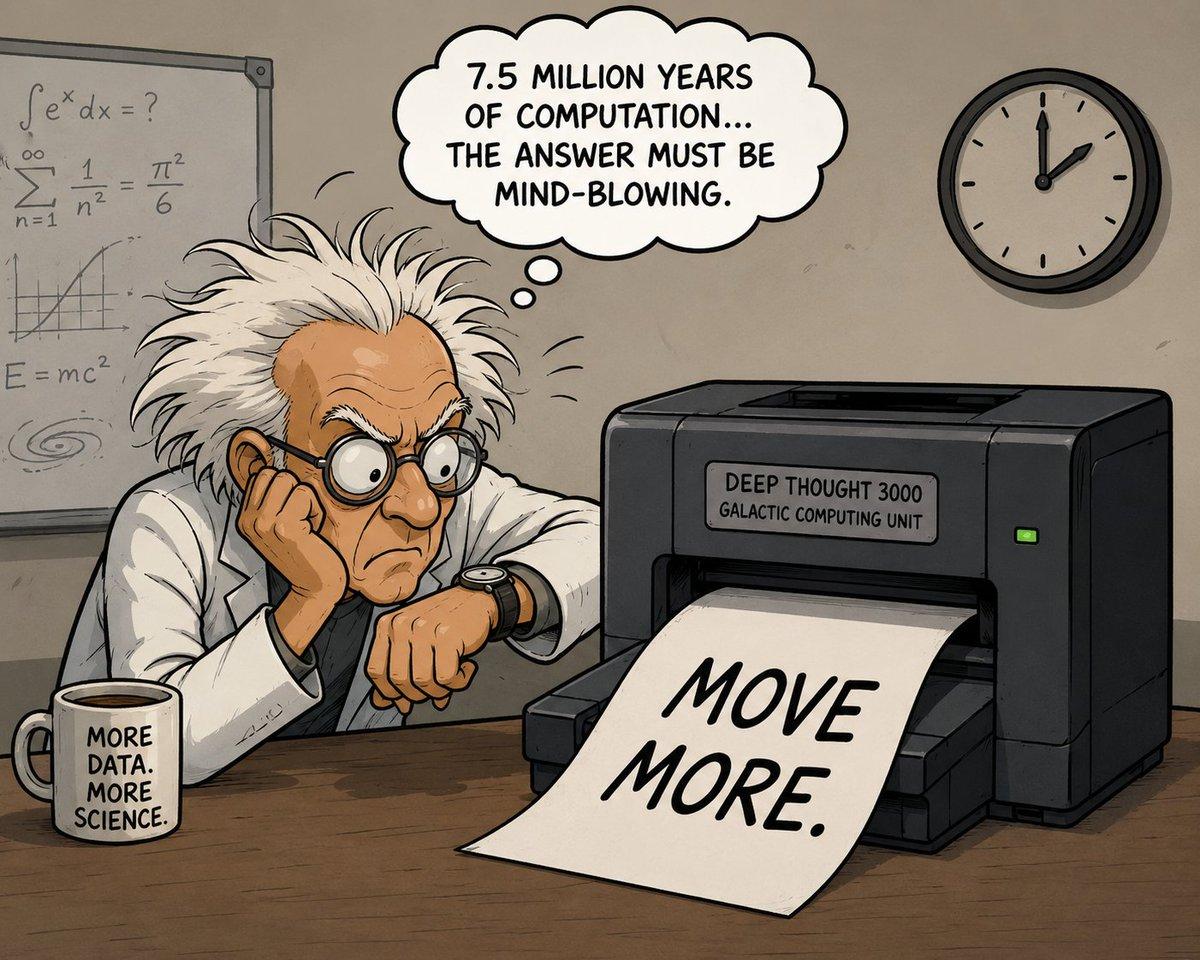
We’re moving towards a Hitchhiker’s Guide to the Galaxy moment in health and fitness tech: AI models. Wearables. Continuous glucose. HRV. Lactate. Sleep tracking. Readiness scores. Infinite computation searching for *the answer*. Only for Deep Thought to finally reply... “Move more.”
Match Load to Fitness: Avoid Over‑Aggressive Ramping
The key question is always... Are you getting the fitness you "deserve" on that kind of ramp? For example, at Devon's CTL of 120, we should be expecting fitness benchmarks approaching Kona Qualifier levels of fitness. When load & fitness benchmarks don't line...
High Fatigue, Low HRV, Stress Cut Training Gains
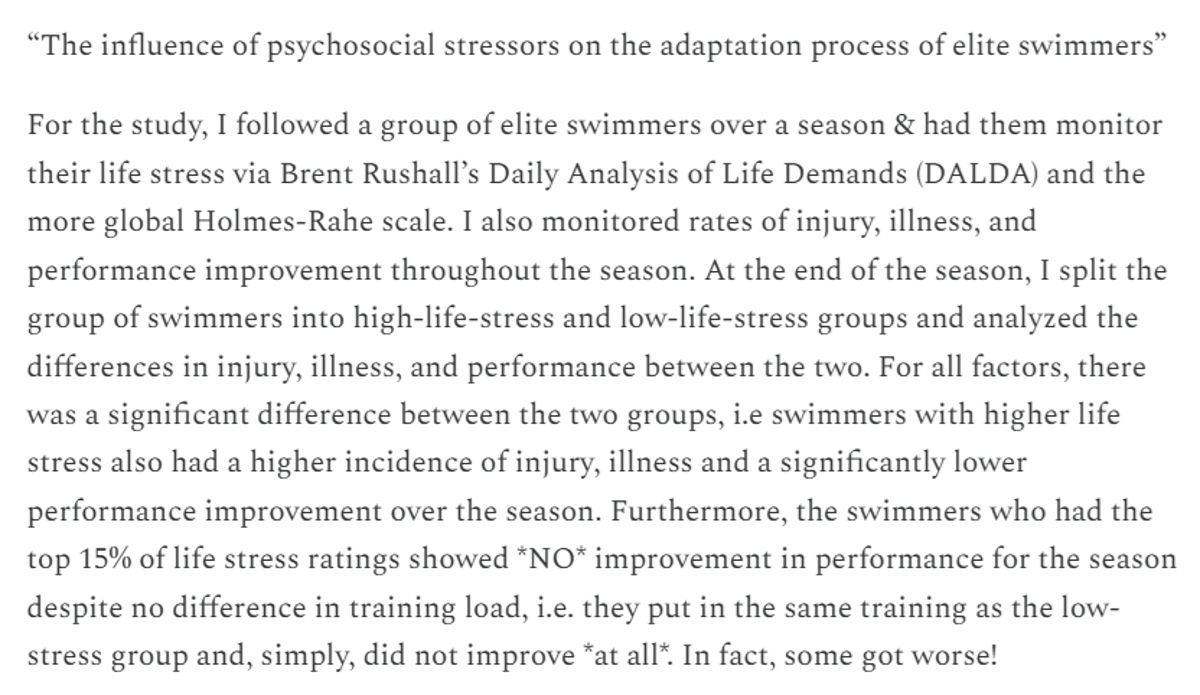
Great question. We looked at the numbers on this in the #MADcrew forum. Here's what we came up with when it comes to the factors associated with poor training response... 1. Training Load (CTL): Athletes training at elite loads have ~50% of the...

Finish Strong: Power Through the Hardest Phase
Late base is the hardest part of the entire build. It's like mile 17-20 of the marathon. You're tired, the legs are no longer fresh, the finish line excitement is still a ways ahead & the start line excitement is long gone. Those...