
Energy Deficit Undermines Training; Schedule Regular Anabolic Resets
When you train a lot, energy availability becomes the limiter. Not just chronically (RED-S)… but acutely. Day to day. Periods where you’re under-fueled = periods where your body is tearing down rather than building up. Over a season, these add up. That’s why you need regular “anabolic resets” - deliberate periods of lifting coupled with a sustained energy surplus.

Endurance Success Depends on Monthly Training Load
For serious endurance athletes, the key loading unit isn’t the training session... It’s the training *month*

Plans Fail, Planning Wins: Athletes Need Structured Roadmaps
Most athletes don’t fail because they lack motivation. They fail because they lack a plan. If there's one thing experience has taught me... A season plan never gets completed 100% as written. But having one always gets you a lot closer than winging it! As...
VO₂max Intervals Boost Running Economy, Not Max Capacity
“VO₂max intervals” don’t really change VO₂max in sharpening. They change something far more useful: Economy - at all paces. Stop chasing effort. Start chasing efficiency.

Mind Craves Complexity; Body Prefers Simple Routine
Your brain wants complex. Your body craves simple. Your brain wants variety. Your body thrives on routine.
Just 10 Minutes of Brisk Walking Boosts Health
I'm still seeing a lot of people who don't understand what this paper is saying, so a quick summary... What this paper is not saying: The harder you train, the lower your risk of major disease/death. What this paper is saying: Adding a small...

Run Slow, Build Mileage: Speed Limits Endurance
I wish I could claim originality here, but one of the greatest coaches of all time had similar thoughts many years ago.. "It is important to realize this point; that it is not the distance that will stop you in training as...

Excessive Intensity Harms Performance; Choose a Balanced Approach
"Why are you 'the intensity police'?" 👮♂️ Because I've seen (and experienced first-hand) the negative performance and health impact of too much intensity in your routine. I saw numerous swimmers get burned out & overtrained (some got very sick) purely from pushing...
Fitness Demands Time: Accept It, Improve Faster
There’s a cost to everything. For fitness, the cost is time. The sooner you accept that, the sooner you actually improve.
Boost VO2max by Increasing Weekly Mileage
"So, coach, how do I get a really high VO2max?" Actually no one asks me that, but they do say things like... "Coach, how do I run a really fast 5K?" And, for all intents and purposes, they're the same question. My first &...

Non‑GOFAI Best Serves as Rapid GOFAI Prototyping
It's becoming readily apparent that the best use of non-GOFAI is to build and quickly iterate on GOFAI.

Coaches Must Tailor Strategies to Individual Athletes
Athletes come in all shapes and forms. One athlete’s elixir is another athlete’s poison. The coach’s job? Know which is which. https://t.co/Qt4hMfDvJz
We Need Real Endurance Coaches, Not Influencer Myths
This is why we need more endurance coaches (who know how VO2max is actually improved) and less "fitness influencers" around these parts 🤦♂️
Strides: Keep Heart Rate Low, Prioritize Cadence
Strides, when done correctly, shouldn't be long enough (or fast enough) to significantly elevate your heart rate. Shoot for... - Set cadence first - Progressively lengthen stride over ~10-15s - Gradually build to ~5k pace or a little quicker - Once you hit that pace,...

Six Months at 75% MHR Boosts Fitness and Speed
Related to another post from yesterday... Most athletes could afford to spend at least 6 months of every year capped at 75% MHR. You won't do that, because you'll get bored and distracted (probably by something you read here) But you'd be a...

High‑intensity Training Belongs Later; Adaptations Differ in Timing
"Why don't we do high-intensity early in the build?" Because high-intensity and low-intensity adaptations operate over different timeframes... https://t.co/UUH1ANwGG7

Cap Your Heart Rate at 70‑75% for Breakthrough Gains
One of the simplest things you can do to set up a breakthrough season: Set a heart rate cap at AeT (~70-75%) & keep *every session* below it for the first few months of your build. Most watches will have a heart...
Zone 2 Isn't Base Work—Treat It As High‑Intensity
In my opinion, Zone 2 is actually high-intensity training. Shouldn't be the majority of your base work. Use cautiously.

Match Athlete Speed to Zones, Ditch Mileage Metrics
If you know your athletes, and you know how fast they should be going in each zone, they are one and the same.
Every Mile Counts: No Such Thing as Junk Miles
When it comes to your base work, there's no such thing as "junk miles" There's just miles that you did and miles that you made excuses about.

Elevated CAC: A Crucial Risk for Endurance Athletes
Fantastic thread on the ⬆️ CAC commonly found in endurance athletes. 🫀 IMHO, this is key 👇
Coaches Can Finally Personalize Training Beyond Elite Athletes
Like most coaches... Poorly. I had a squad template season plan that was based on what I had seen and what seemed to work for me. Then I would adjust it up or down depending on how tired the athletes looked...
Health Isn’t Survival; Low‑carb Stress Is Unnecessary
"Survival" & health are not the same either. Survival processes are unnecessarily stressful. I really don't get the extreme low carb thing. If you know your body is going to make glucose anyway (because it needs glucose to function), why not just...

Data Reveals Individualized Sharpening Benefits for Athletes
For example... Step into my brain, but please remove your shoes... How do I go about deciding when/if to begin sharpening an athlete prior to their A Race? I run a mixed effects model (comparing to population norms) to determine the relative performance...
Master Timing, Not Just Load, for Peak Adaptation
Two things drive adaptation: The load… and the timing of the load. Most athletes obsess over the first. The best athletes master the second.

Avoid Sex and Leg‑draining Feats Before Competition
General conclusions: - Sex is not great as a pre-game warm-up (ideally finish 10hrs+ before) - Avoid any feats of prowess that make your legs go weak within 24 hours of competition. Other than that... https://t.co/e5olqnJMvd

Stay Moderate: Avoid Excess, Keep Some Reserve
Big v Small for longevity. Small - Most serious problems are metabolic in nature. You'll avoid them by not spending too much time in an energy surplus, i.e. not being too big. But... If shit does go bad - you do have that...

Endurance Athletes Reveal Divergent Physiological Engines
My latest post on the #MADcrew forum: Two athletes. Both training for endurance events. But with completely different engines. Here’s what the #PerformanceModeling data says about how @JohnGoldman and @inaki_delaparra actually work… https://t.co/oCTDk9EAjt

Constant Load Boosts Predictability, Fuels Champion Performance
Exactly. Everyone talks about tapering the load for performance. Few talk about tapering the load for stability. At a constant load, Fatigue plateaus much quicker than fitness (half-life of ~7 days) This means, if you hold the load constant, you don't just get faster...
Increase Volume First, Add Intensity Later—Never Both Simultaneously
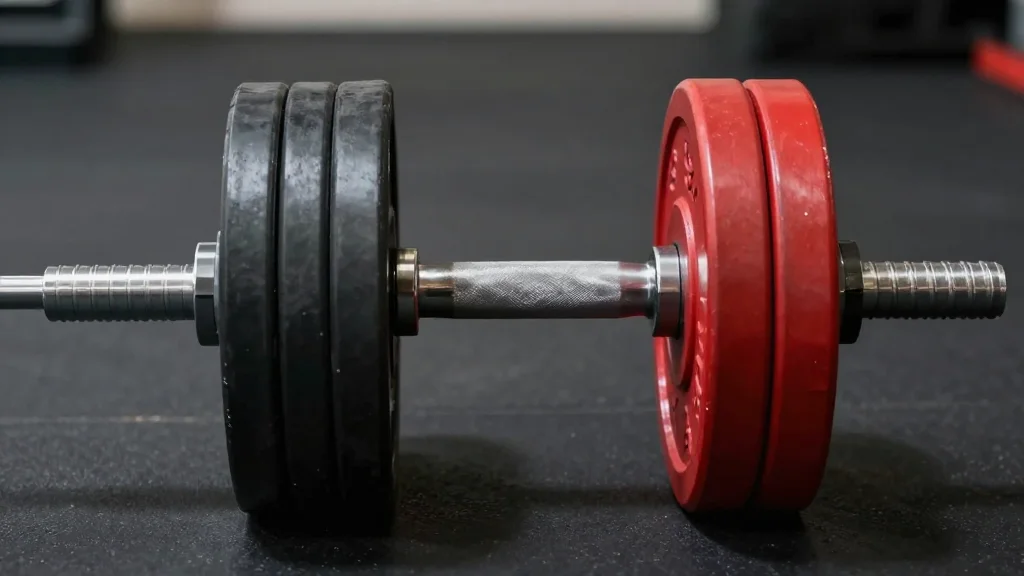
Most athletes ruin their season the same way: They increase volume AND intensity at the same time. Rule #1 of season planning: Pick one. Volume first. Intensity later. And “later” is usually much later than your ego thinks.

Race‑pace Simulation Reveals True Distance Readiness
How to know you're "ready" for a specific distance: Complete a ~2/3 (Metric) simulation at race-pace as a regular training session with... - Minimal decoupling between pace/HR - No extended recovery needs beyond that of a regular loading day. For a marathon, I think...

Early Season Surge: Pace Yourself Like an Ironman
March is when athletes start blowing up their seasons. The sun comes out. 🌞 Motivation spikes. 🚀 Volume jumps up. 📈 But the season is a lot like an Ironman bike: These are just the opening miles. Be strong when it matters. Pace yourself.
Marathons Unhealthy Only When Poorly Prepared or Mis‑paced
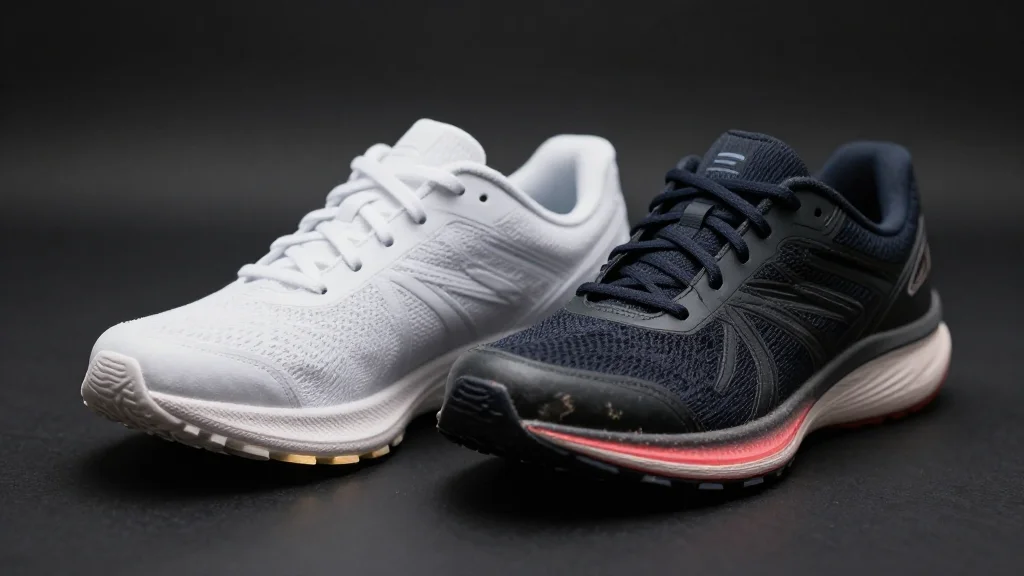
Two things that make marathons unhealthy IMO: 1. Inadequate preparation. 2. Inappropriate pacing (for your fitness). Both are very common, but that doesn't make running a marathon inherently unhealthy.

Training Load Predicts VO2max, Aerobic Gains Ahead
A little #ProjectUnreasonable predictive modeling this morning - Training Load + Time In Zone vs predicted VO2max. Still a whole lot of pretty aerobic colors ahead for @JohnGoldman https://t.co/noj8ztob5u

Heart‑rate Recovery Outperforms VO₂max for Metabolic Health
Everyone obsesses over VO₂max. But this paper found heart rate recovery to be more strongly tied with metabolic health metabolites than VO₂max. Peak capacity is nice. But how well you recover after a hard effort may tell us more about your metabolic health.
Double Your Weekly Training to 12 Hours Total
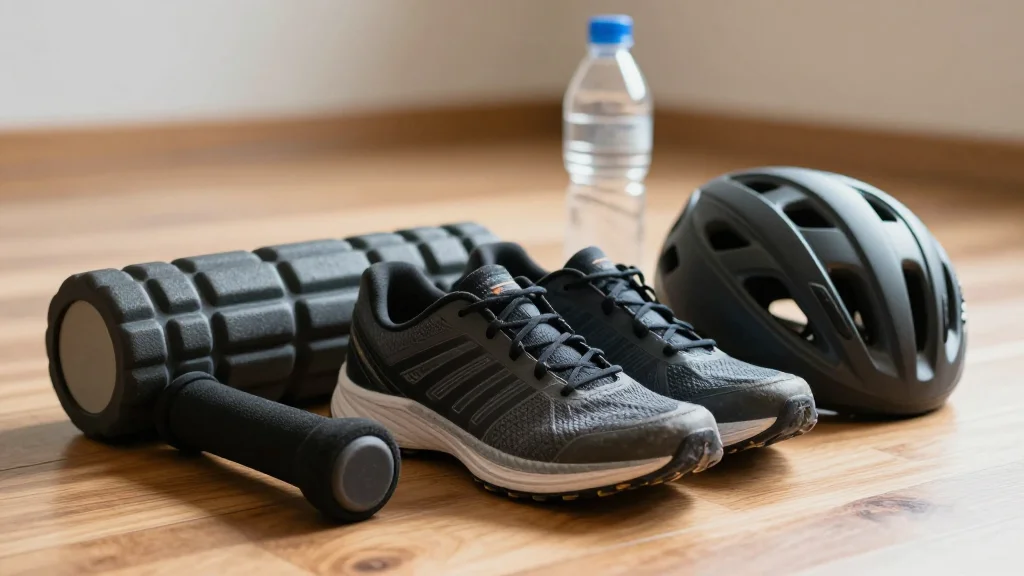
This is very good advice. Especially the "you're prepared to train 6-8 hrs/wk" part. Personally, I would double it... 6hrs run + 6hrs cross-train But I am aware I have particular biases 😊
Recovery, Not Stress, Drives Fitness Gains
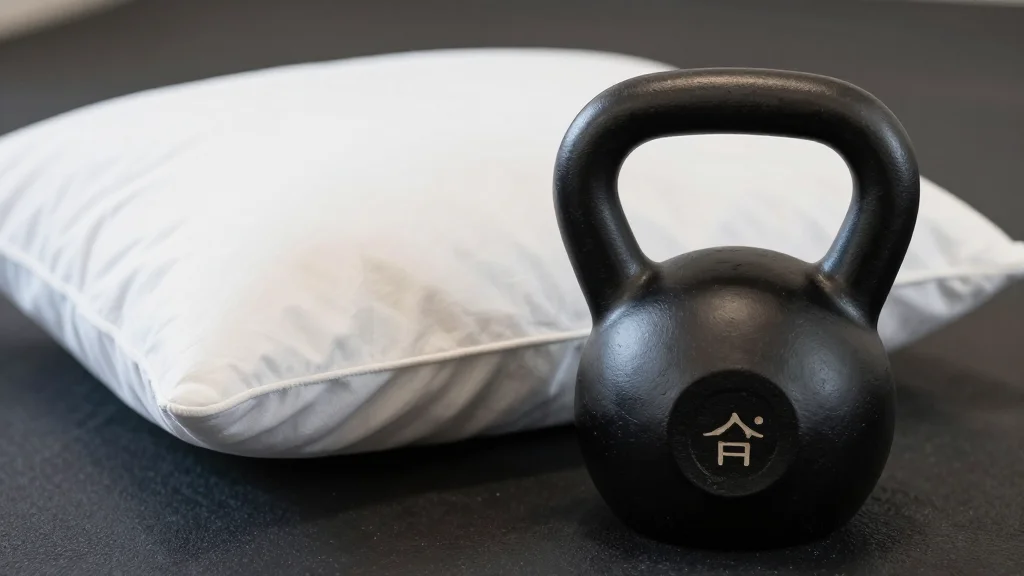
This is common sense. You don't get healthier/fitter from the exercise stressor. You get healthier/fitter from the supercompensation effect of the body during *recovery*. No recovery. No fitness. You need both.
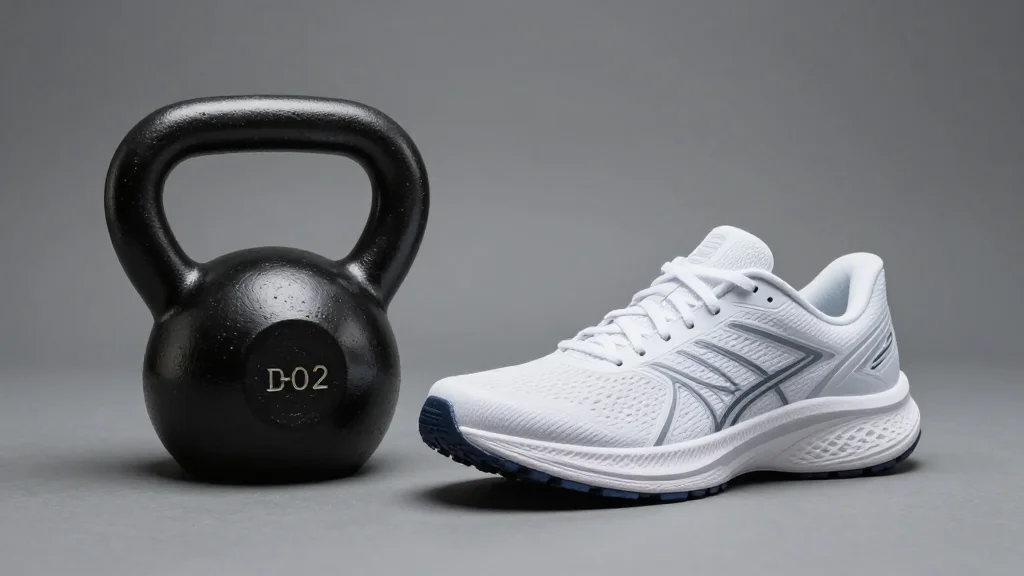
Balancing Muscle Reserves and VO2max in Aging
In my view, the competing forces when it comes to health/longevity... 1/ Having sufficient reserves (both energy and muscle) so that you're not frail. 2/ Having very strong aerobic/metabolic fitness. These start to go against each other as you age. For example, for an...
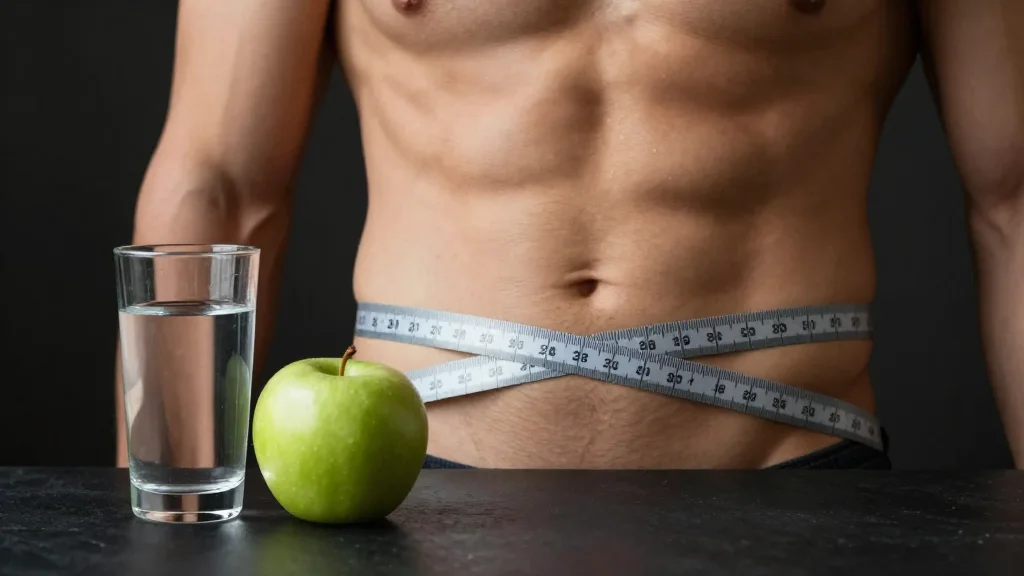
15% Body Fat: Optimal, Not Normal, Achieve via Deficit
On 15% BF... A lot of talk on whether 15% BF (for men) is "normal" at the moment. Statistically... No, not normal. Yes, optimal. The 10-step process to getting there... Step 1/ A 250-500 kcal deficit each day. Steps 2 - 10/ See step 1. Things...

Make Your Workouts Feel Like Cozy Slippers
Remember these? Your training routine should feel like a cozy pair of slippers. If it feels like this instead, you're heading for trouble. https://t.co/EBtKidZqog
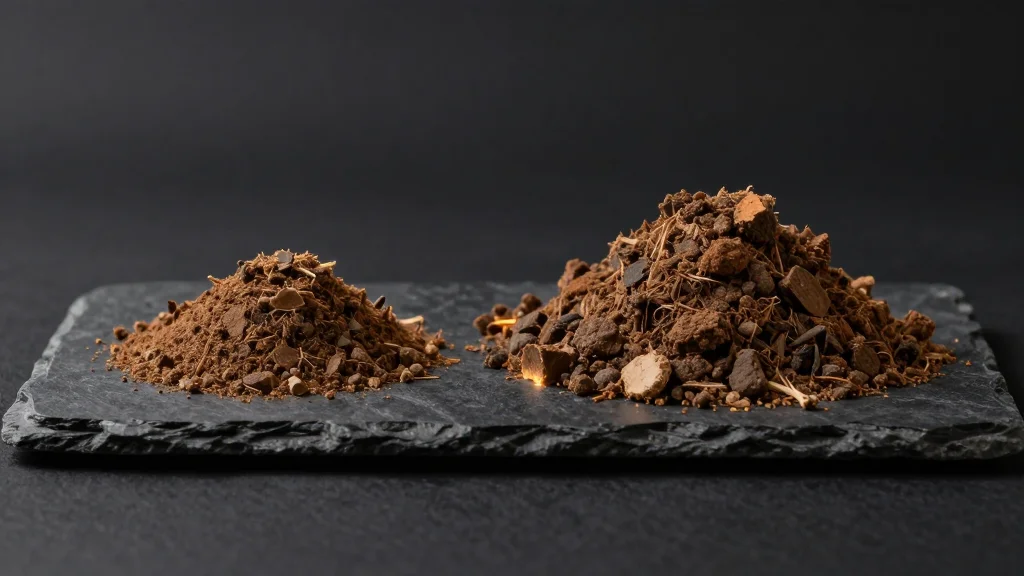
Hunter‑gatherers Produced Four‑to‑five Times More Poop
Did you know... That the daily 💩 weight of an average hunter-gatherer was ~4-5x the daily 💩 weight of a modern human? #FixYourFiber