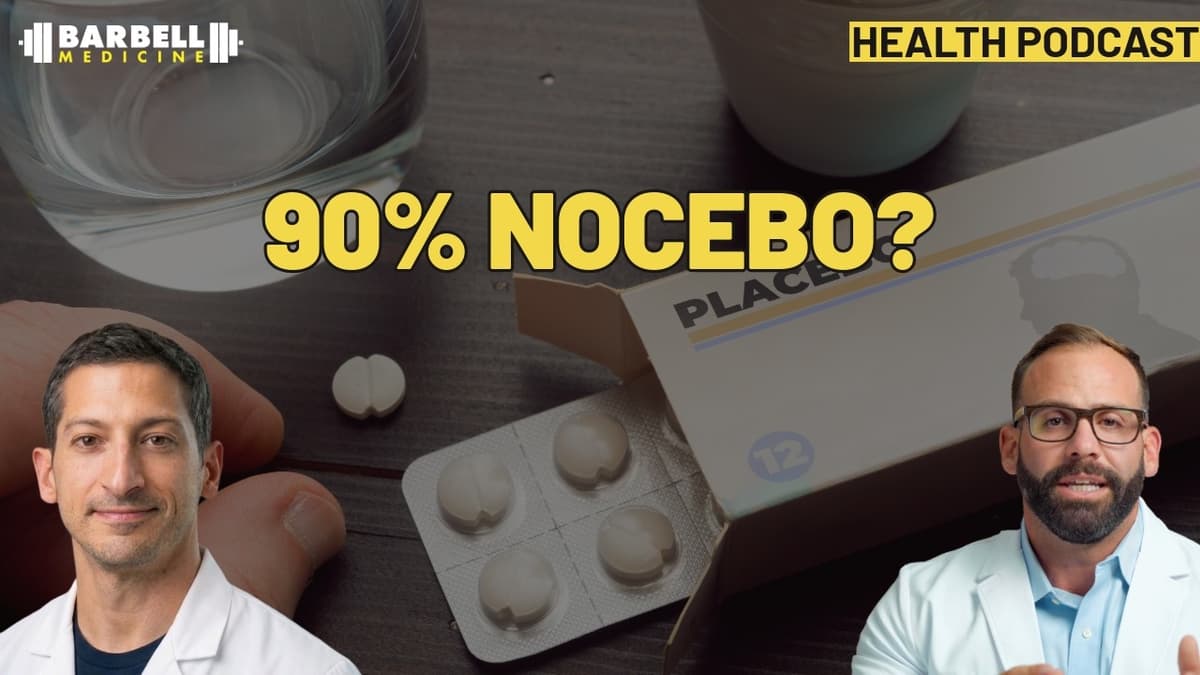
90% of Statin Side Effects Happened on Placebo Too
Statins remain cornerstone lipid‑lowering therapy, but patient‑reported muscle complaints often exceed true pharmacologic toxicity. The video dissects why many side effects stem from expectation rather than the drug itself. Biochemical changes such as modest CoQ10 reduction occur in most users, yet only a subset—those with specific genetic variants, older age, female sex, kidney disease, thyroid issues, drug interactions, or intense exercise—cross the threshold into clinical myopathy. Controlled trials like ASCOT and the SAMSON crossover study reveal that muscle pain rates are virtually identical on statin and placebo, with a dramatic rise only after patients know they are taking the drug. A striking quote from SAMSON notes, “about 90% of the symptom burden people attributed to statins occurred equally when they were taking the placebo.” The discussion also clarifies terminology: myalgia (pain without CK rise), myositis (pain with CK elevation), myopathy (broad spectrum), and rhabdomyolysis (severe CK surge). Objective myopathy rates sit at 1‑5%, severe rhabdomyolysis under 0.1%. Clinicians should frame risk communication to mitigate nocebo effects, favor low‑dose statin‑ezetimibe regimens, and stay alert to emerging alternatives like affordable oral PCSK9 inhibitors. Proper counseling can preserve adherence and the cardiovascular benefits of statins.
Is the 1% Per Year Testosterone Decline Actually Real?
The video scrutinizes the widely cited claim that men’s testosterone levels fall about 1% each year, asking whether the trend is real or exaggerated. Original cohort studies—Massachusetts Male Aging Study, plus Finnish and Israeli data—showed 15‑20% lower levels in younger birth...
Soreness Vs. Something Else
The video discusses how clinicians can tell whether post‑exercise soreness is a normal training response or a sign of a deeper problem. The speaker emphasizes taking a detailed history of the patient’s baseline fitness, recent activity changes, and the magnitude of...
Six Theories for What Causes Overtraining Syndrome
The video dissects six prevailing biological theories behind overtraining syndrome, emphasizing that none fully explain the condition. It frames the syndrome as a mismatch between total life stress load and an individual’s recovery capacity, rather than a single pathological pathway. Each...
Do Testosterone Boosters Actually Work?
The video scrutinizes the efficacy and safety of over‑the‑counter testosterone boosters, featuring a physician who blends research findings with real‑world clinical anecdotes. A 2018 JAMA analysis revealed that 62% of these supplements have no published data supporting their claims, while 10%...

Statins and Strength: What the STOMP Trial Found
The video examines the STOMP trial, which evaluated whether high‑dose atorvastatin impairs resistance‑training adaptations. Researchers randomized 420 statin‑naïve adults to 80 mg atorvastatin or placebo for six months while they followed a standardized strength program. Results showed no significant difference in muscle...
His Testosterone Came Back at 240. Here's What Happened Next.
The Barbell Medicine podcast opens with a cautionary case study from the forthcoming book *Signal*: a 45‑year‑old architectural partner named Mark experiences a dramatic drop in focus, energy, and marital stability, prompting a wellness clinic to test his hormone panel....
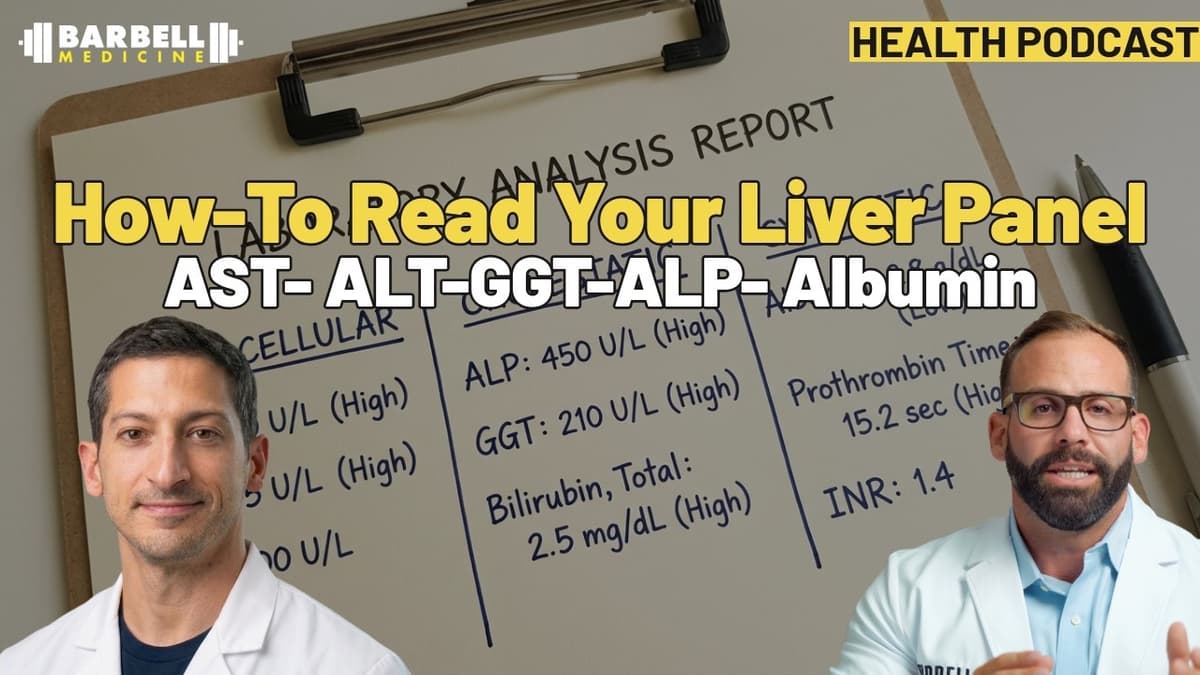
How to Read a Liver Panel And Build a Differential Diagnosis From It
The video walks clinicians through a systematic read‑out of a standard liver panel, emphasizing how to separate hepatocellular injury markers (ALT, AST) from cholestatic indicators (alkaline phosphatase, bilirubin) and synthetic function tests (albumin, INR). By framing each group of labs...
Your Fracture “Cleared” On X-Ray. Should You Train? The Research Answer. | Barbell Medicine
The video addresses a common question: after a fracture is cleared on X‑ray, should the patient resume training? Dr. Austin explains that bone healing proceeds through an early inflammatory stage, a soft‑callus phase, a hard‑callus phase, and a prolonged remodeling...
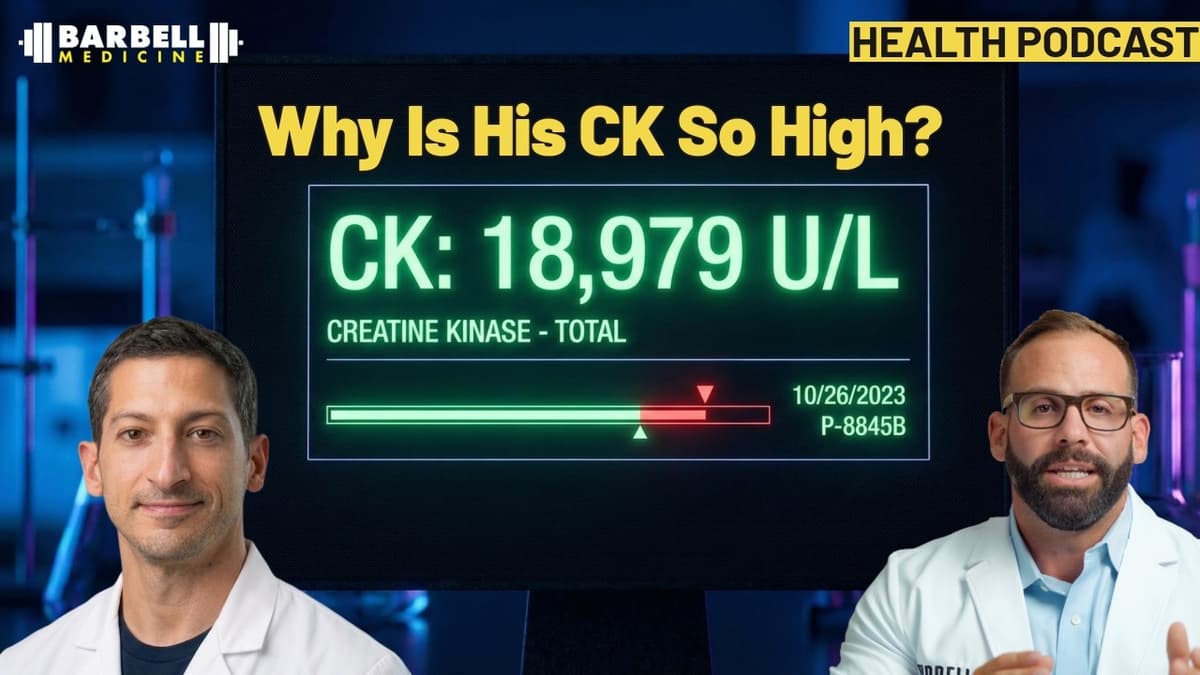
A Man Starts Training and Ends Up in the ER
The Barbell Medicine podcast examined a 43‑year‑old man with obesity, hypertension and mixed hyperlipidemia who began a home‑based strength program and, within two weeks, experienced progressive weakness and fatigue. He was on a beta‑blocker, a statin (atorvastatin 20 mg) and a...
Three Reasons You’re Not Getting Stronger (It’s Not Overtraining)
The video argues that most lifters who think they are overtrained are actually experiencing a plateau caused by three correctable issues, not a rare true overtraining syndrome. First, a programming‑test mismatch occurs when the training routine does not target the metric...

How Good Are Early Cancer Detection Tests?
The video examines the clinical performance of a widely promoted early‑cancer detection blood test, focusing on its ability to identify malignancies at a stage where intervention could be curative. In a cohort of 6,600 participants, the assay flagged 92 individuals, but...
Hormone Replacement Therapy: The Truth About HRT, TRT, and Heart Disease Risk
The podcast revisits hormone replacement therapy (HRT) and testosterone replacement therapy (TRT) through the lens of contemporary cardiovascular data. It argues that the lingering fear surrounding HRT stems from the 20‑year‑old Women’s Health Initiative (WHI) trial, which used older hormone...

His Doctor Ordered A Liver Biopsy, But Did He Need It?
The Barbal Medicine podcast episode tackles a common diagnostic blind spot: elevated transaminases in active patients are often misread as liver pathology when they may simply reflect exercise‑induced muscle damage. The discussion centers on a case of a young, asymptomatic...
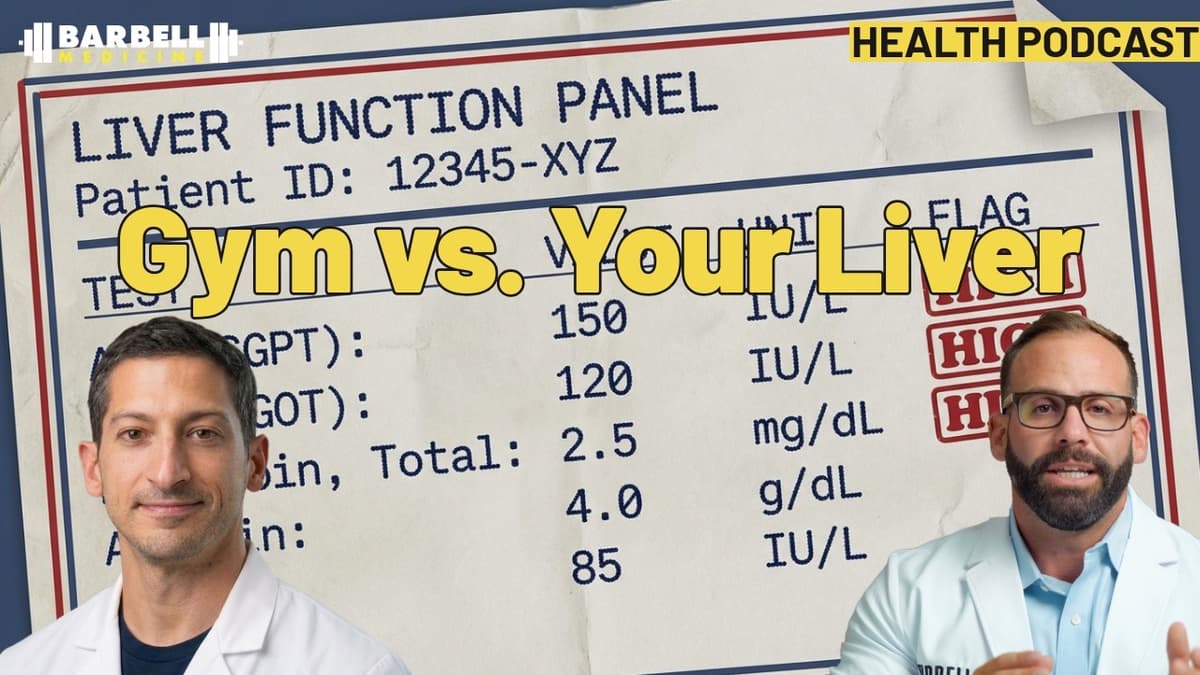
Your Liver Enzymes Are Elevated — But It Might Not Be Your Liver | Barbell Medicine
The Barbell Medicine podcast tackles a common diagnostic blind spot: elevated liver‑associated enzymes are often assumed to signal liver disease, yet many cases stem from recent intense exercise or other non‑hepatic sources. Using a real‑world case of a 39‑year‑old active...