
Does the US Really Make the Dollar? Has It Ever?
In this Rhodes Center podcast, host Mark Blyth sits down with journalist‑turned‑historian Brendan Greeley to unpack the surprising origins of the U.S. dollar, as chronicled in Greeley’s new book, *The Almighty Dollar*. The conversation traces the currency’s lineage back to the 16th‑century Joachimsthaler—a large silver coin minted in Bohemia—whose design was copied by Spanish authorities to produce the “piece of eight,” the coin that flooded the Atlantic world and became the de‑facto dollar for the American colonies. Greeley argues that the fledgling United States never truly created its own sovereign money; instead, colonial economies pegged their paper notes to the imported Spanish silver dollars that arrived via Caribbean trade. Early state‑issued shillings and dollars were eventually outlawed by the Constitution, pushing banking institutions to issue notes. This shift marked the start of an endogenous money system where banks, not the government, generated the bulk of circulating currency. The episode is peppered with vivid anecdotes—such as the tale of Stefan Schlick’s illegal silver mine that birthed the Joachimsthaler, and the post‑Civil War national banking charter that required 100 % Treasury securities backing. Greeley’s memorable line, “America succumbed to the dollar,” captures the paradox of a nation that adopted a foreign‑origin currency while striving for monetary independence. Understanding this tangled history reframes today’s debates over fiat money, central banking, and monetary sovereignty. It shows that the dollar’s dominance stems less from deliberate state design and more from a long‑running process of banks creating credit and governments adapting regulatory frameworks to harness that endogenous liquidity.
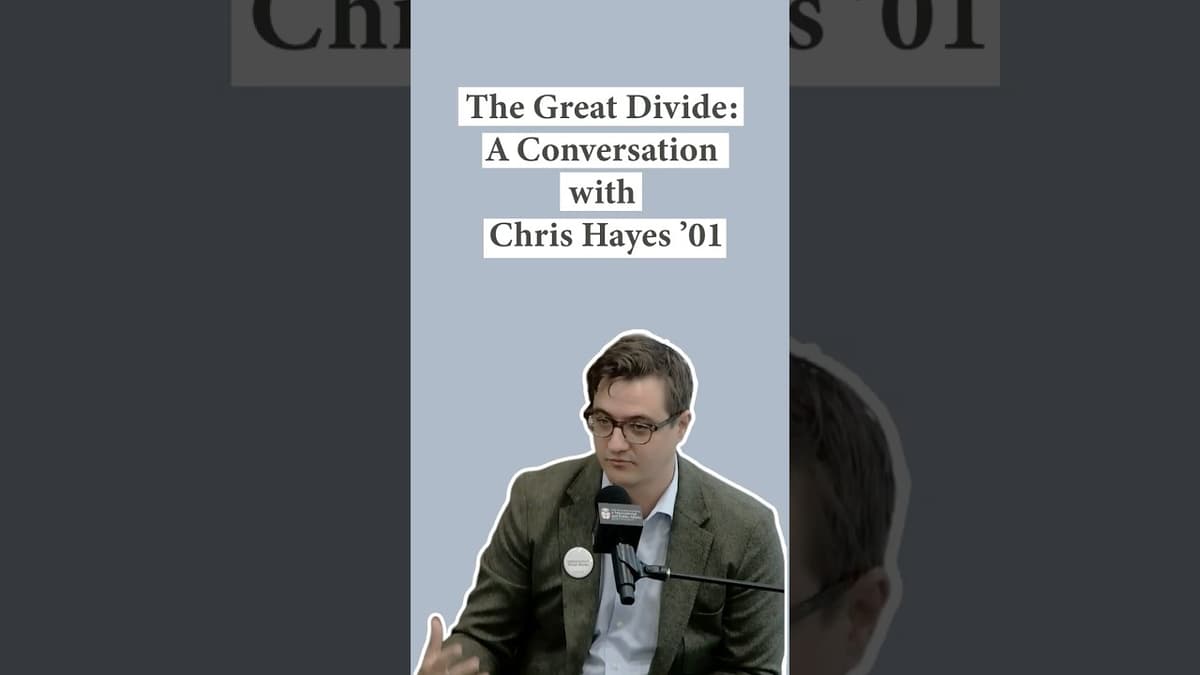
The Great Divide: A Conversation with Chris Hayes ’01
In a candid conversation, Chris Hayes ’01 warned that a concerted campaign is underway to erode the American constitutional framework. He argued that the current administration’s actions, including alleged financial allocations, aim to reward individuals involved in the January 6 insurrection,...
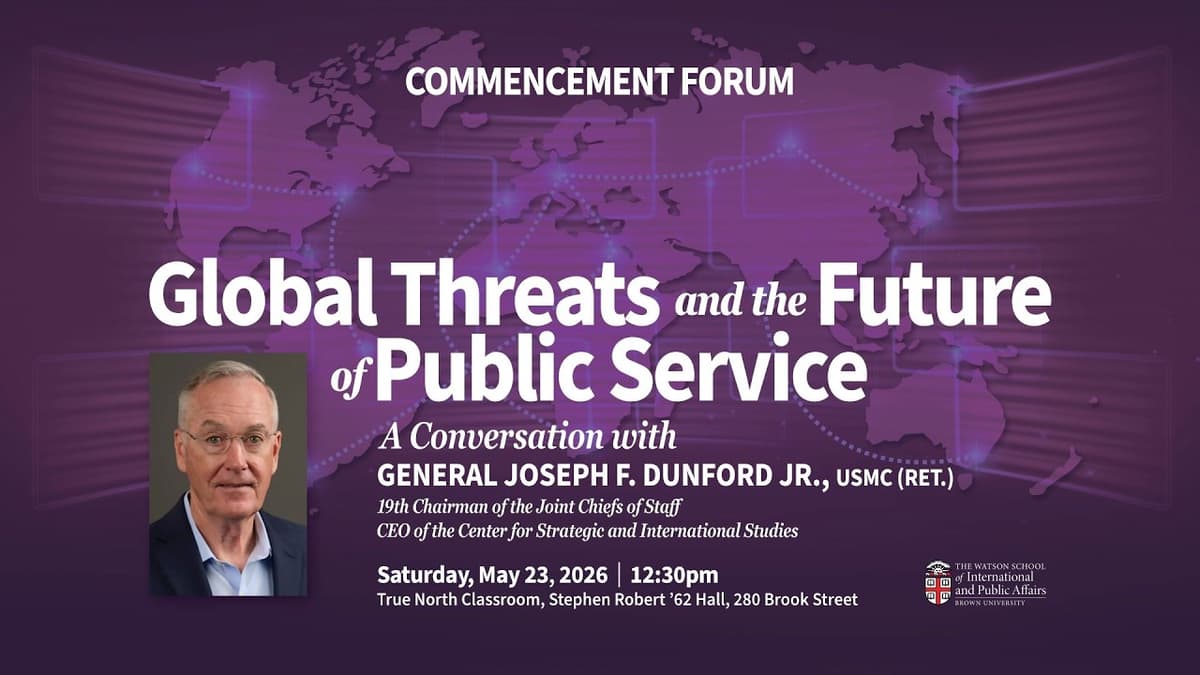
Commencement Forum: Global Threats and the Future of Public Service
The Brown Watson School’s commencement forum featured retired Marine General Joe Dunford, who reflected on the evolving international order and the role of public service in navigating it. He highlighted the growing alignment among Russia, China, Iran and North Korea, and...
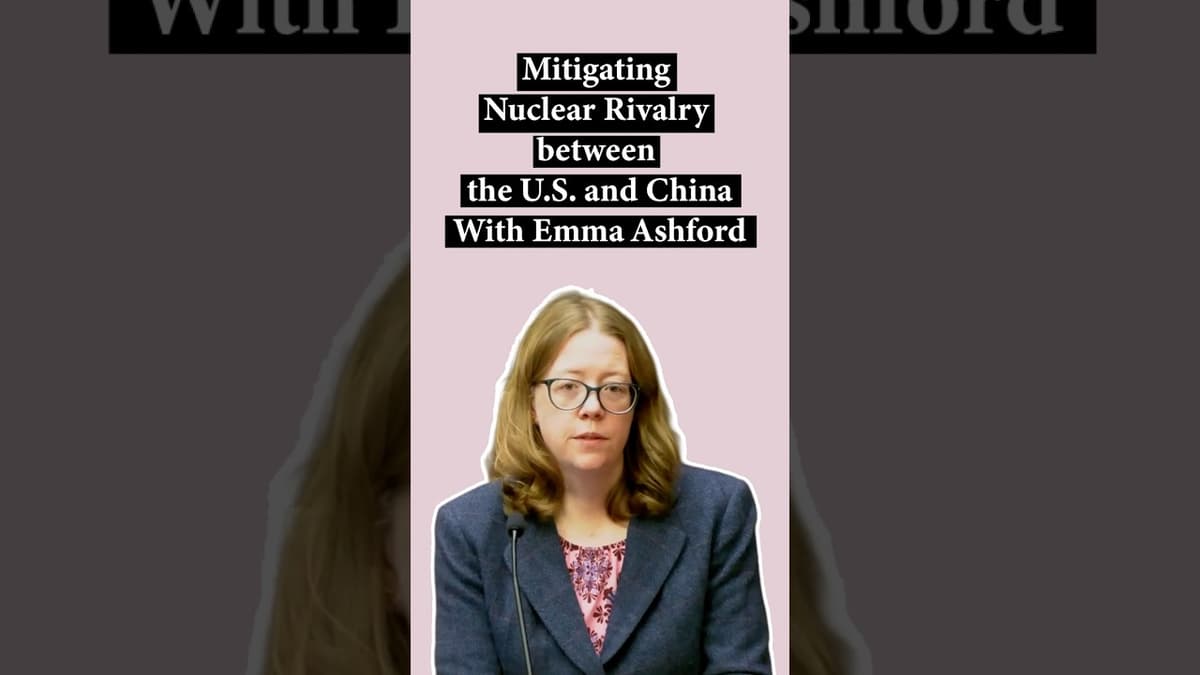
Mitigating Nuclear Rivalry Between the U.S. and China - Emma Ashford
Emma Ashford argues that the United States’ post‑Cold‑War expansion of its sphere of influence now places it uncomfortably close to China and Russia, creating friction points that could trigger a nuclear‑level great‑power clash. She cites Graham Allison’s observation that during...
Where Does Oil Wealth Go? - Brendan Greeley
The video examines how the surge of oil revenues in Saudi Arabia and Kuwait after the 1970s reshaped the global dollar system. By pricing oil in U.S. dollars, these Gulf states transferred the anchor of the dollar’s value from gold...
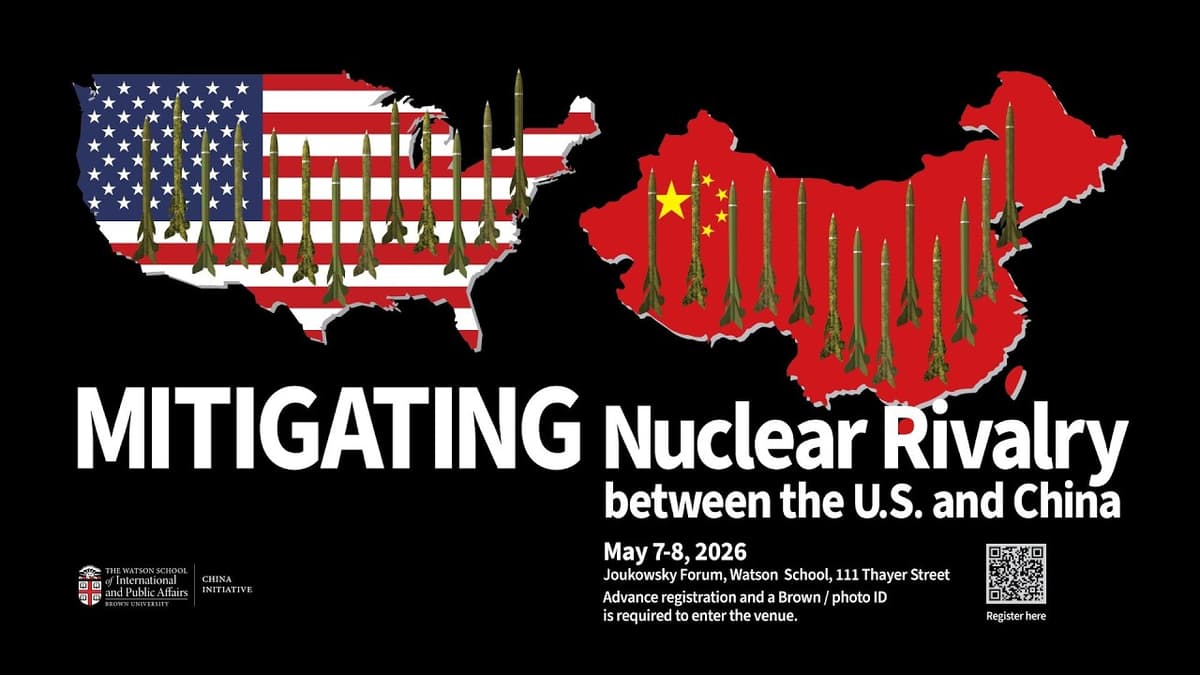
Mitigating Nuclear Rivalry Between the U.S. and China Keynote
The Watson School at Brown University hosted its second annual conference on diffusing the militarized U.S.-China rivalry, bringing together scholars, strategists, and rising experts to confront the growing risk of nuclear confrontation. Organizers highlighted recent headlines—secret Chinese nuclear test allegations,...
Protecting Against Biological Weapons
The video addresses how societies should defend against biological weapons, emphasizing that unlike nuclear threats, the primary response falls to civilians rather than solely to government agencies. It argues that a contagious bioweapon would spread among the population, making community-level...
What Is the Purpose of the Federal Reserve - Brendan Greeley
The video titled “What is the Purpose of the Federal Reserve” features Brendan Greeley explaining that the Fed is essentially a large bank tasked with supervising other banks and maintaining monetary stability. Greeley emphasizes that the Fed’s original function was to...
The Extraction Industry Powering the Green Transition (From the Rhodes Center Podcast)
The Rhodes Center podcast episode examines how the surge in lithium extraction is reshaping the global green transition. The conversation with political scientist Thea Rio Franos highlights lithium’s central role in batteries for phones, laptops, and electric vehicles, and how...
Prosecuting International Financial Crimes - Jay Clayton
In a recent remarks, former SEC chair Jay Clayton highlighted the fragmented nature of global cooperation on financial crime, noting that cross‑border assistance is the exception rather than the rule. He explained that only the most egregious cases—terrorism financing, drug trafficking,...

Future Legality of Sports Gambling - Jay Clayton
In a recent remarks, former SEC chair Jay Clayton examined the evolving legal landscape for sports gambling in the United States, focusing on the potential role of the Commodity Futures Trading Commission (CFTC) and the looming court battles that could...
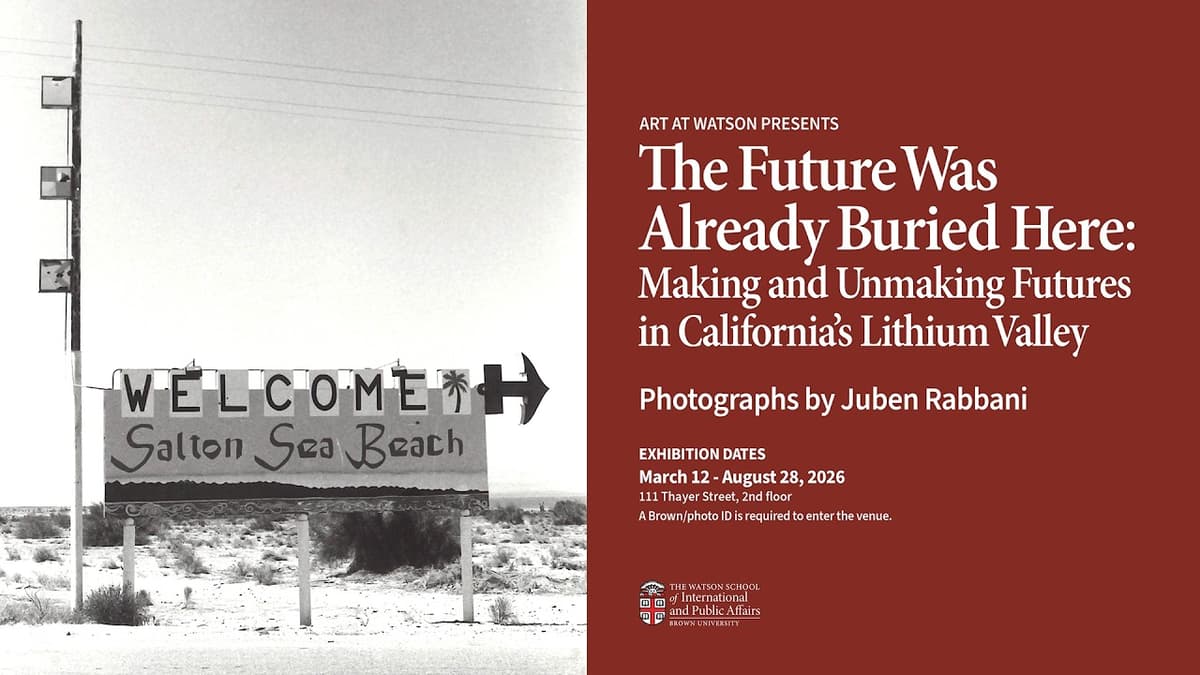
Juben Rabbani — The Future Was Already Buried Here: Making and Unmaking Futures
The evening’s presentation introduced Juben Rabani’s exhibition “The Future Was Already Buried Here,” which interrogates California’s Salton Sea (Sultan Sea) as a contested site where lithium extraction for electric‑vehicle (EV) batteries collides with a legacy of water diversion, agriculture, and...
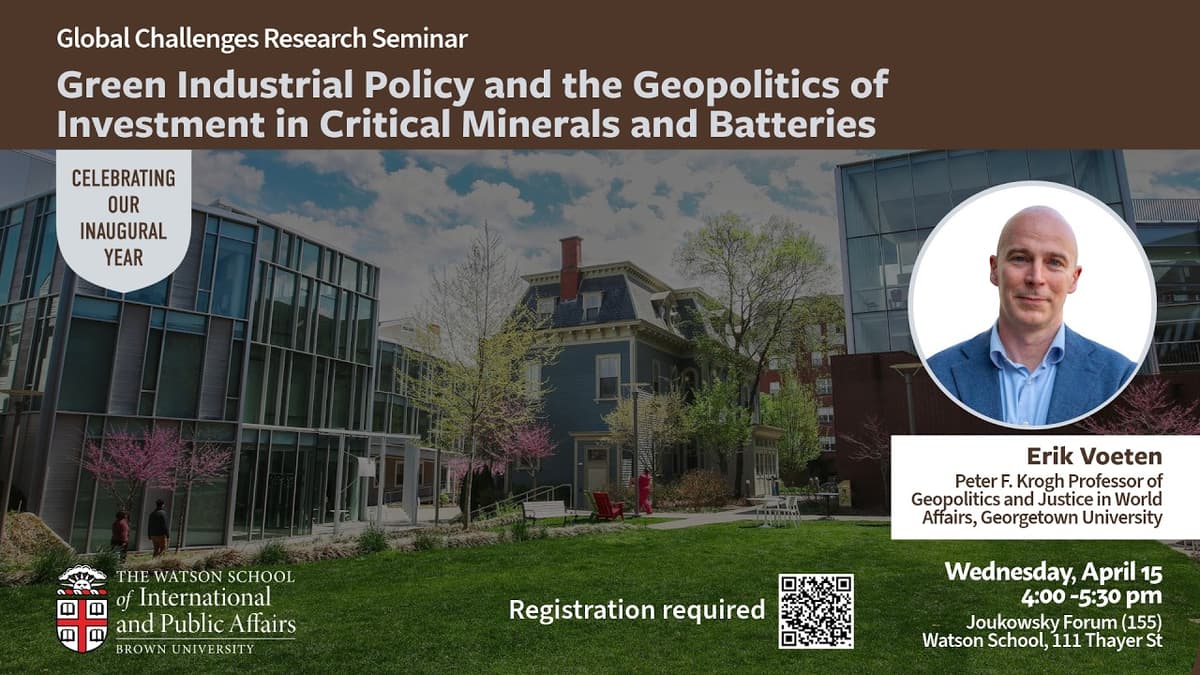
Erik Voeten — Green Industrial Policy & Geopolitics of Investment in Critical Minerals and Batteries
The video examines how China’s aggressive green industrial policy has secured dominance over critical‑mineral processing and battery manufacturing, raising strategic concerns for the United States and Europe. It outlines China’s control of 19 of the 20 most used critical minerals,...
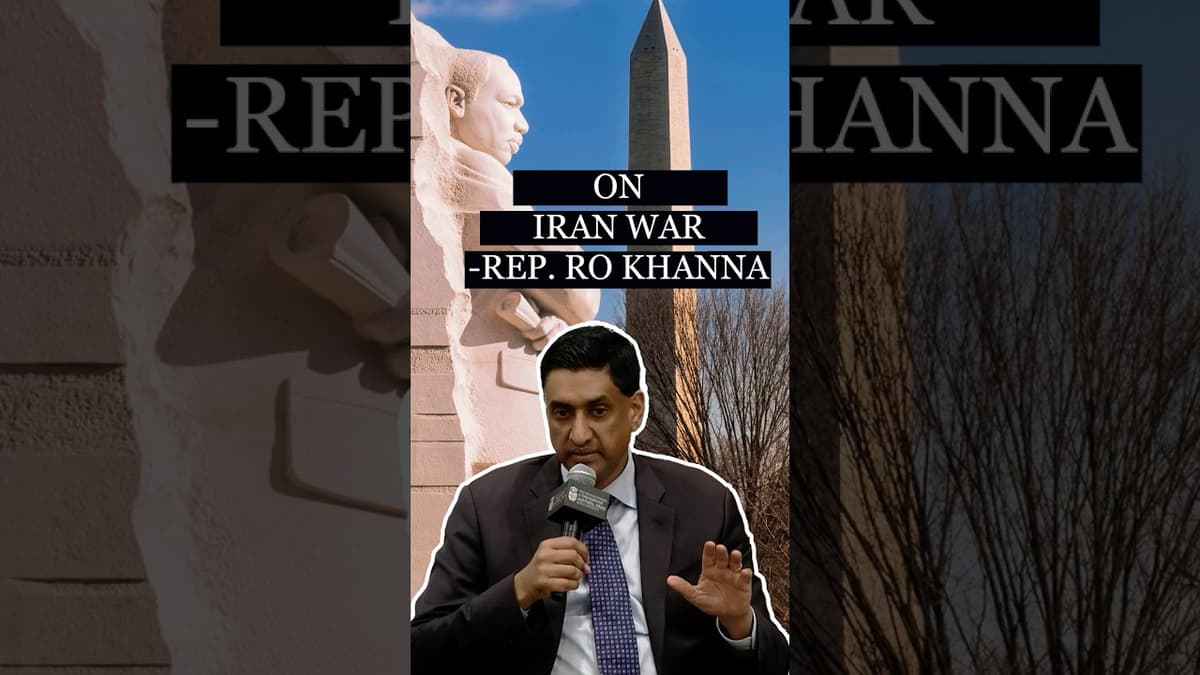
On Iran War with Ro Khanna
In a candid interview, Representative Ro Khanna condemned the United States’ ongoing military campaign against Iran, calling it “worse than a crime” and a strategic blunder. He argued that the decision to replace Ayatollah Khomeini with his son, whom Khanna describes...
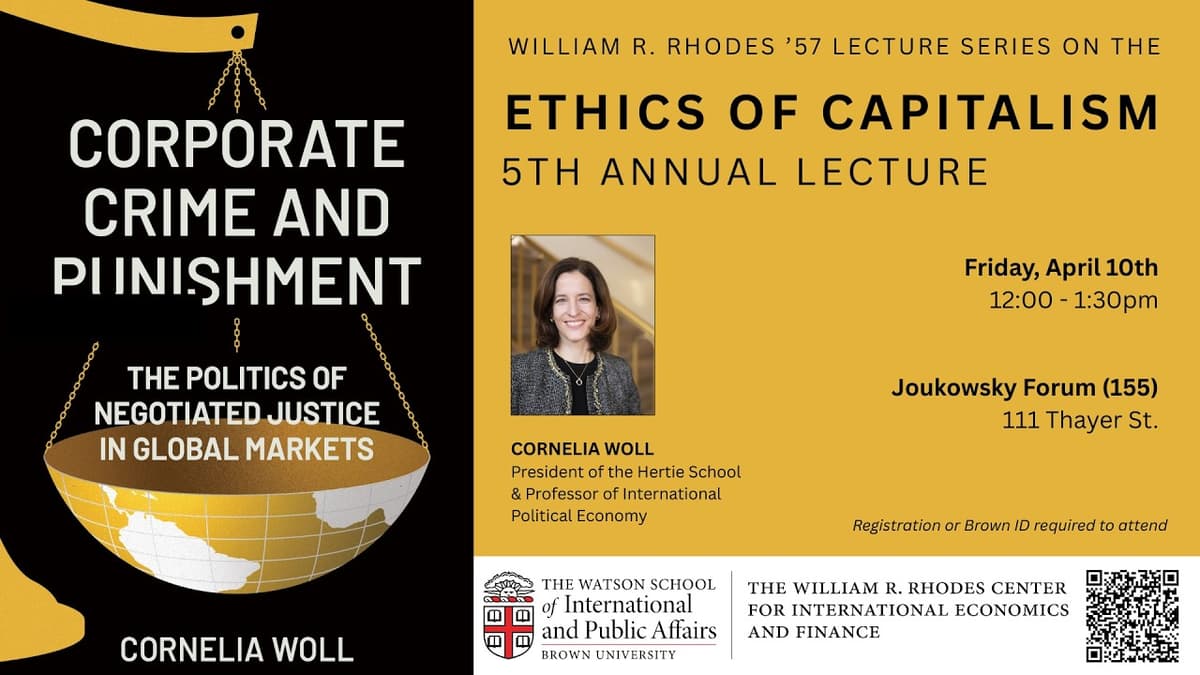
Cornelia Woll | 5th Annual Lecture Series On The Ethics Of Capitalism
Cornelia Woll’s new book, *Corporate Crime and Punishment*, argues that the United States has extended its corporate criminal law beyond its borders to advance both legal objectives and national interests. The extraterritorial reach relies on out‑of‑court settlements that let foreign...