

What Does Russia Gain From War in Iran?
The video examines how Russia stands to profit from the escalating conflict in the Persian Gulf, focusing on fiscal, geopolitical and sanctions‑related dimensions. Higher global oil prices and the temporary U.S. waiver on Russian crude shipments are delivering extra revenue to a strained Russian budget. At the same time, Russia’s fertilizer sector is finding new buyers in Asia and Africa, offsetting losses from traditional markets and reinforcing Moscow’s export earnings. The analyst cites the IMF’s warning that rising fertilizer costs could stoke worldwide food inflation, and notes that countries dependent on Russian fertilizers often align with Moscow in United Nations votes. The United States’ decision to end the oil waiver fractured the sanctions coalition, which the Kremlin frames as a diplomatic win. These dynamics give Putin both financial breathing room and leverage over vulnerable economies, while exposing cracks in the Western sanctions regime that could reshape future geopolitical alignments.
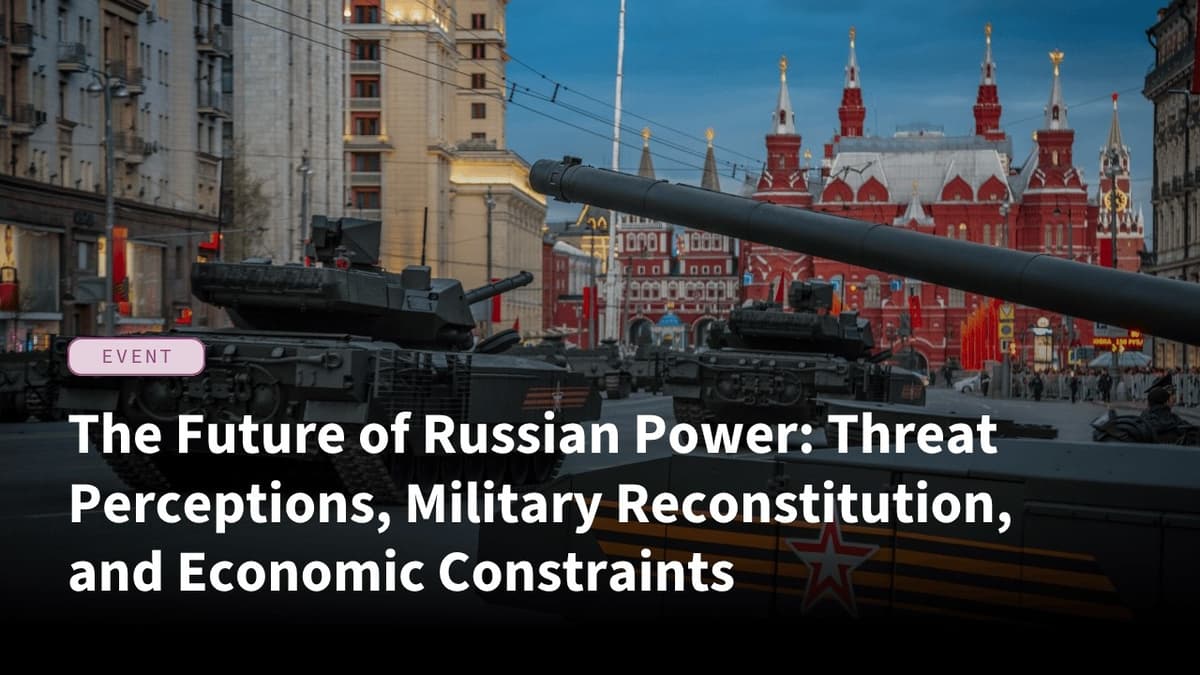
The Future of Russian Power: Threat Perceptions, Military Reconstitution, and Economic Constraints
The Carnegie Endowment launched a comprehensive project examining the future of Russian power, arguing that Moscow will emerge from the Ukraine war more insecure, unrepentant, and determined to reshape Europe’s security environment. The initiative maps out seven analytical pillars: shifting...
A Garbage Bag Crisis in South Korea?
The video explains how the geopolitical tension in Iran, specifically the closure of the Strait of Hormuz, has sparked an unexpected panic‑buying spree for garbage bags in South Korea. The country’s unique waste‑management law, in place since the 1990s, requires...

India’s Middle Class Hits a Breaking Point
The podcast spotlights "Break Point: The Crisis of the Middle Class and the Future of Work," a new book arguing that India’s once‑vibrant middle class – roughly 40 million income‑tax‑paying households – is at its most vulnerable since the 1991 liberalisation....
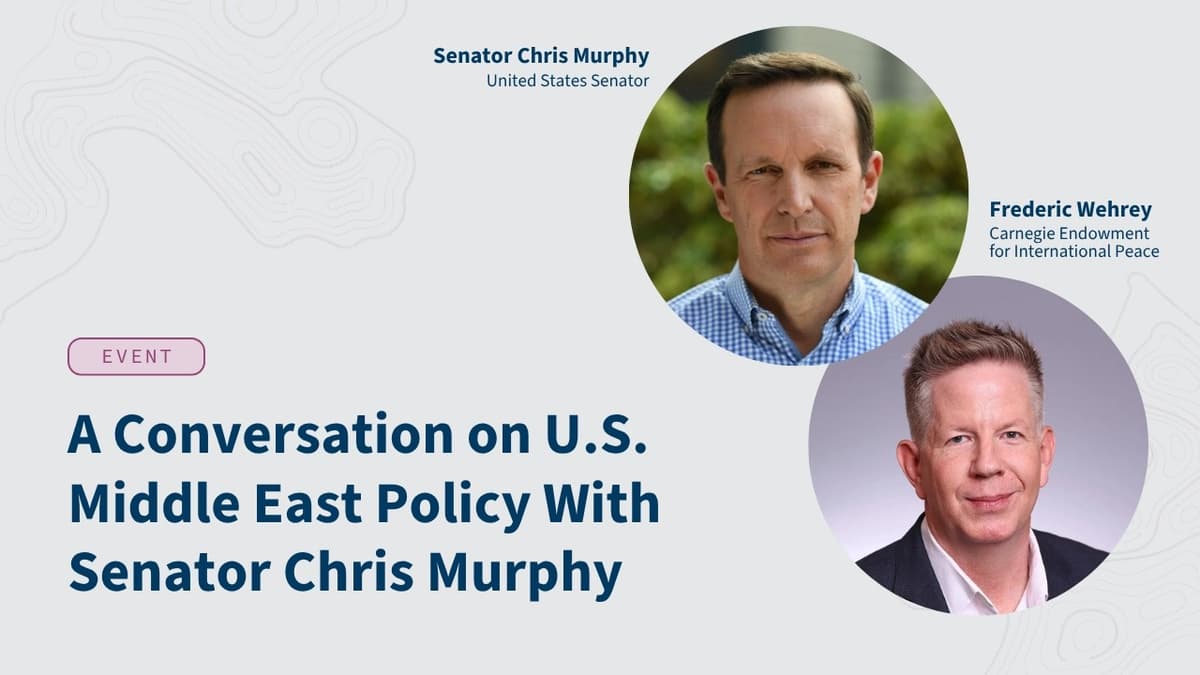
A Conversation on U.S. Middle East Policy With Senator Chris Murphy
The Carnegie Endowment hosted a conversation with Senator Chris Murphy to dissect the U.S.–Israel conflict with Iran and its fallout. Murphy outlined how Washington moved toward war, the strategic costs, and the domestic political pressures shaping policy. The discussion highlighted...
Aging Societies: Why Speed Matters
The video examines the global transition toward "super‑age" societies—where 20% or more of citizens are over 65—and why the pace of that transition matters. While most regions are moving toward this demographic milestone, the speed differs dramatically, shaping fiscal pressures,...
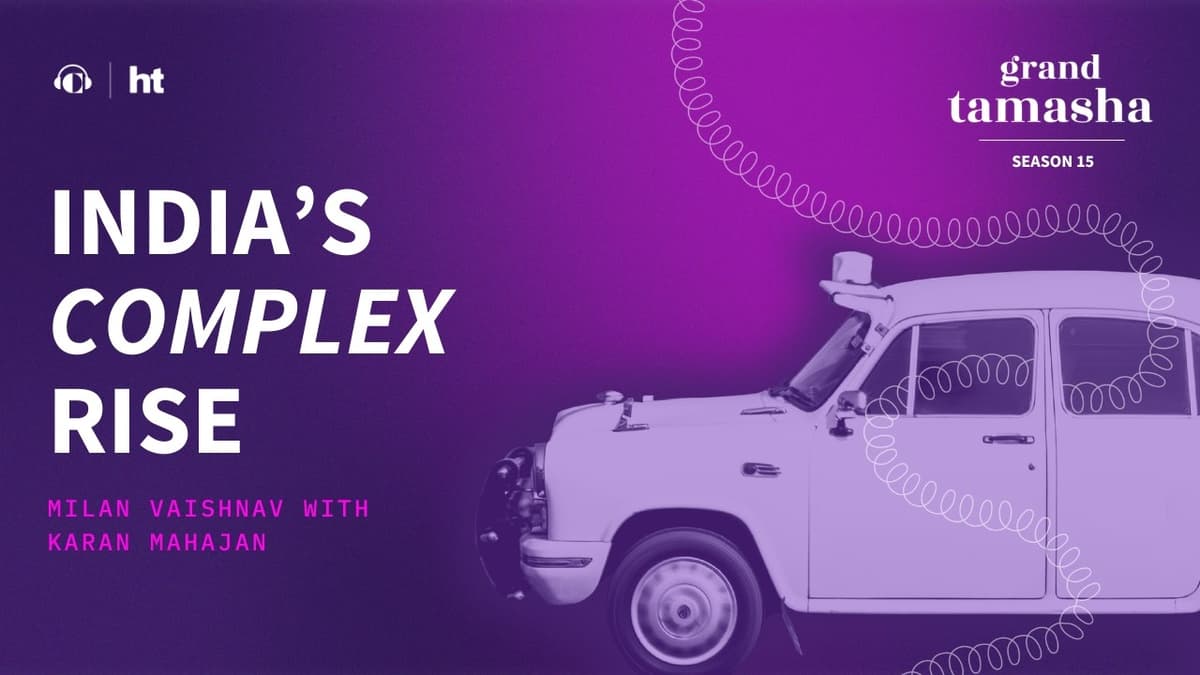
Inside The Complex: Family, Power, and India in Turmoil
Grand Tamasha hosted author Karan Mahajan to discuss his new novel, The Complex, a multigenerational saga of the fictional Chopra family set against India’s turbulent decades from the late 1970s to the early 1990s. The conversation, recorded at Carnegie’s Washington...

What Trump Really Wants From China
The video centers on a potentially historic summit between former President Donald Trump and Chinese President Xi Jinping, a meeting that has been delayed but could finally occur in the coming weeks. It frames the encounter as the most consequential...

Where Do Gulf States Stand on the Iran War?
The video examines how the six Gulf monarchies are positioning themselves amid the escalating US‑Israeli conflict with Iran. It frames their stances as a spectrum, from Oman’s quiet mediation to the United Arab Emirates’ overt security coordination with Washington and...
What Path Forward? The Board of Peace, Gaza, and the Future of Multilateralism
The Carnegie Endowment convened a panel to assess the Board of Peace’s role in Gaza amid heightened scrutiny following the U.S.-Israel conflict with Iran. The Board, backed by $4 billion in pledged Gulf investments, faces questions about World Bank financing, legal...

Can India Thrive in Trump’s World?
The podcast examines how the second Trump administration reshapes India’s foreign policy landscape. Trump’s return has introduced a more transactional, personality‑driven diplomacy, marked by abrupt tariffs, selective engagement with multilateral institutions, and an erratic China strategy that leaves Delhi...

How China Is Adjusting Its Approach to Taliban 2.0
The video examines how Beijing has reshaped its policy toward the Taliban‑run Afghan state, emphasizing a dual security‑economic agenda after the group reclaimed power in 2021. China’s approach is pragmatic and non‑ideological: it kept its embassy open, offers limited humanitarian assistance,...

Inside the Pentagon's AI War Machine
The video “Inside the Pentagon’s AI War Machine” examines how artificial‑intelligence systems are being integrated into U.S. combat operations, from rapid strikes in the ongoing Iran confrontation to long‑term planning for a potential conflict with China. Reporter Katrina Manson explains that...

$200 Billion for War in Iran?
The Pentagon has submitted a $200 billion supplemental request to the White House to fund a potential war with Iran. The administration is reviewing the proposal before sending a formal request to Congress, where the power of the purse is one...

Regional Shockwaves: Long-Term Implications of the U.S.-Israel-Iran War
On February 28 the United States and Israel launched a joint airstrike that killed Iran’s supreme leader, Ayatollah Ali Khamenei. Iran responded by striking Israeli and U.S. assets across the Gulf, targeting critical infrastructure, business hubs and civilian sites, and...

Did Biden Get China Right? Lessons Learned and What Comes Next
The Carnegie Endowment released a 165‑page report titled “Implementing the Biden Administration’s China Strategy,” and convened former officials Laura Rosenberger, Rush Doshi and Julian Gwartz to assess how the strategy was executed and how it compares with the current Trump administration. Panelists...

Inside Washington: Ami Bera on Shifting U.S.–India Ties
The Granthamasha podcast features Congressman Ami Bera discussing the evolving U.S.–India relationship against a backdrop of heightened Middle‑East tensions, notably President Trump’s unsanctioned strike on Iran. Bera argues the president failed to invoke the War Powers Act, leaving Congress out...

What Does the United States Want From Cuba?
The video examines the United States’ current strategic calculus toward Cuba, focusing on the Trump administration’s renewed “maximum pressure” campaign. By leveraging its control over Venezuelan oil shipments and threatening secondary sanctions, Washington is attempting to squeeze the already fragile...

Should Presidents Wage War Alone?
The video examines the growing concern that U.S. presidents can commit the nation to large‑scale wars without meaningful congressional oversight, drawing parallels between the Iraq debate and a looming potential intervention in Iran. It highlights the risks of unilateral action: regional...

Is Iran Still a Nuclear Threat?
The video examines whether the ongoing conflict has neutralized Iran’s nuclear program, concluding that it has not. It notes that U.S. airstrikes have hit only a handful of facilities, while most of Iran’s nuclear infrastructure is buried deep underground, beyond the...

Why Doesn't the War Powers Resolution Work?
The video examines why the War Powers Resolution, enacted after Vietnam, failed to stop recent congressional attempts to end U.S. military actions in Iran. It notes that Article I grants Congress the power to declare war, yet the last formal declaration occurred...

India’s AI Moment?
India hosted the 2026 AI Impact Summit, positioning the event as a diplomatic showcase, investment pitch, and a declaration of its "AI for all" vision. Building on a series of global AI gatherings that began in the UK, the summit...
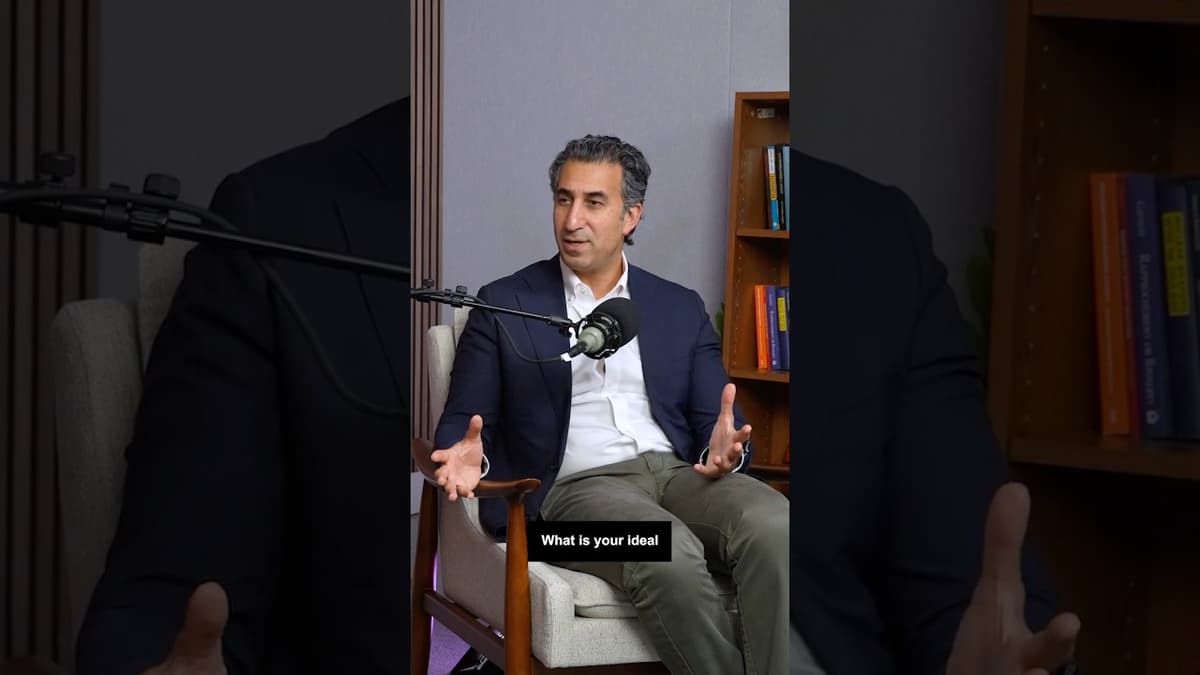
Trump and Netanyahu: Ideal Iran Outcomes
The video captures former President Donald Trump and Israeli Prime Minister Benjamin Netanyahu outlining their preferred scenarios for Iran’s future. Both leaders reference the pre‑1979 era when Iran pursued pragmatic national interests and maintained close ties with the United States...

The Problems with Regime Change in Iran
The video examines why a rapid, militarized regime‑change strategy in Iran is fraught with practical and humanitarian obstacles. It notes that Tehran’s security apparatus comprises roughly a million armed personnel plus an ideological core numbering in the millions, primarily equipped with...

Pivotal States: Inside America's Stubborn Rivalry with Iran
The video examines America’s long‑standing, pressure‑centric rivalry with Iran, arguing that decades of sanctions, diplomatic isolation, and occasional military threats have failed to achieve core U.S. objectives. It traces the evolution from the 2015 nuclear agreement—viewed by its proponents as...

Iran's Regime Has "Been There, Done That"
Recent U.S. and Israeli missile strikes against Iranian targets, combined with widespread protests sparked by soaring inflation, have raised speculation about a possible regime shift in Tehran. In a Carnegie Connects interview, Brookings senior fellow Suzanne Maloney argued that despite...

Who's Leading Iran Now?
The Carnegie Endowment video examines Iran’s power transition as the country awaits a new Supreme Leader. It identifies two figures— the president and the head of the Islamic Revolutionary Guard Corps—who currently dominate political and military decision‑making. Karim Sadjadpour outlines...

War With Iran: Why Now and What Comes Next
On February 28 the United States and Israel launched coordinated military, cyber and intelligence strikes that killed Supreme Leader Ayatollah Ali Khamenei and hit IRGC bases, missile facilities and senior leadership compounds. Iran retaliated with hundreds of drones and ballistic...

Who’s Running Iran?
Iran’s supreme leader Ali Khamenei was killed, plunging the Islamic Republic into its deepest leadership crisis in 47 years. Analyst Karim Sadjadpour explains how hard‑liners, pragmatists, and the supreme leader’s family are scrambling to fill the power vacuum. He also assesses the...

James Acton on Nuclear Consequences of Iran Strikes
In a recent interview, former U.S. official James Acton examined the nuclear fallout from recent U.S. strikes on Iranian facilities, questioning the administration’s claim of an imminent non‑nuclear missile threat. Acton noted there is no publicly available evidence supporting a looming...

Populism and the Politics of India’s Foreign Policy
The Carnegie‑Endowment interview spotlights the new volume *Populism and Foreign Policy*, which examines how populist regimes reshape diplomatic conduct, with a particular focus on India’s Modi government. The authors, Sandra Dradi and Johannes Blegeman, argue that populist influence is not automatic;...

Where Did Iran's Deterrence Go Wrong?
The video dissects Iran’s faltering deterrence amid the escalating Middle‑East conflict involving Israel, the United States, and Iran itself. It argues that Iran’s 2024 missile campaigns—codenamed True Promise 1 and 2—served less as a show of force and more as a live‑fire...
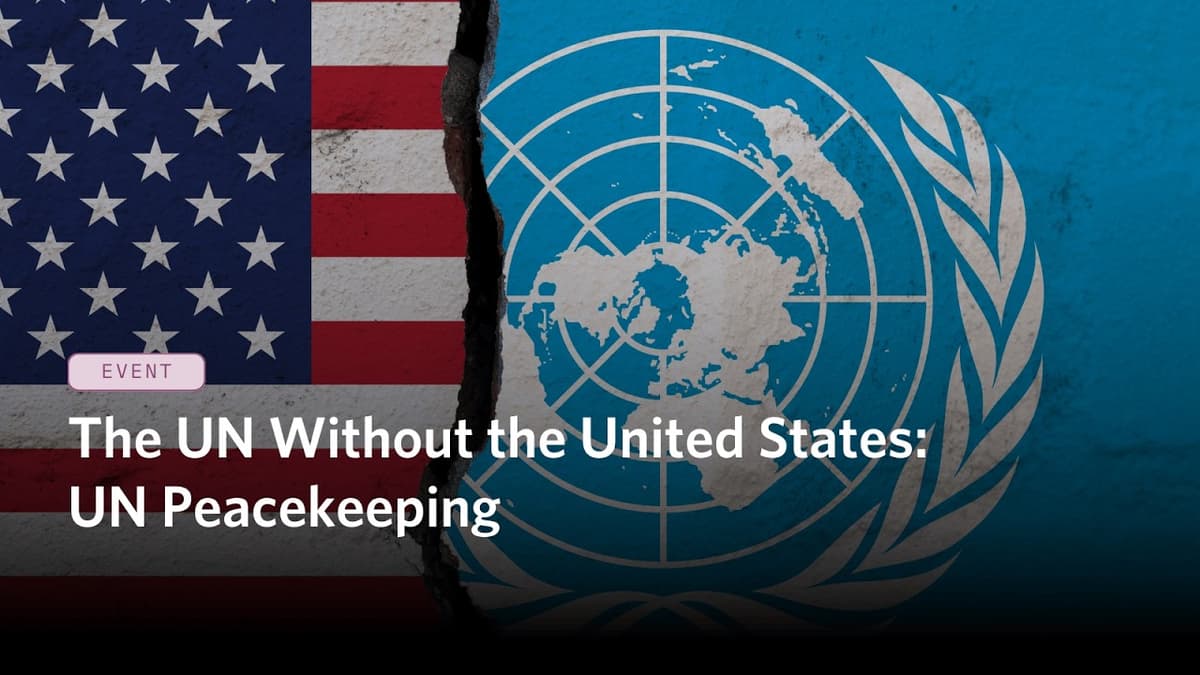
The UN Without the United States: UN Peacekeeping
The panel discussion, hosted by Carnegie’s Stuart Patrick, examined the growing crisis in United Nations peacekeeping as the United States halts its assessed contributions, which fund roughly a quarter of the peacekeeping budget. The conversation highlighted how peacekeeping, a...
Ukraine: The West in "Crisis Mode"
In a recent Carnegie Connects episode, Eric Ciaramella examined why the West’s superior military and economic resources have not translated into a decisive Ukrainian victory over Russia. He highlighted logistical bottlenecks, limited political cohesion among allies, and Russia’s adaptive strategies...

How Korea Is Engineering Its Way Into Space
South Korea is rapidly building a national space ecosystem to compete in the emerging commercial space economy. By aligning industrial policy, financing, education, and private sector capabilities, the country seeks to leapfrog traditional aerospace pathways despite its late entry. Government...

Europe’s Discovery of India
Europe and India have entered a markedly upbeat phase, highlighted by the long‑awaited EU‑India Free Trade Agreement. The partnership is expanding beyond rhetoric into concrete cooperation on security, technology, and migration. Garima Mohan of the German Marshall Fund explains the...
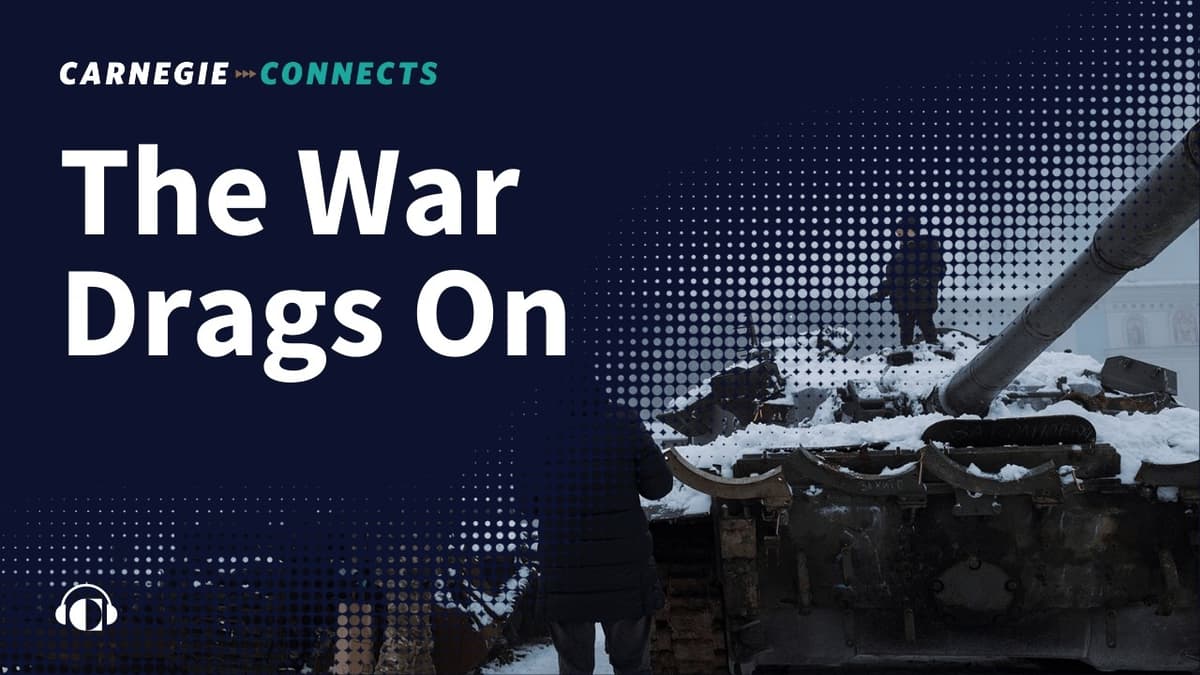
Russia’s War Against Ukraine: Four Years and Counting
Four years after Russia launched its full‑scale invasion, the conflict remains entrenched along a roughly 750‑mile front with neither side achieving a decisive military edge. Diplomatic initiatives led by the United States have stalled, offering no clear path to a...

How China & Russia View Trump’s Greenland Policy
The video examines how China and Russia perceive President Trump’s renewed interest in Greenland, framing it within the broader resurgence of great‑power competition in the Arctic. As climate change thins sea ice, new shipping lanes and untapped hydrocarbon deposits are...
How a Progressive POTUS Would Change the World
The episode examines how a progressive Democratic president would overhaul U.S. foreign policy after the Trump era, featuring Matt Dus, former Bernie Sanders foreign‑policy adviser and progressive think‑tank leader. Dus outlines a progressive doctrine built on ‘solidarity’: aligning with other democracies,...
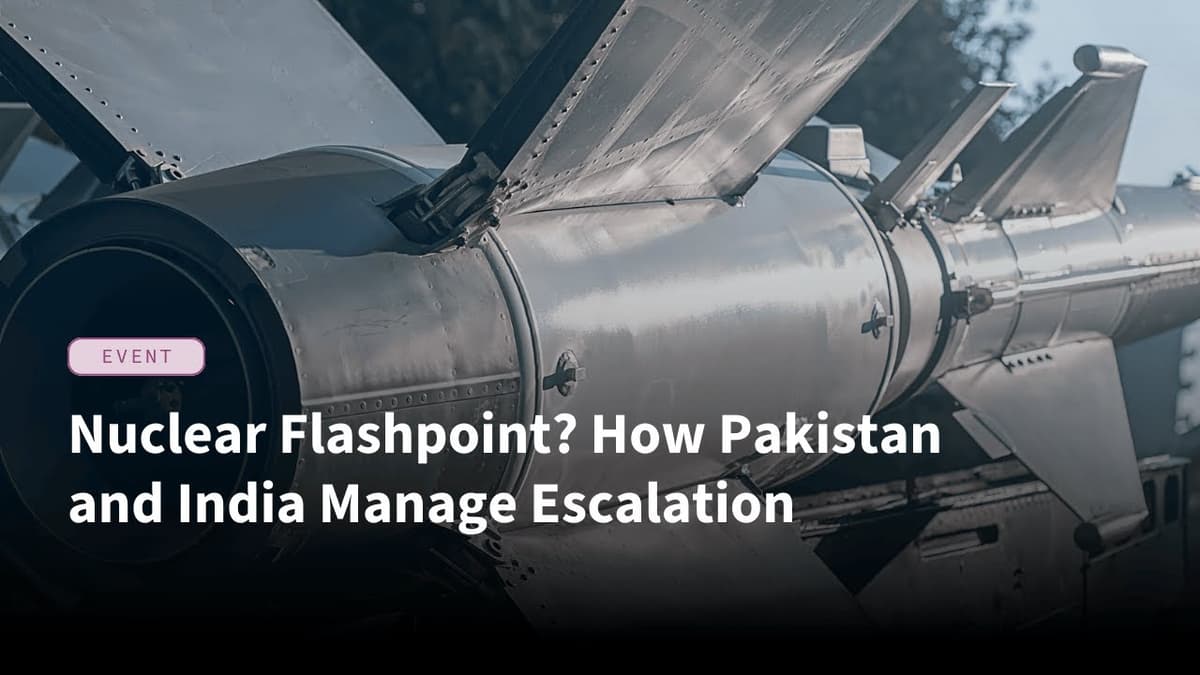
Nuclear Flashpoint? How Pakistan and India Manage Escalation
The video is a panel discussion hosted by the Carnegie Endowment, featuring experts Rakesh Sud and Moued Yusf, examining how India and Pakistan manage nuclear escalation in the 21st century, challenging the “nuclear flashpoint” narrative. They argue that the Cold War...

The Trading System’s "Fundamental Failure"
The video examines President Trump’s assertive stance on trade, emphasizing his claim that he possesses a “button” to dramatically rewrite U.S. trade relationships, a claim now awaiting Supreme Court review. The speaker contends that a functional trading system must be...
How India Lost the Neighborhood
The episode examines Muhib Ramman's essay “The Folly of India’s Illiberal Hegemony,” arguing that New Delhi’s backing of autocratic regimes has destabilized South Asia. While protests in Bangladesh, Nepal, Sri Lanka, and the Maldives stem from corruption, inflation and democratic backsliding,...

Oren Cass: How Economists Failed America
Oren Cass argues economists have failed America by focusing solely on consumption, ignoring community, family, industry, and national security. He frames the discussion as a critique of the prevailing neoliberal consensus and calls for a new "American system" of economic...