

Submarine Anechoic Tile & Sonar Absorption
The video explains how modern submarines achieve near‑silence by coating their hulls with anechoic tiles—rubber‑based panels that function like scales. These tiles are engineered to absorb and scatter incoming sonar waves while preventing the vessel’s own noise from radiating into the ocean, thereby blending the craft into the ambient acoustic background. Key technical insights include the use of synthetic rubber or polymer composites filled with air pockets and microbubbles, which convert acoustic energy into minute amounts of heat. Advanced tiles vary in density and thickness across the hull, extending absorption across a broader frequency spectrum and disrupting both active sonar pings and passive acoustic signatures. The presenter likens sonar reflections to pond ripples: a flat metal hull returns a sharp echo, whereas the uneven, rubbery surface diffuses the energy. Although exact formulations are classified for navies such as the United States, Russia, and China, engineers must also ensure the tiles withstand deep‑sea pressure and corrosive saltwater without delamination. These stealth technologies shape naval strategy, influencing anti‑submarine warfare tactics, procurement decisions, and the competitive landscape for specialized materials firms developing next‑generation acoustic dampening solutions.
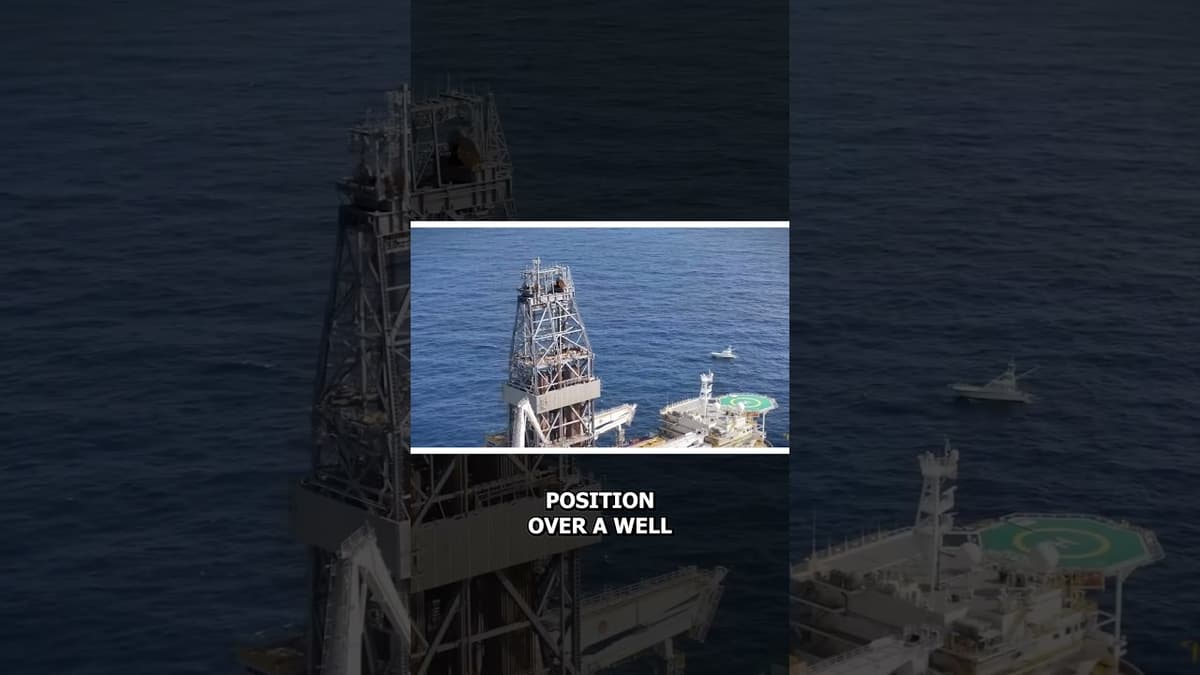
Floating Oil Factories That Never Move
Floating Production Storage and Offloading (FPSO) units serve as permanent offshore oil terminals, anchored in place rather than sailing like conventional tankers. They stay stationary for decades using massive spread mooring systems that deploy dozens of heavy anchors arranged radially...
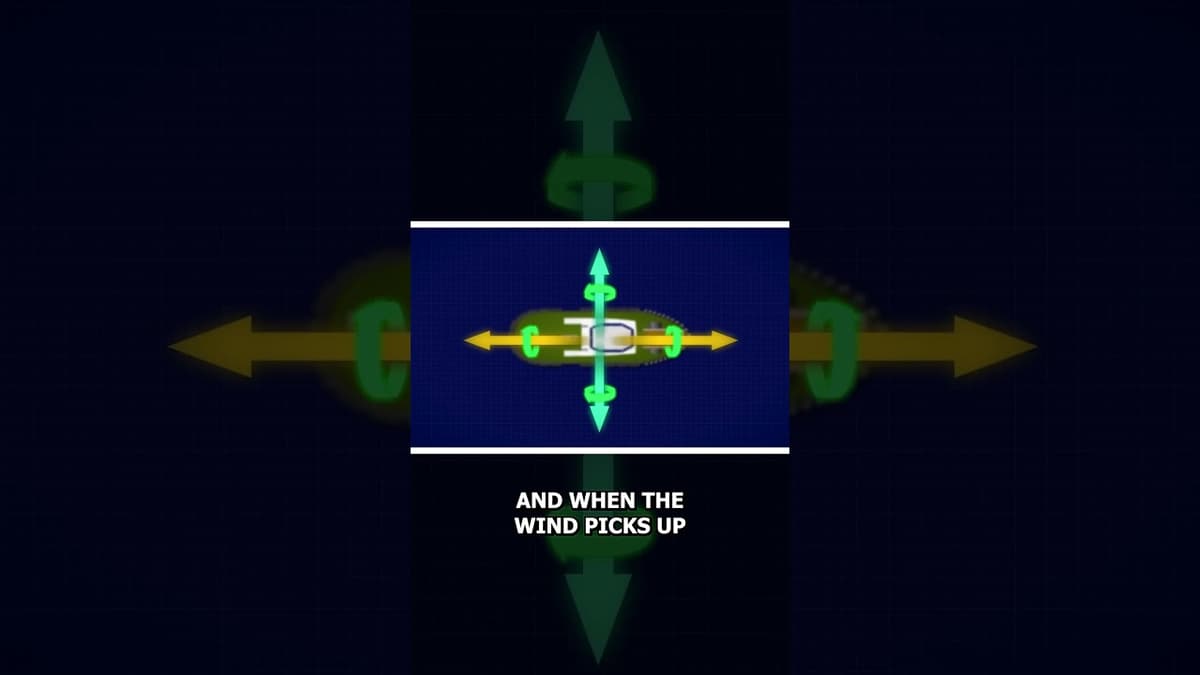
Matrix Inversion & Least Squares in Thrust Allocation
The video explains how dynamic positioning (DP) systems compute thrust allocation in real time, relying on matrix inversion to “undo” the set of force equations that govern a vessel’s motion. When equations lack an exact solution—due to coupled thrusters or conflicting...
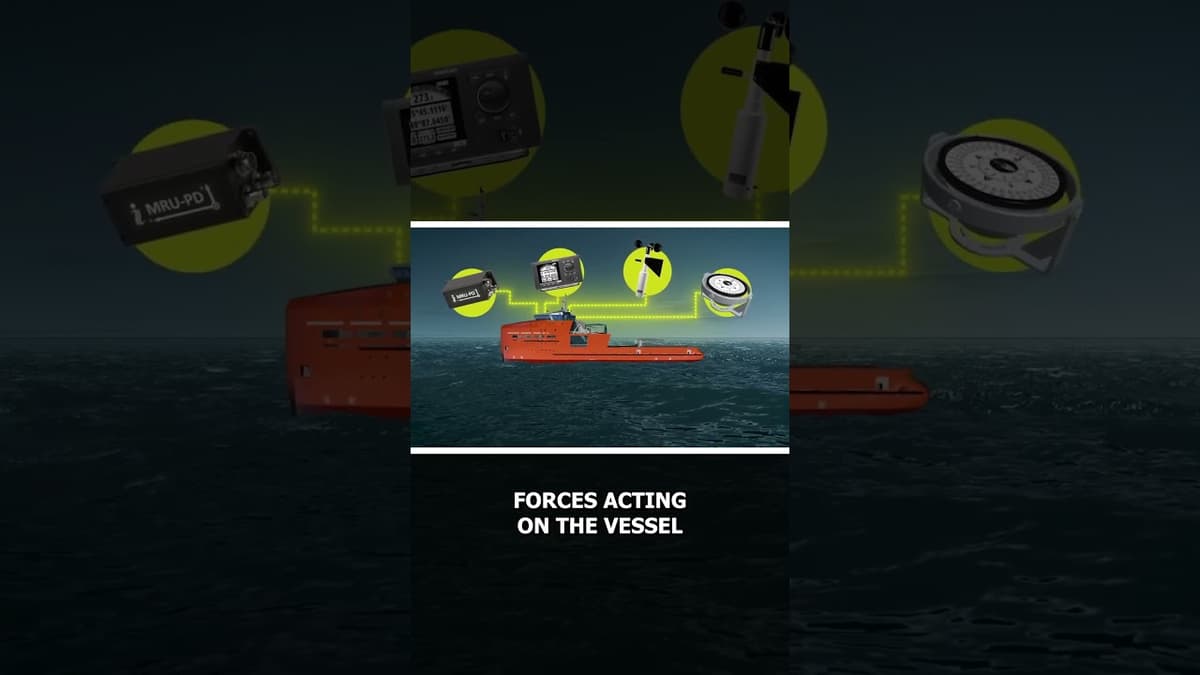
Kalman Filter Processing
The video explains how modern anchor‑handling tug supply (AHTS) vessels use dynamic positioning (DP) systems, with a central controller that continuously calculates and counters external forces to keep the ship steady. Sensors such as DGPS, gyrocompasses and wind meters feed raw...
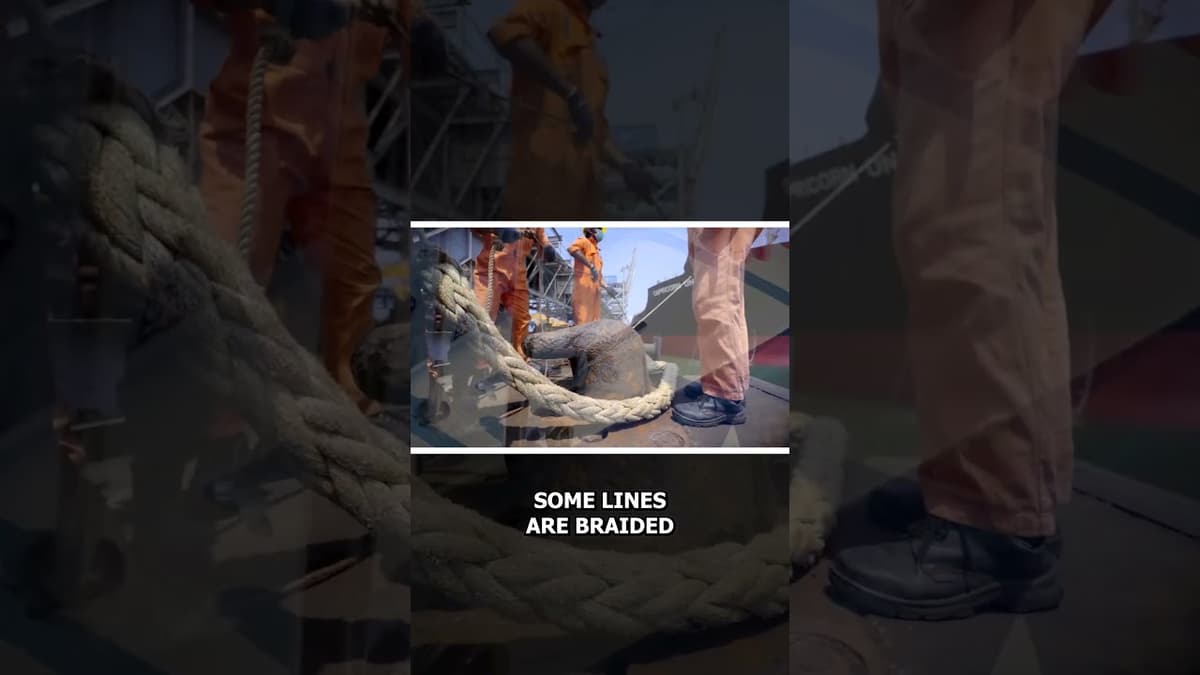
The Deadly Physics of a Snapping Mooring Line
The video explains the physics behind a mooring line’s catastrophic snap, focusing on how modern vessels have moved from natural‑fiber ropes to engineered synthetic and composite lines. It outlines the materials—polypropylene, polyester, high‑modulus polyethylene, and steel‑core composites—and why they are...
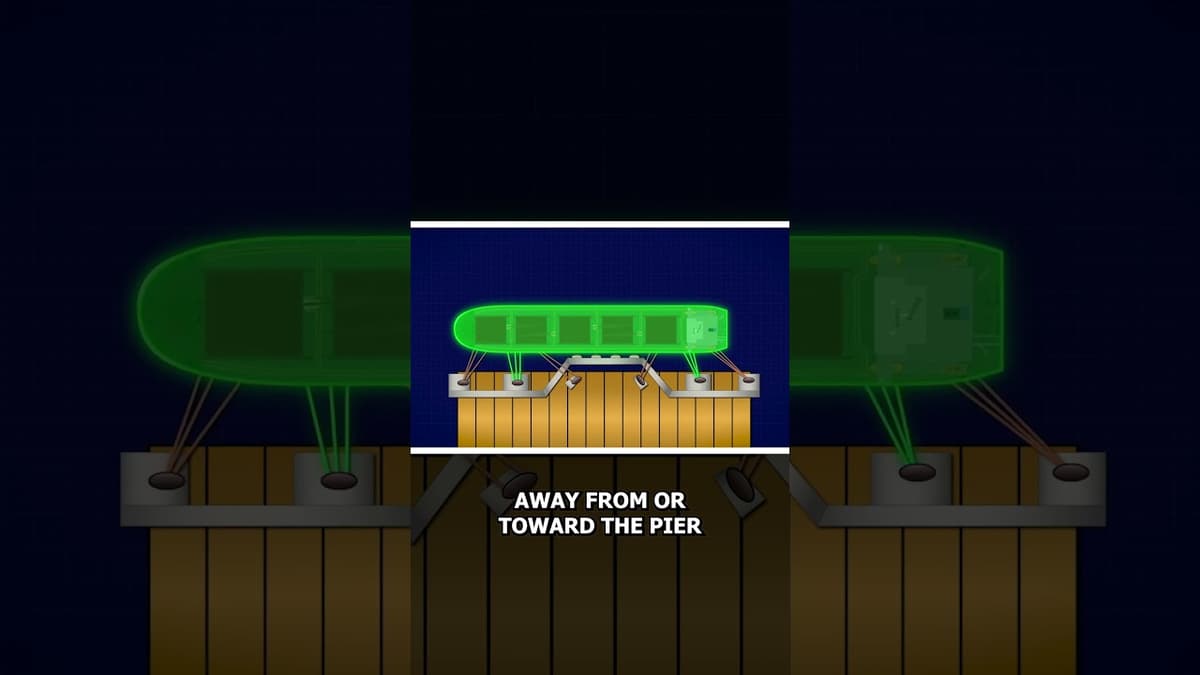
The Geometry of Port Mooring Lines
The video explains how ships are secured at port using a network of mooring lines, each positioned at specific angles to control movement. Four primary line types are described: breast lines, which run nearly perpendicular to the hull to stop sideways...
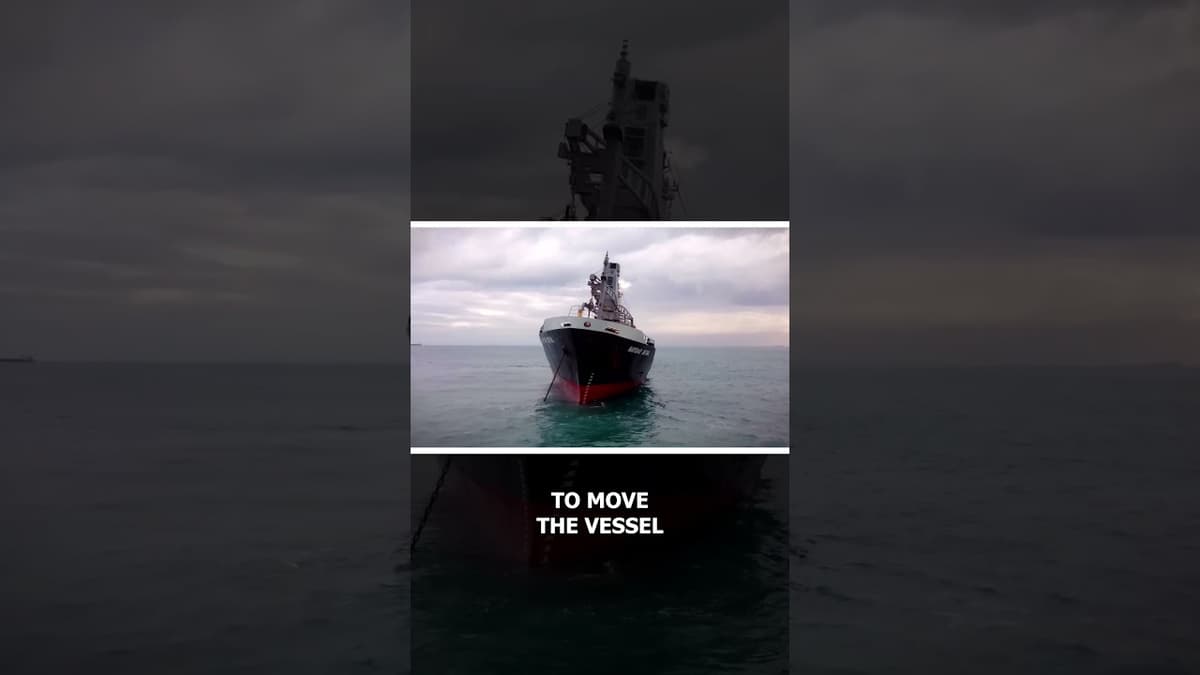
Force Equilibrium and Newton's First Law on Water
The video explains why buoyancy alone cannot keep a vessel stationary and introduces force equilibrium as the principle that does. While water’s upward push lets a rubber duck, a log, or a 100,000‑ton ship float, wind, currents, tides, and waves...

Why Is It Called A Monkey Island?
The video explores the puzzling nautical term “Monkey Island,” the open platform at the very top of a vessel where radar, antennas, and other line‑of‑sight equipment are mounted. It traces the evolution of ship superstructures—from the hull and main deck...
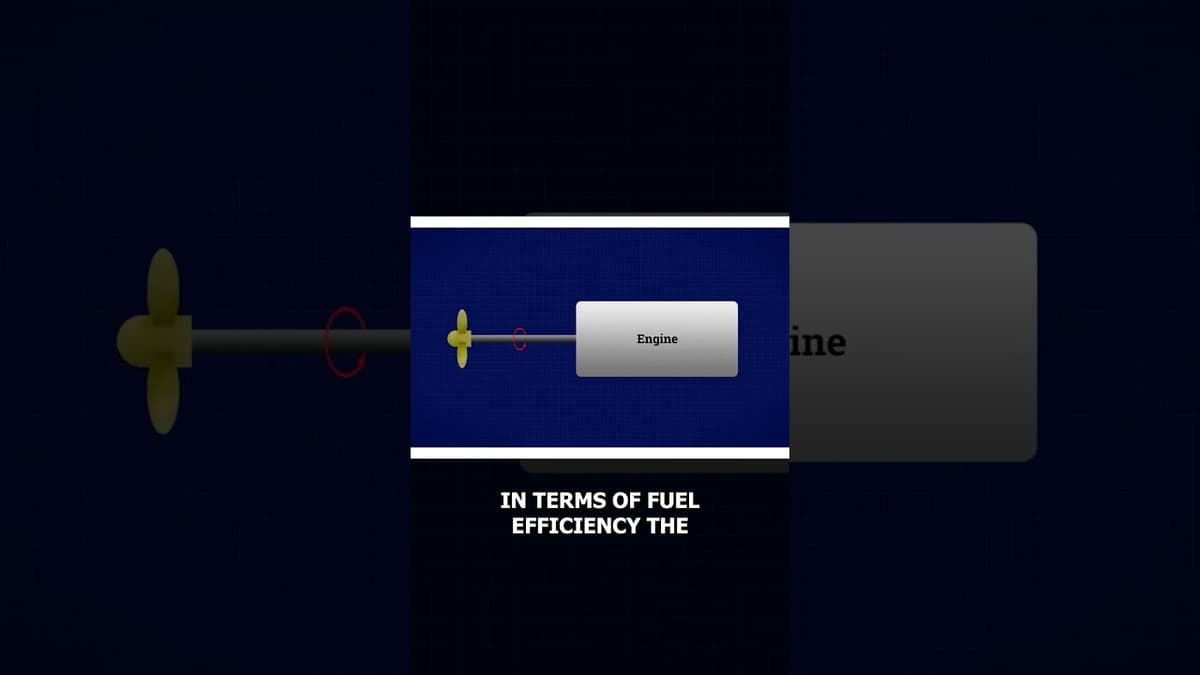
Why Most Big Cargo Ships Choose Fixed Propellers
The video explains why the majority of large cargo vessels retain traditional fixed‑pitch propellers rather than adopting controllable‑pitch alternatives. Because most voyages involve a constant forward speed, designers can optimise a fixed propeller for that single operating point, delivering superior...
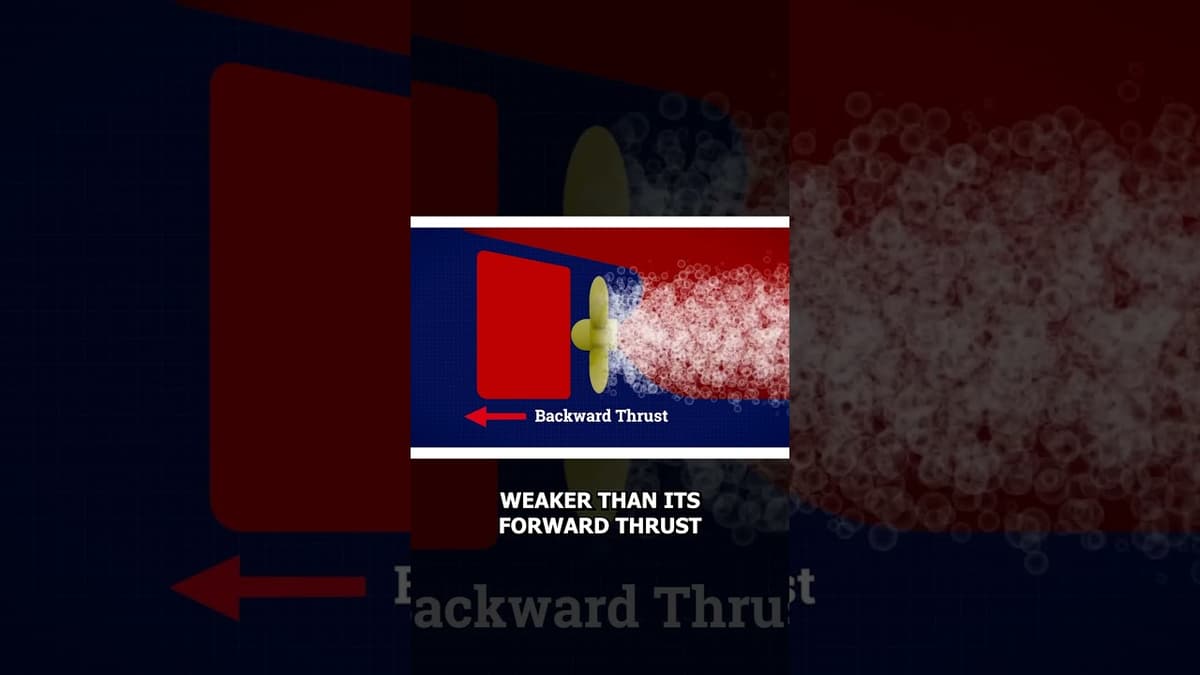
Why Reversing a Ship Engine Can Fail Completely
The video explains why attempting to reverse a large marine propulsion system is fraught with technical and operational challenges, especially in emergency situations where rapid deceleration is required. It highlights that changing the rotation of a massive engine takes considerable time,...
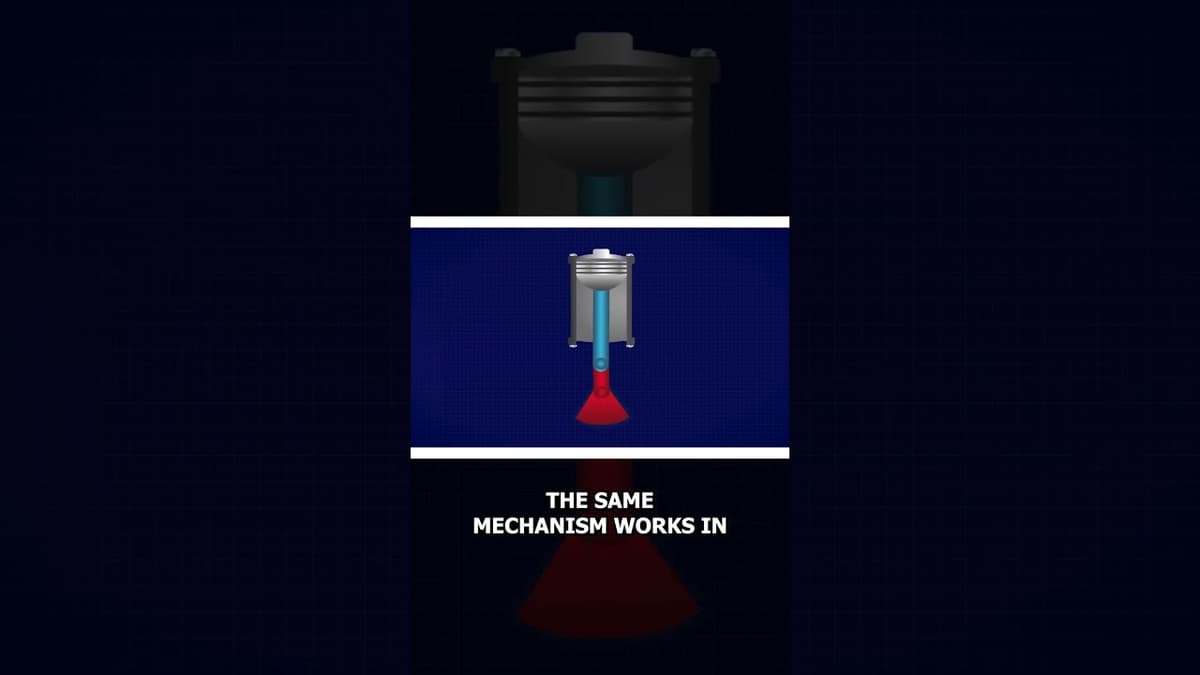
The First Emergency Brakes at Sea
The video explains how the first true emergency‑brake system at sea was created on paddle‑wheel steamers, using a reverse‑rotation of the side wheel to halt a vessel quickly. Because a steam engine converts high‑pressure steam into reciprocating piston motion, it can...
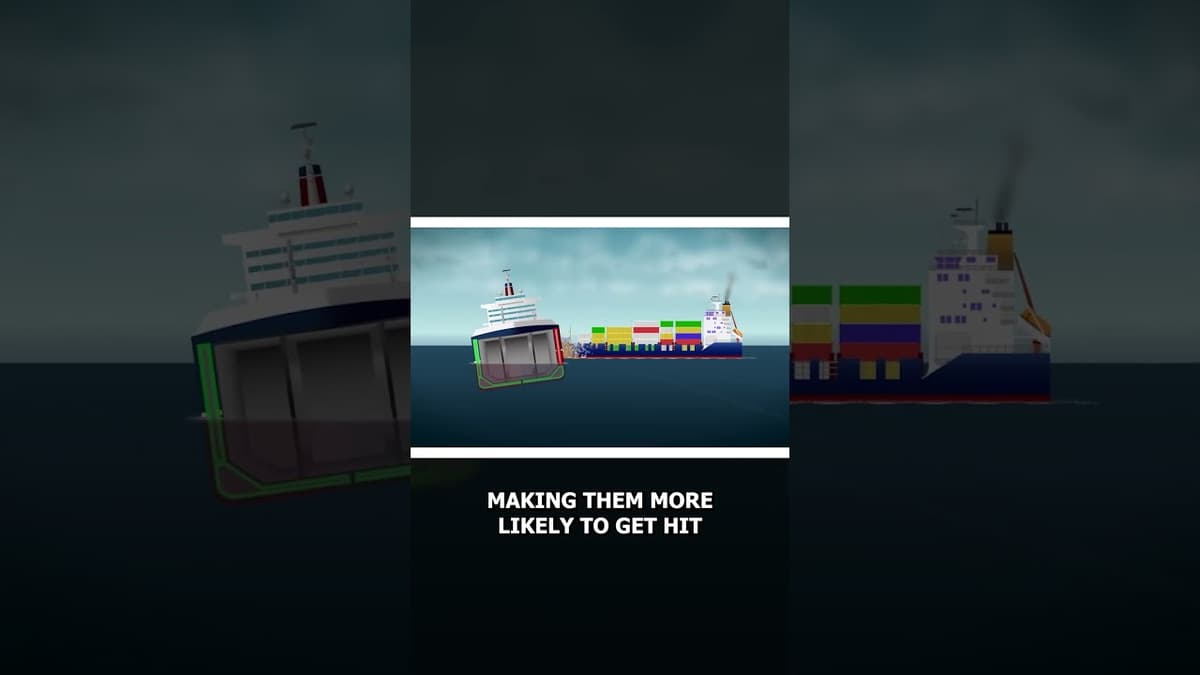
Predicting Disasters With AI
The video outlines how AI‑driven probabilistic modeling predicts a vessel’s survivability after a collision, introducing the subdivision index—a metric that multiplies damage probability (P) by compartment survivability (S). Key insights include the fact that larger or outer compartments carry higher...
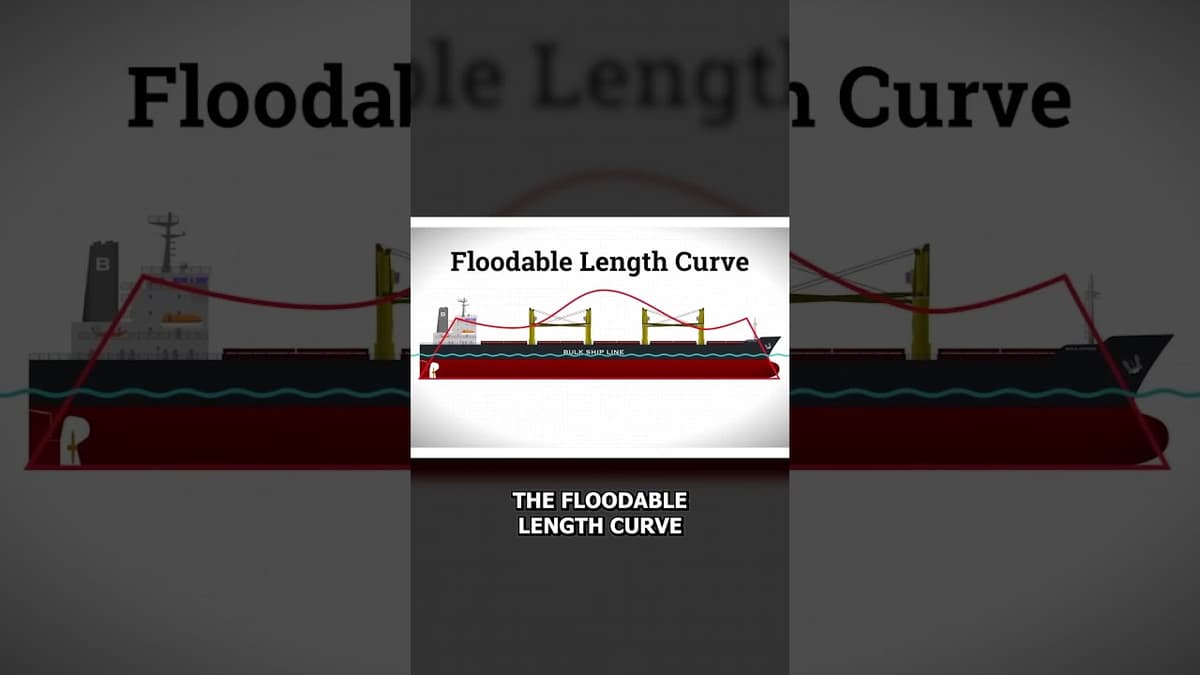
The Math Behind the Hull
The video explains how naval architects calculate the maximum floodable length of a ship’s hull, a core component of damage‑stability analysis. By determining where the margin line—where water reaches the deck—hits sea level, designers can assess how much flooding a...
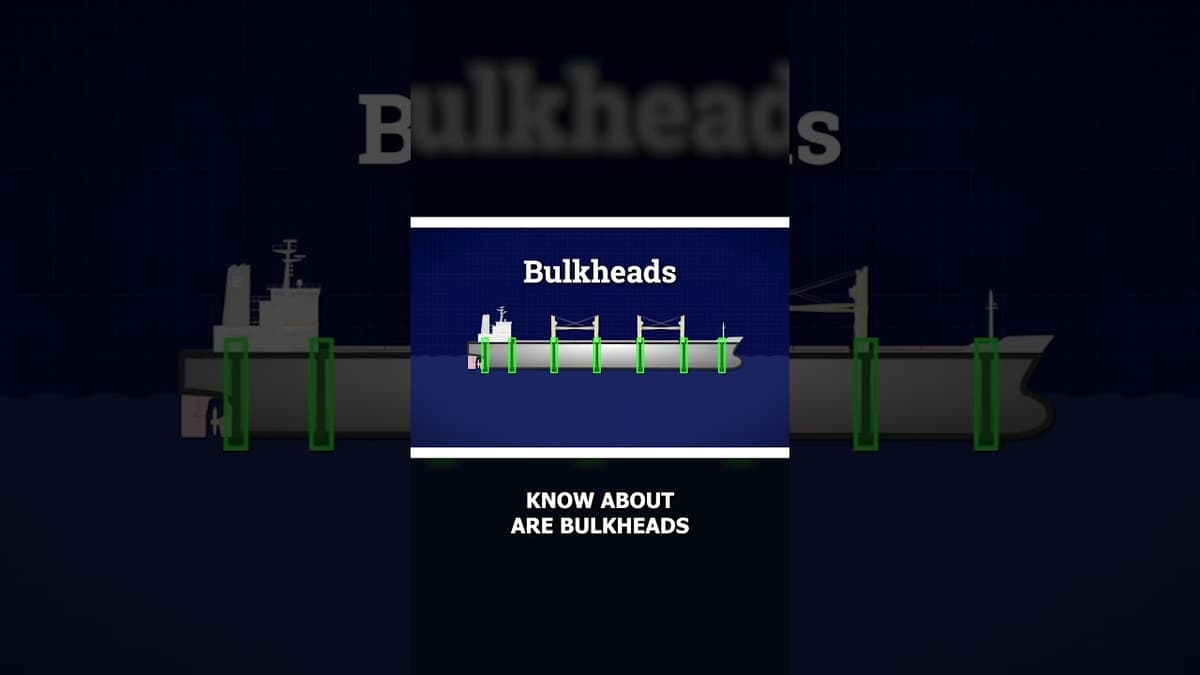
Why This Crashed Ship Didn't Sink
The video explains why a cargo ship that collided with an oil tanker in the North Sea on March 10, 2025, remained upright despite a massive hull breach. The key factor is the ship’s collision bulkhead – a reinforced, watertight wall...
The Invisible Ocean Armor
Modern oil tankers now must feature segregated ballast tanks and a double‑hull configuration, a safety regime born from the 1989 Exxon Valdez spill. The separate ballast tanks keep clean water isolated from cargo oil, while the double hull creates an extra...