
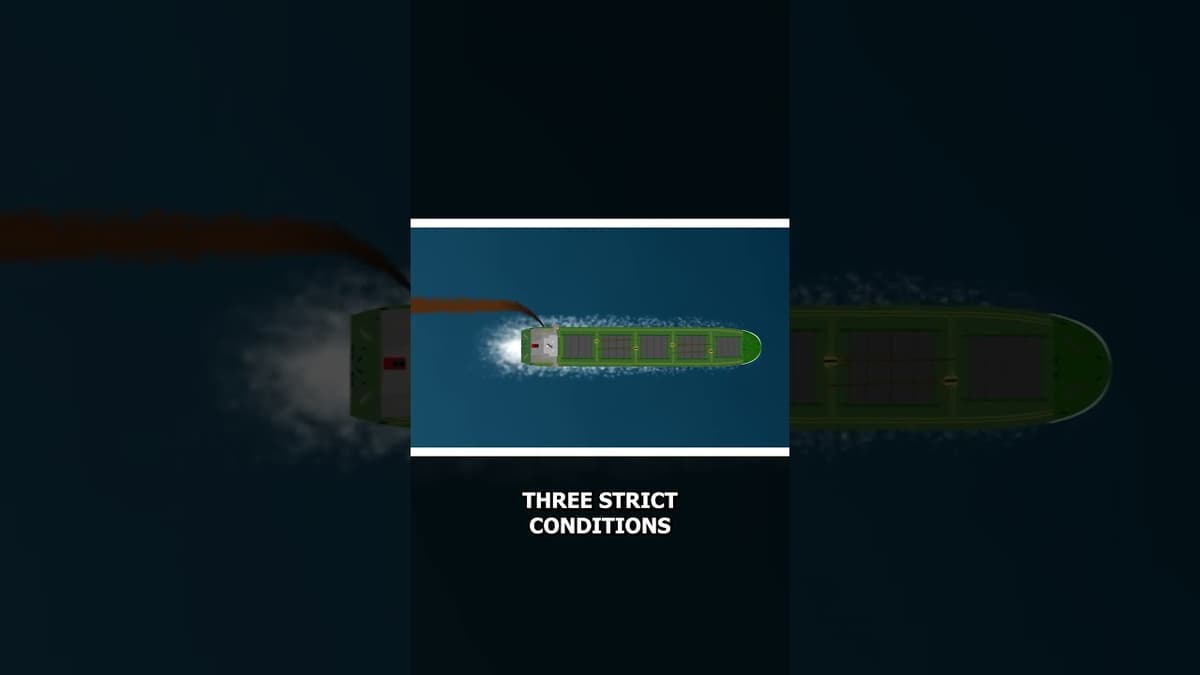
3 Illegal Mistakes Ships Make
The video highlights a common but illegal practice among oil tankers: discharging ballast water contaminated with residual oil after cargo off‑loading. Under international rules, ships may release this water at sea only if three strict conditions are met: they must be at least 50 nautical miles from land, the vessel must be moving forward, and the oil concentration cannot exceed 30 liters per nautical mile. These thresholds are presented as environmentally negligible, with the 30‑liter limit spread over a mile of ocean deemed harmless. However, the transcript points out that there is no reliable method to verify compliance, leaving a gap between regulation and enforcement. The lack of real‑time monitoring means ships could easily exceed the limit without detection. A key quote from the video notes, “30 L of oil spread over a nautical mile is considered negligible with little to no impact on the marine environment,” underscoring the regulatory assumption that such dilution is safe. Yet the absence of verification mechanisms casts doubt on that claim. The broader implication is that without robust monitoring, ballast‑water discharges may contribute to hidden marine pollution, exposing the shipping industry to reputational risk and potential future stricter regulations. Strengthening oversight could protect ocean health and ensure compliance with environmental standards.
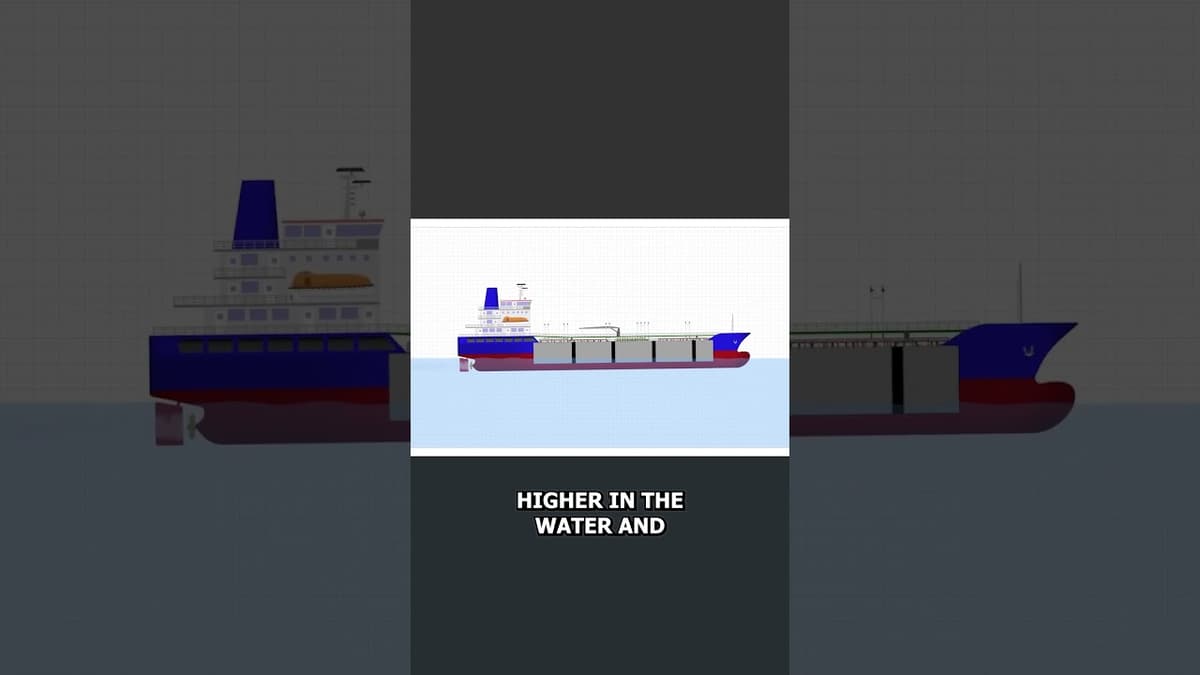
The Physics Threat To Empty Tankers
The video explains why an oil tanker becomes a physics problem once it unloads its cargo. With no cargo weight, the vessel rides higher in the water, exposing the propeller and compromising stability, so operators must introduce seawater ballast to...

Why Ships Dump Oil On Purpose
The video explains why commercial vessels deliberately discharge oil‑laden water and how international rules shape that practice. In a ship’s engine room, seawater used for cooling mixes with oil leaks and maintenance residues, forming oily bilge water that accumulates in...
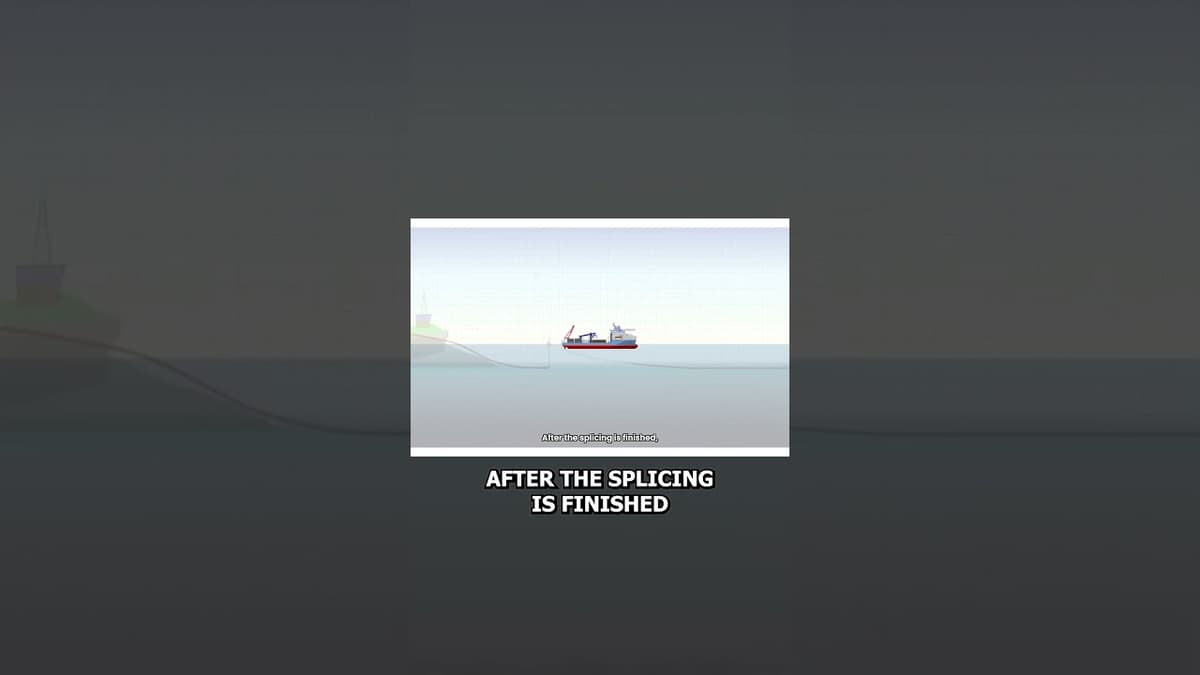
Splicing & Dynamic Positioning
The video explains how ships performing undersea cable repairs rely on a dynamic positioning (DP) system to maintain exact location while splicing fiber links. DP continuously ingests GPS data, weather forecasts and sea‑state information, then commands thrusters to counteract drift, preventing...
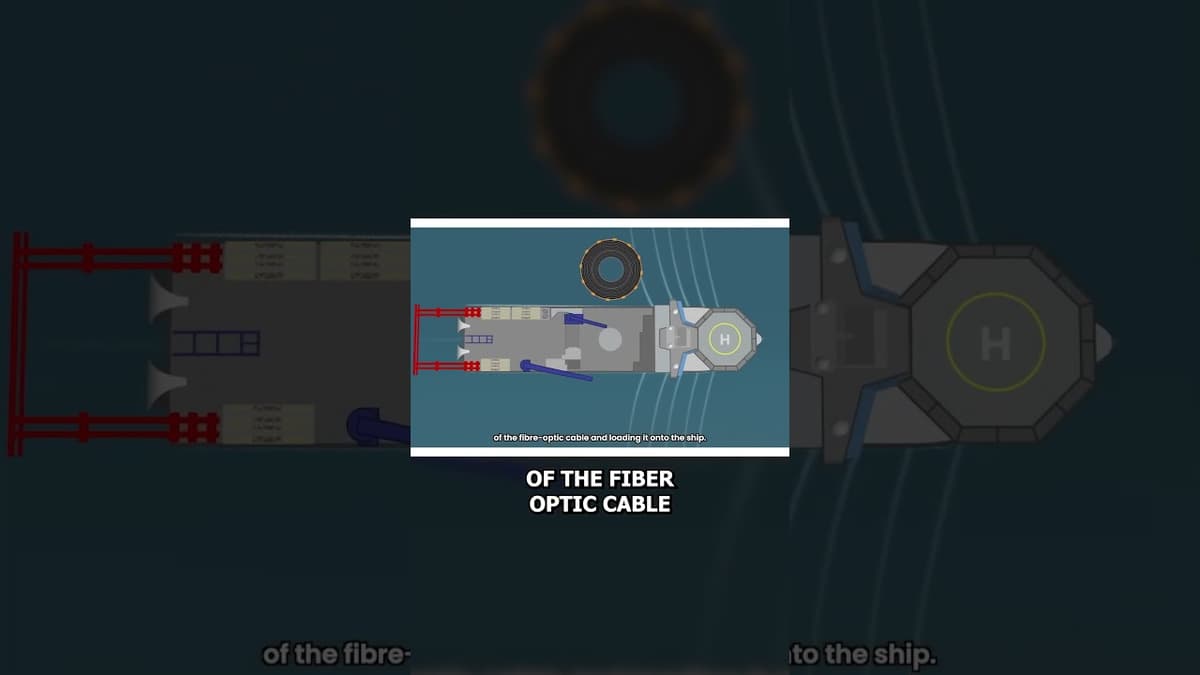
How the Internet Crosses Oceans
The video explains that the invisible backbone of the internet is a network of submarine fiber‑optic cables that carry data between continents. Engineers first analyze geological maps, then deploy research vessels with sonar to verify the seabed. Once a route is...
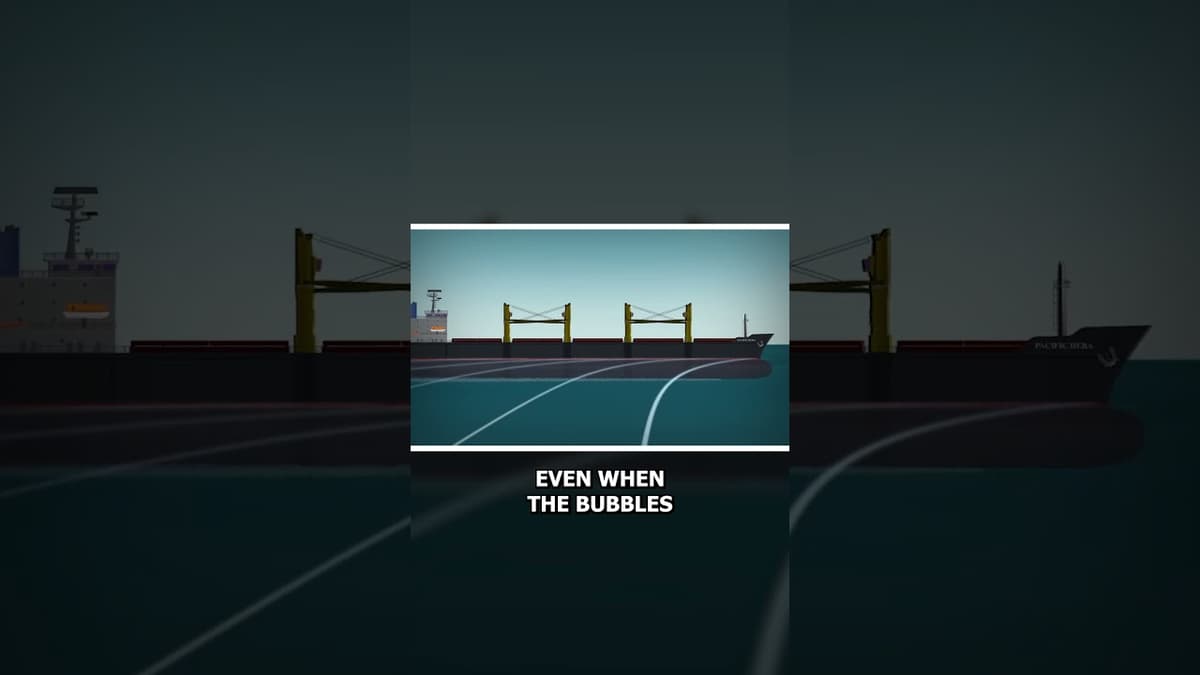
The Power of Microbubbles
The video explains micro‑bubble air lubrication systems (ALS) that inject tiny bubbles along a vessel’s hull to cut frictional resistance. Unlike a continuous air‑layer that reduces contact area, microbubbles change the water’s density around the hull. Optimal performance requires bubbles smaller...
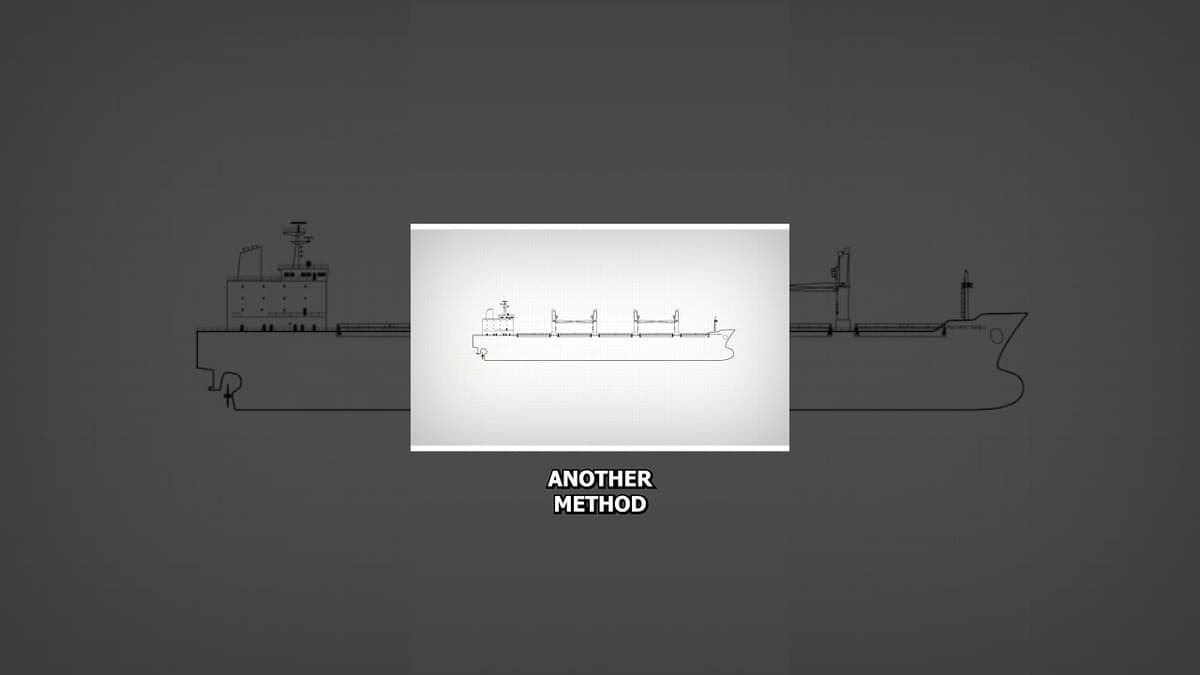
How Air Acts Like a Lubricant
The video explains how introducing air beneath a vessel’s hull can act as a lubricant, cutting friction between water and the hull. Two primary techniques are discussed: direct air injection that forms a continuous air blanket, and the Russian Navy’s...
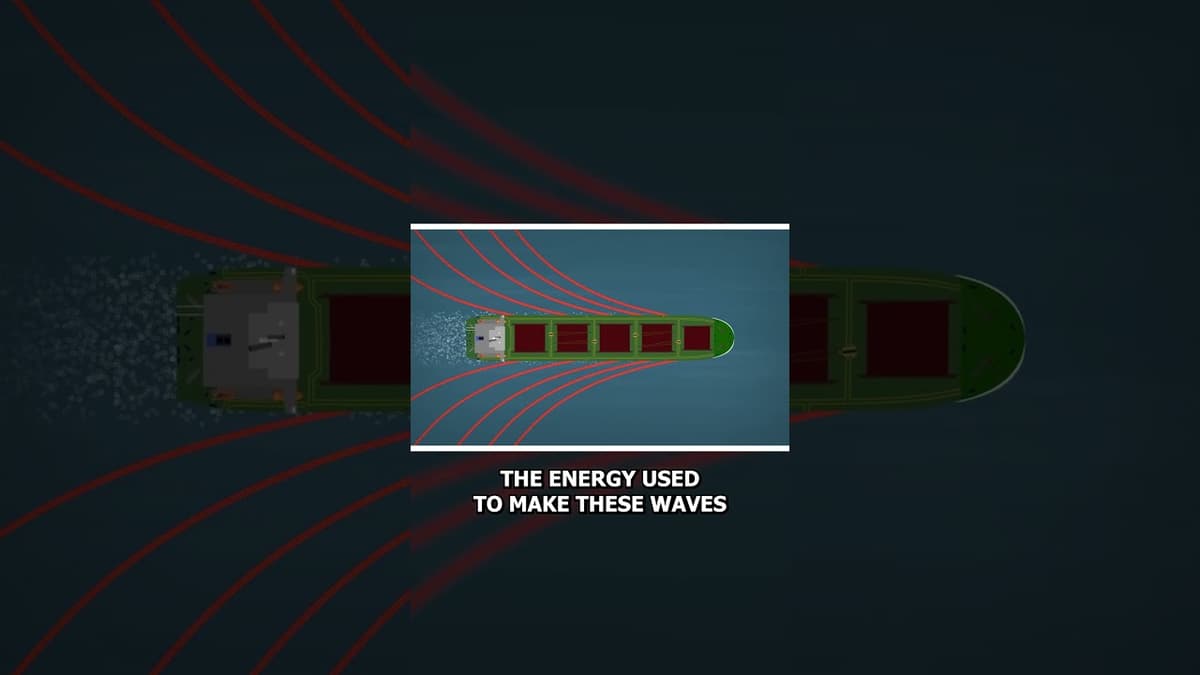
The Secret of Ship Bubbles
The video explains how the U.S. Navy pioneered a bubble‑stream system after World War II to conceal a ship’s acoustic signature, a practice that later inspired commercial air‑lubrication technology. By injecting a continuous layer of air along the hull, the bubbles...
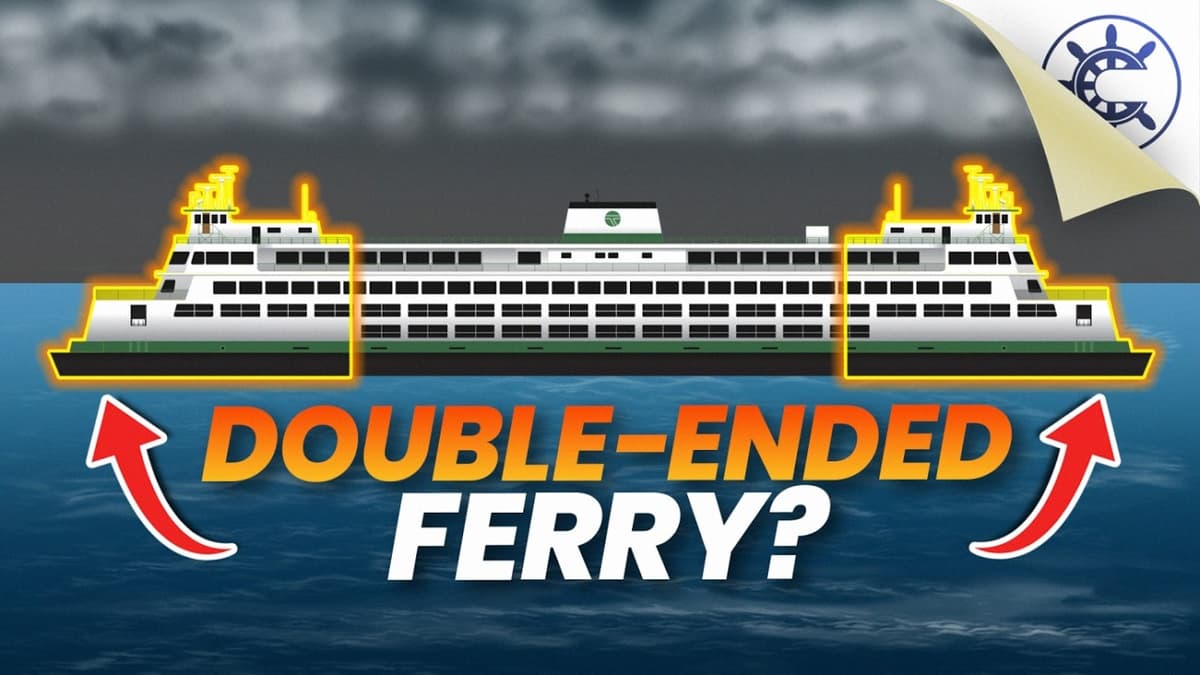
Why Do These Ships Have No Front?
The video explains why certain ferries appear to have no front, describing double‑ended vessels that can operate in either direction without turning around. It details the engineering: a symmetrical hull, ramps at both ends, either bridge active, and dual propellers...
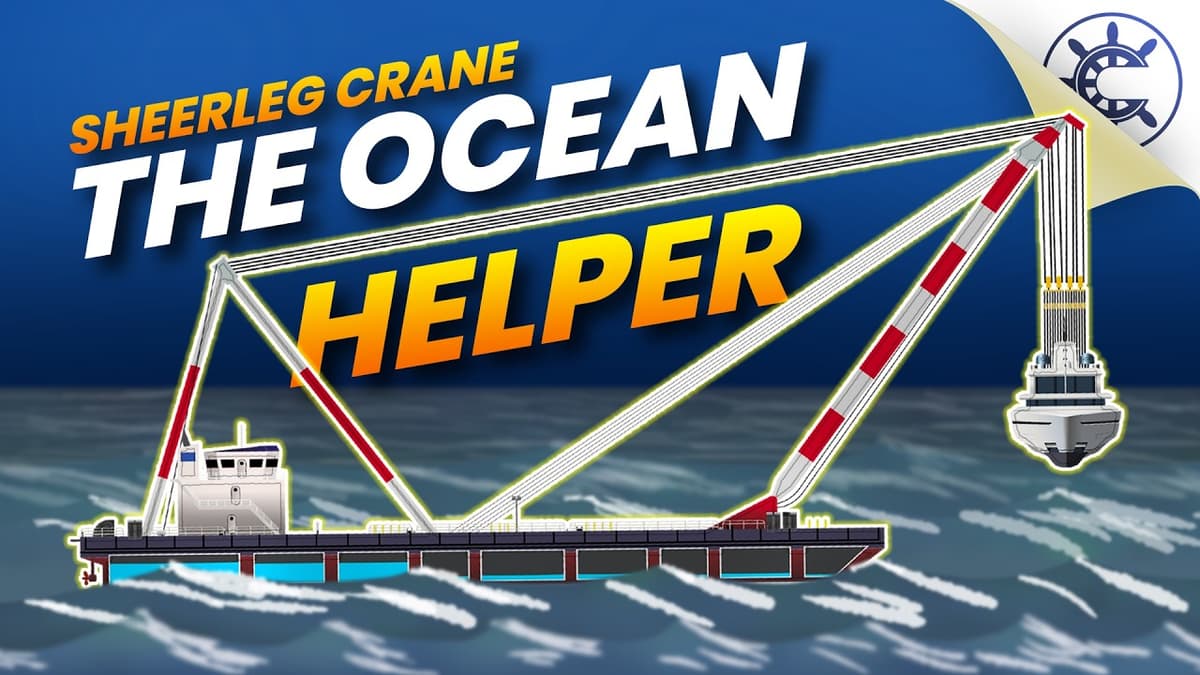
Why Don’t Floating Cranes Tip Over?
The video explains how floating crane barges can hoist multi‑thousand‑ton vessels without capsizing. It breaks down the engineering of the pontoon, counterweight, ballast system, and crane structure that together keep the platform stable. A massive, flat‑bottomed pontoon displaces enough water to...
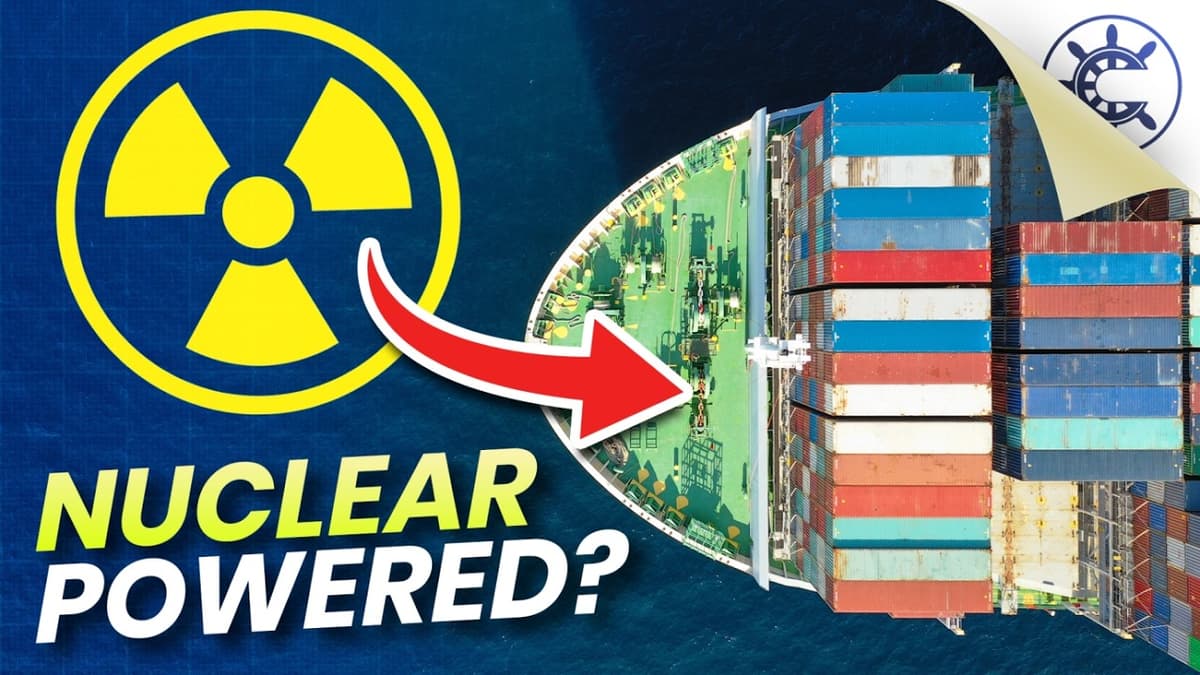
Why Nucler-Powered Cargo Ships Don't Exist?
The video examines why nuclear‑propelled cargo vessels remain a rarity, despite a handful of prototypes such as the U.S. NS Savannah, Germany’s Otto Hahn, Japan’s Mutsu and the Soviet Union’s Semaput. It contrasts these attempts with Russia’s civilian nuclear icebreakers,...
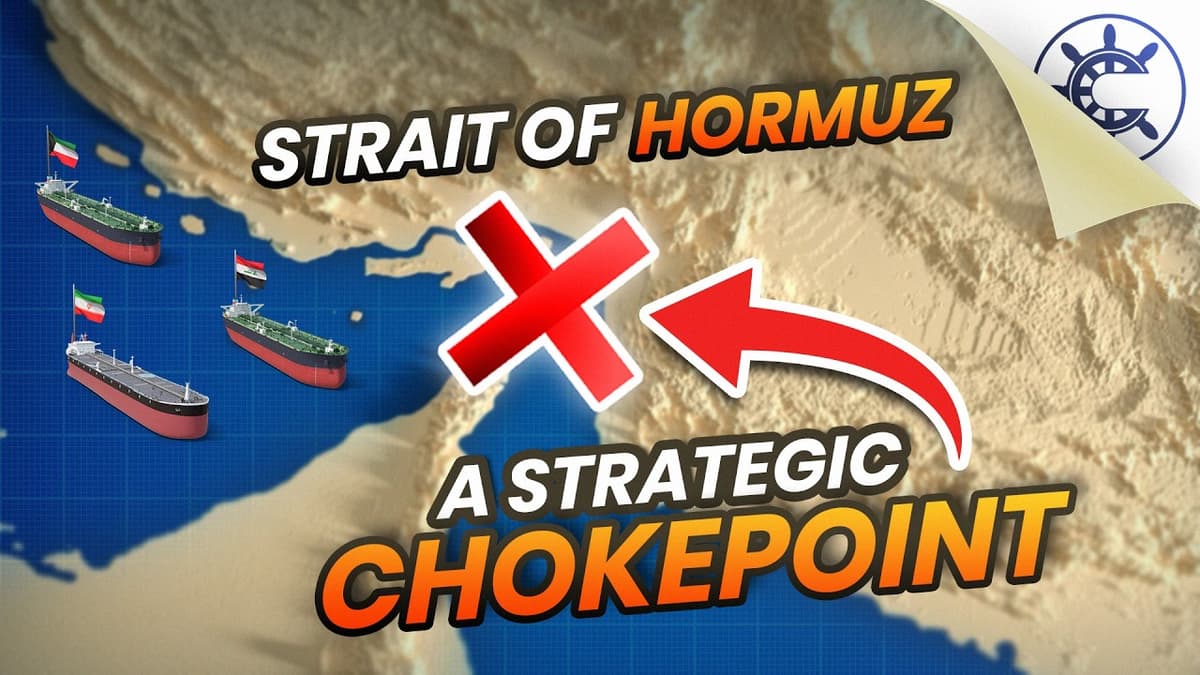
Why Is the Strait of Hormuz So Important
The video explains why the Strait of Hormuz is the world’s most critical oil choke point and how recent hostilities have turned it into a flashpoint for global energy markets. Roughly 21 million barrels of crude—about one‑fifth of worldwide consumption—transit the...
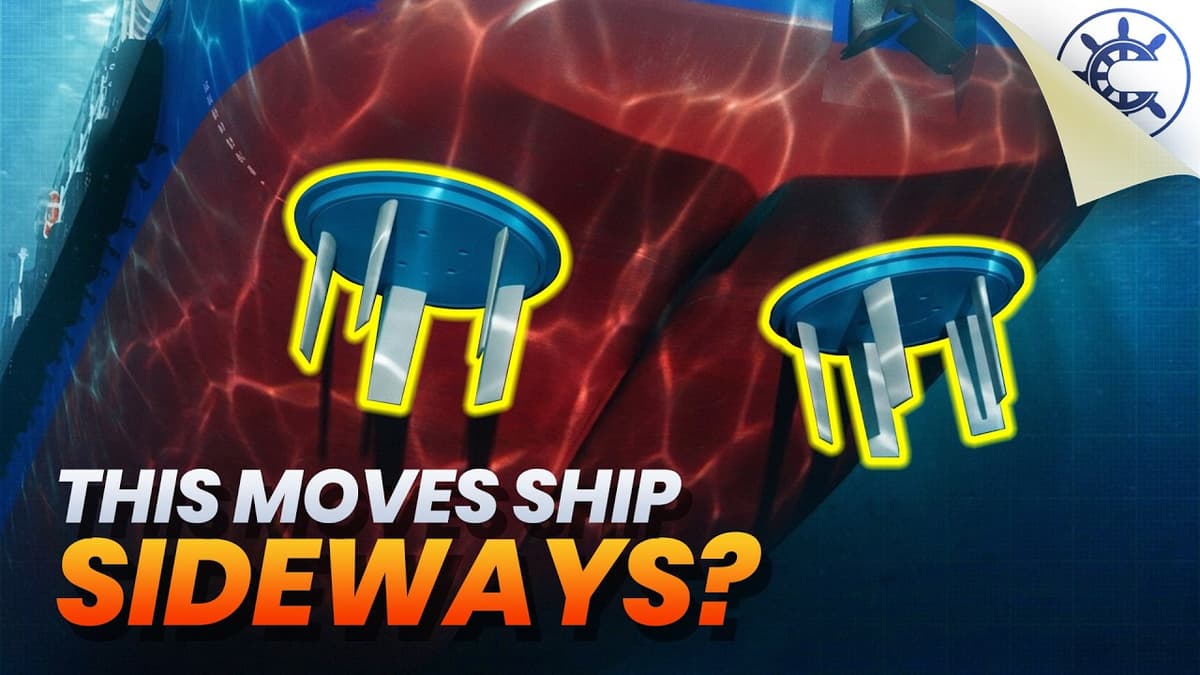
Why Do Some Ships Use Vertical Propellers?
The video explains the Voy‑Schneider vertical shaft propeller (VSSP), a disc‑mounted, vertically oriented propulsion system that can vector thrust in any direction without turning the entire unit. Unlike conventional horizontal shafts, the VSSP’s disc spins at constant speed while each blade’s...
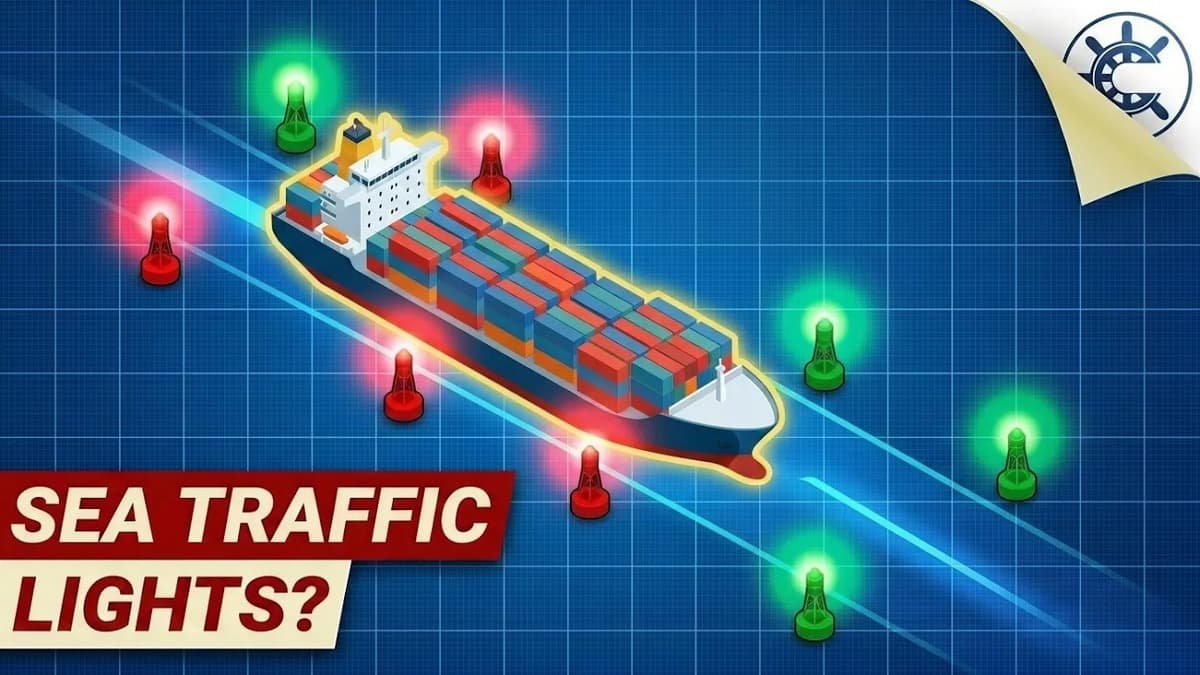
Why Red and Green Buoys Can Mislead You?
The video breaks down the international buoy system that tells mariners where water is safe, where hazards lie, and how to interpret red and green lateral marks. While the COLREGS set the rules of the road at sea, they stop...
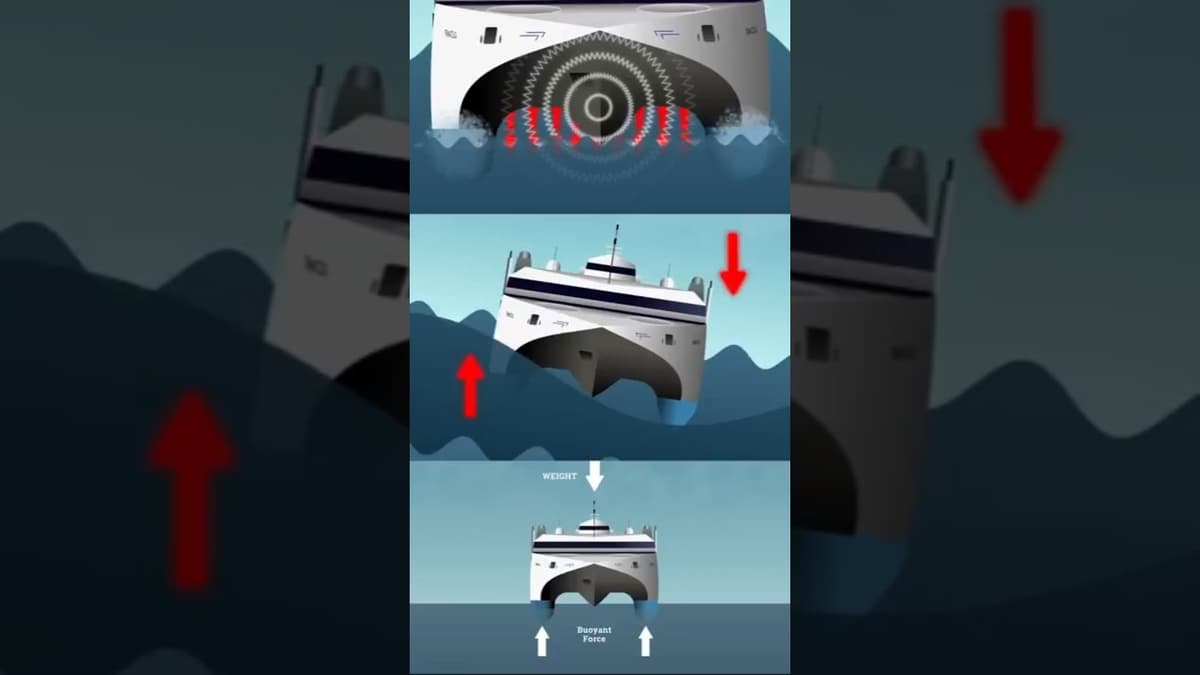
What Keeps A Catamaran Stable?
The video explains why catamarans are both praised and critiqued for their stability, highlighting how their twin‑hull configuration influences rolling, pitching, and overall seaworthiness. While the wide separation of two slender hulls virtually eliminates side‑to‑side roll, the same narrow sections reduce...

How Liquified NATURAL GAS Tankers Work
Liquefied natural gas (LNG) carriers are purpose-built vessels featuring large spherical, heavily insulated tanks that store LNG at about -62°C to keep it in liquid form during long voyages. The extreme cold and risk of vaporization—LNG expands roughly 600 times...
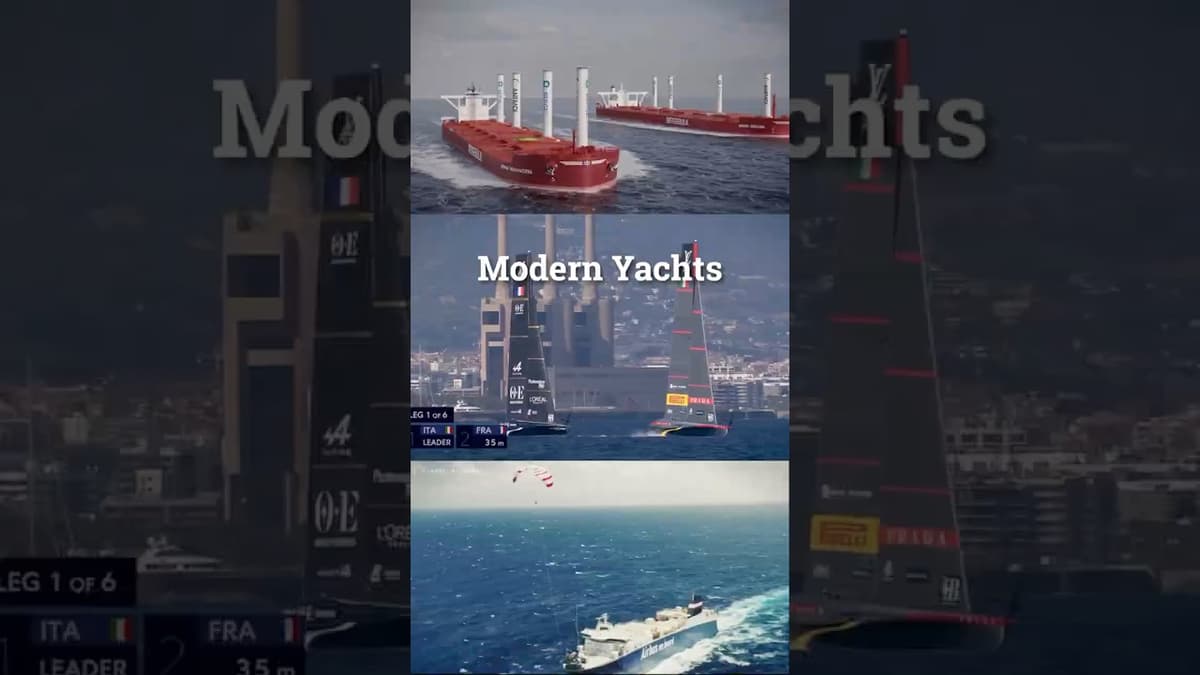
What You Don't Know About Modern Sail Ships
The video spotlights a renaissance in wind‑propelled shipping, where lightweight carbon‑fiber yachts and commercial vessels are leveraging cutting‑edge sail geometries, vertical‑axis rotors and high‑altitude kites to sail closer to the wind than ever before. Modern yachts now sport tall,...
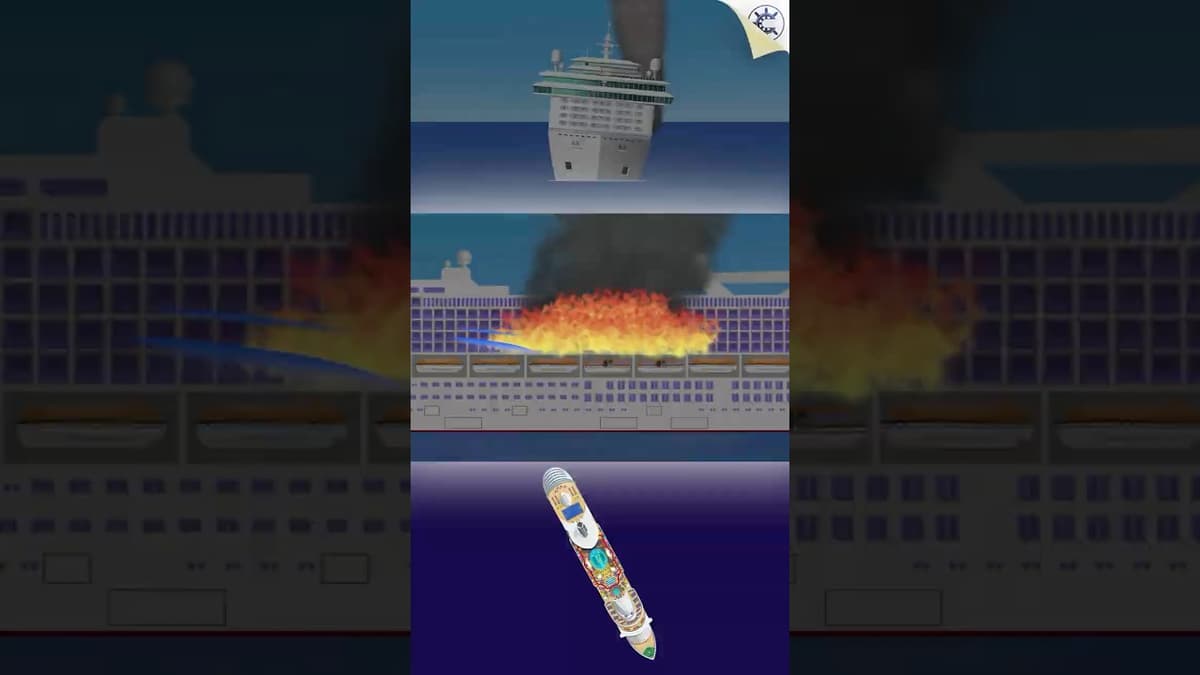
How To Fight FIRE in a Cruise Ship
The video details emergency response to a balcony fire aboard a cruise ship, describing how crews tackled the blaze using specialized equipment and tactics. High‑fog suppression system contained flames to balconies but did not clear smoke, forcing firefighters in full breathing...