
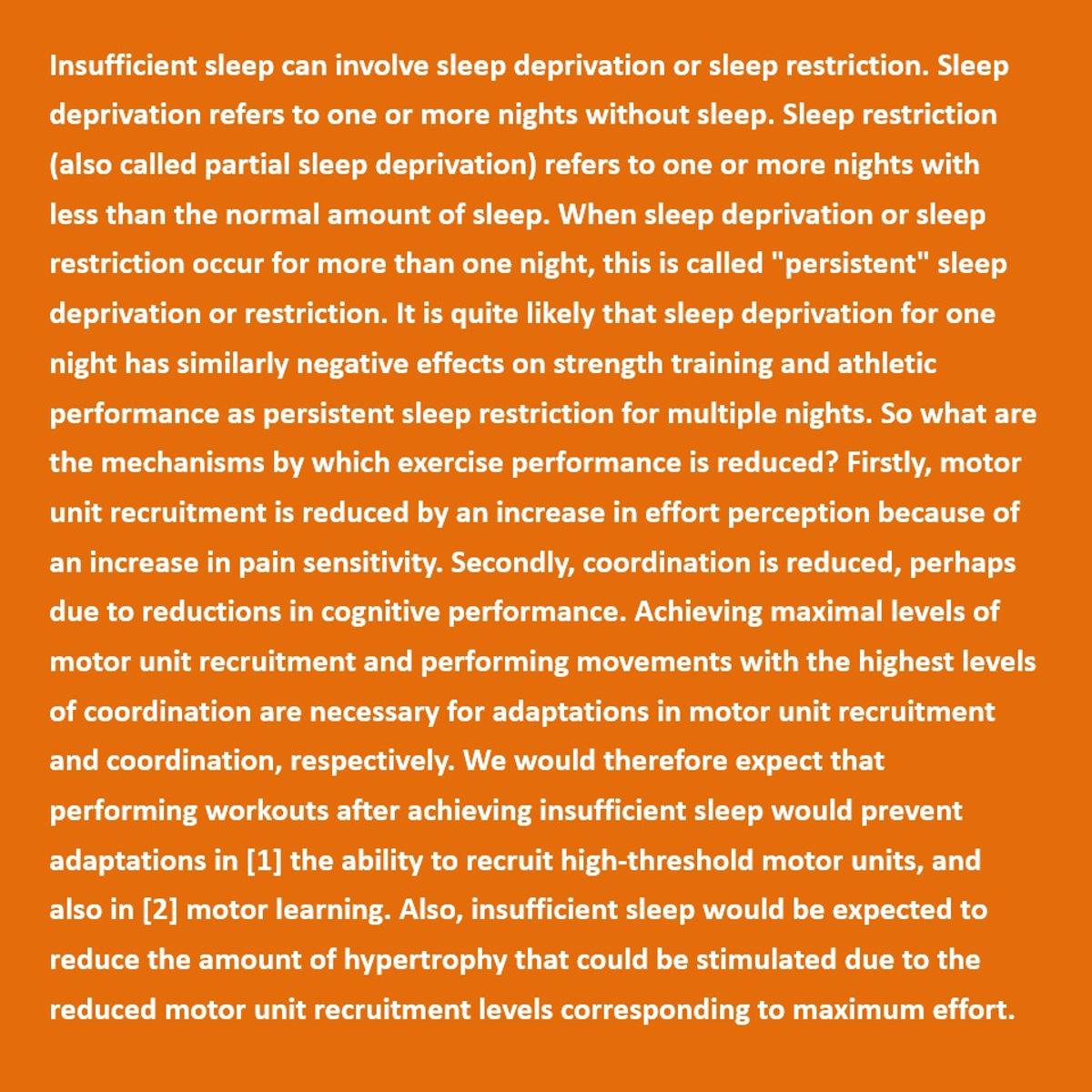
Lack of Sleep Limits Athletic Adaptation and Growth
Insufficient sleep reduces the stimulus for various adaptations, which has implications for athletes and bodybuilders. See Patreon for the full article with citations. https://t.co/8zO1rlf9qT
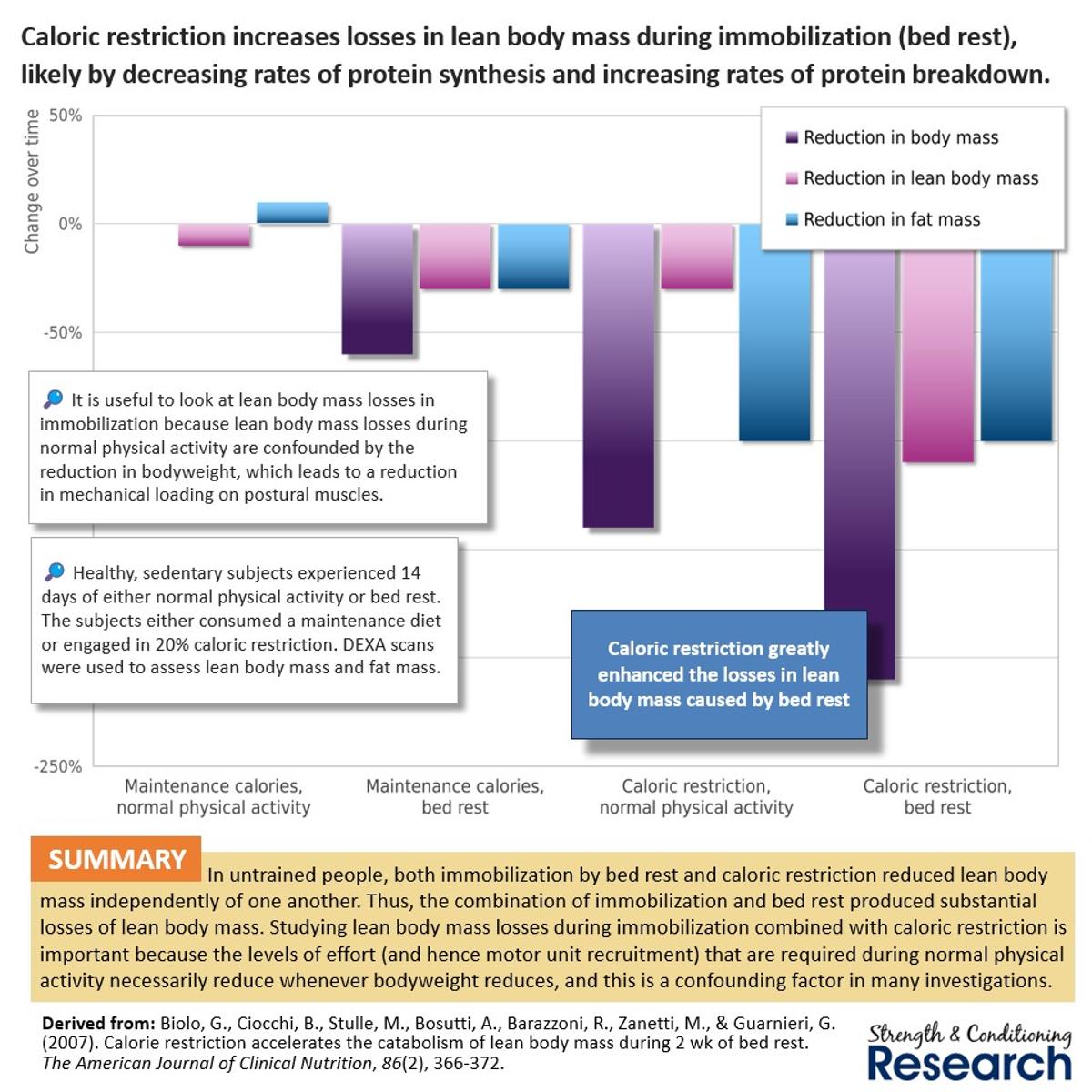
Immobilization Studies Isolate Calorie Restriction’s Impact on Muscle
Figuring out whether caloric restriction reduces muscle mass is difficult when physical activity levels are normal because the reduction in bodyweight changes the number of activated fibers in activities of daily life. Immobilization studies provide an answer. https://t.co/F2N3IuCkiY
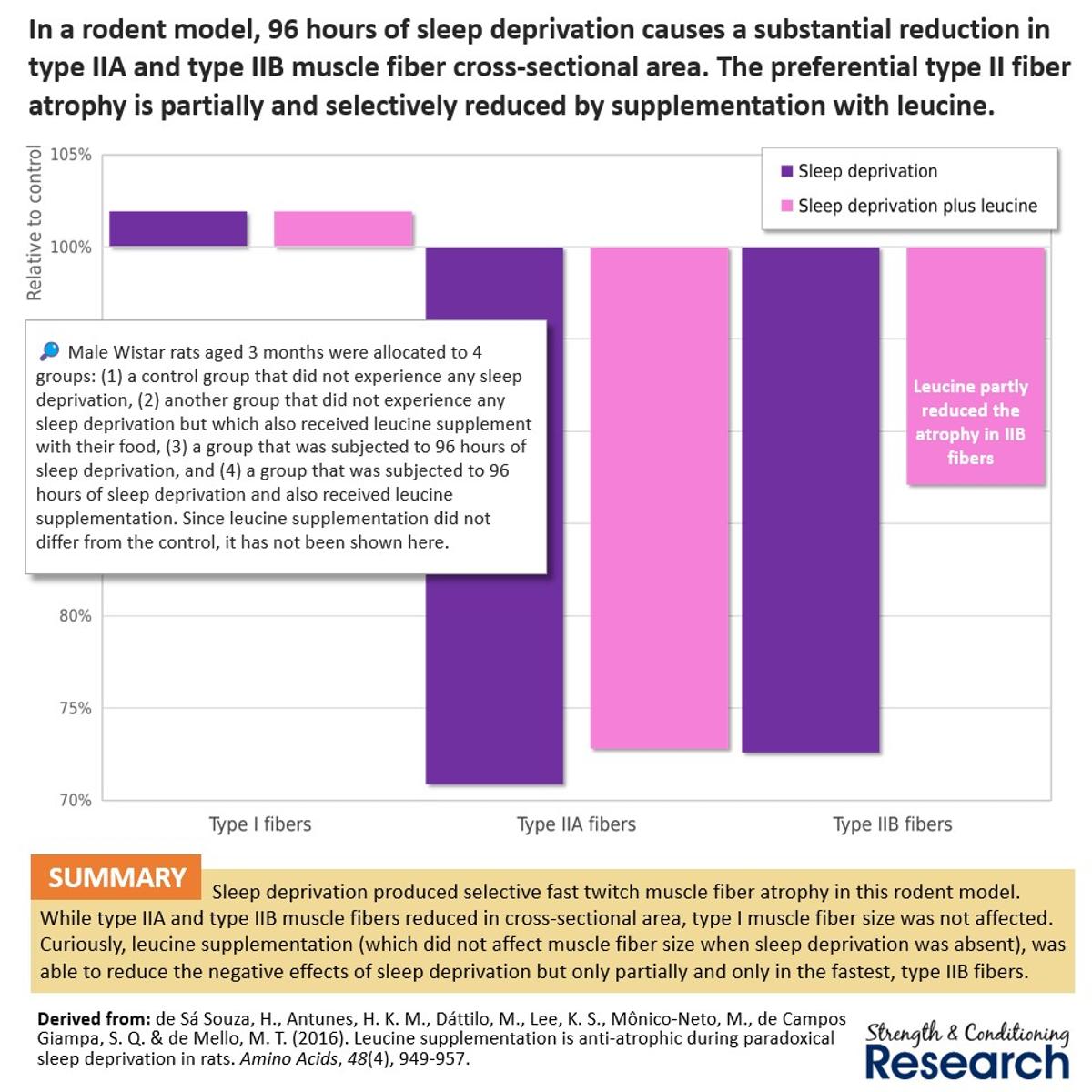
Sleep Loss Targets Fast‑twitch Glycolytic Muscles for Atrophy
When muscular atrophy is recorded in animal models of sleep loss, the glycolytic fast twitch muscle fibers are preferentially affected. Why this happens is not immediately obvious. https://t.co/vBsCp0Wjch
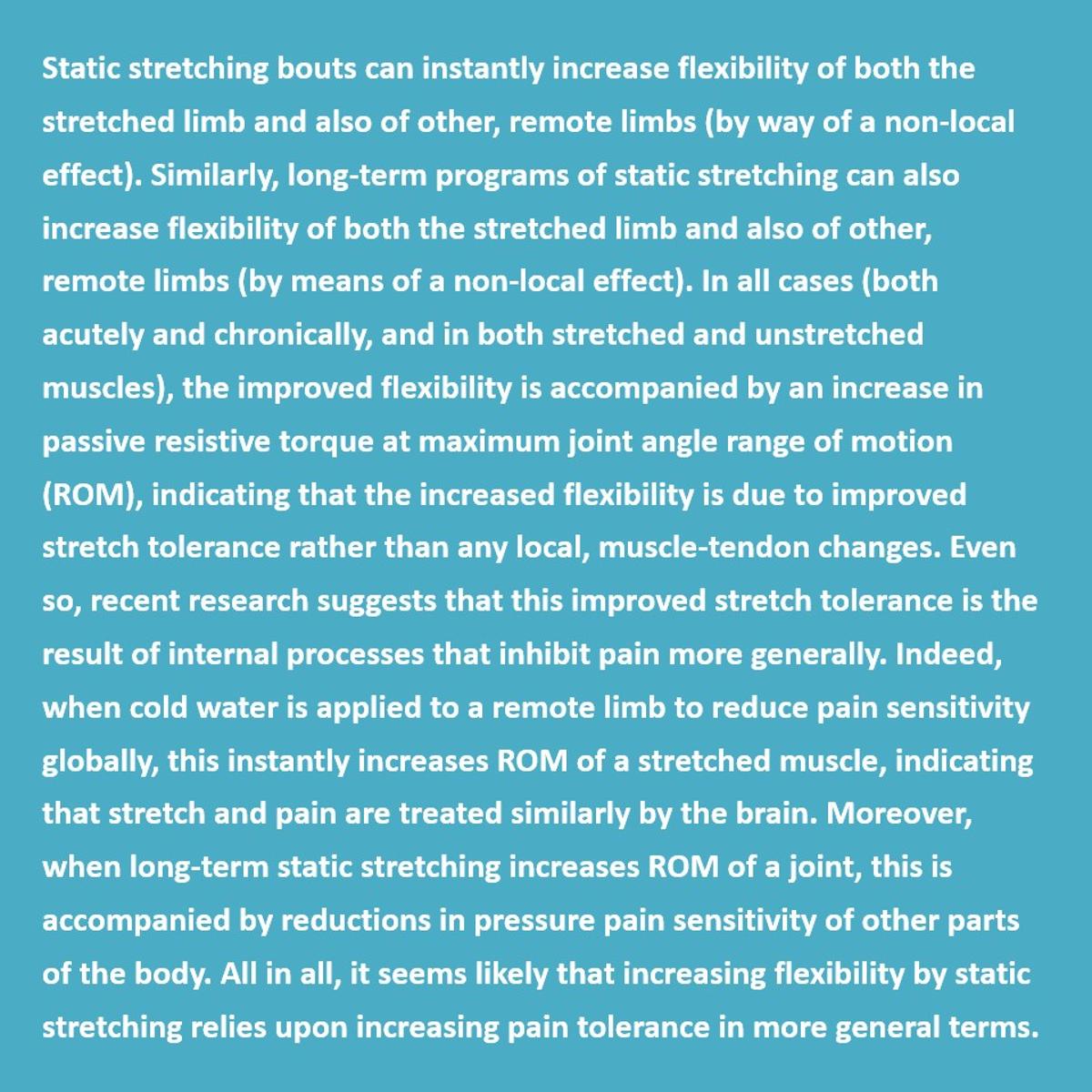
Static Stretching Boosts Flexibility Across All Limbs
Static stretching increases the flexibility of the stretched and unstretched limbs. But how does that work? Read more in the weekly free Patreon article. https://t.co/QbwDuj8t2K
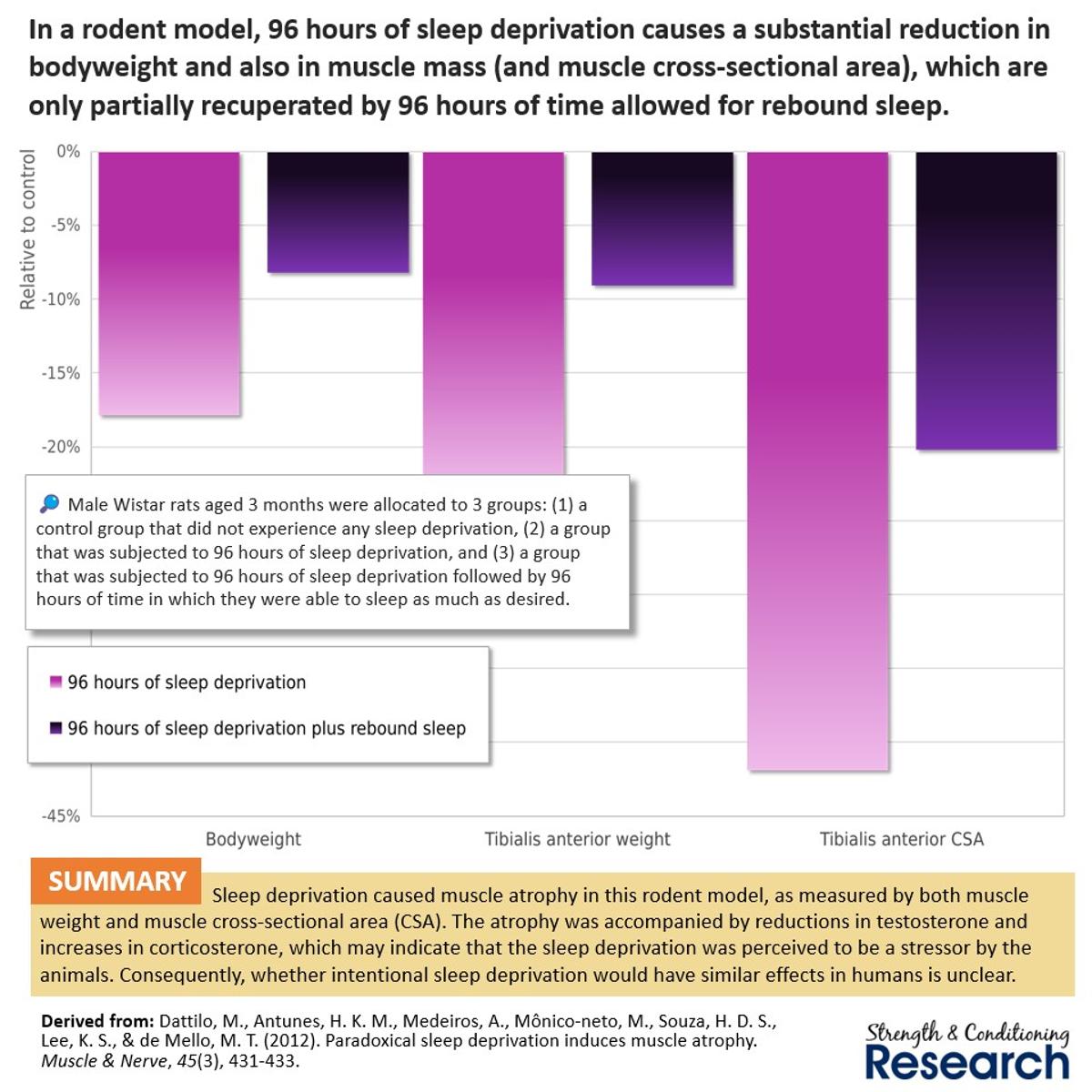
Sleep Deprivation Leads to Major Muscle Atrophy in Rodents
Lack of sleep directly produces substantial muscular atrophy in rodent models (although it is not always easy to disentangle the effects of stress and sleep loss in such cases). https://t.co/ah019I6zNw
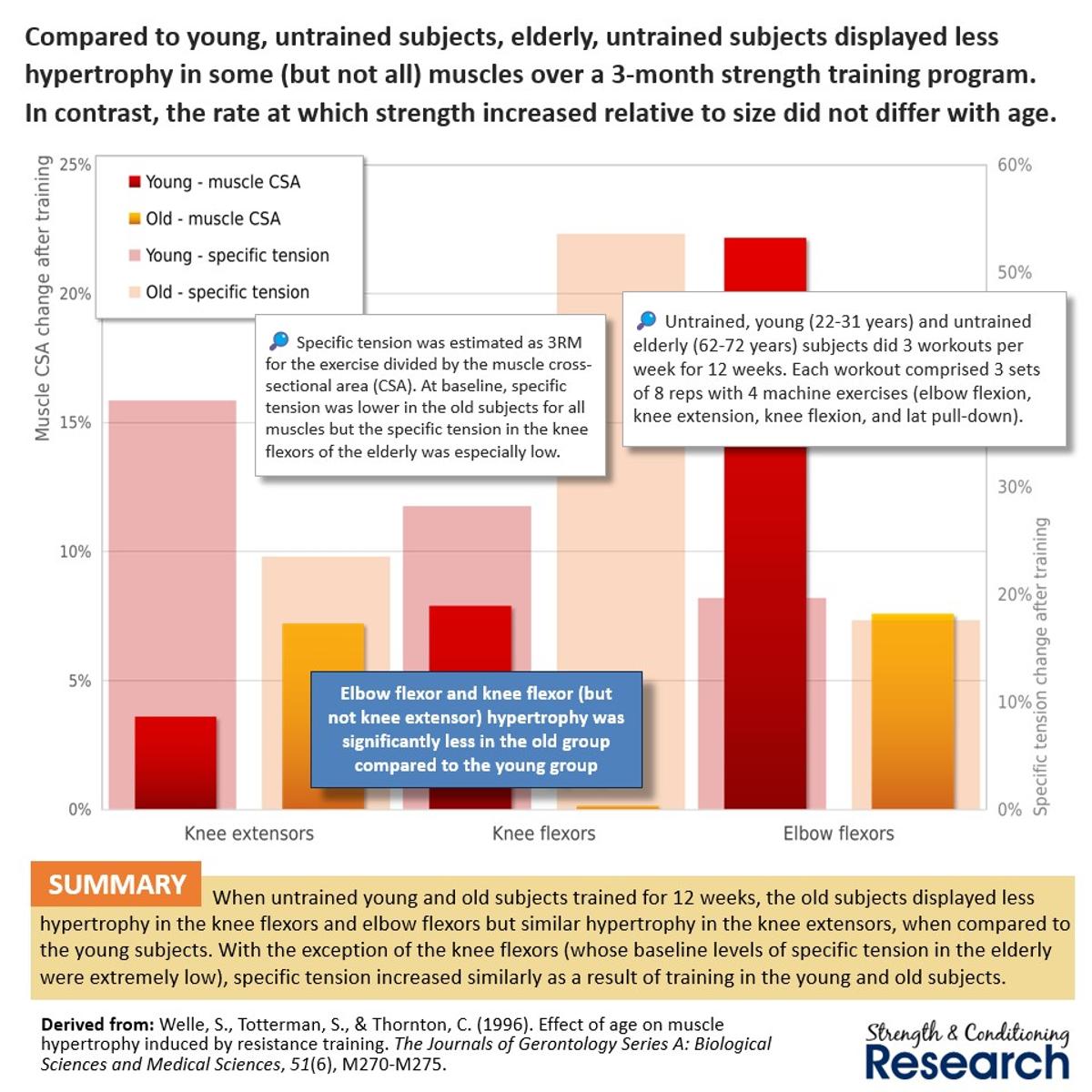
Older Adults' Muscle Gains May Vary by Muscle Type
It is well-known that elderly people experience smaller gains in muscle size as a result of following the same strength training program as younger people. Whether this problem is universal or muscle-specific, however, is less clear. https://t.co/e1CMXYMDt0
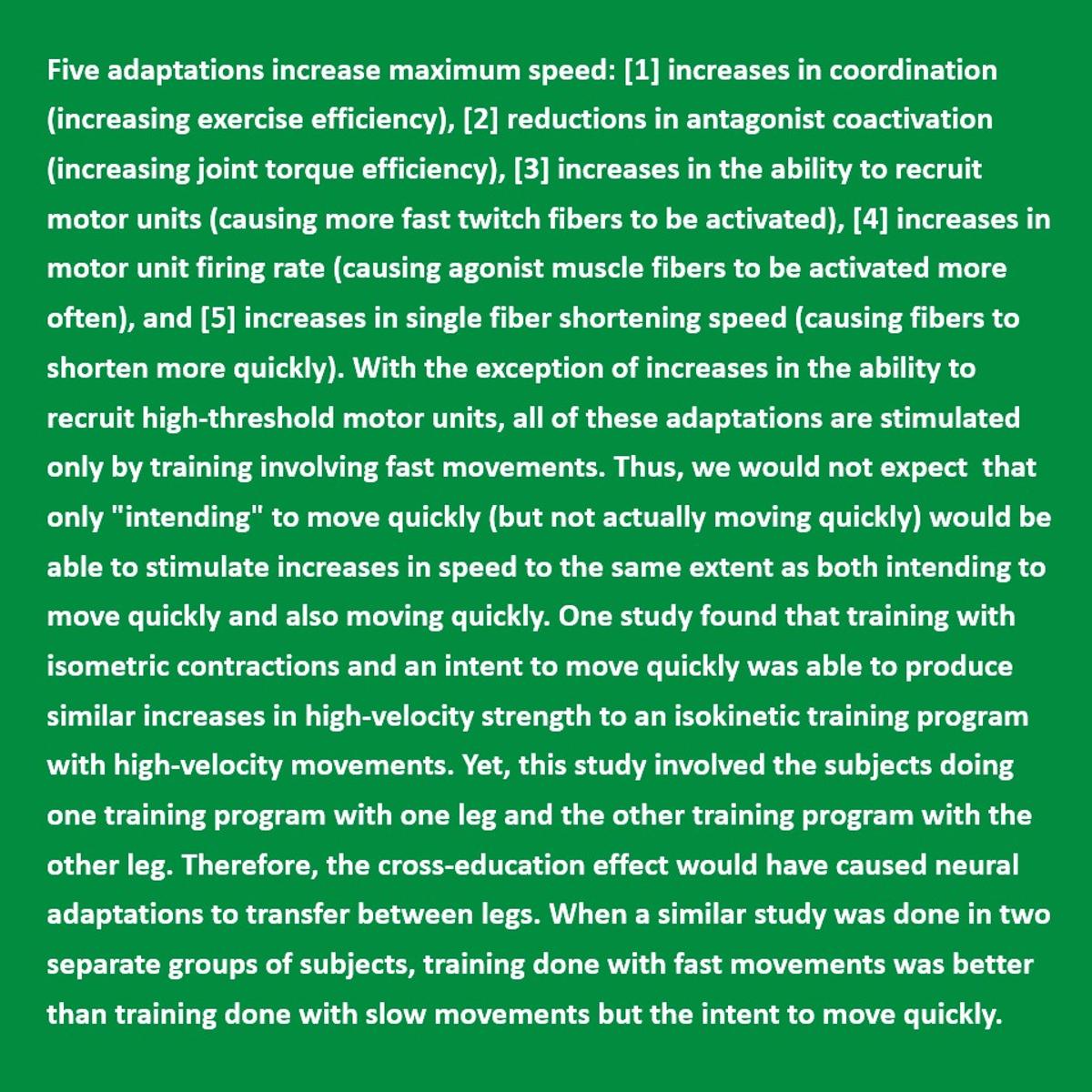
Speed Requires More Than Intent, Physiology Matters
For at least a decade, S&C coaches argued that "intent to move quickly" was all that was necessary for speed development. That was never physiologically plausible. Read more in the free weekly Patreon article. https://t.co/uDrGZOGuBi
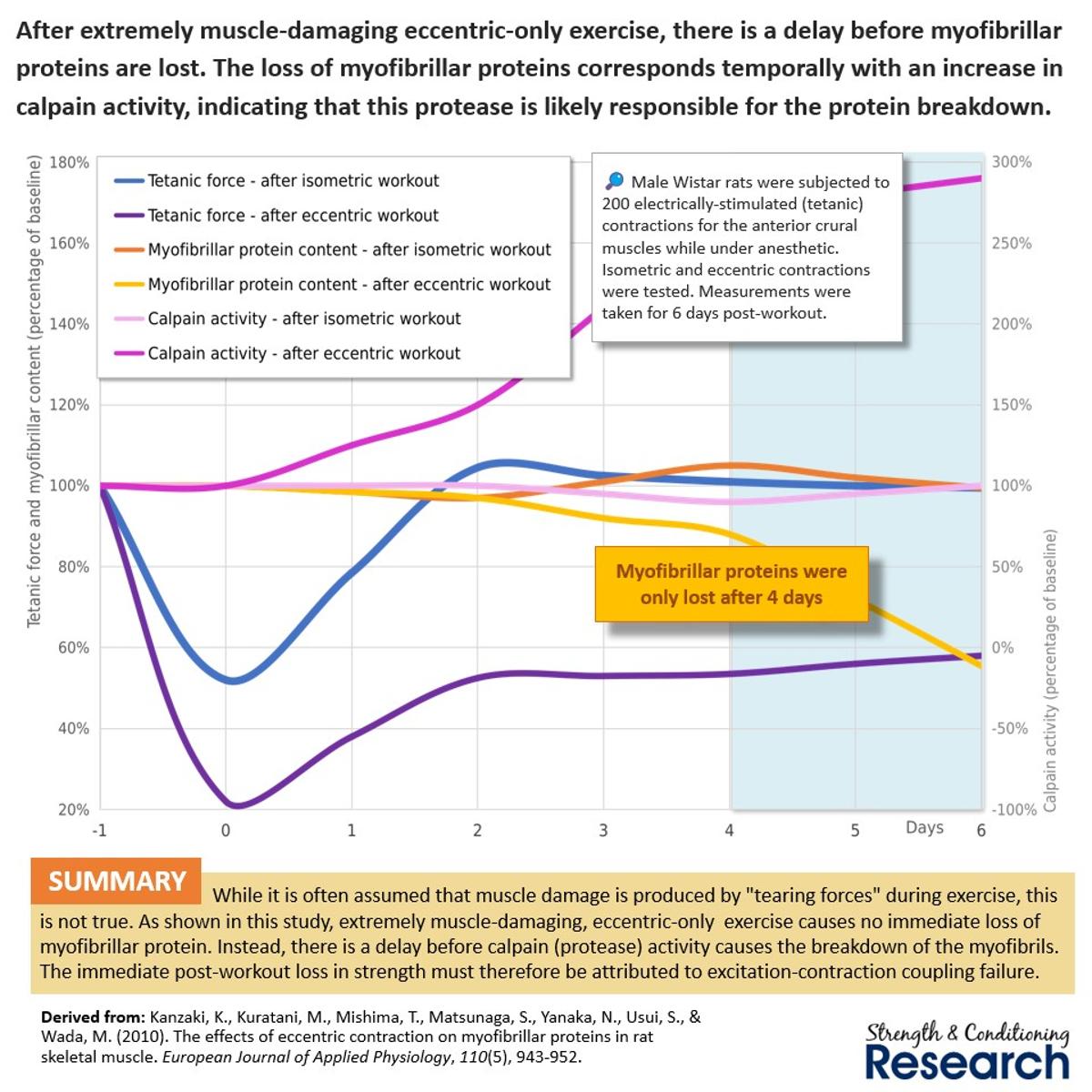
Muscle Damage Happens After, Not During Workouts
The fitness industry persists in claming that muscle damage is caused by "tearing forces" in a workout when it is obvious from the literature that muscle damage is created in the post-workout period. Also, the greater the damage, the longer...
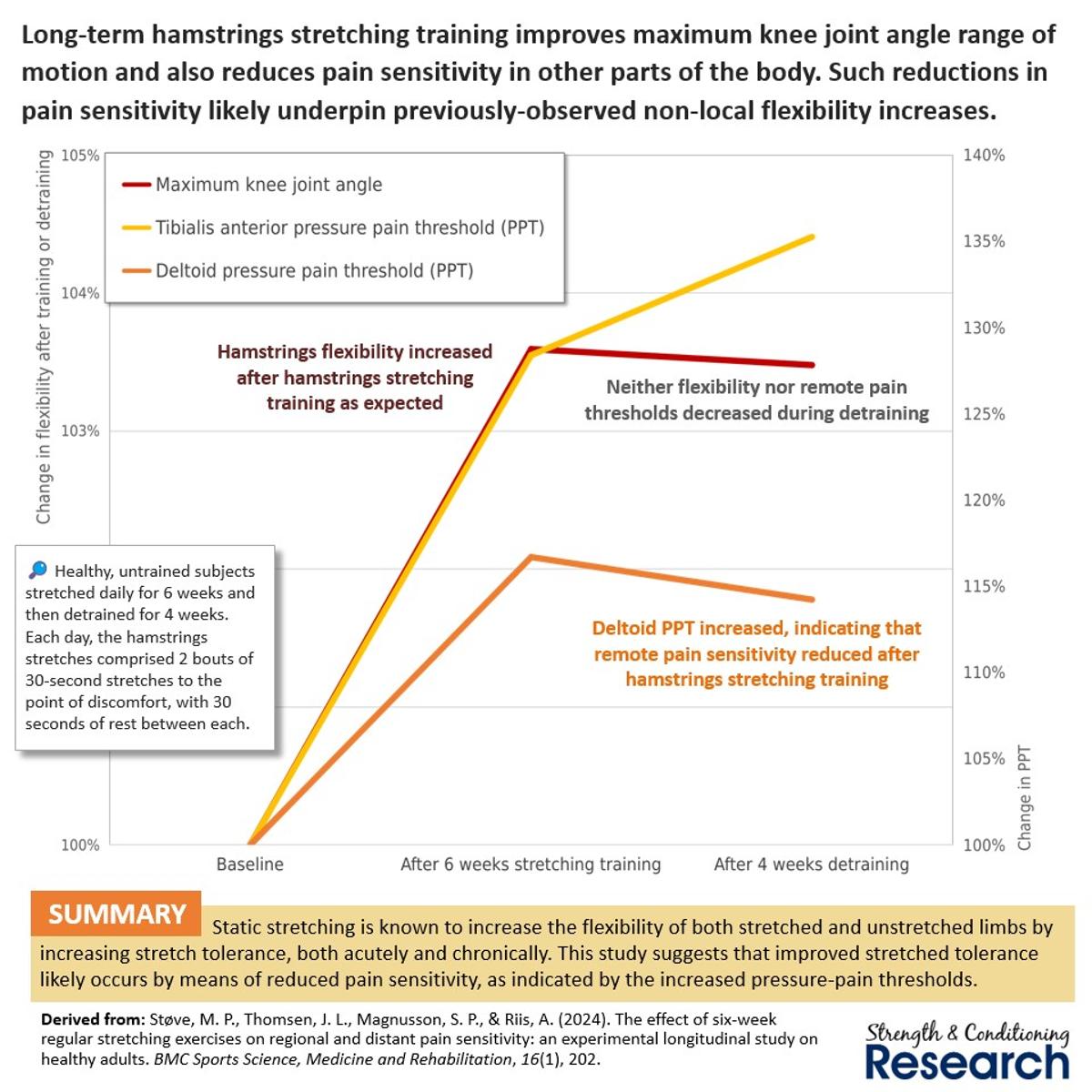
Static Stretching Boosts Flexibility and Pain Tolerance Alike
Long-term static stretching produces improvements in flexibility (by increasing stretch tolerance) but also increases pain tolerance more generally (as measured by pressure-pain thresholds). This shows that stretch tolerance and pain tolerance are very similar in nature. https://t.co/XEAOVCPQWi
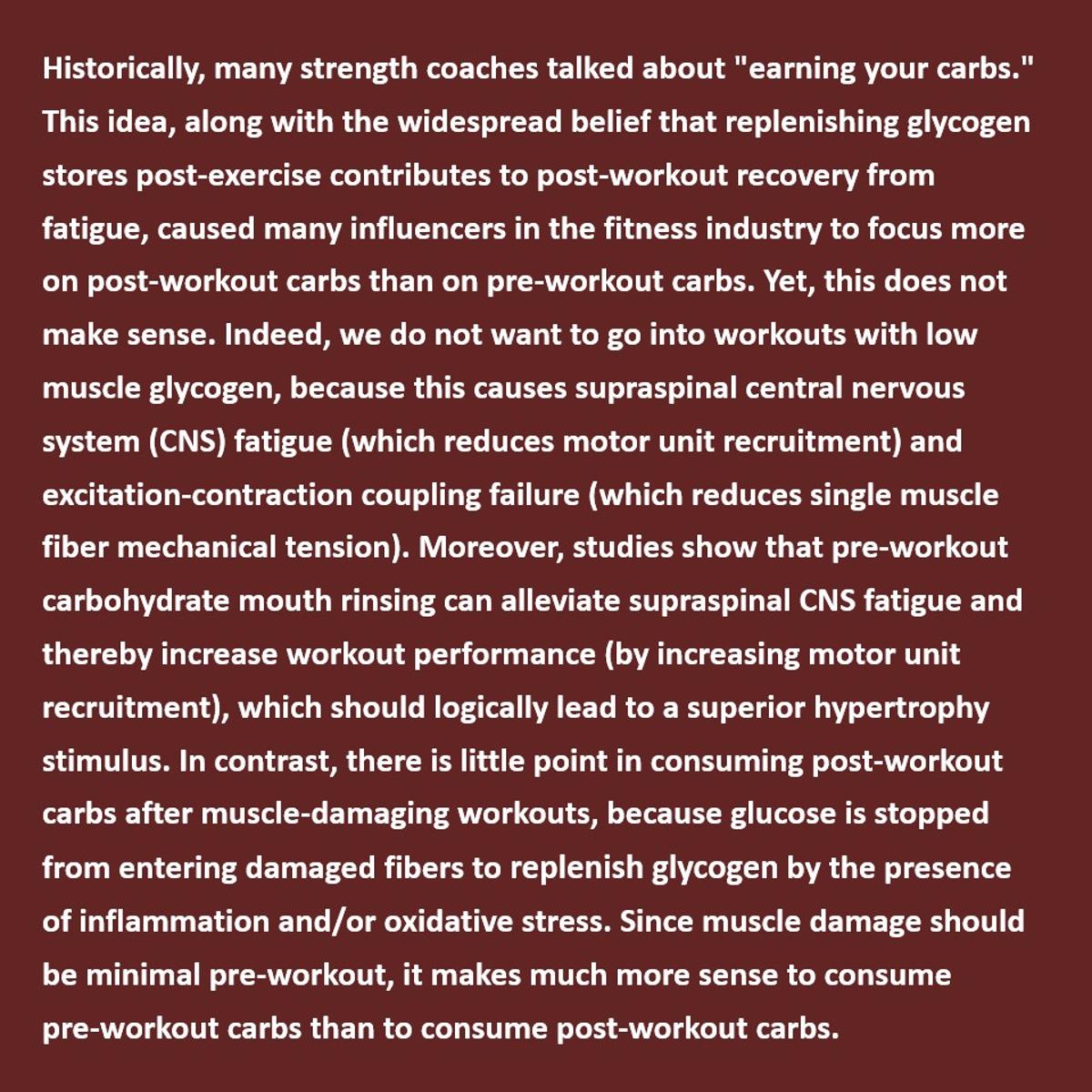
Pre‑Workout Carbs Boost Performance More Than Post‑Workout
Pre-workout carbohydrate consumption makes much more sense from a physiological point of view than post-workout carbohydrate consumption. Read more in the weekly free Patreon article. https://t.co/oBwerH28Pb
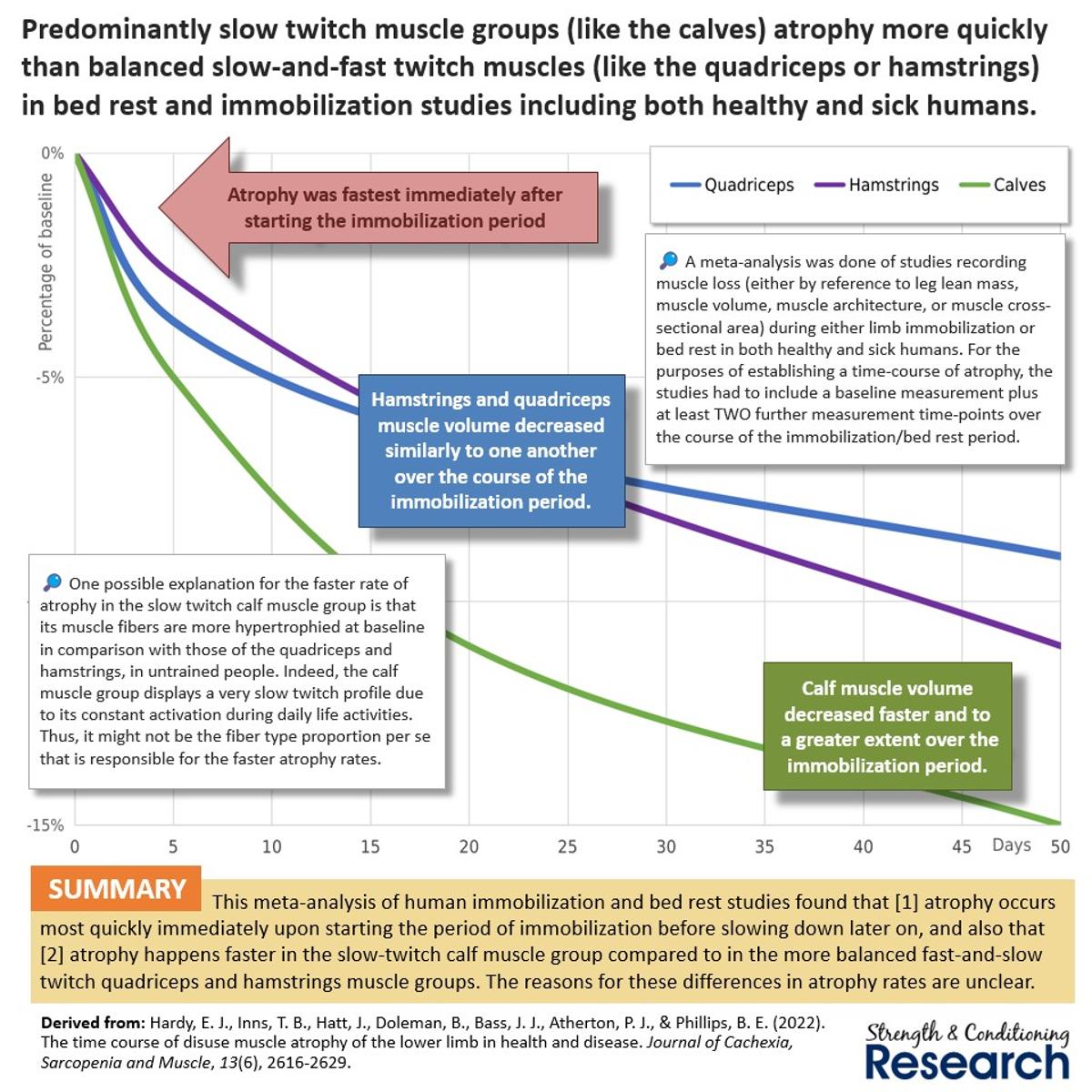
Postural Slow‑twitch Muscles Atrophy Faster when Immobilized
Slow twitch muscles (like the calves) atrophy more during immobilization. This might be explained by their postural role, since they tend to contain more hypertrophied fibers due to the activities of daily life, leading to greater atrophy during disuse. https://t.co/lDSyXbYdC3
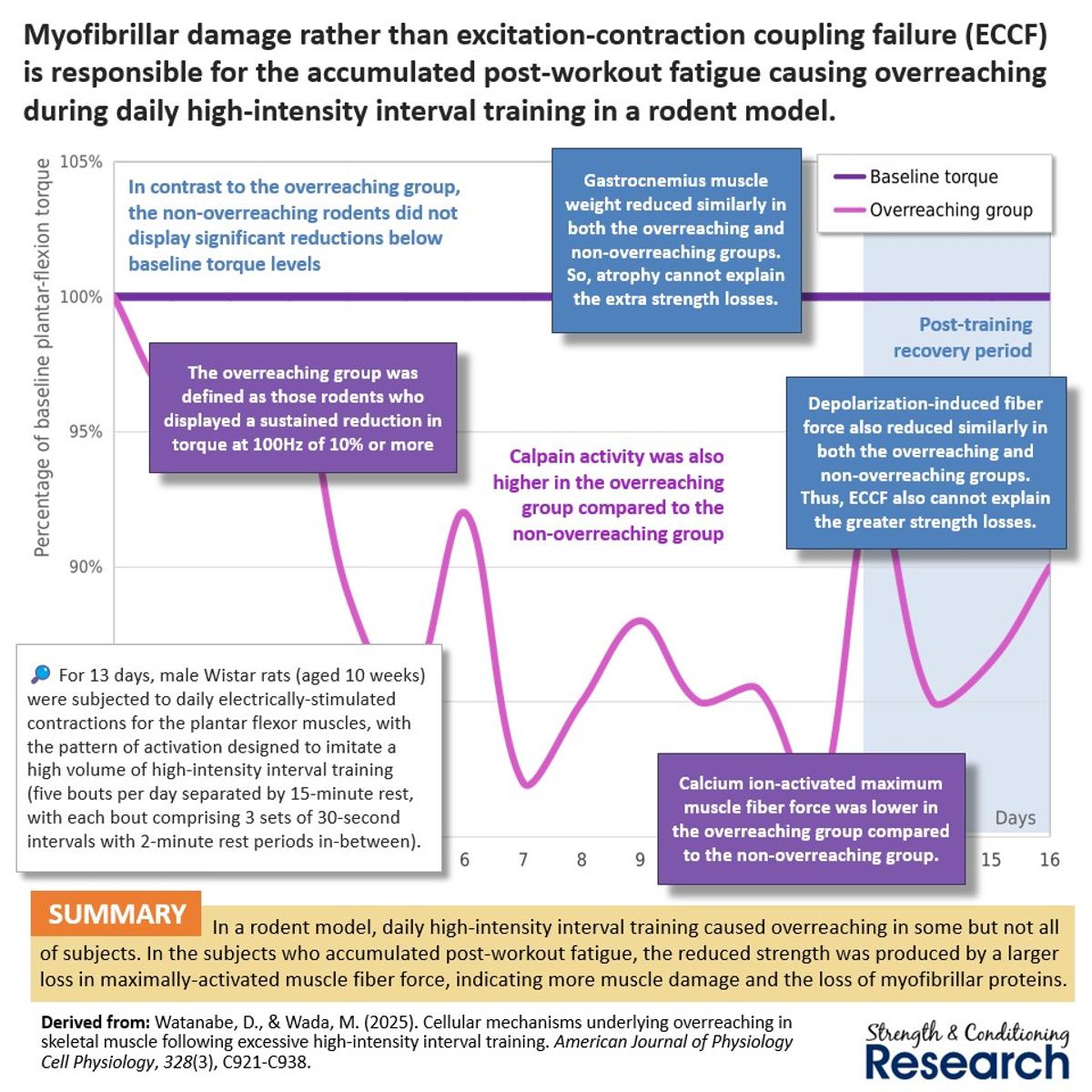
Muscle Damage Drives Overreaching, Not Coupling Failure
Overreaching is necessarily the result of accumulated post-workout fatigue. But which post-workout fatigue mechanisms accumulate? This study suggests it is mainly muscle damage rather than excitation-contraction coupling failure. https://t.co/gdpFbh7lVG
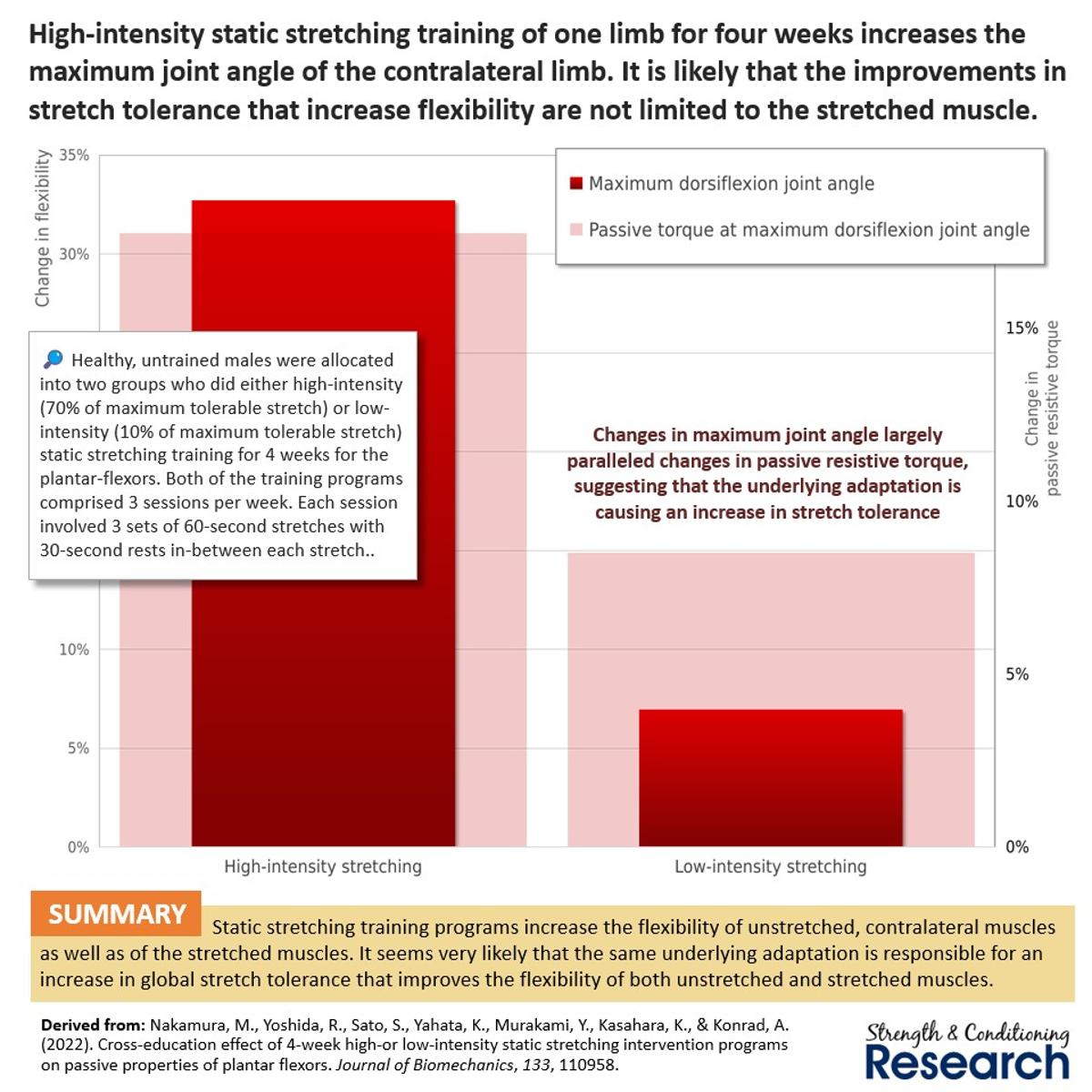
Static Stretching Boosts Whole-Body Flexibility via Tolerance
Static stretching training programs do not just increase the flexibility of the stretched limb. They also increase the flexibility of unstretched limbs. This is because the flexibilty increase is underpinned by increased stretch tolerance, which is a global phenomenon. https://t.co/lOd295skvG
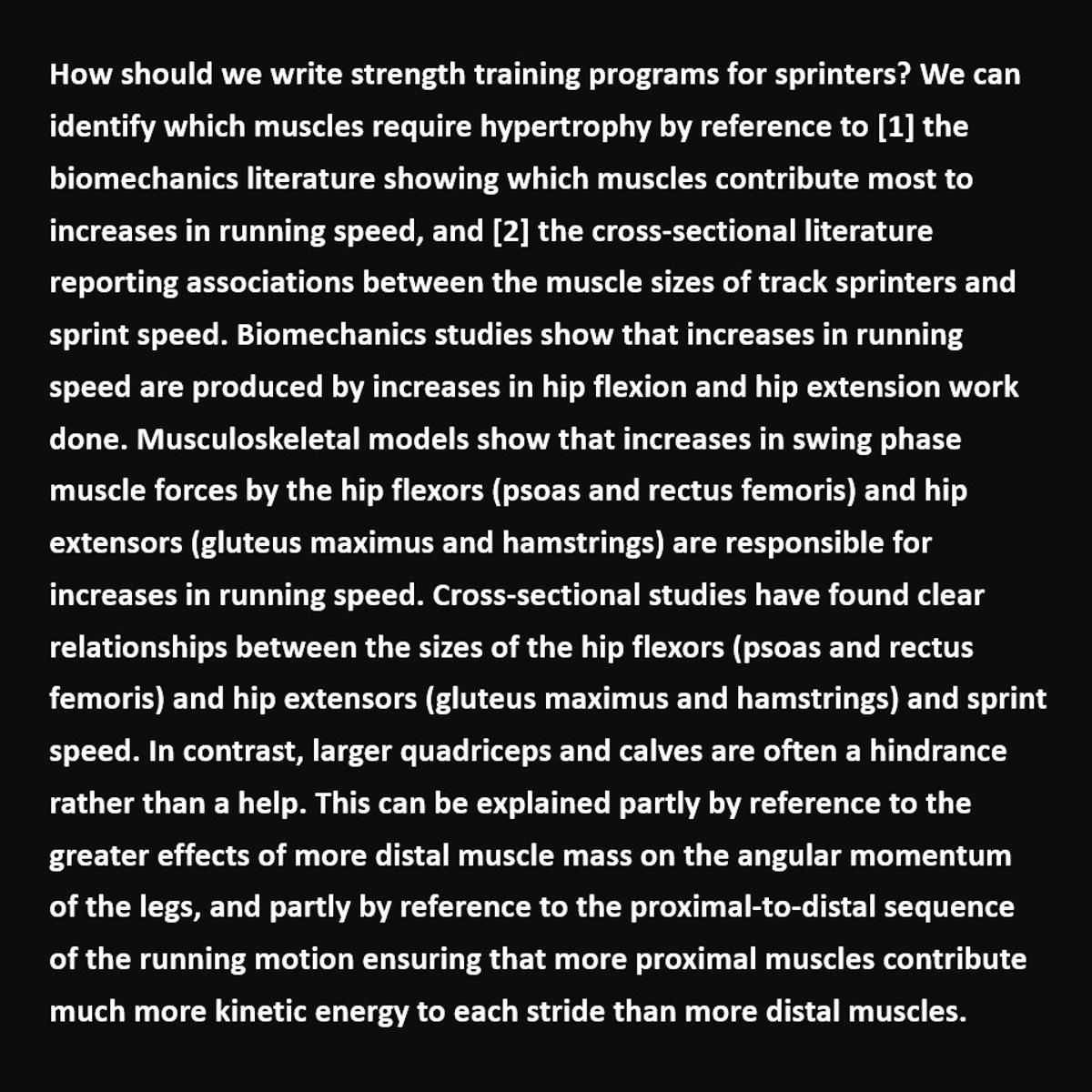
Hip Flexor Power Drives Sprint Performance
Sprint running is heavily dependent upon the power output that can be generated by the hip flexors and extensors. Read more in the weekly free Patreon article. https://t.co/sbu6sERoiD
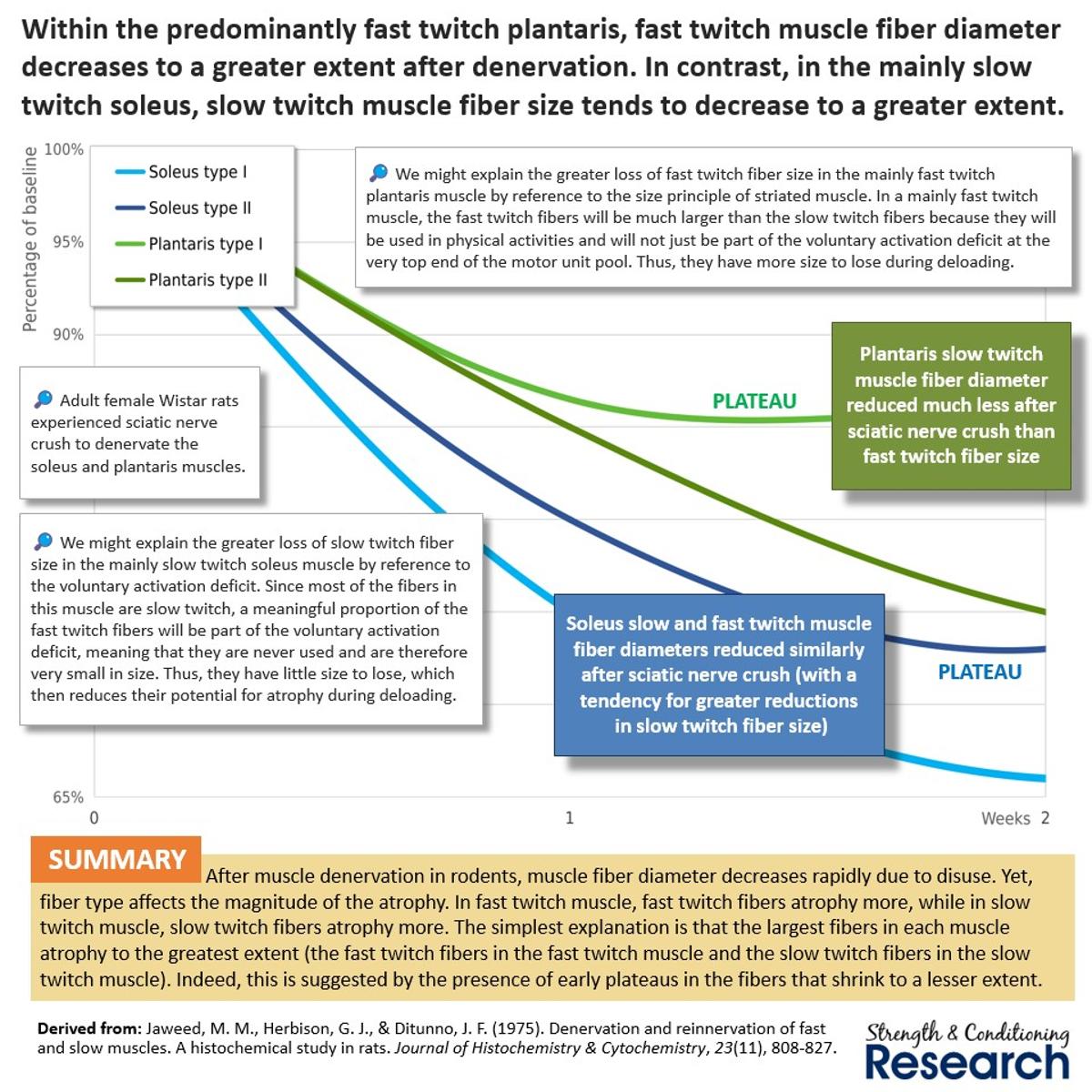
Fiber Size, Not Type, Drives Unloading Atrophy Rates
Whether fiber type affects atrophy rates when all fibers in a muscle are unloaded is contentious. Yet, we can explain even the most confusing results if we make the assumption that fiber size determines atrophy rates and that fiber type...