
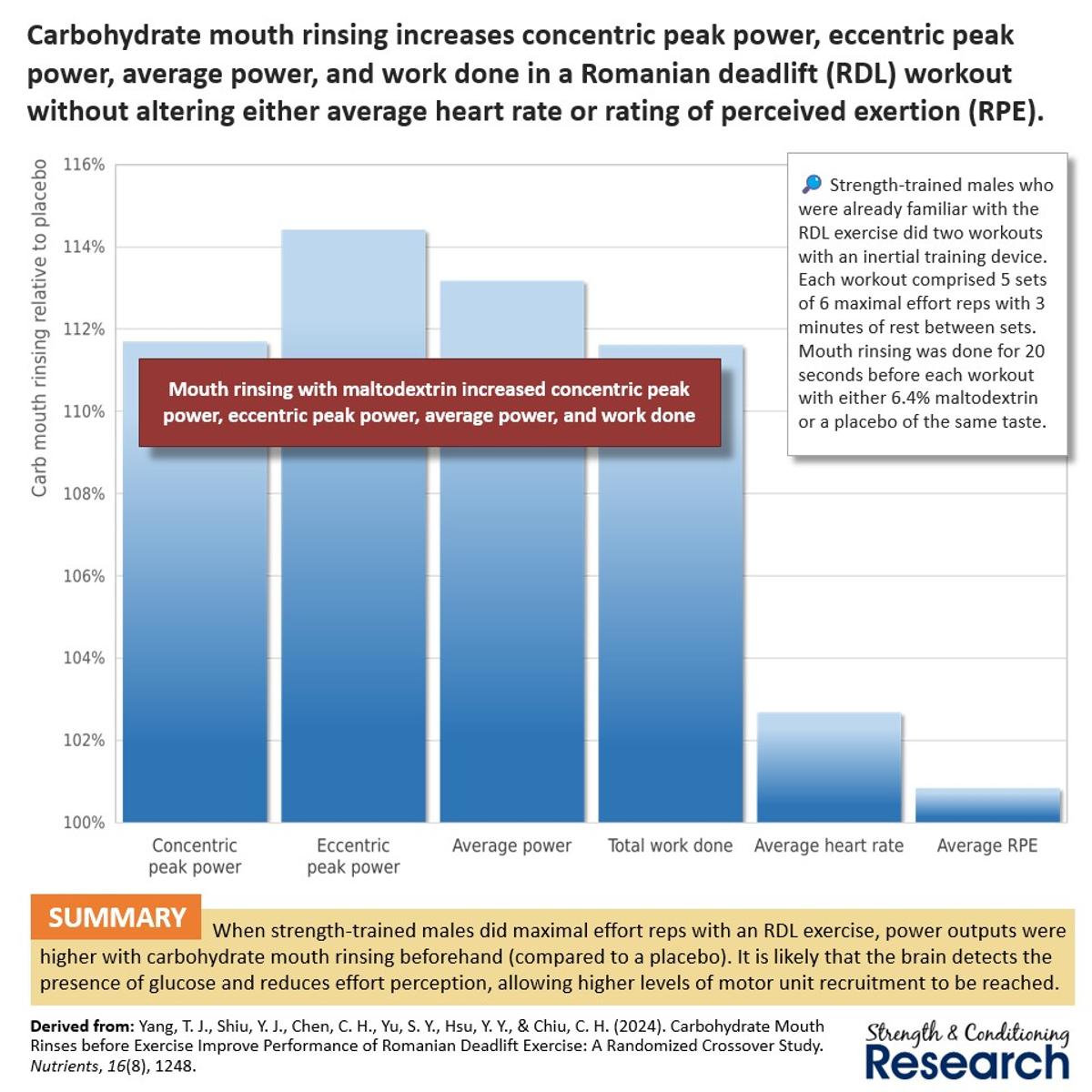
Carb Mouth Rinse Boosts Heavy‑Lift Performance, Shows CNS Fatigue
Carbohydrate mouth rinsing increases work done during a strength training workout involving a small number of reps with a heavy load, showing that exercise need not be long-duration in order for supraspinal CNS fatigue to occur. https://t.co/Q11E9Ep6bb
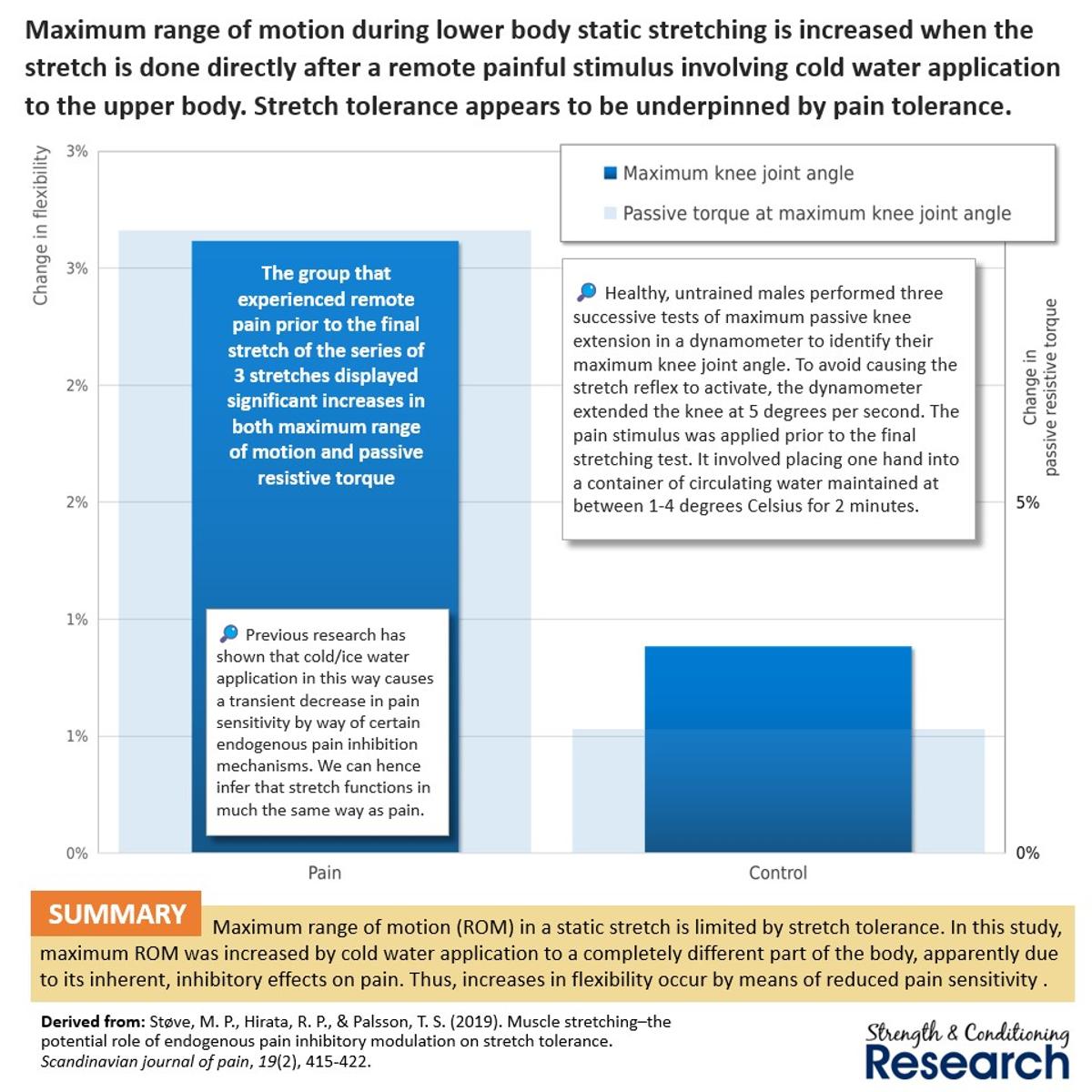
Cold Exposure Boosts Pain Tolerance and Flexibility
Cold application is used in research to create a temporary increase in pain tolerance. Interestingly, applying cold water to an upper body limb causes an immediate increase in lower body flexibility. This shows how stretch tolerance is close in nature...
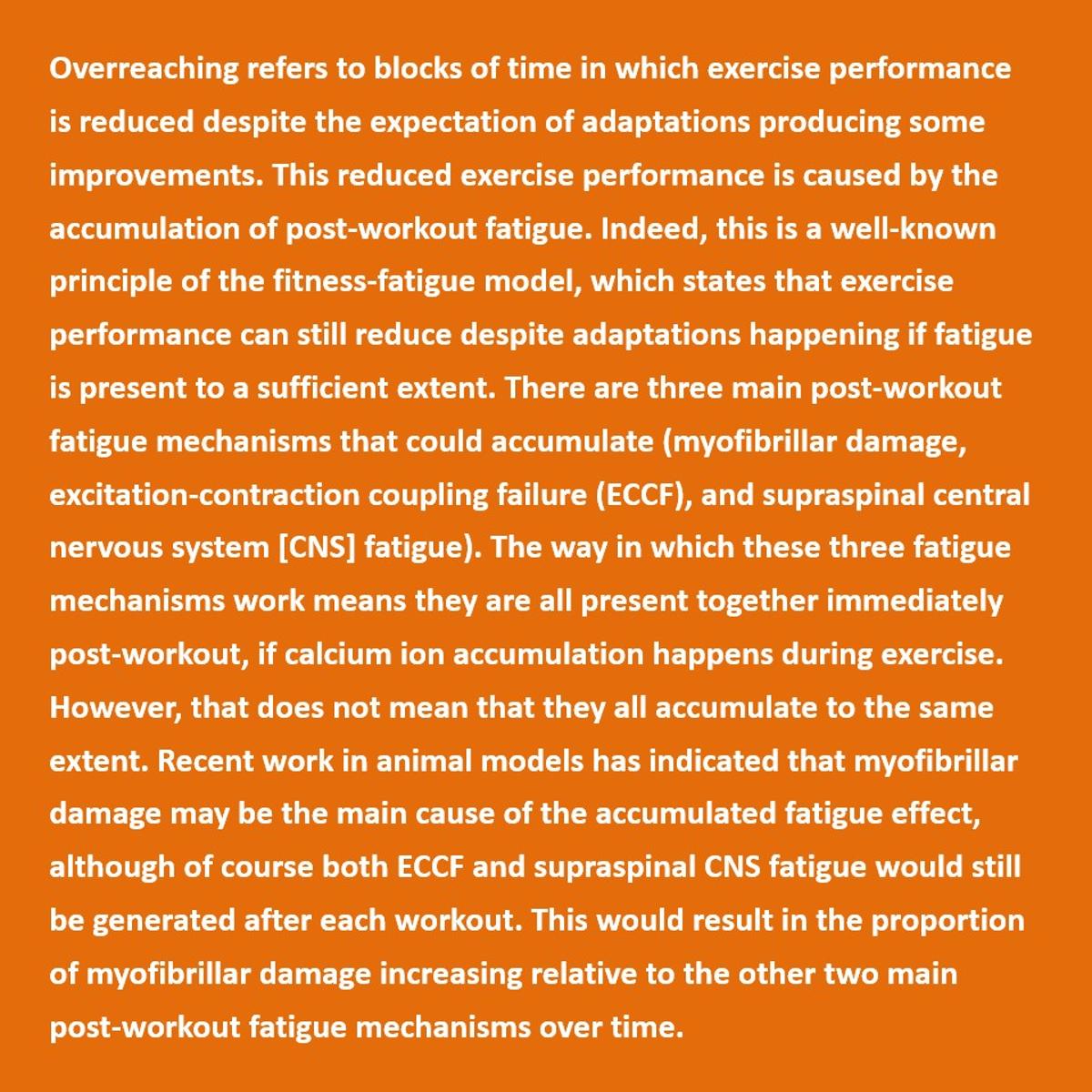
Muscle Damage Drives Overreaching From Cumulative Fatigue
Overreaching is the result of accumulating post-workout fatigue. It is possible that muscle damage may accumulate to a greater extent than the other post-workout fatigue mechanisms. Read more in the weekly free Patreon article. https://t.co/BddbpAg3lx
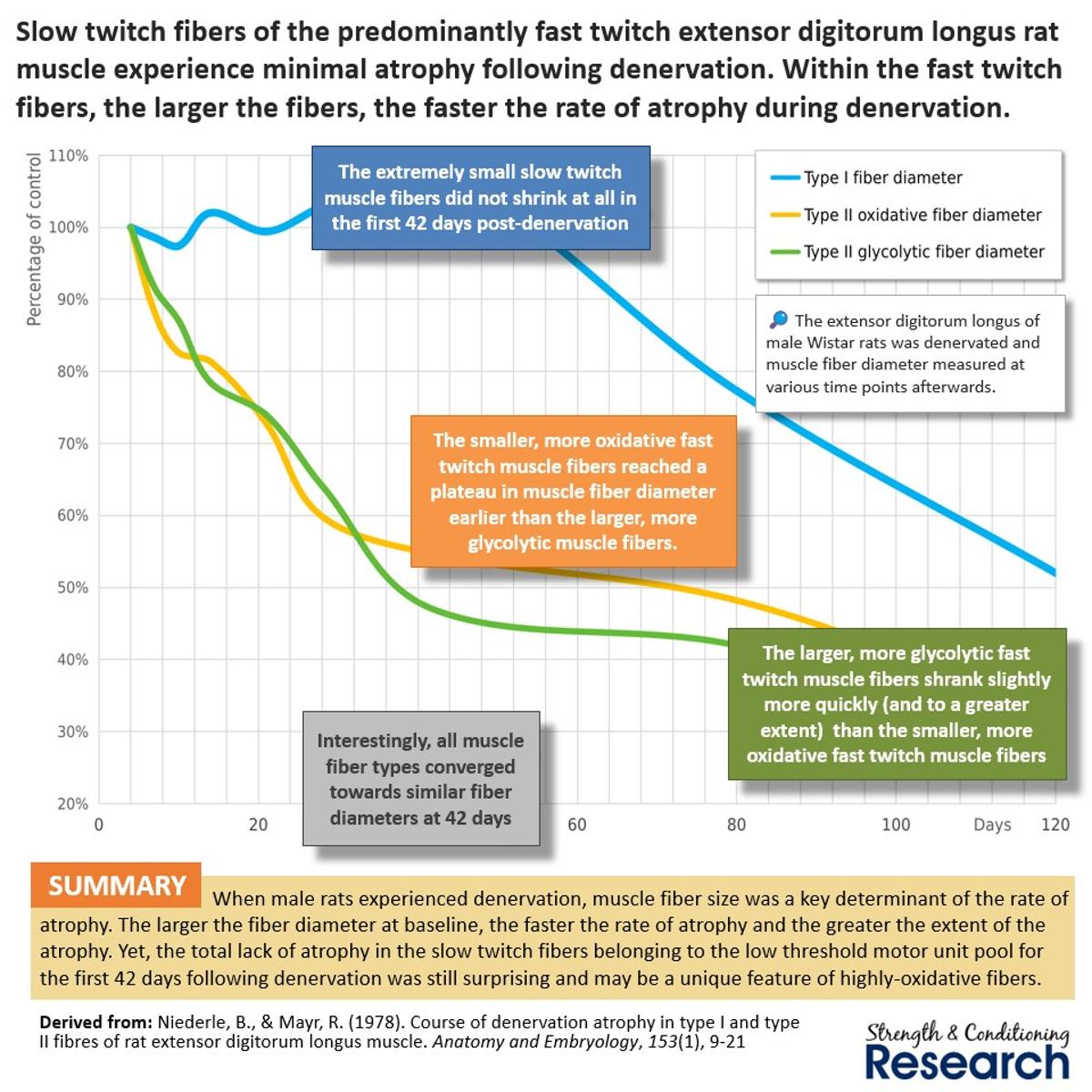
Larger Muscle Fibers Waste Away Faster than Smaller Ones
In animal models, the largest fibers in a muscle atrophy faster and to a greater extent than the smallest fibers. Also, the rate of atrophy is fastest initially (when fibers are larger) and slower later (when fibers are smaller). Fiber...
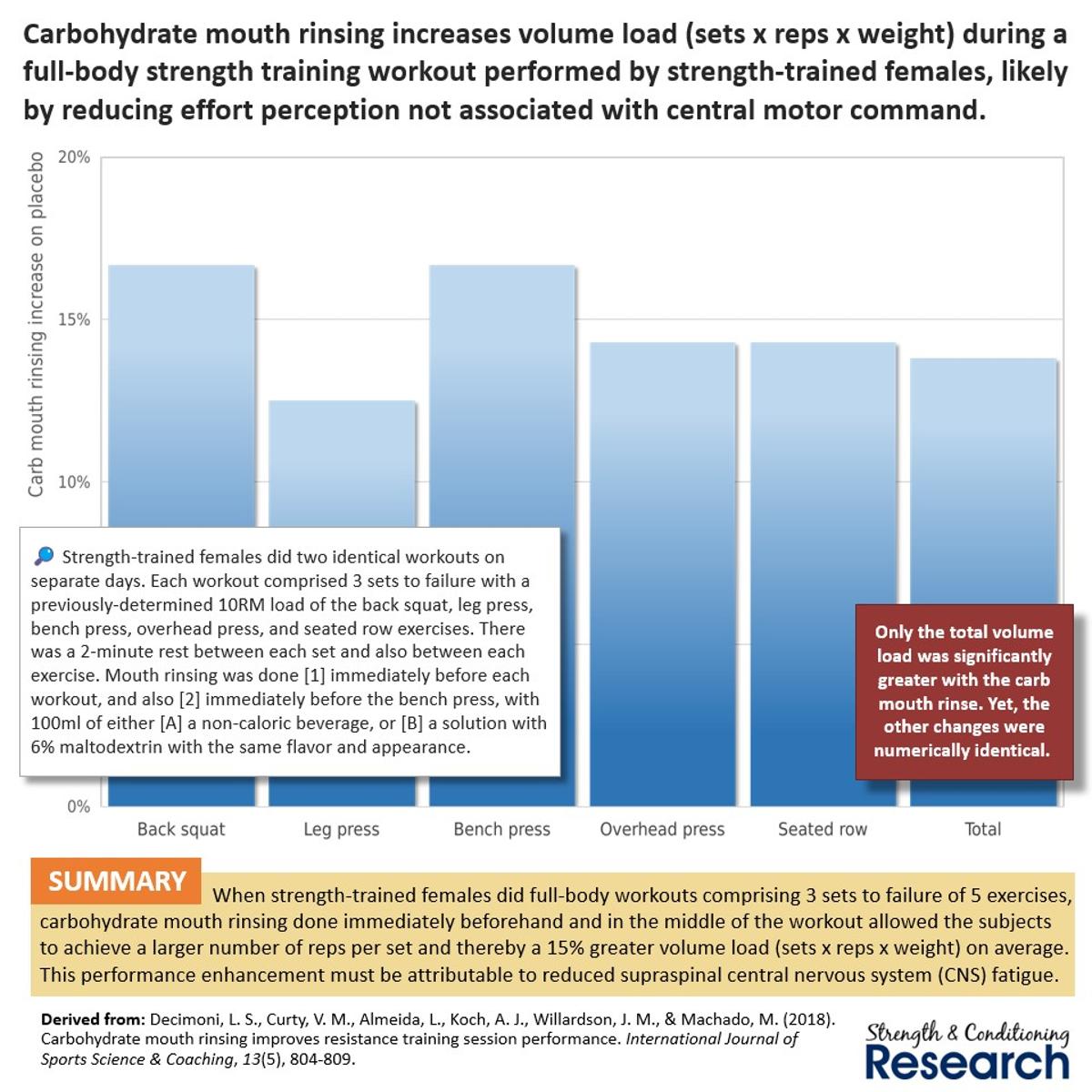
Carb Mouth Rinse Boosts Reps, Reveals CNS Fatigue
Carbohydrate mouth rinsing increases the number of reps to failure across multiple sets of multiple exercises, revealing that supraspinal CNS fatigue is a common effect in strength training workouts. https://t.co/Nj0JxgJIRs
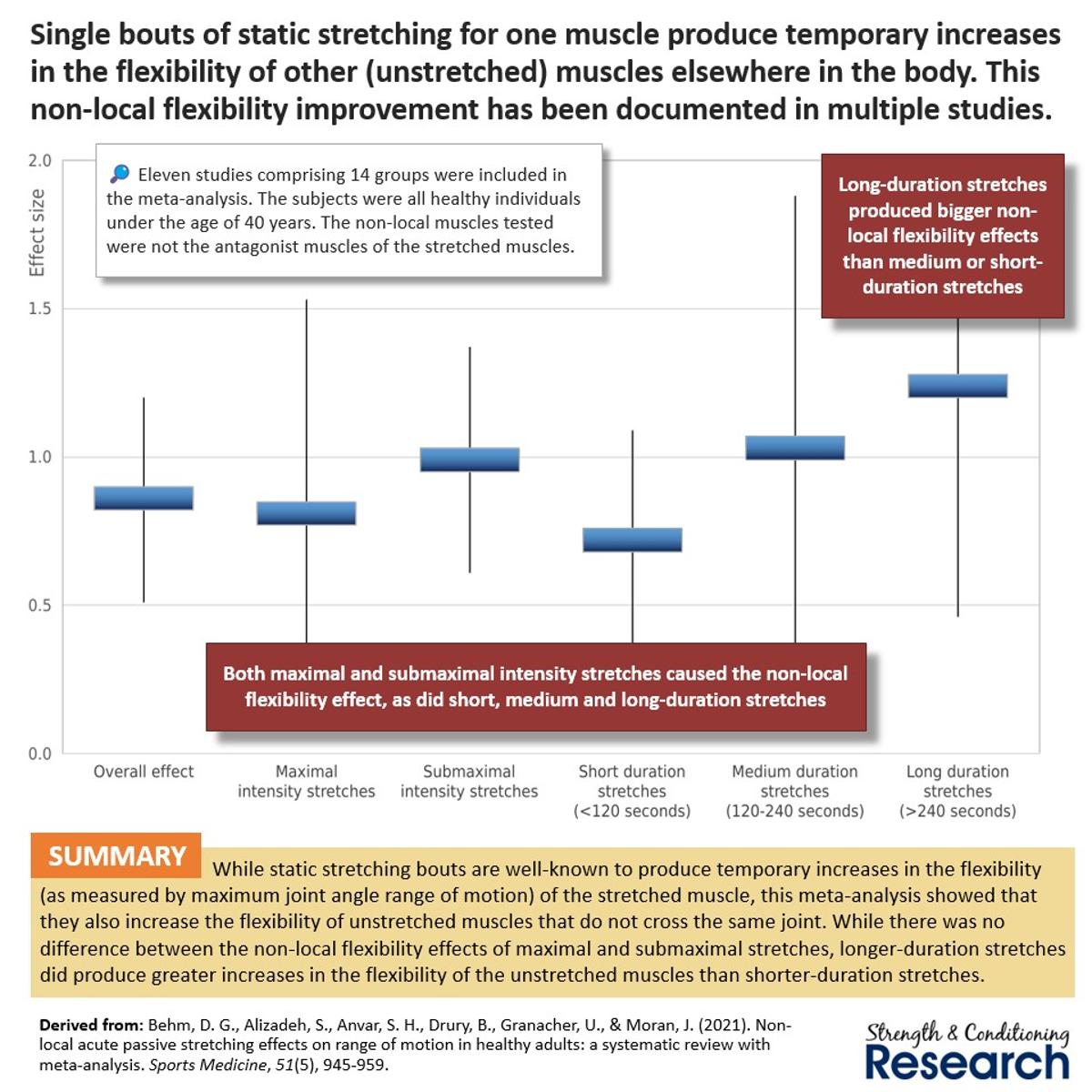
Static Stretching Boosts Whole-Body Flexibility via Tolerance
Static stretching doesn't just temporarily increase the flexibility of the stretched muscle. It also increases the flexibility of other, unstretched muscles. This is because the mechanism by which flexibility increases is an increase in stretch tolerance, which is a global...

Fascicle Lengths Drop Faster than CSA, yet Need Less Maintenance
Muscle fascicle lengths seem to dissipate more quickly than muscle CSA during detraining, but require less stimulus for maintenance. Learn more in this week's free Patreon article. https://t.co/OaAsXRoqu9

Speed Persists—Or Grows—During Detraining, Strength Declines
Building on data in untrained subjects, this study in trained athletes found that speed is not lost during detraining and may even increase. In this way, it contrasts with strength, which is lost. https://t.co/4fiSlHL1UJ

Straight Leg Gives Adductor Magnus, Gracilis Max Moment Arms
With a straight leg, the adductor magnus and gracilis have the longest hip adduction moment arms throughout the normal joint angle range of motion. https://t.co/chzFj9GrBw

Fitness Industry Misreads Post‑Workout CNS Fatigue
The fitness industry misunderstands post-workout CNS fatigue more than any other physiological concept. Learn how it actually works in this week's free Patreon article. https://t.co/L5B5n6Ltt0

Detraining Can Boost Speed via Fiber Shift
Some S&C resources claim that speed is lost quickly during detraining. In fact, speed tends to increase during detraining (probably due to fiber type shifts back to type IIX). https://t.co/jn4vRuAvSR

TFL and Gluteus Medius Leverage Peaks at Joint Extremes
With a straight leg, hip abduction moment arms alter over the joint angle range of motion such that the TFL and gluteus medius have best leverages at either end. https://t.co/d43ErC08BZ

Low-Volume, Low-Frequency Training Preserves Muscle Fascicle Lengths
A low-volume, low-frequency combination is able to maintain muscle fascicle lengths after eccentric-only training in humans. This suggests that maintenance of sarcomeres and myofibrils works slightly differently. https://t.co/kSamQXyhZh

Master CNS Fatigue to Optimize Training Variables
Understanding how supaspinal and spinal CNS fatigue mechanisms work during exercise allows us to program training variables optimally . See more in this week's free Patreon article. https://t.co/6i4w1tPtdL

Non‑local Fatigue Stems From Central Nervous System Fatigue
Non-local fatigue is closely associated with reductions in voluntary activation of the untrained limb, indicating that it is caused by central nervous system fatigue mechanisms. https://t.co/BSr0Cw5Qz6

Eccentric, Not Isometric, Contractions Drive Sarcomere Growth
Since eccentric contractions produce passive mechanical tension, they stimulate sarcomerogenesis, which we observe as increases in muscle fascicle length in humans. Isometric contractions at short or moderate muscle lengths do not. https://t.co/7wVgBzjELC

Study Finds Sarcoplasmic Hypertrophy, Yet Variable Causes Unclear
Very few studies have found evidence for preferential sarcoplasmic hypertrophy that can be attributed to a training variable. This study is an exception. Unfortunately, a variety of training variables was used, which makes it difficult to identify which was responsible....
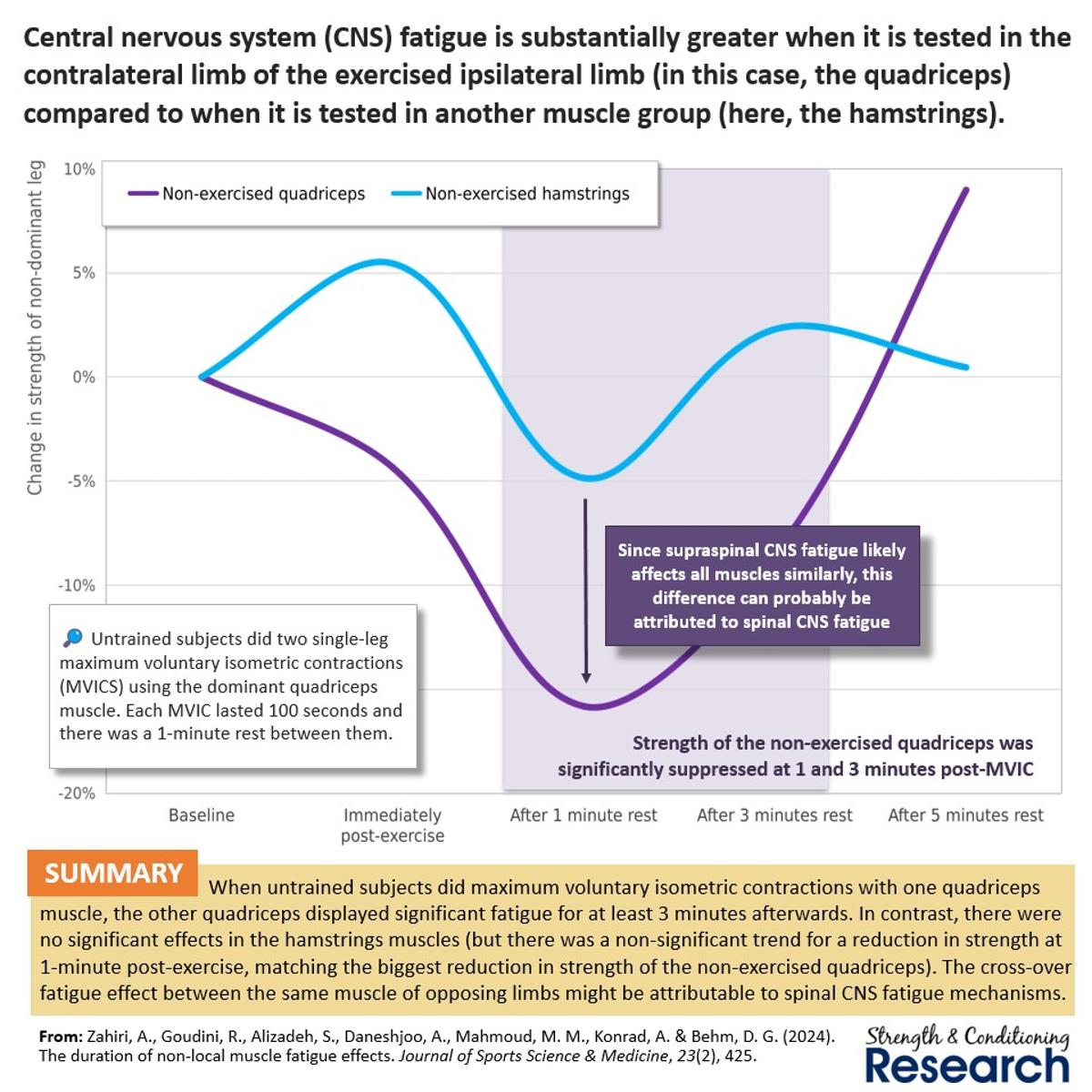
Contralateral vs Non‑local Fatigue Distinguishes CNS Mechanisms
CNS fatigue occurs during exercise due to supraspinal and spinal mechanisms. Supraspinal is likely global in nature, while spinal is not. Differences between contralateral muscle fatigue and entirely non-local muscle fatigue may help separate the two fatigue mechanisms. https://t.co/Ytl8WnBxFU
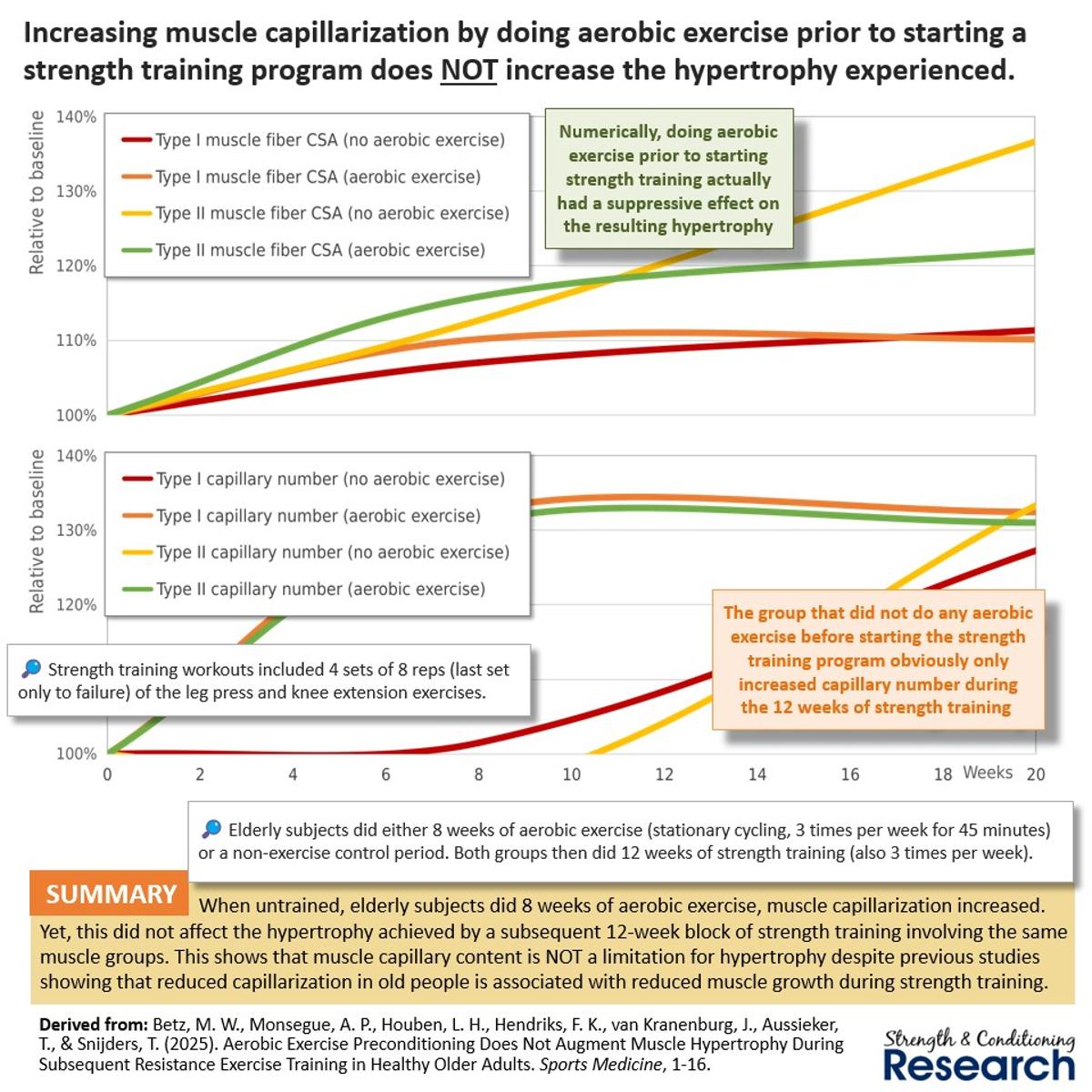
More Capillaries Don’t Boost Muscle Growth, Study Finds
One popular idea among fitness influencers is that training blocks of light loads could increase capillary content and then permit greater muscle growth in subsequent blocks. This study shows that increasing capillarization does not facilitate hypertrophy. https://t.co/SyMoaYcHWE
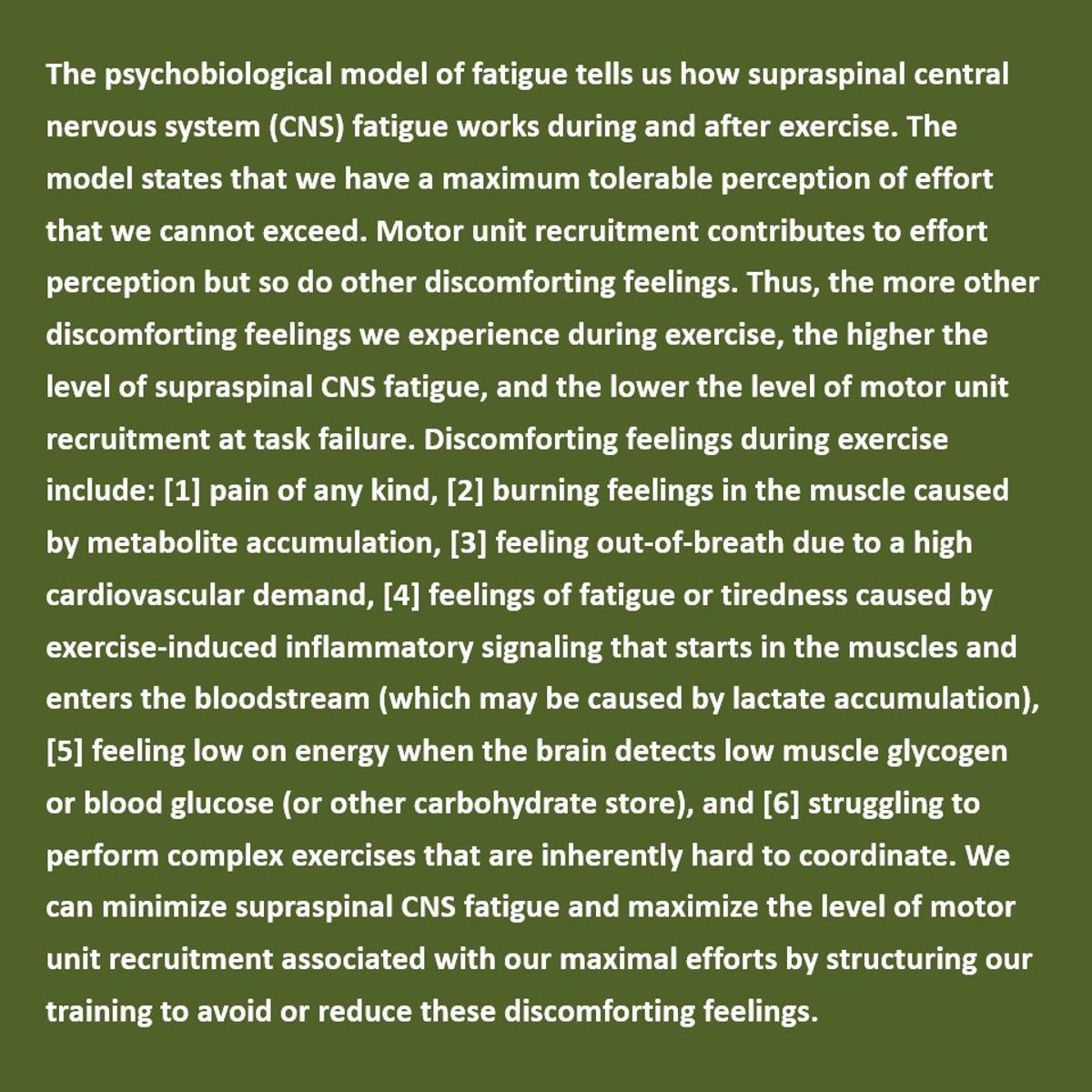
Supaspinal CNS Fatigue Key to Optimal Strength Training
Understanding how supaspinal CNS fatigue works during exercise is essential to optimal strength training programming. See more in this week's free Patreon article. https://t.co/s5U5Z5gR8G