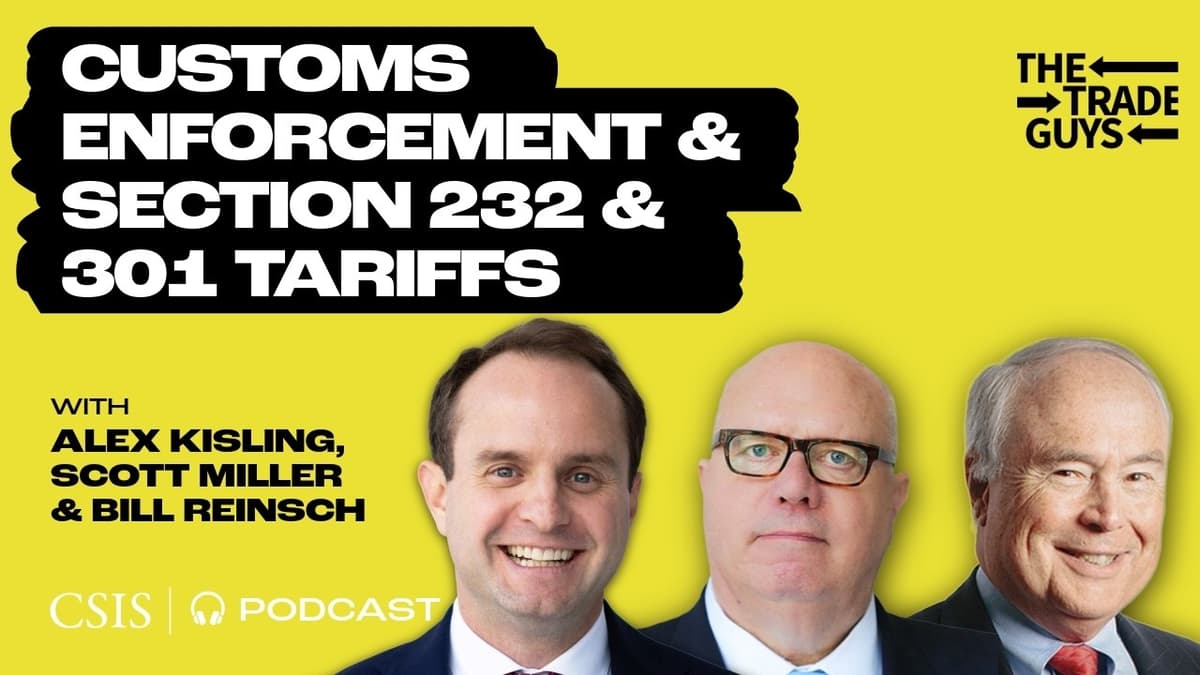
Customs Enforcement and Section 232 and 301 Tariffs
The White House released a new executive order that strengthens customs enforcement, giving agencies broader powers to detain and seize shipments that violate trade regulations. The episode also reviews how the Trump administration leveraged Section 232 (national security) and Section 301 (unfair trade practices) to impose tariffs on strategic imports. Both the order and the legacy tariff tools signal a more aggressive U.S. stance on trade compliance. Companies importing steel, aluminum, electronics, and other goods must adapt quickly to avoid penalties.
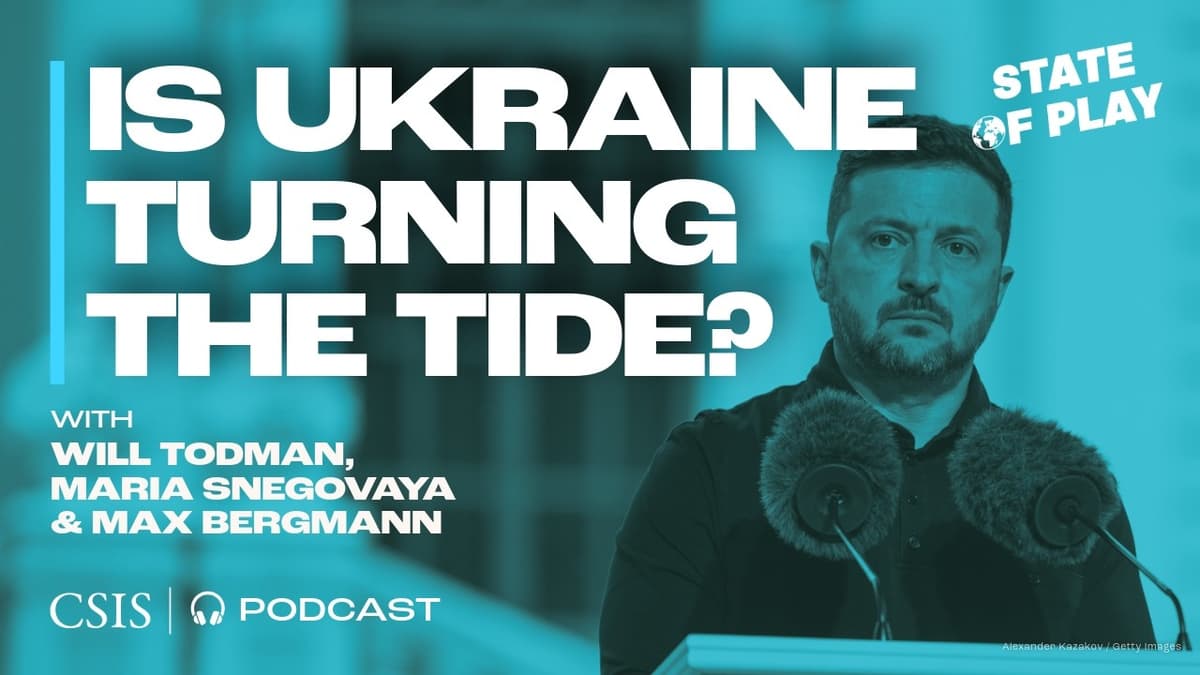
Is Ukraine Turning the Tide?
The video asks whether Ukraine is finally turning the tide against Russia, featuring on‑the‑ground insights from two Europe‑Russia experts who recently visited Kyiv. Their observations focus on military, economic and political dimensions that suggest a shift in momentum. Ukraine’s home‑grown drone...
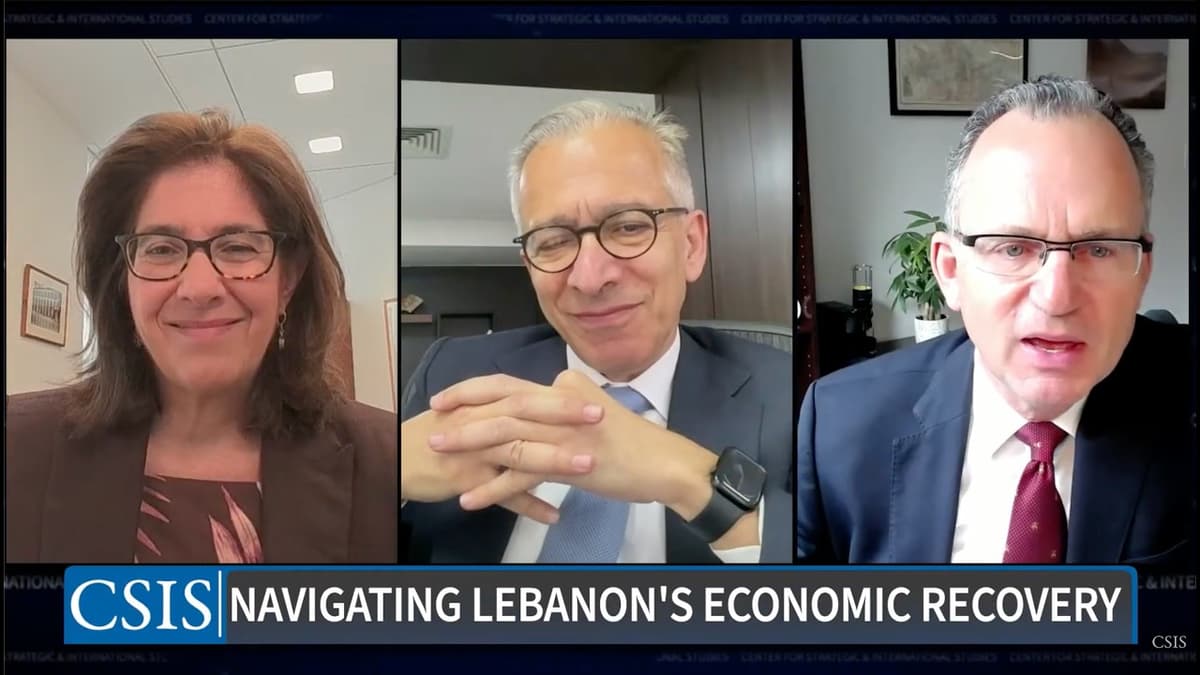
Navigating Lebanon's Troubled Economic Recovery
The 2024 Subaru Solterra, the brand’s first all‑electric SUV, arrives with a major upgrade to its charging architecture. Subaru has introduced a redesigned battery‑conditioning system that slashes the time needed to charge from 10 to 80 percent to roughly 35...
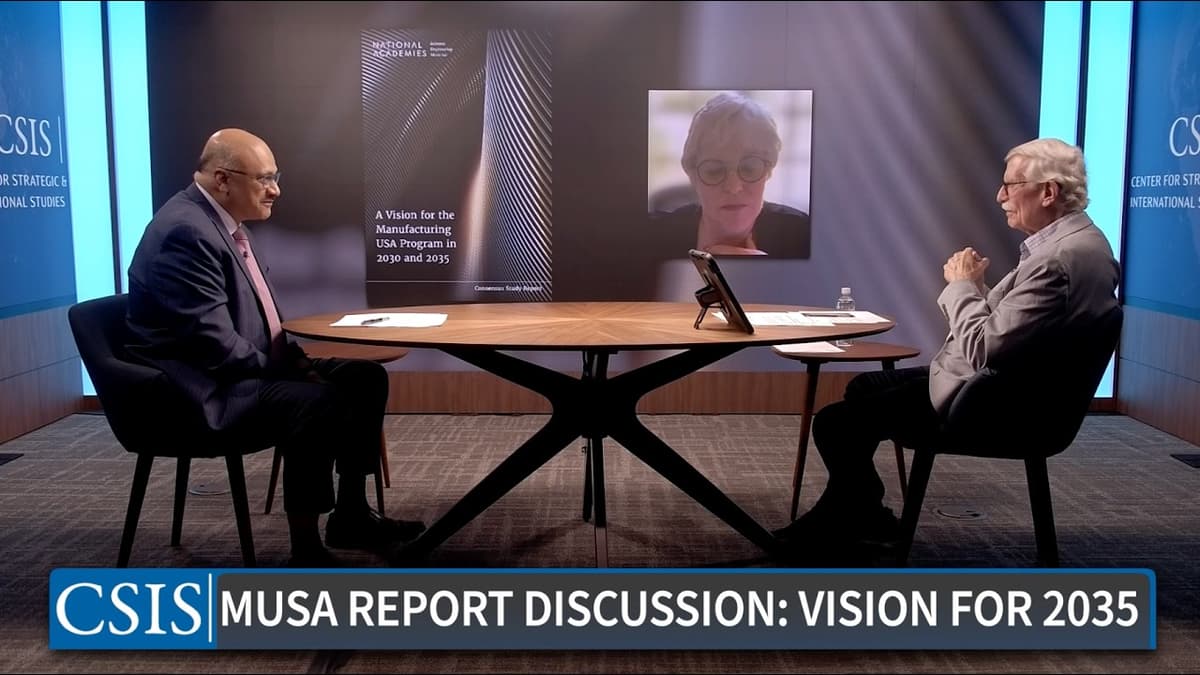
Manufacturing USA in 2030 and 2035: A Vision for Competitiveness and Innovation
The video discusses the National Academy of Sciences, Engineering and Medicine’s new report outlining a vision for the Manufacturing USA program in 2030 and 2035, and how the initiative is meant to restore U.S. leadership in advanced manufacturing through public‑private...
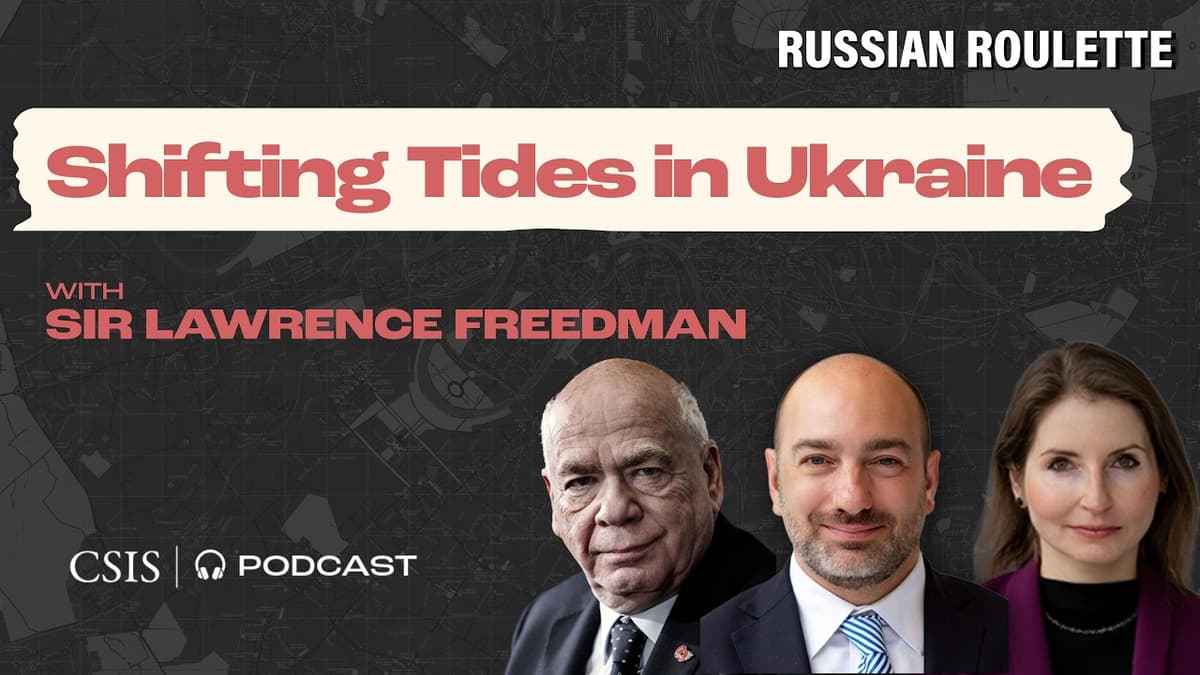
Shifting Tides in Ukraine - Lawrence Freedman on the Future of the War
In a recent episode of CSIS’s Russian Roulette, emeritus war‑studies professor Sir Lawrence Freedman assessed the fifth year of the Russia‑Ukraine conflict, highlighting how the war’s dynamics have evolved as both sides confront new constraints. Freedman noted that Russia’s war effort...
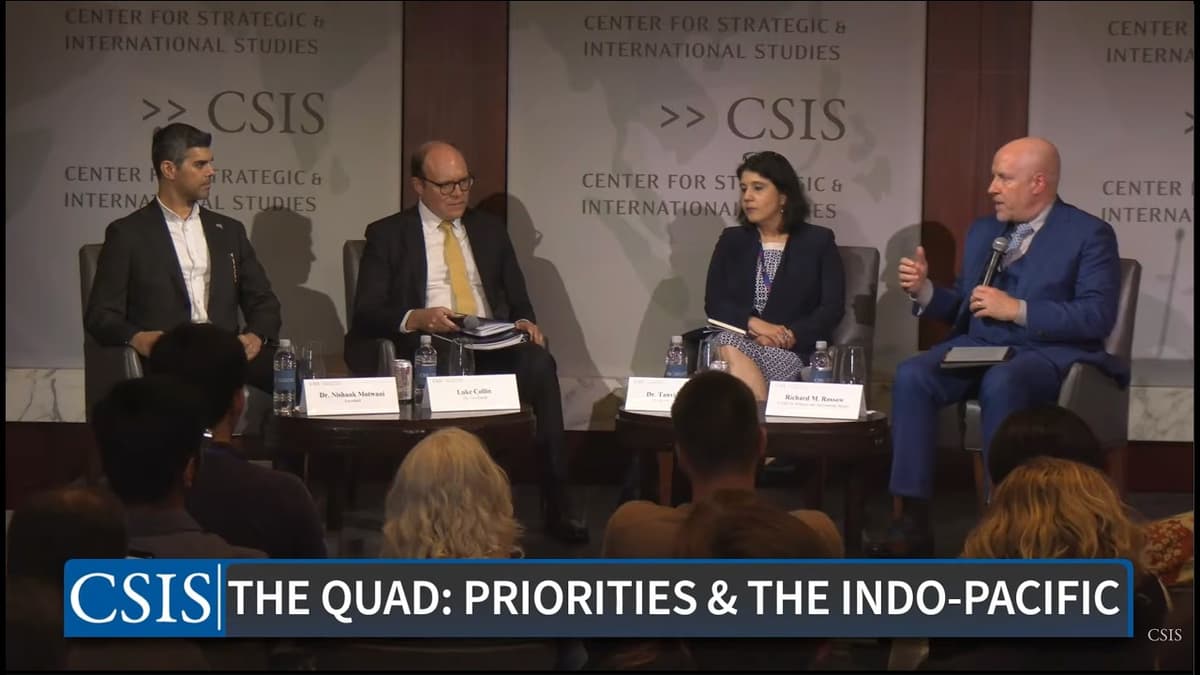
The Quad Convenes: Priorities, Partnerships and the Indo-Pacific
The Center for Strategic and International Studies (CSIS) will host a public event on May 28 to dissect the outcomes of the upcoming Quad foreign ministers' meeting in New Delhi. The first Quad ministerial gathering on Indian soil since 2023,...
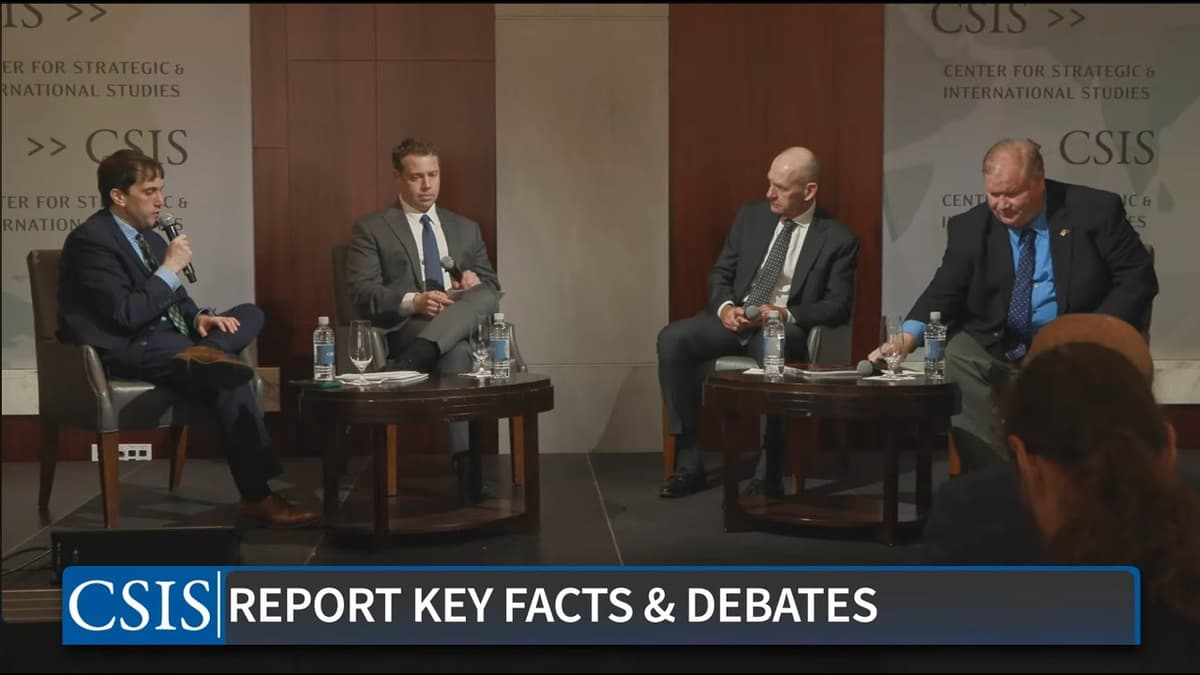
Building America’s Cyber Force: Findings From the Commission on Cyber Force Generation
Tonight CSIS unveiled the Commission on U.S. Cyber Force Generation report, which asks whether America is organized to produce the cyber forces needed for future conflicts and, if not, how to design a dedicated cyber service. The commission, after ten...

Is There an Effective Vaccine for the Ebola Outbreak? | Asked & Answered
An Ebola outbreak in the eastern Democratic Republic of Congo, identified as the Bundibugyo strain, has sparked urgent questions about vaccine availability. Health officials confirm no approved vaccine exists that reliably protects against this specific strain, and the existing Zaire‑targeted...
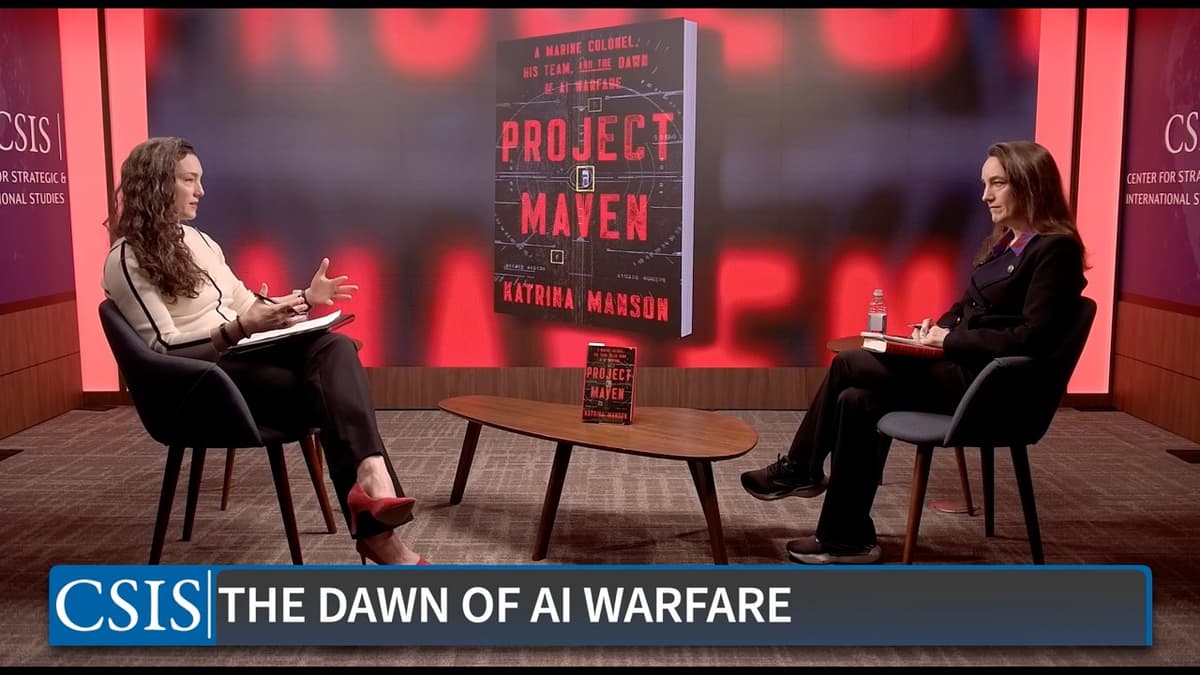
The Dawn of AI Warfare: A Conversation with Katrina Manson
The CSIS interview with Bloomberg reporter Katrina Manson centers on her new book, *Project Maven*, which chronicles the U.S. military’s push to embed artificial intelligence into combat targeting. Manson traces the program’s origins—from a tactical tool for sorting drone footage—to...
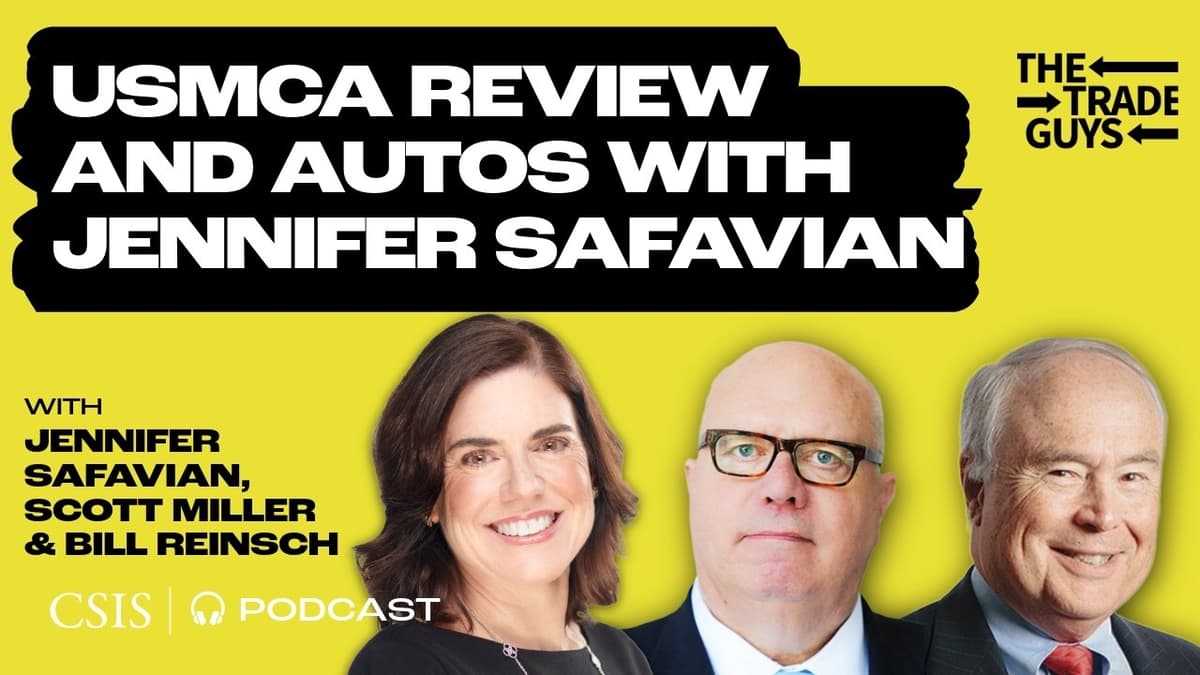
USMCA Review and Autos with Jennifer Safavian
Jennifer Seabian, president and CEO of Autos Drive America, told the Trade Guys that international automakers are major players in the U.S. market—accounting for over 48% of U.S. vehicle production, roughly 100,000 manufacturing jobs, 31 facilities and about $124 billion...
Will China Beat the U.S. to the Moon?
The video examines whether China will beat the United States to a crewed lunar landing, highlighting Beijing’s 2030 target and its integration into President Xi’s vision of national rejuvenation. It contrasts China’s aggressive timetable with the U.S. Artemis program, which has...
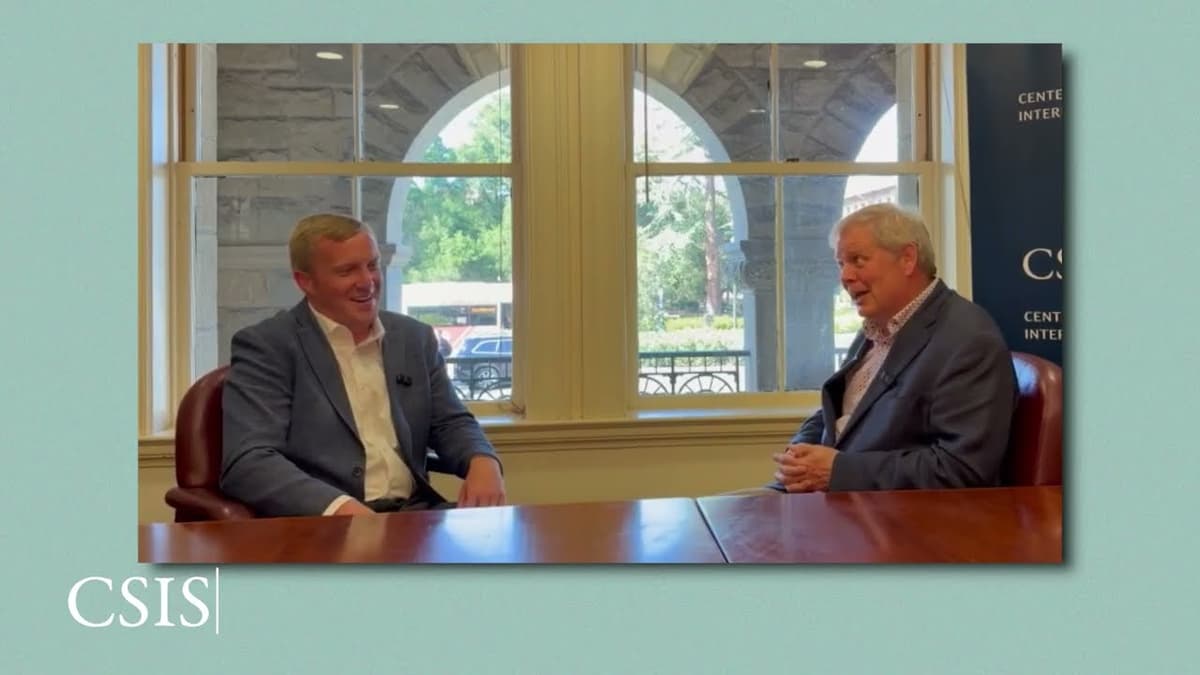
From Concept to Contract: Conversations at the Army Demand Signal Forum | All About the Base
The Army Demand Signal Forum, hosted at Stanford’s Gordian Knot Center, brought together Army acquisition leaders, soldiers, venture capitalists, and startup founders to showcase the Army Fuse initiative. Fuse serves as the Army’s capital engine, allocating roughly $750 million in...
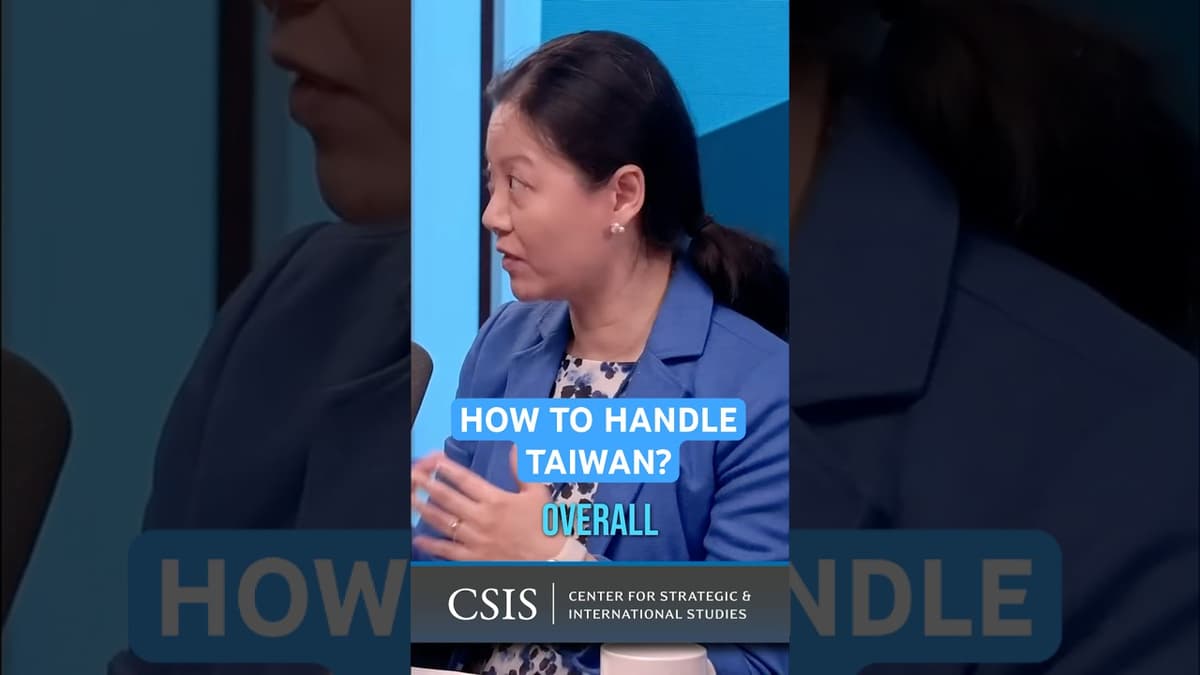
Mishandling Taiwan Could Cause Conflict | State of Play
The video analyzes recent remarks by President Xi Jinping warning that mishandling Taiwan could destabilize the fragile strategic equilibrium between the United States and China. Xi emphasized that Taiwan remains Beijing’s most critical bilateral issue and urged Washington to exercise...
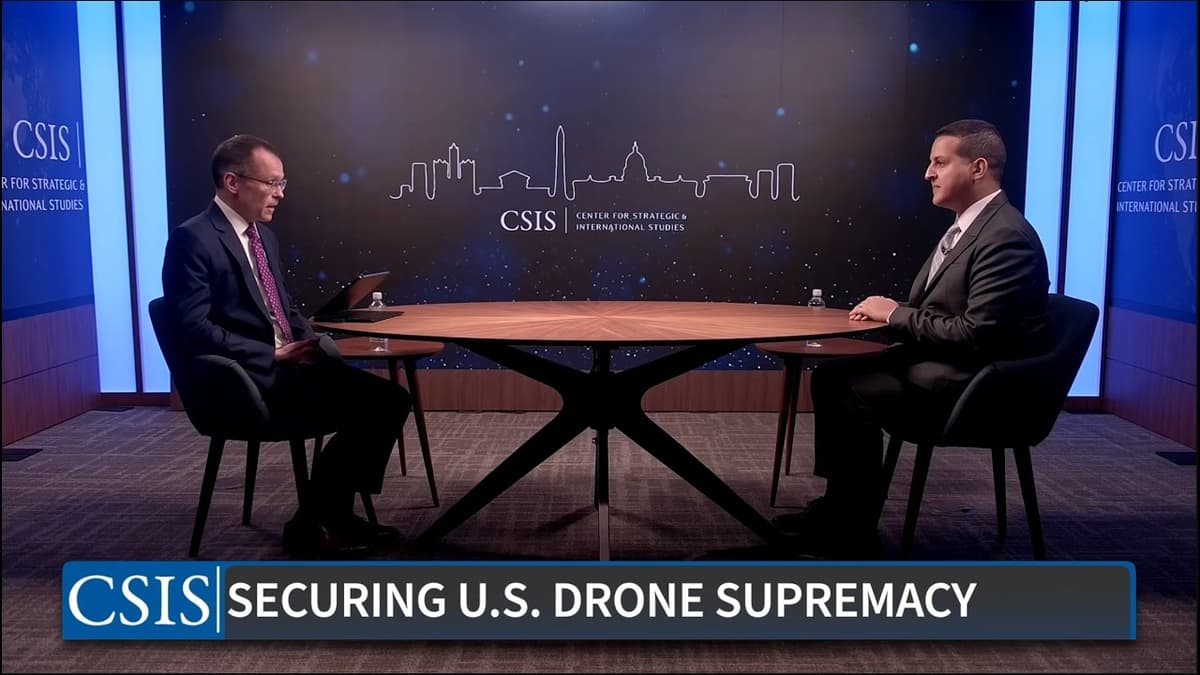
Can Trusted Partners Help Secure U.S. Drone Supremacy?
The CSIS discussion with deputy director Clayton Swopee and Moroccan‑American drone entrepreneur Sufyan Amagi examines whether trusted partners can help secure U.S. drone supremacy, contrasting onshoring with a distributed, allied‑based production model. They argue that dependence on Chinese components has spurred...
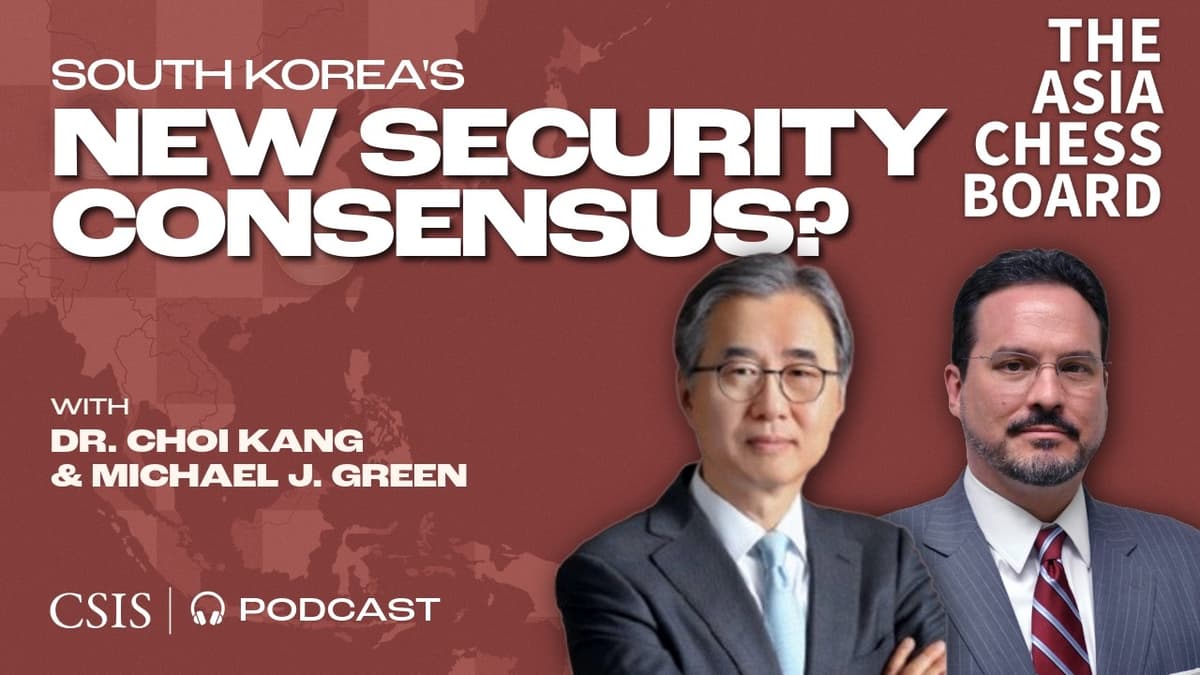
A New Security Consensus in South Korea?
The Asia Chessboard podcast examined a new security consensus emerging in South Korea, anchored by the Asan Institute’s latest public‑opinion poll. The discussion highlighted how Korean attitudes toward Japan have shifted dramatically, with a net‑positive rating for Tokyo and Prime...