

Best Diet Confirmed by 5,248,916 Person-Year Study
The video dissects a new, 30‑year observational study of roughly 200,000 participants that finally pits low‑fat against low‑carb eating patterns while accounting for food quality. By separating "healthy" from "unhealthy" versions of each diet—using plant‑based proteins, whole grains, and unsaturated fats versus refined carbs and animal‑based saturated fats—the researchers aimed to resolve decades of conflicting guidance. Results show modest differences when only macronutrient quantity is considered: low‑fat diets reduced heart‑disease risk by about 7% while low‑carb diets slightly increased risk by 5%. However, once diet quality is factored in, both healthy low‑fat and healthy low‑carb patterns cut risk by roughly 13‑15%, whereas their unhealthy counterparts raise risk similarly. The study also links the high‑quality diets to lower triglycerides, reduced inflammation, and better metabolic markers. The analysis references historic figures such as Ancel Keys, whose 1970s Seven‑Countries Study linked saturated fat to cholesterol, and John Yudkin, who highlighted sugar’s role. It notes how these early findings fueled alternating low‑fat and low‑carb fads, each capitalized on by the food industry, and how the new data underscore the importance of nutrient source over simple macronutrient counts. For consumers and policymakers, the takeaway is clear: prioritize whole, plant‑based foods and unsaturated fats rather than obsess over cutting fat or carbs. The findings suggest that dietary guidelines should shift from macronutrient quotas to quality‑focused recommendations, potentially reshaping product development and public‑health strategies.

Your Skin Loses 75% of This by Age 75 (New Fix)
The video examines whether oral hyaluronic acid (HA) supplements can counteract the dramatic loss of HA in skin—by age 75 people retain only about a quarter of the levels found at age 19. It reviews past absorption doubts and highlights...

Doctor Reveals the Nitric Oxide Booster He Takes
The video examines how nitric‑oxide (NO) production wanes with age and why many consumers are drawn to over‑the‑counter “NO boosters.” The doctor explains that while prescription NO donors such as glyceryl trinitrate or isosorbide mononitrate provide rapid vasodilation, the body...
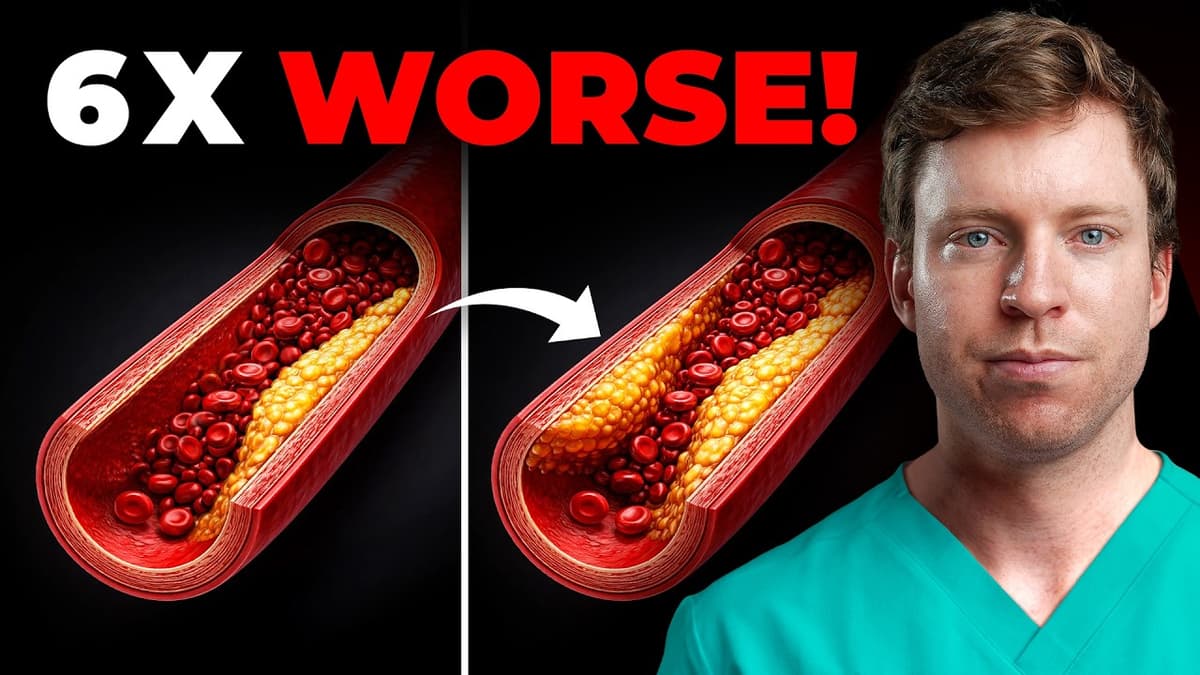
More Exercise, More Plaque?
The video examines a newly published study that finds athletes who log high‑intensity, high‑volume endurance training are almost six times more likely to develop arterial plaque than low‑volume peers, challenging the long‑standing belief that more exercise always means healthier arteries. The...
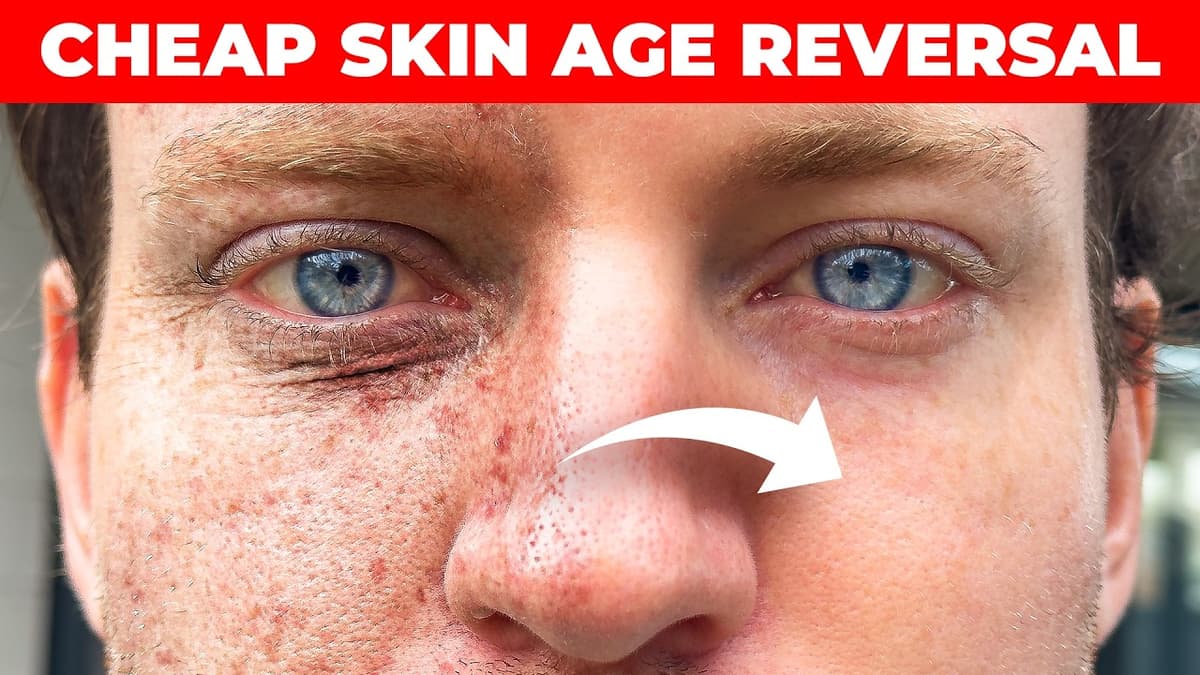
Ridiculously Cheap Ways to Treat Skin Aging
The video outlines a low‑cost, evidence‑based regimen to slow skin aging, covering nutrition, physical activity, sleep hygiene, sun protection, and topical retinoids. Research shows that diets high in vitamin C, phytonutrients and plant‑based proteins improve skin appearance, while high‑fat and refined‑sugar foods...

What Microneedling REALLY Does for Skin Aging
The video examines whether microneedling delivers on its promise to reverse skin aging, tracing the technique from a 1997 scar‑treatment paper to today’s at‑home derma rollers and professional pens. Clinical evidence shows measurable benefits: a 480‑patient trial reported 60‑80 % self‑assessed improvement...