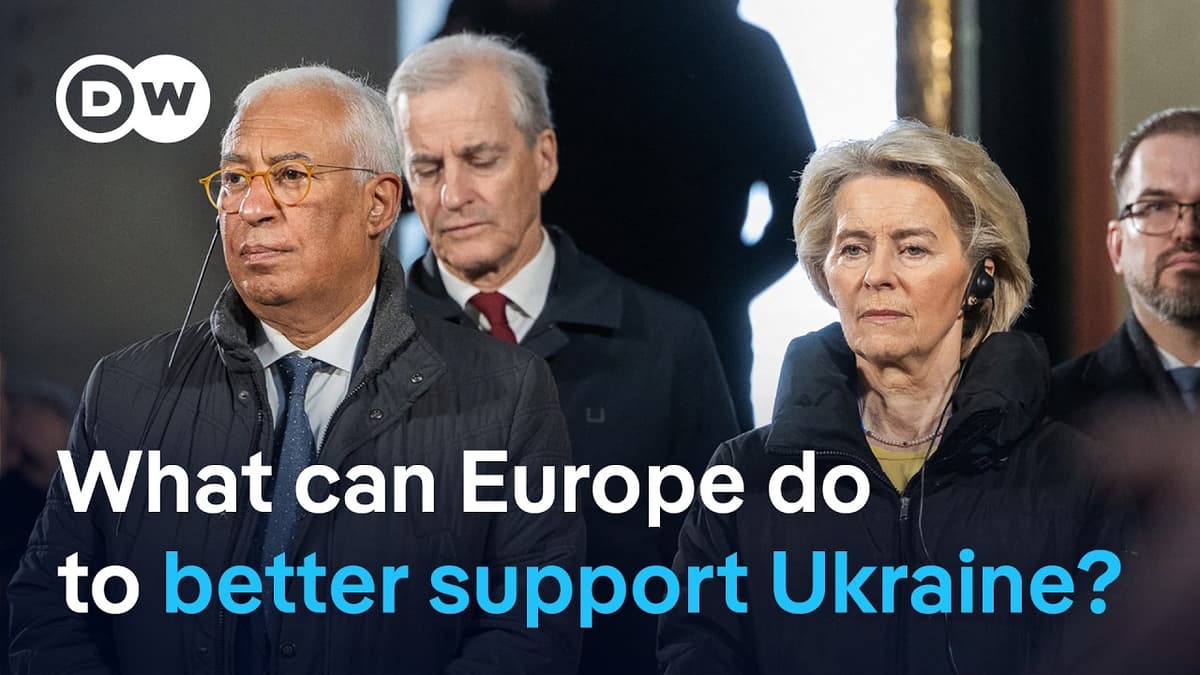
How Unified Is the EU when It Comes to Supporting Kyiv? | DW News
The DW News segment marks the fourth anniversary of Russia’s full‑scale invasion, asking how cohesive the European Union remains in backing Kyiv. With President Ursula von der Leyen in Kyiv and the war now in its fifth year, the discussion pivots on whether Europe can sustain the political and financial weight that the United States has begun to shed under Donald Trump’s renewed presidency. Analysts note that U.S. military and financial assistance has plummeted by roughly 99% since Trump’s return, leaving Europe to shoulder the bulk of Ukraine’s defense budget and weapon procurement. While the EU collectively supplies the majority of arms and funds, internal fractures surfaced when Hungary and Slovakia vetoed a fresh €90 billion loan and a new sanctions package targeting Russia’s banking and energy sectors. Germany has emerged as the primary patron, committing €25 billion annually and maintaining public backing at 67% despite rising far‑right opposition. Fabri Portier, CEO of Rasmosen Global, warned that disunity plays directly into Moscow’s and Trump’s strategic calculus, urging a unified, proactive negotiating stance and accelerated EU integration for Ukraine. He highlighted that even with diminished U.S. quantitative aid, American intelligence and air‑defence interceptors remain qualitatively vital. Meanwhile, German Chancellor Olaf Scholz expressed skepticism about imminent peace talks, emphasizing that Russia’s deteriorating economy may eventually force a diplomatic shift. The episode underscores that European cohesion is not merely symbolic; it determines the efficacy of sanctions, the speed of military resupply, and the credibility of Ukraine’s eventual EU accession. A fragmented EU risks undermining collective leverage over both Moscow and Washington, potentially prolonging the conflict and reshaping the security architecture of Central and Eastern Europe.
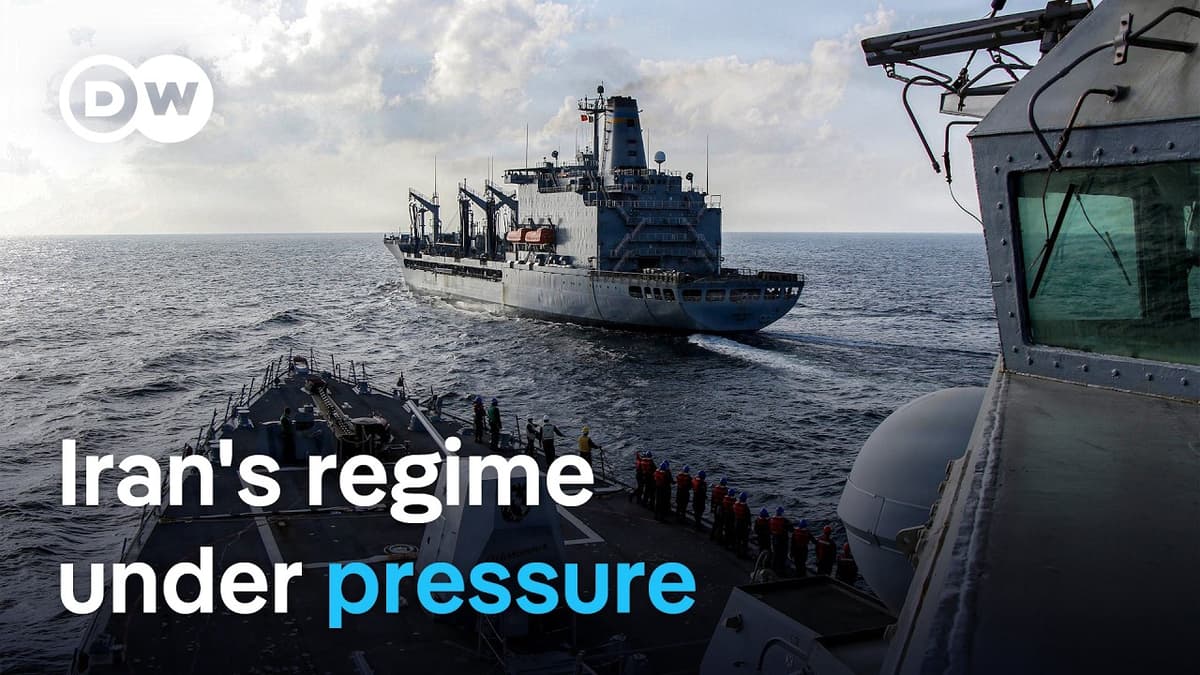
Iran's Regime Caught Between New Protests and US Military Buildup | DW News
Iran's hard‑line regime is confronting growing internal dissent as students stage a second day of anti‑government protests, while externally it hints at a diplomatic opening with the United States despite a massive U.S. military buildup in the Middle East. Foreign...
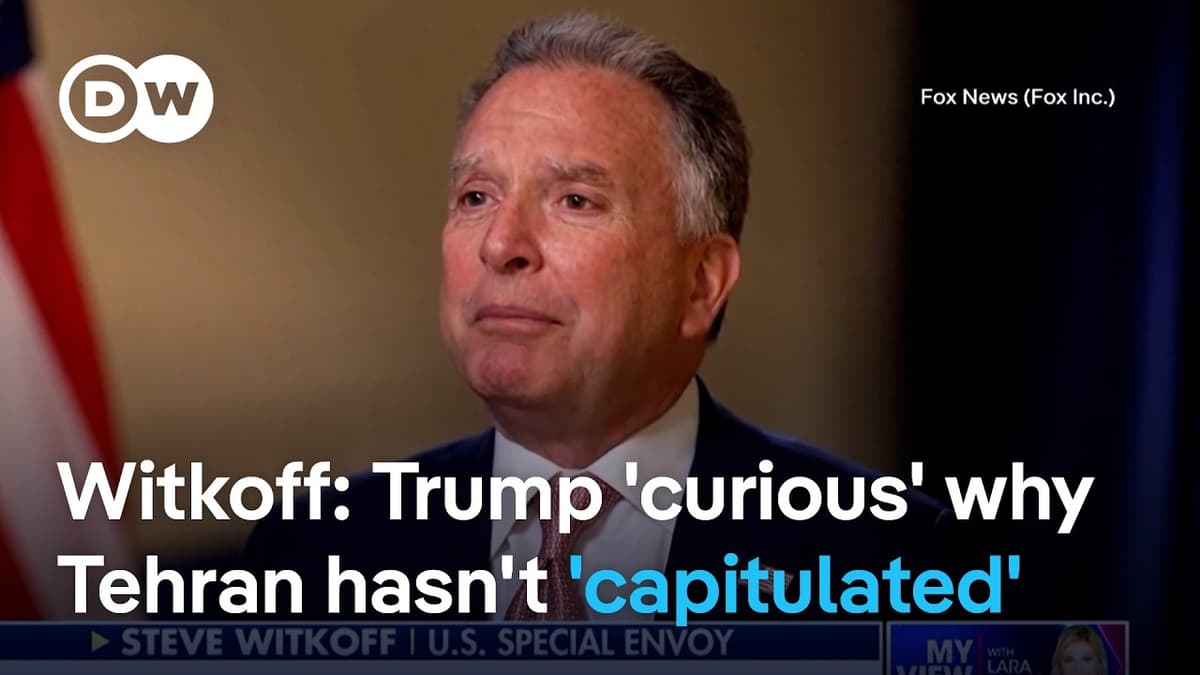
Nuclear Talks to Resume: Prospects for a US-Iran Diplomatic Solution | DW News
Iranian Foreign Minister announced a “good chance” for a diplomatic solution as the United States prepares to resume nuclear talks on Thursday. White House envoy Steve Witkoff, speaking on Fox News, said President Donald Trump is curious why Tehran has...
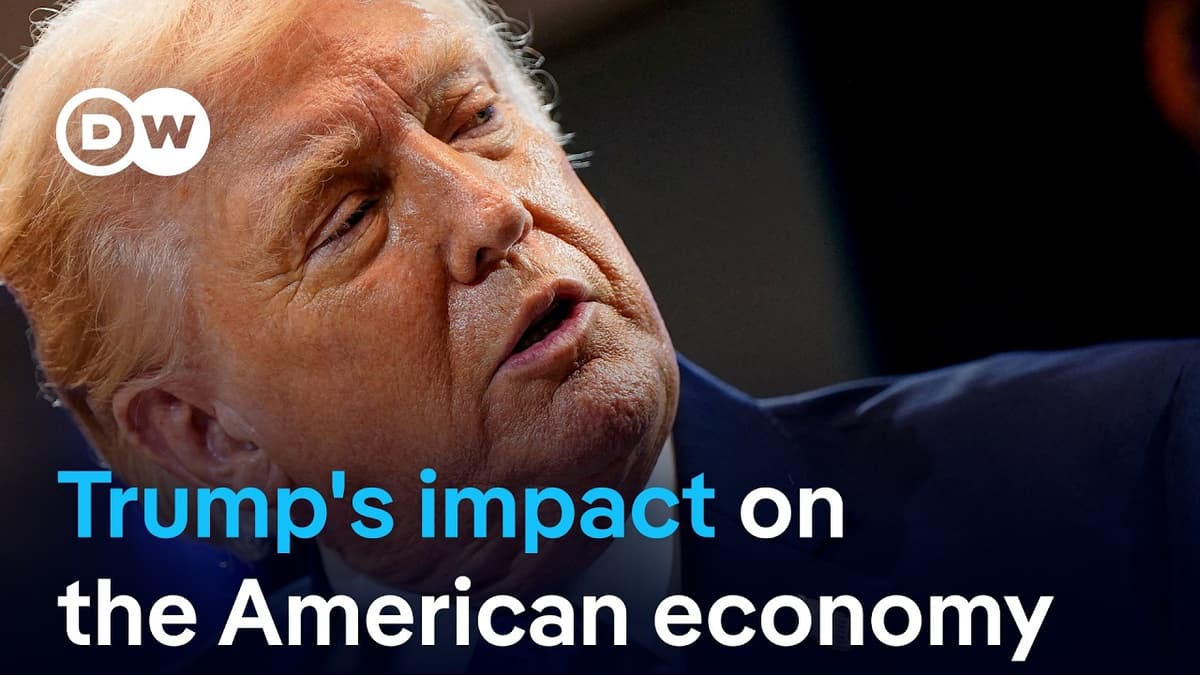
European Leaders Coordinate Response to Trump's New Tariff Escalation | DW News
U.S. President Donald Trump announced a new worldwide 15% tariff, following a Supreme Court ruling that struck down most of his earlier tariff regime. European leaders, spearheaded by German Chancellor Friedrich Merz, are preparing a coordinated response to mitigate the...
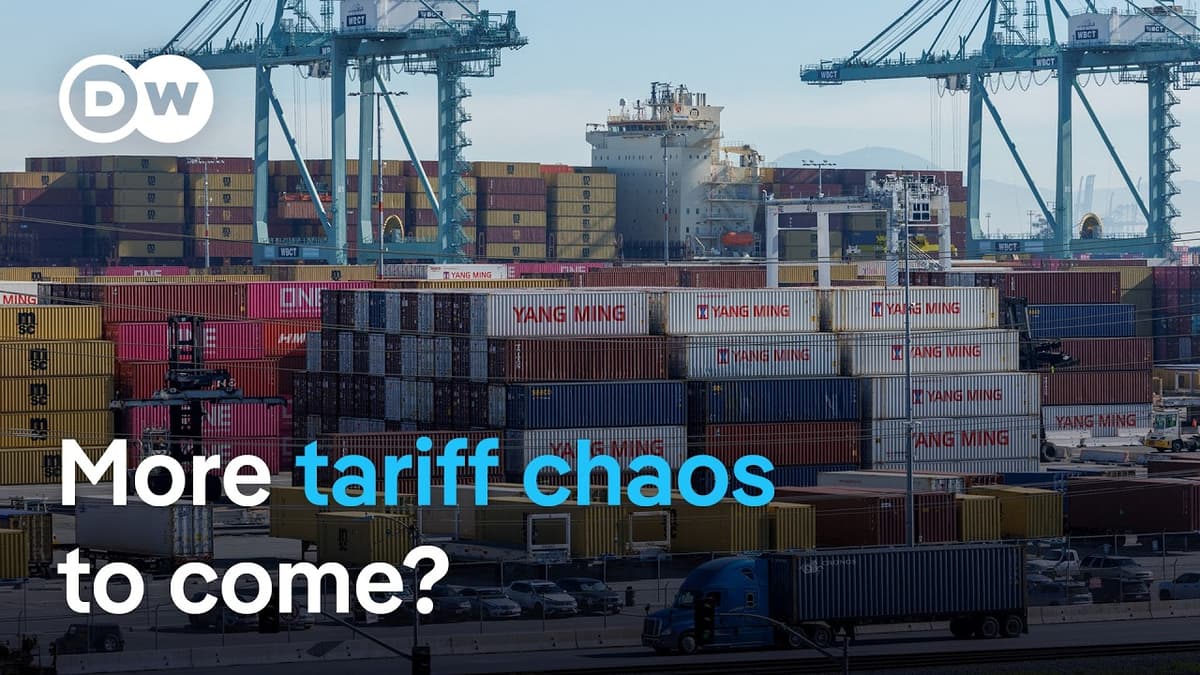
Trump Doubles Down on Tariffs: How Will the Global Economy React? | DW News
President Donald Trump announced a new tariff increase, raising the levy on imports from most of the United States' trading partners from 10% to 15%. The move follows a U.S. Supreme Court decision that struck down large portions of his...