
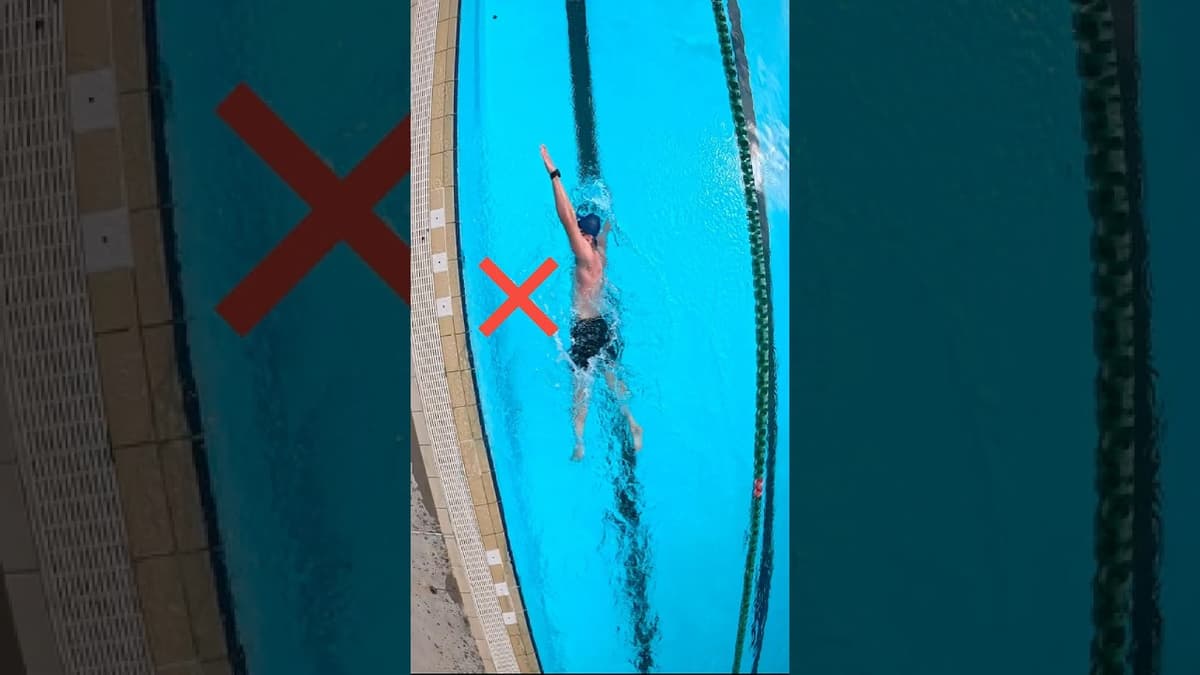
Keep Rotation Closer to a Controlled 45° so the Lead Side Keeps Pressing Forward
The video concentrates on refining swim rotation by keeping the lead side pressing forward and limiting the chest opening to a controlled 45‑degree angle, rather than a wide 90‑degree split. The coach stresses entering the water with a light hand, using the bubble trail as a visual cue that heavy entry forces the arm downward. He advises flattening the hips and shoulders, maintaining the lead side forward, and only opening the torso on the breathing side to prevent excessive roll. He demonstrates the problem by showing his own chest fully exposed, which makes it difficult to keep the lead arm up, and uses the "cut your body in half" analogy to illustrate the ideal alignment. Implementing these cues reduces drag, improves forward propulsion, and enhances overall stroke efficiency, offering competitive and fitness swimmers a clear performance advantage.
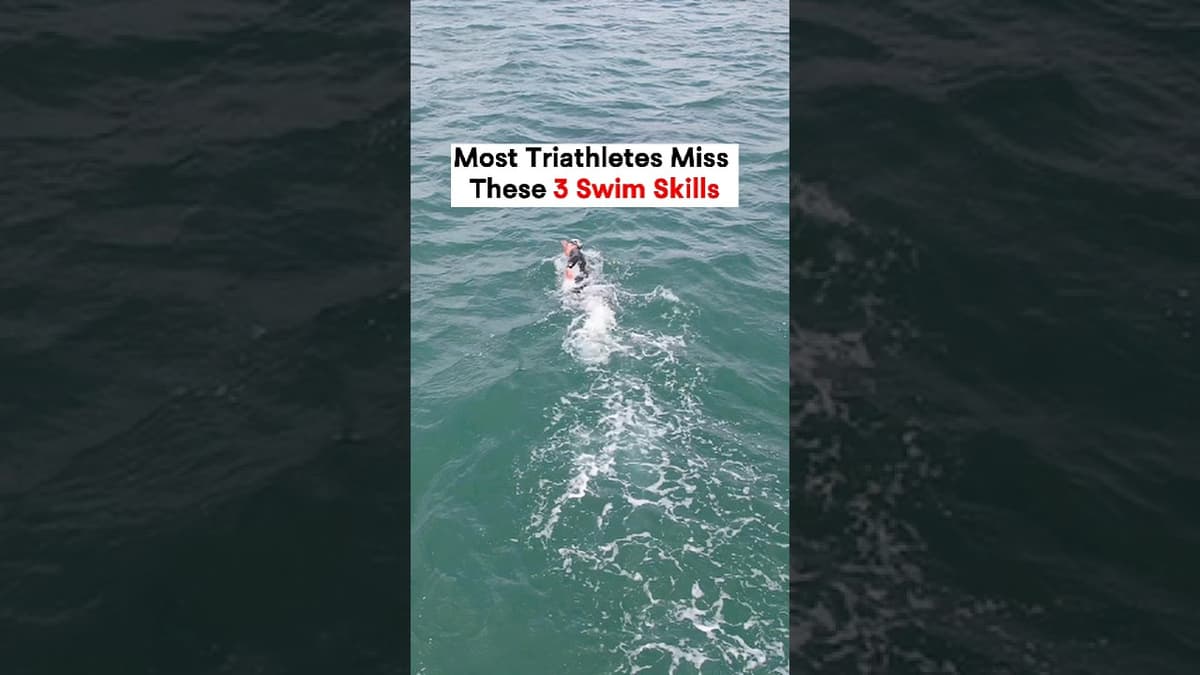
If You’re Training for an Ironman, Your Swim Might Be Missing This…
The video teaches Ironman swimmers that speed alone isn’t enough; the focus should be on three core skills—upper-body propulsion, efficient timing, and strategic positioning. Coach stresses pulling with the arms and torso while minimizing kick, using tools like paddles and pull...
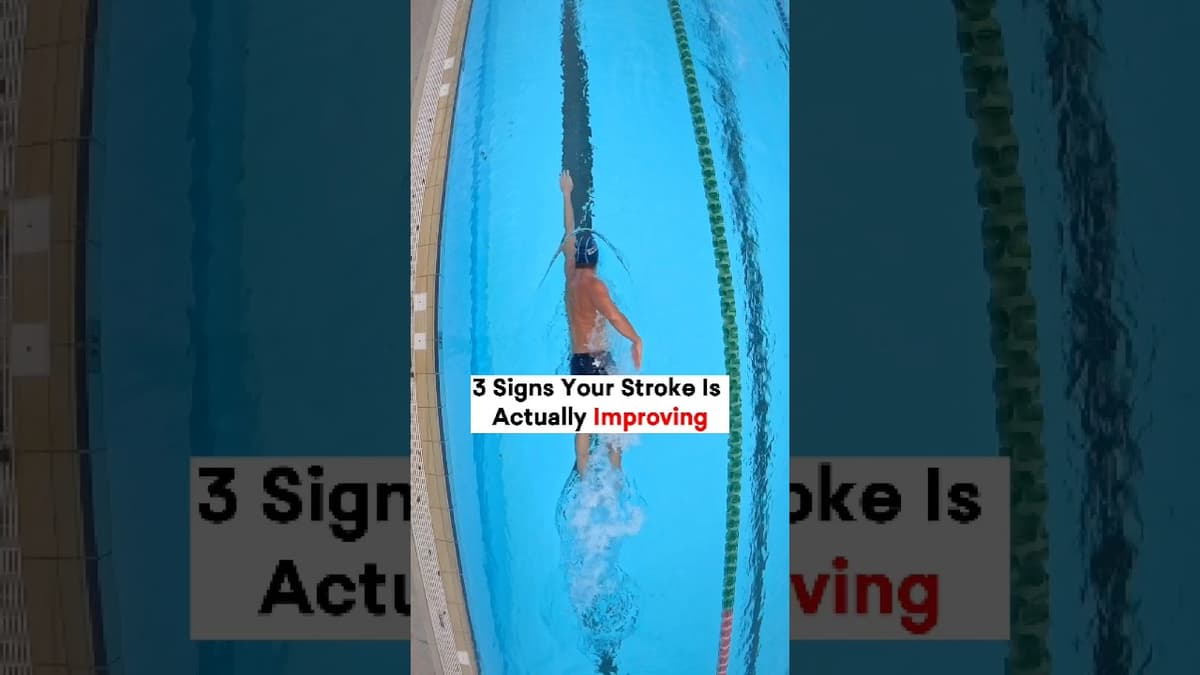
These 3 Things Will Tell You if Your Stroke Is Actually Improving…
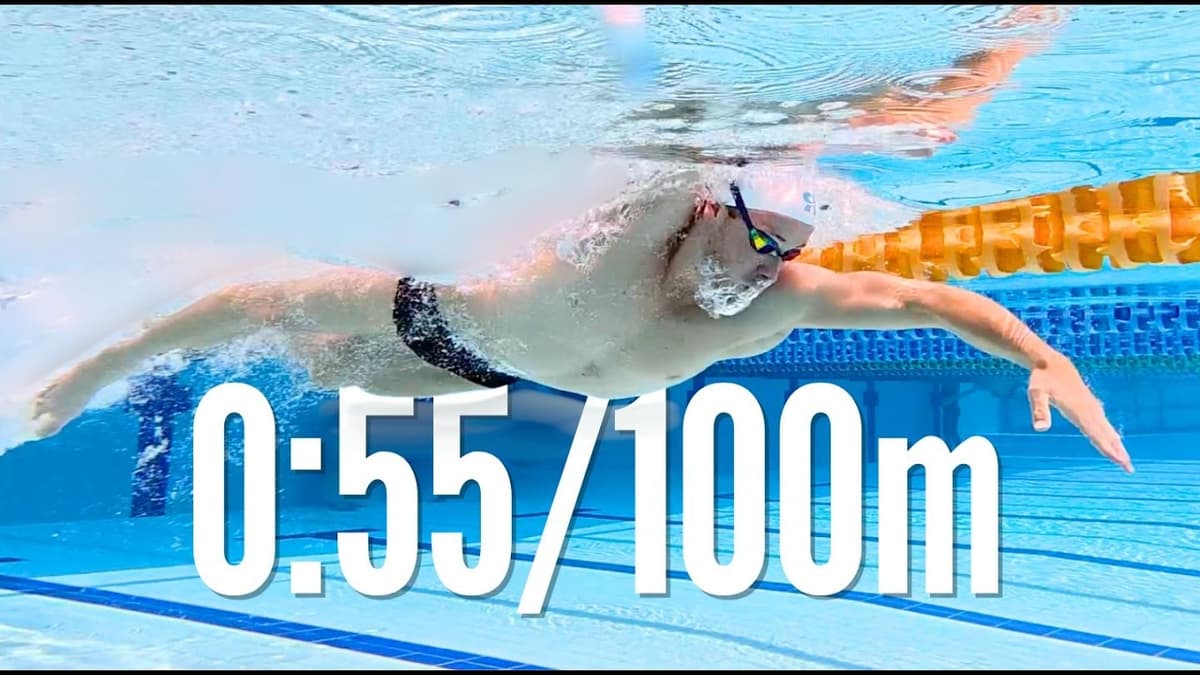
The video advises swimmers to stop fixating on 100‑meter pace and instead look for three tangible signals that indicate genuine improvement in their stroke. First, an awkward or noticeably different feel during the pull suggests the body is adapting to a...
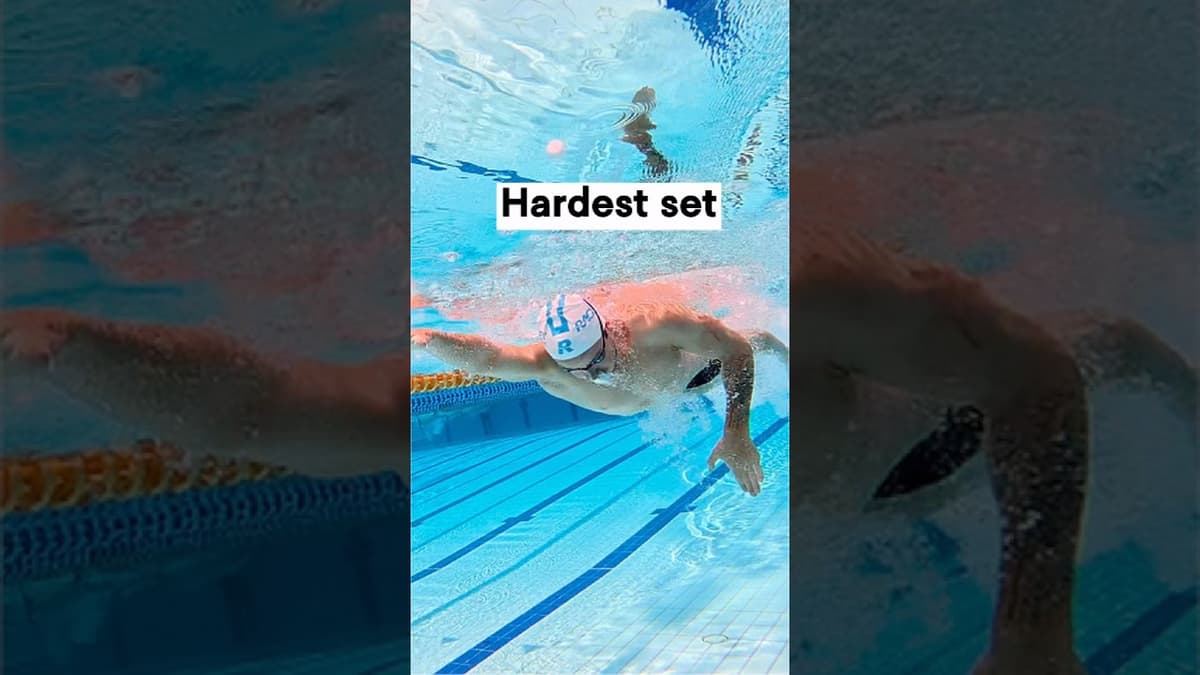
🌎Champion Distance Freestyler Sam Short Breaks Down His Fav Set and the Hardest Set He’s Ever Done
In a recent interview, champion distance freestyler Sam Short breaks down the set he enjoys most and the most grueling workout he’s ever attempted, offering a window into elite training methodology. His favorite set, performed before the World Championships, strings together...
Only 6 Swimmers In History Have Done This
Sam Short—identified in the interview as Samuel Shaw—is one of only six swimmers ever to break 3:41 in the long-course 400 free, and the video breaks down how his combination of massive volume (around 80 km/week), a powerful lope-style stroke...

How Long Does It Take to Change Your Stroke?
Changing a swim stroke typically takes longer than swimmers expect but faster than they fear: for most people training three times a week, noticeable improvements and habit formation appear in about 2–3 months. Progress speed depends on the specific technique...