
Under Tech Force, OPM Wants to Send some Feds for Tours of Duty in Industry
The Daily Scoop highlighted two major federal initiatives: the Office of Personnel Management’s proposal to rotate civil servants through private‑sector “tours of duty” under the Trump administration’s Tech Force, and the National Institutes of Health’s decision to wind down all of its government‑wide IT contracting vehicles by the end of 2028. OPM’s plan builds on the existing Tech Force pipeline that brings early‑career technologists into Washington for two‑year assignments, while also allowing seasoned managers to temporarily join the federal workforce from industry. Kevin Henkin, senior adviser at OPM, said the goal is to expose employees to alternative ways of getting things done. The agency has already onboarded about 60 participants and cites the Department of Defense cyber exchange and NASA’s “NASA Force” as precedents. Henkin’s remarks emphasized “exposure to different ways of getting things done,” and NASA’s bipartisan‑backed recruitment model was highlighted as a template for future swaps. Meanwhile, NIH announced that its Information Technology Acquisition and Assessment Center (NITAC) contracts—including CIO‑SP3, CIO‑SP3 Small Business, and CIO‑CS—will expire on Oct. 29, 2028, with a performance restriction preventing extensions past Dec. 31, 2028. The General Services Administration will inherit these procurement responsibilities. If implemented, the OPM exchange could accelerate federal digital transformation by injecting private‑sector practices, while the NIH contract sunset consolidates procurement under GSA, potentially reducing redundancy and saving billions. Both moves signal a broader Trump‑era push to streamline government talent pipelines and acquisition processes.

The CIA Wants to Turbocharge Commercial Tech Buying with a New Acquisition Framework
The CIA unveiled a new acquisition framework designed to accelerate the procurement of commercial technology, positioning the agency to tap faster into private‑sector innovation. Chief procurement officer FE Franco Giannis explained that the initiative replaces cumbersome bureaucratic steps with multiple,...
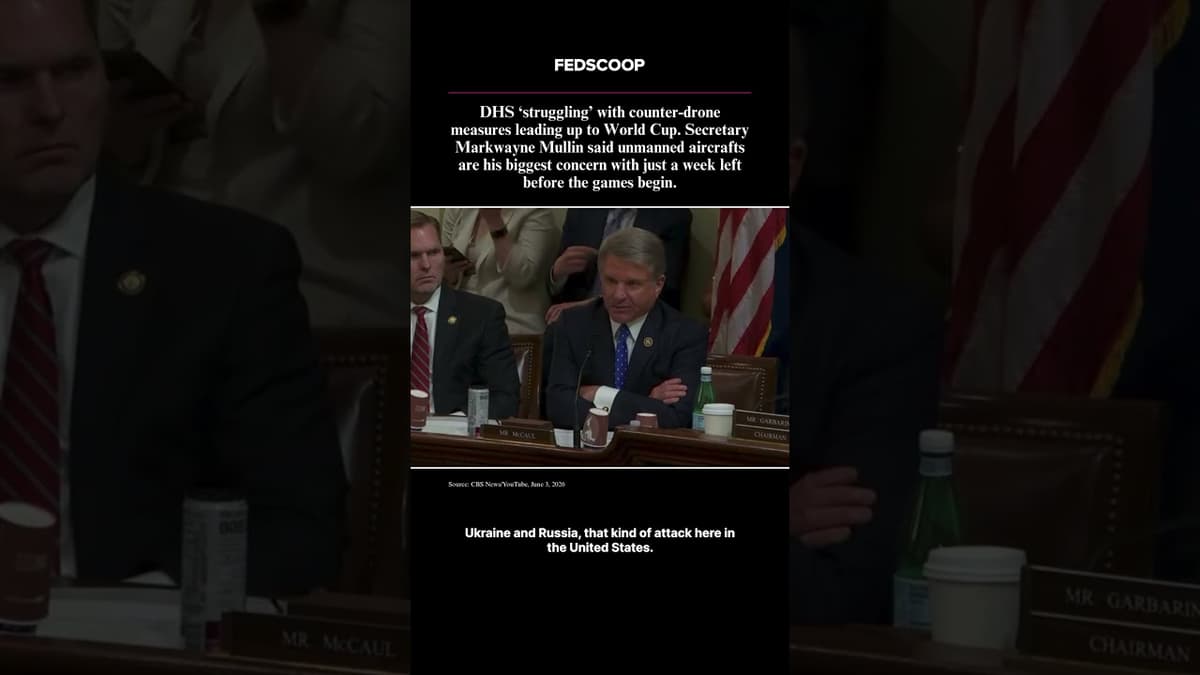
DHS ‘Struggling’ with Counter-Drone Measures Leading up to World Cup
The Department of Homeland Security warned that its counter‑drone defenses are falling behind as the United States prepares for the upcoming World Cup. While the agency has poured billions into offensive drone capabilities, officials say the protective side remains a...
OMB Update Federal Cyber Logging Tactics
The Office of Management and Budget issued a new memorandum that rescinds the Biden‑era cyber‑logging directive and adopts a risk‑based, priority‑driven logging framework for federal agencies. The change aims to curb the costly, unwieldy data‑retention requirements that have hampered operational...
DOD Wants Nearly $30B for a New AI Arsenal; Lawmakers Call for SBA to Be More Transparent on AI
The Department of Defense has requested nearly $30 billion for fiscal 2027 to build an “AI Arsenal” of next‑generation supercomputers and modernize its secure data‑center infrastructure. The budget aims to centralize and scale high‑performance computing across the joint force, enabling AI‑driven...
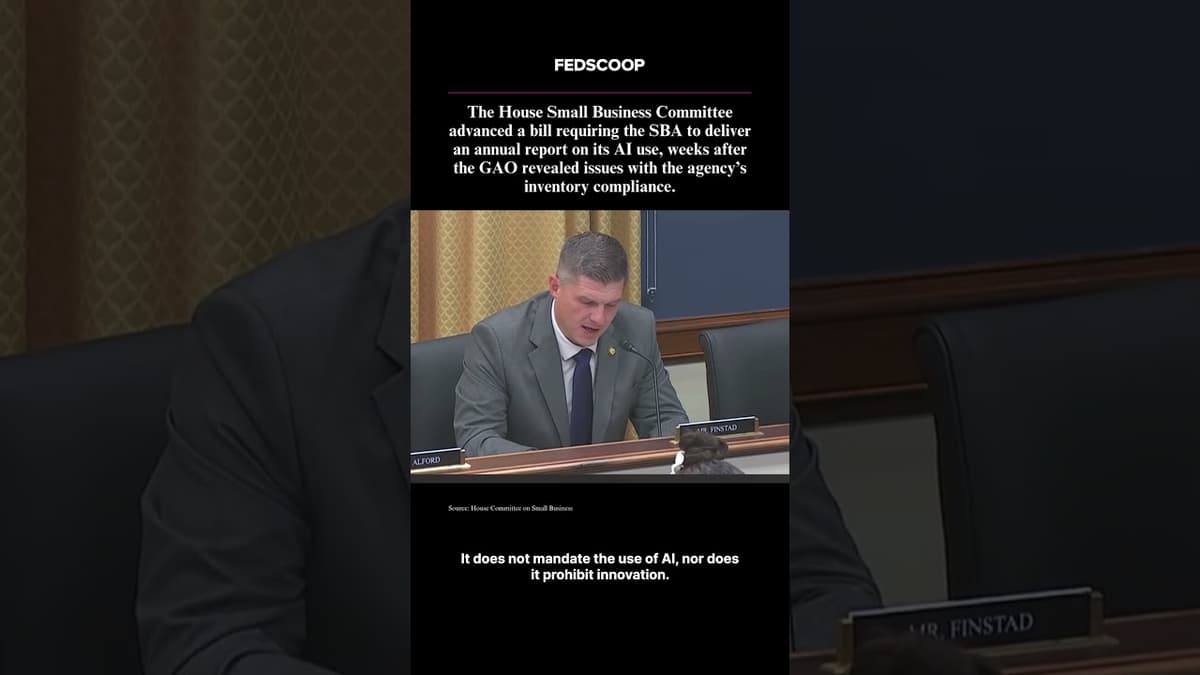
House Lawmakers Seek More AI Transparency From the SBA
House lawmakers introduced legislation requiring the Small Business Administration to file an annual report on its use of artificial intelligence and machine learning. The bill mandates disclosure of AI-driven benefits, potential risks, and assessments of effectiveness and value, without compelling the...
CISA Credentials Get Leaked on GitHub
The Daily Scoop highlighted two distinct federal issues: a massive CISA credential leak on GitHub and a bipartisan House proposal to task the Office of Personnel Management with a comprehensive federal biotech workforce assessment. The leak, discovered by security firm...
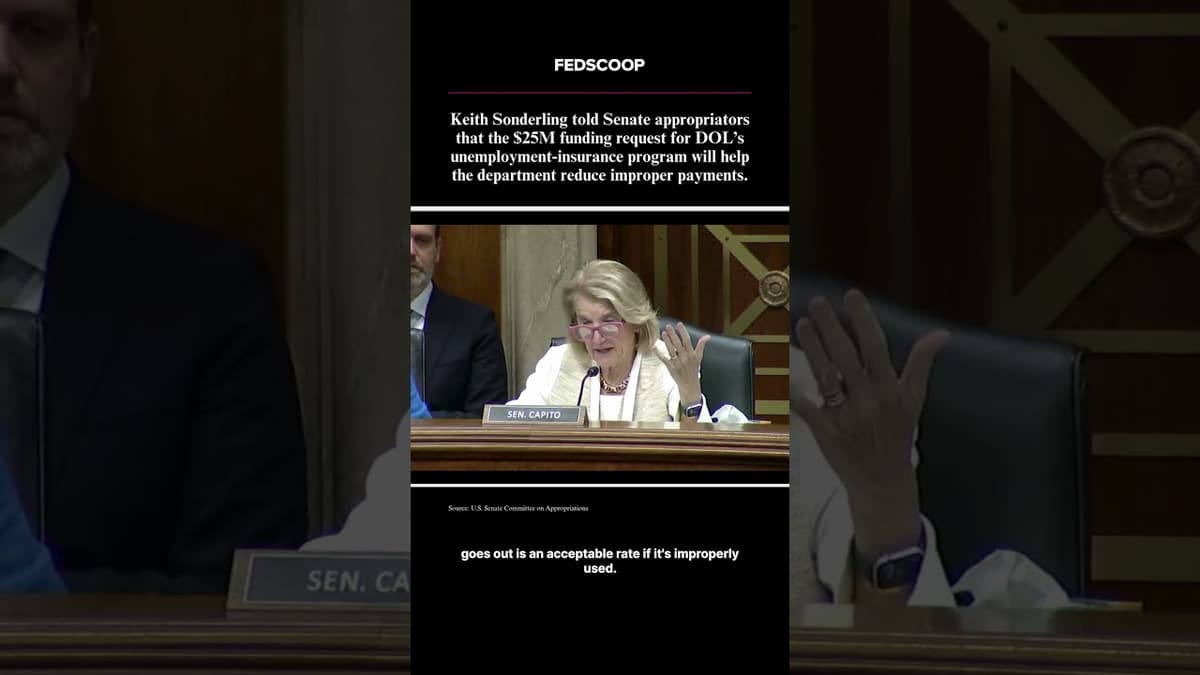
Acting Labor Secretary Eyes Big Budget Boost for ID Verification Systems
The Acting Labor Secretary announced a push for a substantial budget boost to fund identity‑verification systems aimed at curbing unemployment‑insurance fraud. The request is part of the White House task force’s broader effort to eliminate waste, fraud, and abuse across...
The Marine Corps Mandates ‘Basic AI’ Training Course for All Troops
The Marine Corps announced a new directive mandating that every active‑duty and reserve Marine complete a basic artificial‑intelligence training module before the end of 2026. Approved by Lieutenant General Benjamin Watson, the 45‑minute course will be accessed through the Marine...
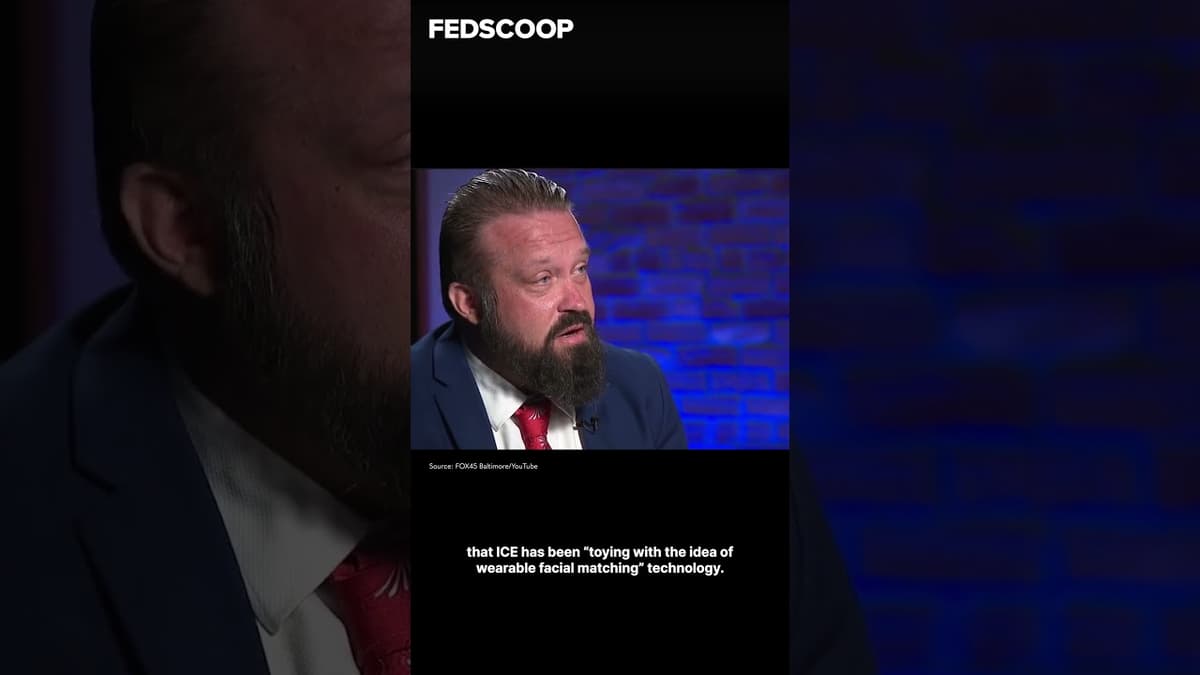
The White House Is Pressing ICE for Updates on Wearable Identity Verification Technology
The White House is closely tracking Immigration and Customs Enforcement’s effort to field wearable identity‑verification technology, specifically smart glasses that would give agents real‑time biometric data in the field. The FY2027 DHS budget, shaped by the administration, earmarks $7.5 million for the...

ICE and HSI Plan to Spend up to $100 Million over the Next Five Years on Cellebrite
The Department of Homeland Security announced a five‑year, indefinite‑delivery, indefinite‑quantity contract with Cellebrite, capping spend at $100 million. The agreement, expected to be awarded later this year, formalizes a partnership that already powers Immigration and Customs Enforcement and Homeland Security Investigations...
Lawmakers Sound the Alarm on ICE ‘Ghost Flights’
A coalition of 32 House Democrats sent a letter to FAA Administrator Brian Bedford demanding greater transparency on Immigration and Customs Enforcement’s (ICE) so‑called “ghost flights,” which transport deportees but are not reflected in public flight‑tracking data. Lawmakers say the Department...

A New CBO Estimate Puts Golden Dome Cost at $1.2T over 2 Decades
Congressional Budget Office released a new estimate that the Golden Dome missile‑defense program could cost about $1.2 trillion to develop, deploy and operate over the next two decades, dwarfing the $185 billion already earmarked. The CBO analysis projects acquisition costs just over $1 trillion,...
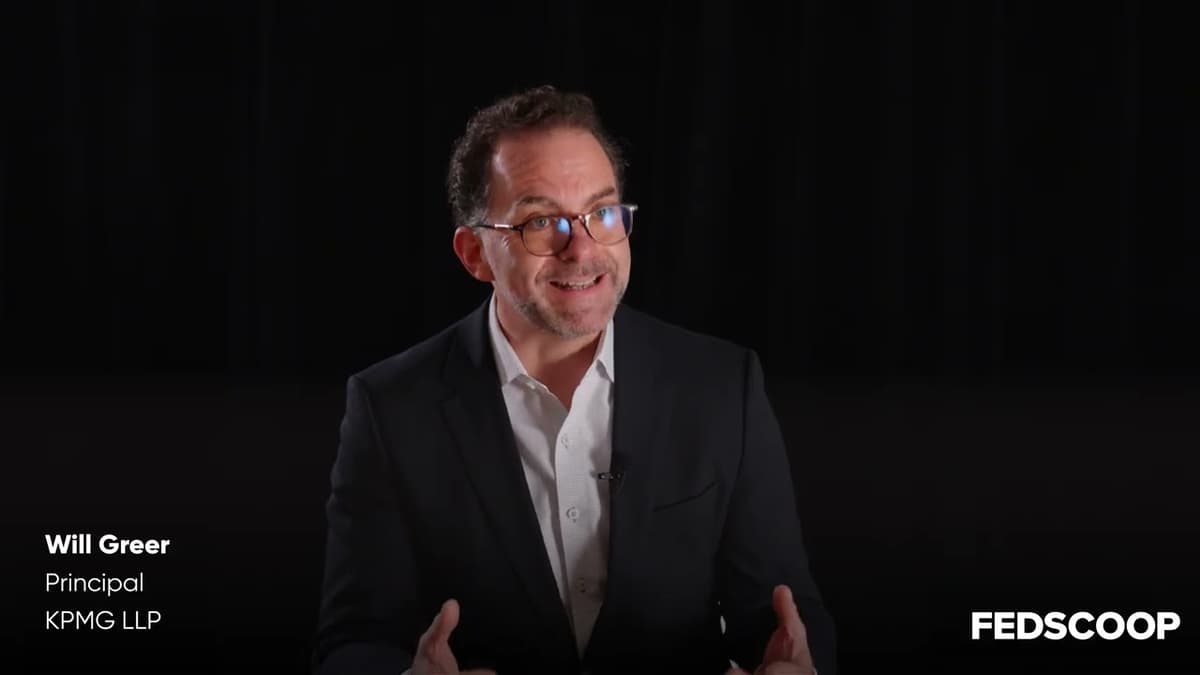
KPMG’s Will Greer on Evolving Federal Skills for Mission Success
In a Workday Federal Forum interview, KPMG partner Will Greer outlined how federal agencies can leverage artificial intelligence to modernize workforce planning and skill development. Greer broke the process into three pillars—defining the agency’s mission, establishing programs to fulfill that mission,...
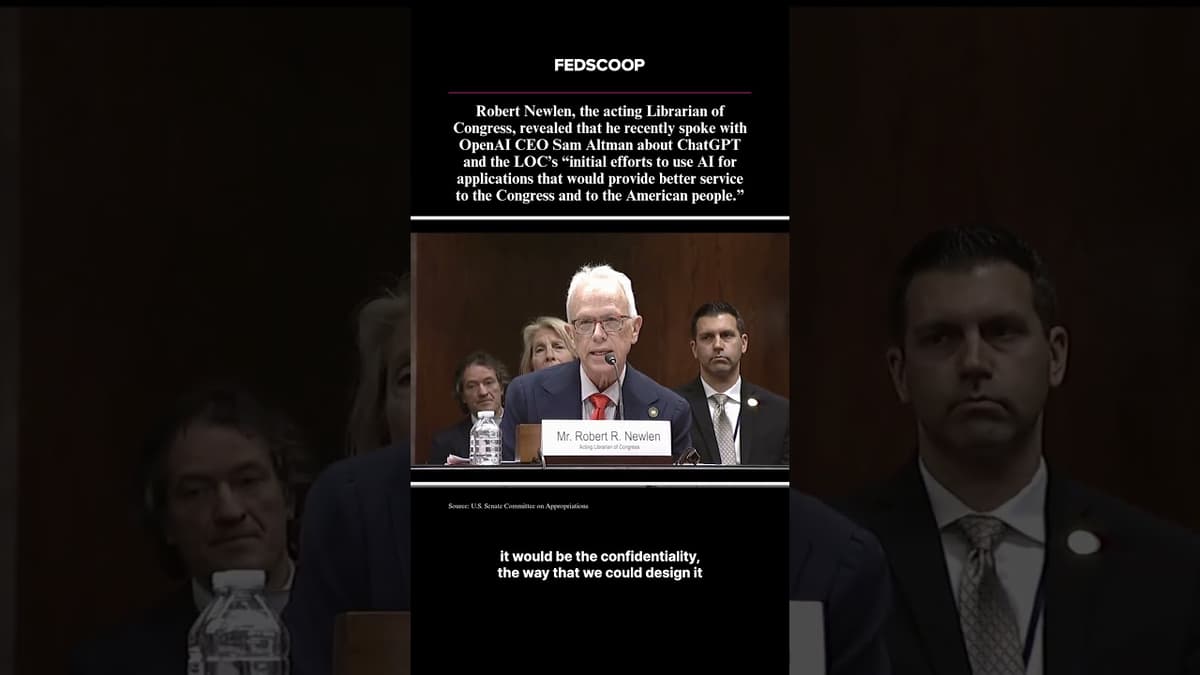
Library of Congress Weighs AI Tools for Congress and Public
Officials at the Library of Congress told lawmakers they are exploring building AI tools tailored for Congress and the public, emphasizing accuracy, authoritativeness and nonpartisanship. The library said it could design a secure platform to process its vast legislative data...