He Built a $125M Brain Food Brand With Just 10 People | Will Nitze
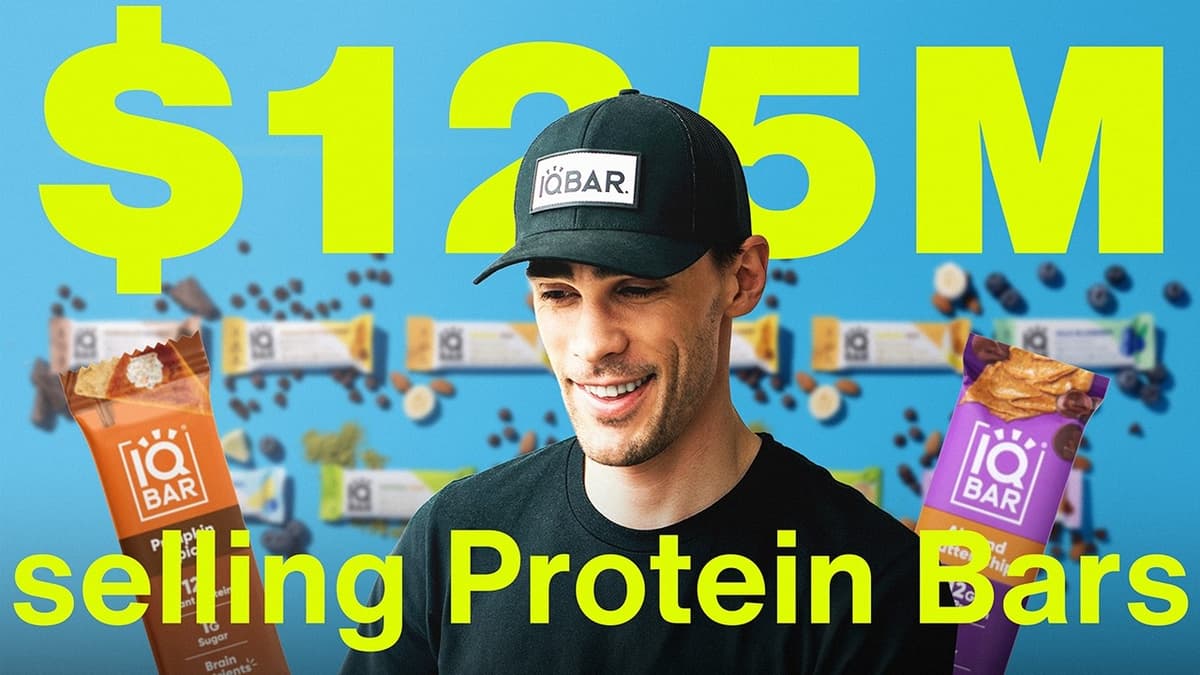
The episode follows Will Nitze, founder and CEO of IQ Bar, as he explains how he turned a dorm‑room t‑shirt hustle into a $125 million brain‑food brand while keeping his staff to just ten people. Nitze emphasizes that in the consumer packaged goods (CPG) arena, bootstrapping inevitably throttles growth because manufacturing, inventory, and distribution demand substantial upfront capital. Nitze’s funding play was deliberately contrarian: instead of raising a massive runway, he secured under $10 million in a series of one‑year‑runway rounds, preserving equity and control while repeatedly proving unit‑economic viability. He also spent more than a year and over a thousand hours iterating the bar formula—ten product versions—until he hit a low‑sugar, high‑protein, clean‑label profile that could sell both online and in brick‑and‑mortar. The shift from a direct‑to‑consumer model to partnerships with Costco, Whole Foods, and other retailers accelerated revenue, pushing projected topline to $125 million. Memorable moments include Nitze’s description of building the company as “a knife fight that requires constant reinvention,” his admission that “bootstrapping is the worst thing you can do in CPG,” and the striking metric of roughly $10 million revenue per employee. He also recounts the gritty kitchen‑aid prototyping phase, where a simple mix of ingredients turned into a market‑ready product after countless trials. The story illustrates that aggressive, disciplined capital deployment and a razor‑thin operating team can produce outsized returns in a traditionally capital‑heavy sector. For founders, the lesson is clear: secure enough funding to scale inventory quickly, focus relentlessly on unit economics, and don’t fear periodic equity dilution if it accelerates growth and preserves long‑term value.

$50K to $300M+: How Two L'Oréal Employees Built Glow Recipe
The episode chronicles how Sarah Lee and Christine, two former L’Oréal marketers, turned a $50,000 personal savings into Glow Recipe, a Korean‑skincare brand now generating over $300 million annually and occupying a dominant slot in Sephora. Their playbook hinged on relentless hustle:...
From $70M in Debt to $1B Amazon Deal in 45 Days | Jamie Siminoff
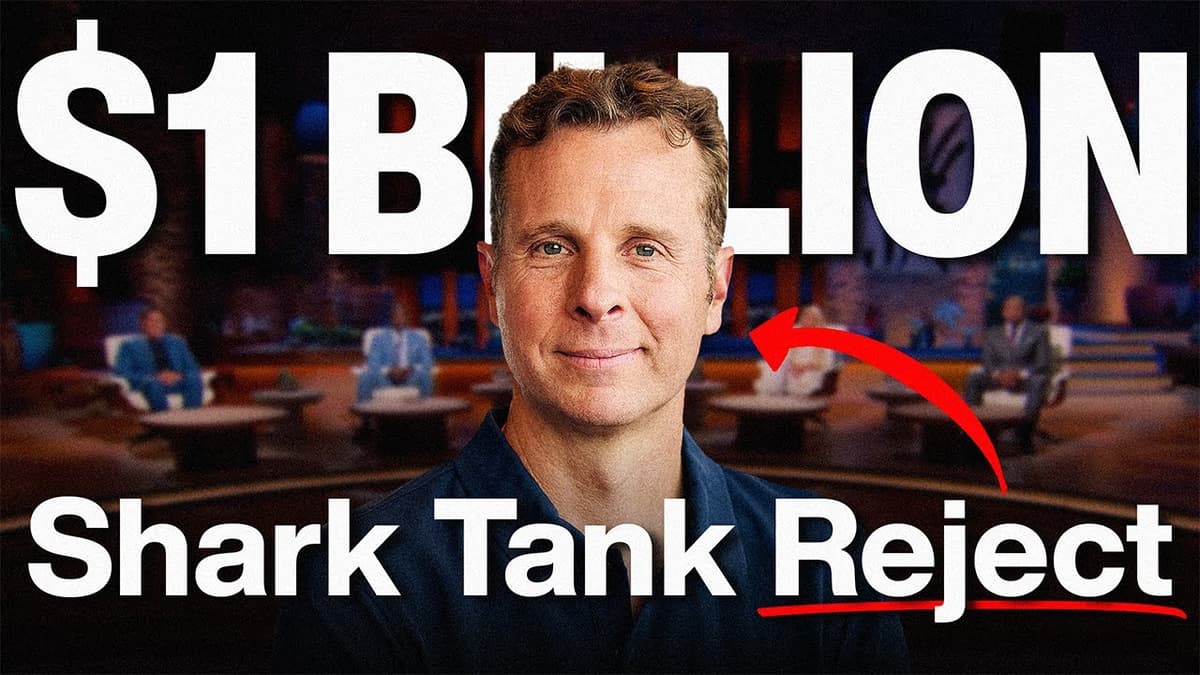
The episode chronicles Jamie Siminoff’s transformation of a garage‑built Wi‑Fi doorbell into Ring, a hardware company that went from $70 million in supplier debt to a $1 billion Amazon acquisition in just 45 days. Siminoff leveraged pre‑sales to fund $2‑3 million of R&D, purchased...

$500K in Debt, 5 Maxed Credit Cards — How Jordan Harper Built an 8-Figure Brand in Year One
The episode chronicles how nurse‑practitioner Jordan Harper turned a $24,000, credit‑card‑financed launch into Barefaced, an eight‑figure skincare brand in its first year, all without outside capital. Faced with half a million dollars of household debt, she identified a market gap:...