
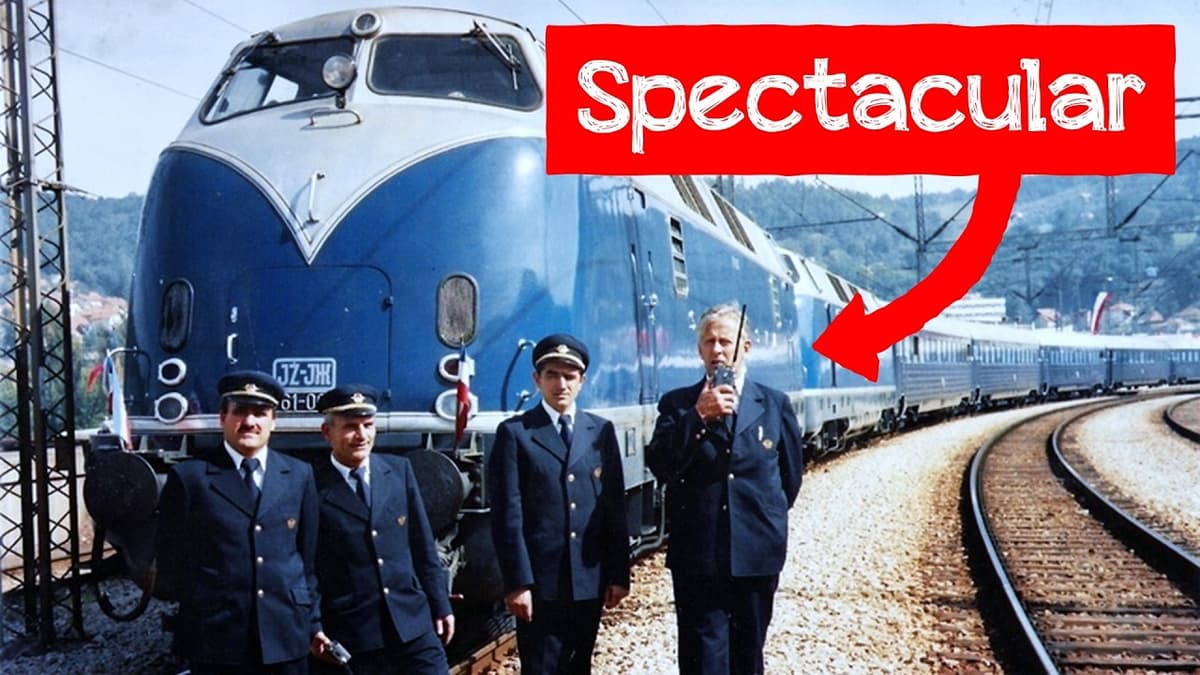
Yugoslavia Built 1200km of Railway From Scratch
Yugoslavia embarked on an unprecedented railway building program after World II, constructing roughly 1,123 km of new track between 1946 and 1976. The effort was a cornerstone of the country’s five‑year plans to industrialize and knit together a fragmented, mountainous terrain. The narrative details successive phases: 100 km from British to Banovichi in 1946, 250 km linking Šamac to Sarajevo in 1947, another 112 km shortening the Zagreb‑coast corridor in 1948, and the landmark 500 km Belgrade‑Bar line completed in 1976. Parallel electrification projects, notably the 25 kV overhead system from Zagreb to Belgrade, transformed the network into a fast inter‑city artery. A striking anecdote cites Tito’s defiant reply to Stalin’s assassins, underscoring Yugoslavia’s non‑aligned stance that allowed autonomous infrastructure decisions. The Belgrade‑Bar railway, hailed as an engineering marvel, exemplifies the ambition and technical skill of the era. While the railways spurred economic expansion in the 1950s‑70s, mounting foreign debt and imposed austerity in the 1980s precipitated a sharp decline, leaving much of the system dilapidated after the country’s breakup. The story illustrates how large‑scale public works can fuel growth but also become vulnerable to macro‑economic and political upheaval.

Structural Engineer Explains EMBODIED CARBON
The video features a structural engineer outlining the concept of embodied carbon and its outsized role in large‑scale railway infrastructure such as bridges, tunnels, and high‑speed lines. He clarifies that embodied carbon is measured in CO₂‑equivalent, encompassing methane, sulfides and...
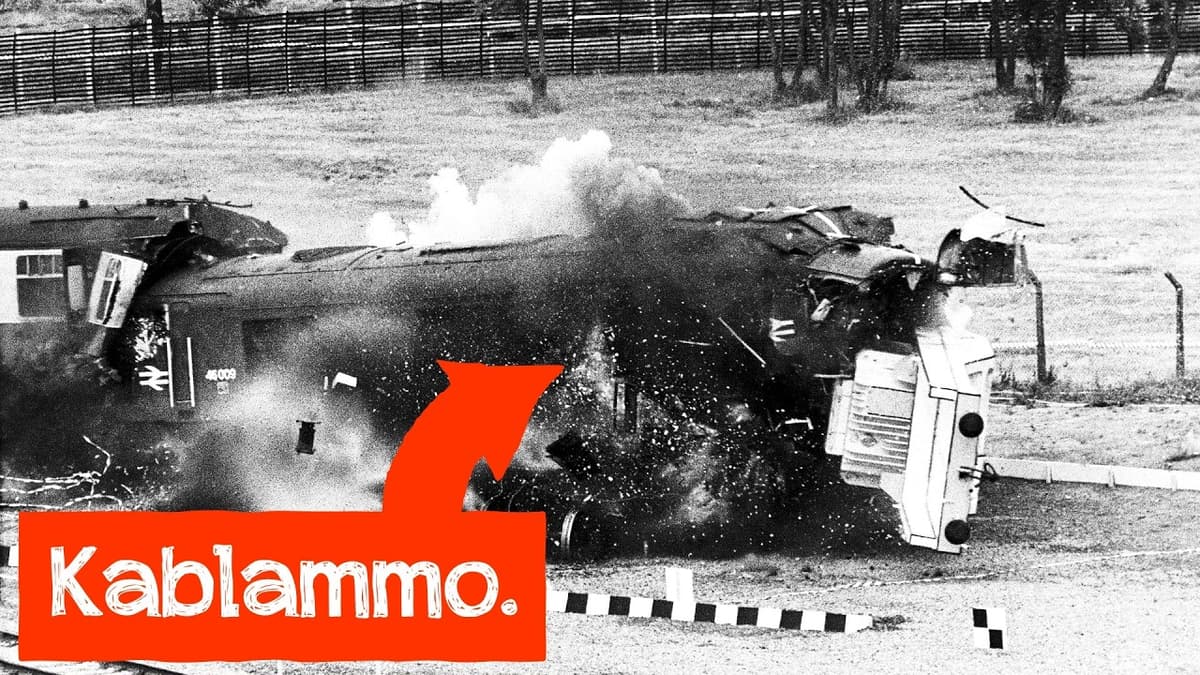
What Happens when a Train Hits a Nuclear Flask
The video details a staged crash where a locomotive rammed a mock nuclear flask, part of Operation Smash Hit, held on July 17 near the village of Ed Walton, about 8.75 miles from Old Dolby. The event featured a dented front...
Introducing a Scientific Transport Scoring System!
The video announces the launch of PROIVE, a scientific scoring system designed to evaluate how well transport networks serve their surrounding communities. The creator frames the framework as a way to meet people across different locales while applying a data‑driven...
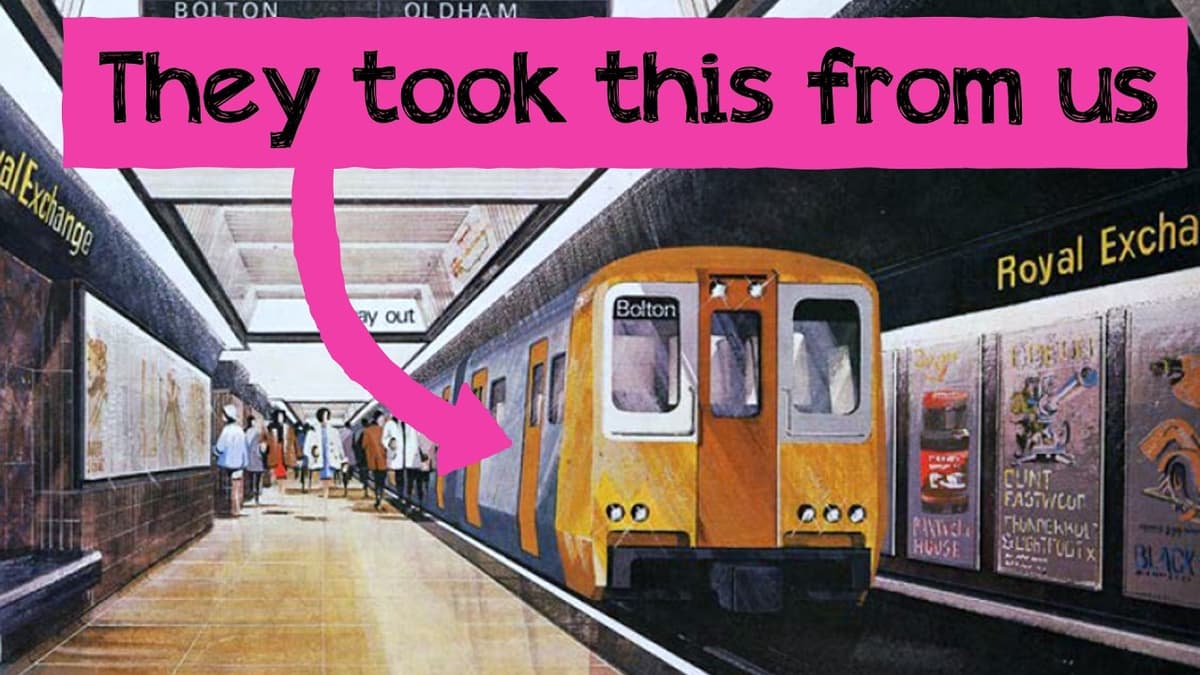
Treasury CANCELLED Manchester's First Underground Line
The video recounts how the UK Treasury’s refusal to fund the Pikvic tunnel effectively cancelled Manchester’s first underground line, a project envisioned in the early 1970s to separate suburban and long‑distance rail traffic. The Department of the Environment rejected the infrastructure...

How Did the Green Party Win in Gorton and Denton?
The video examines the Green Party’s surprising surge in the Gorton and Denton by‑elections, framing the contests as a litmus test for transport‑focused politics in Britain’s urban peripheries. Presenter highlights how car‑centric planning has created transport poverty, fragmented streetscapes, and heightened...

THIS Is Why UK Infrastructure Costs so Much
The video dissects why UK infrastructure, epitomised by HS2, consistently overruns time and budget. The presenter argues that three systemic flaws—political indecision, bloated project scopes, and a fragmented delivery ecosystem—are at the root of the problem. First, the lack of firm...
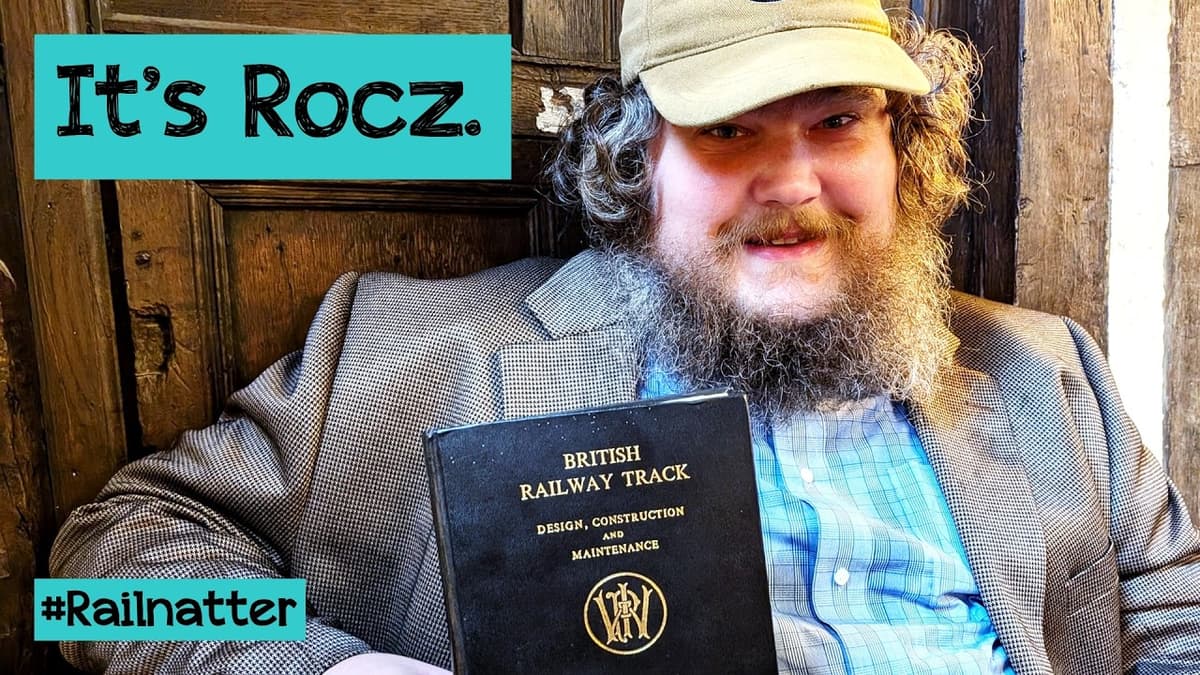
Justin Roczniak Fixes Britain's Railways | #Railnatter 297
The latest Railnatter episode turns a live‑broadcast format into a global safety audit, spotlighting recent rail disasters in Mexico, Spain and a tragic tram derailment, while also critiquing domestic policy shifts in Britain. The hosts dissect the 2024 Mexican inter‑oceanic...
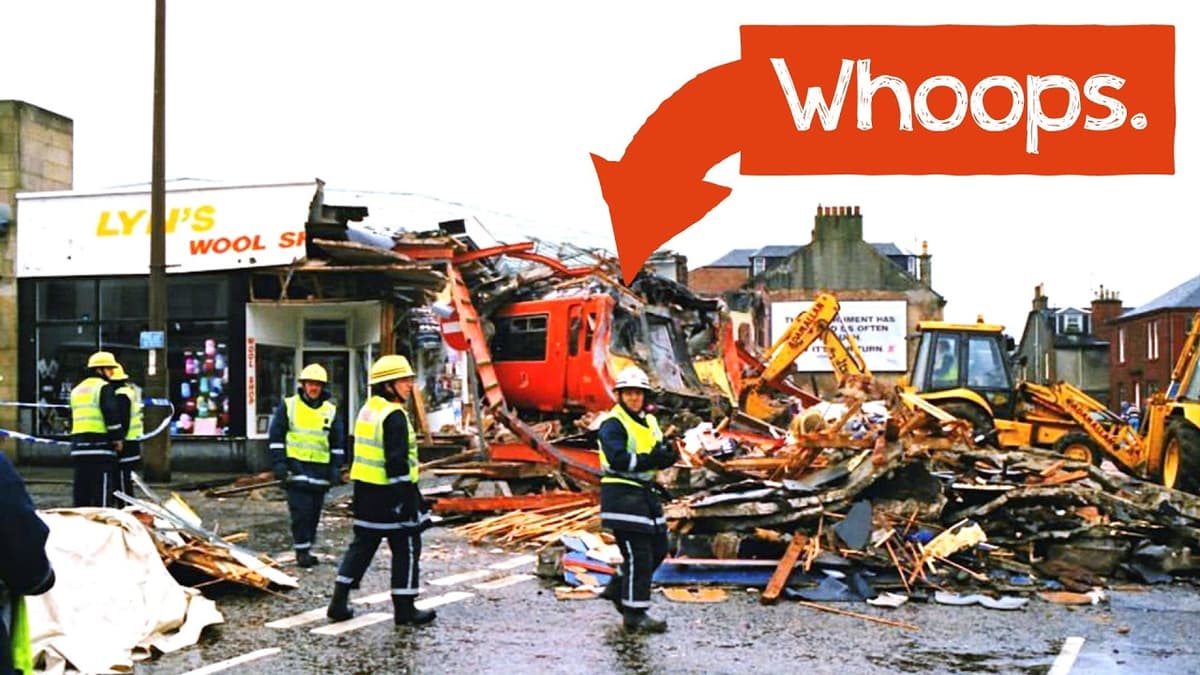
The LAST Thing a Train Driver Wants to Happen
The video recounts a 1995 runaway incident on a Scottish electric multiple unit that barreled through York station after a brake failure, nearly demolishing the platform and a nearby wool shop. The driver, realizing the train would not stop, sprinted through...
How to Do Pronoun Checks in 1954
The video examines a series of letters written by Lily Lawrence—known in the railway modelling world as LBSC—in the mid‑1950s. In a February 1954 note to fellow modeller Jeff Cashmore, Lawrence explicitly asks that masculine pronouns be stripped from her...
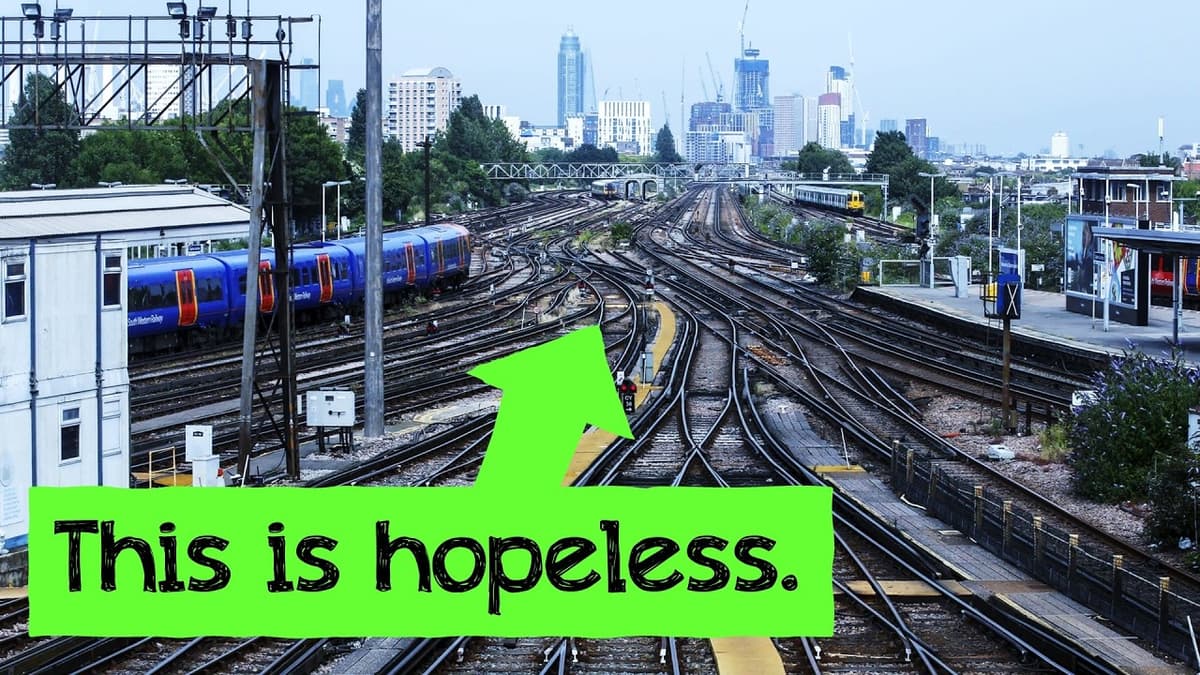
The BEST Way to Speed up Trains
The video argues that the most efficient way to make trains faster is not by raising line‑speed limits on long stretches, but by upgrading the low‑speed bottlenecks found in station throats and other constrained sections. By replacing outdated turnouts and...
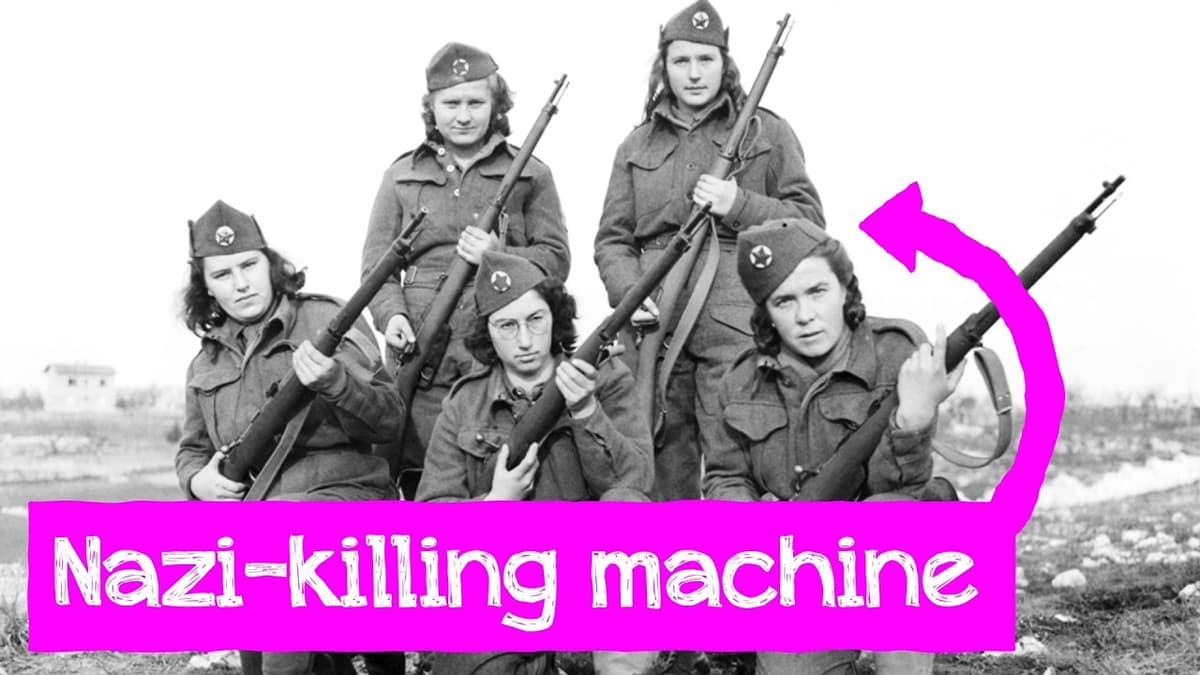
Without Them, WW2 Would Have Lasted Years Longer
The video recounts how a March 1941 coup in Yugoslavia toppled a pro‑Axis government, prompting Adolf Hitler to launch a swift blitzkrieg that shattered the kingdom and divided it among Germany, Italy, Hungary and Bulgaria. The ensuing occupation sparked two...
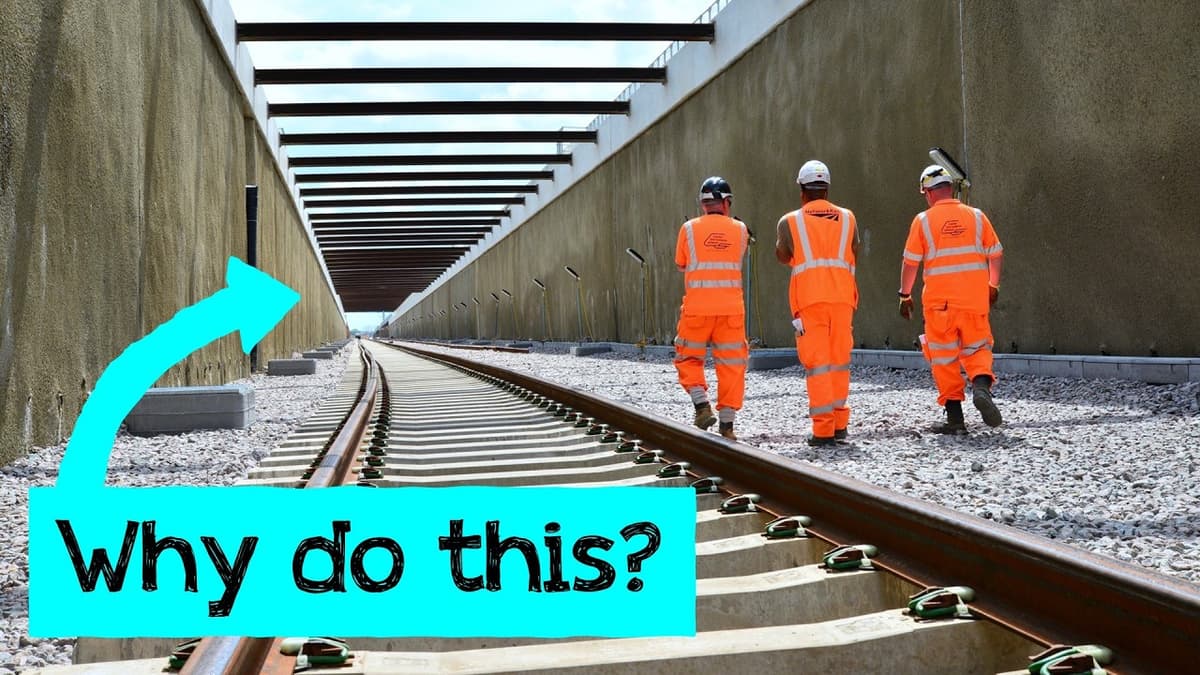
Why Choose a Tunnel Instead of a Bridge?
The video examines the strategic choice between tunnels, flyovers and dive‑unders on Britain’s East Coast Main Line, illustrating how engineers separate slow freight traffic from high‑speed passenger services to unlock capacity. It uses two flagship projects – the Welling dive‑under...
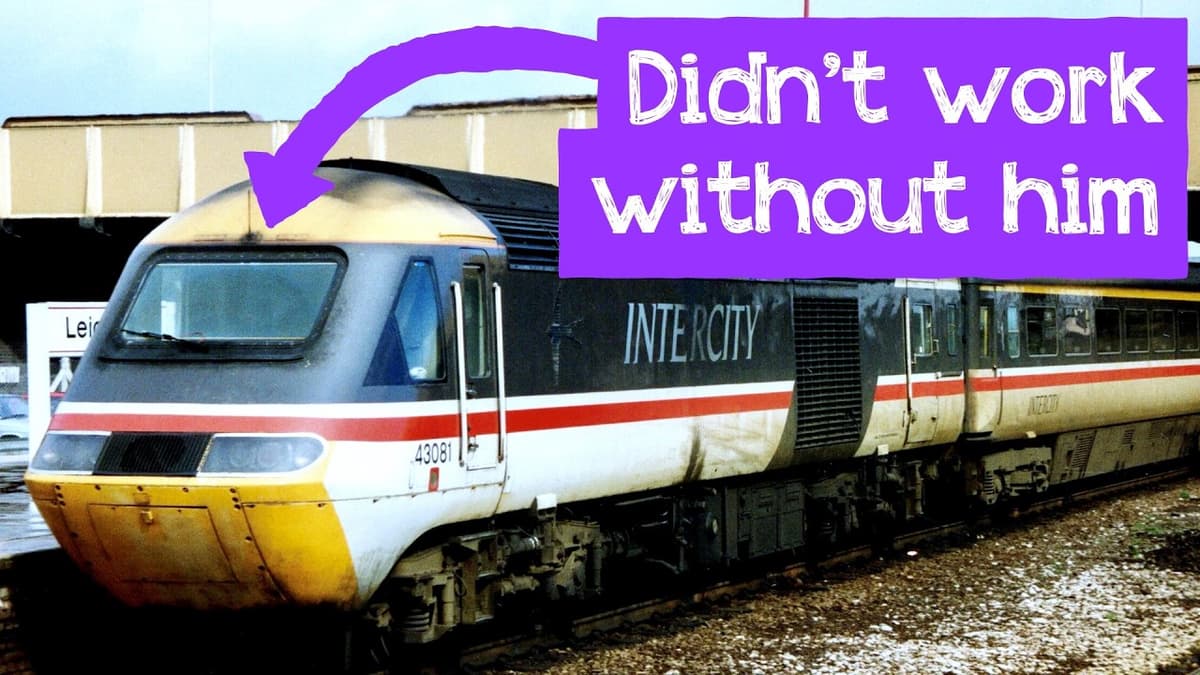
The Gay Engineer Who Got the High Speed Train to Stop
The video recounts how Ron Worley, a gay electrical engineer in the 1970s, revolutionized the braking system of Britain’s High Speed Train (Class 43), a locomotive credited with rescuing the nation’s rail network. At the time, brake pressure propagated from a single...
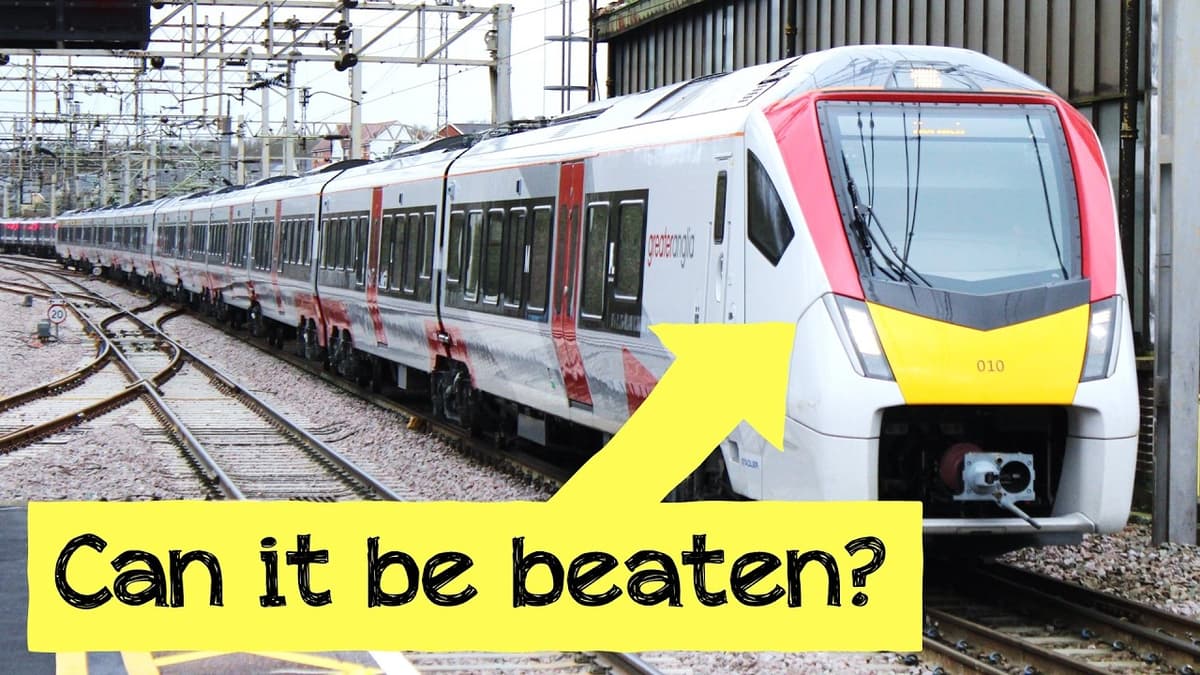
THIS Is How You Make Trains Accessible for Everyone
The video showcases a new low‑floor train prototype designed to make rail travel universally accessible. By removing traditional steps and offering level boarding, the vehicle caters to wheelchair users and passengers with limited mobility, while its sleek interior and high‑quality...
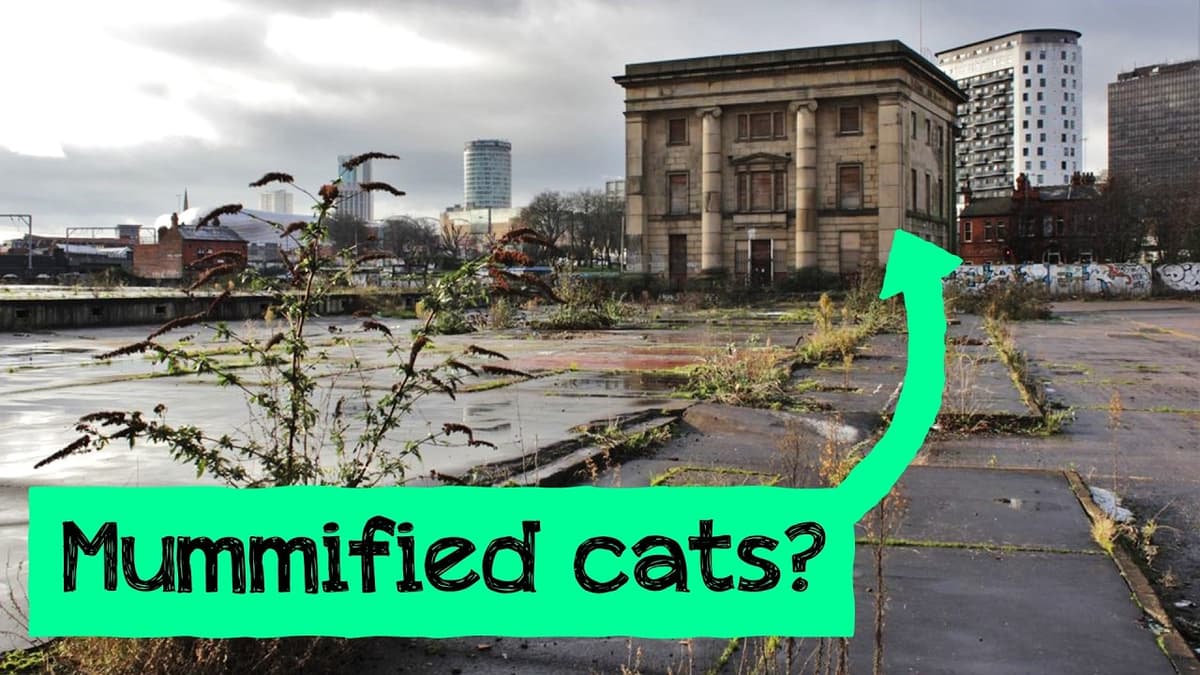
Inside the Abandoned Curzon Street Station Building
The video takes viewers inside the long‑abandoned Curzon Street railway station in Birmingham, once the terminus of the original London‑Birmingham line and now a relic beside the planned HS2 hub. The host walks through the grand Victorian façade, noting...
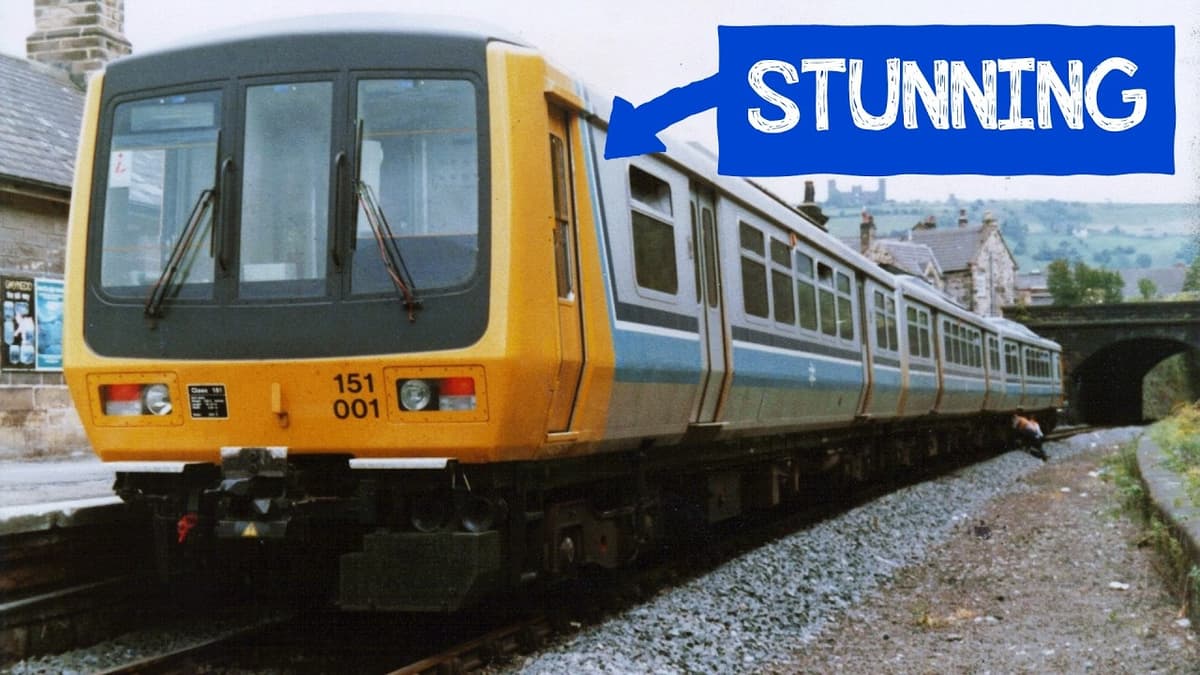
The OTHER Futuristic Train Britain Never Got
The video examines the unrealized futuristic train, focusing on the Class 151 prototype, set against the backdrop of Britain’s DMU evolution after a 21‑year gap since the last diesel multiple unit. It recounts the 1984 introduction of the Class 150, a...
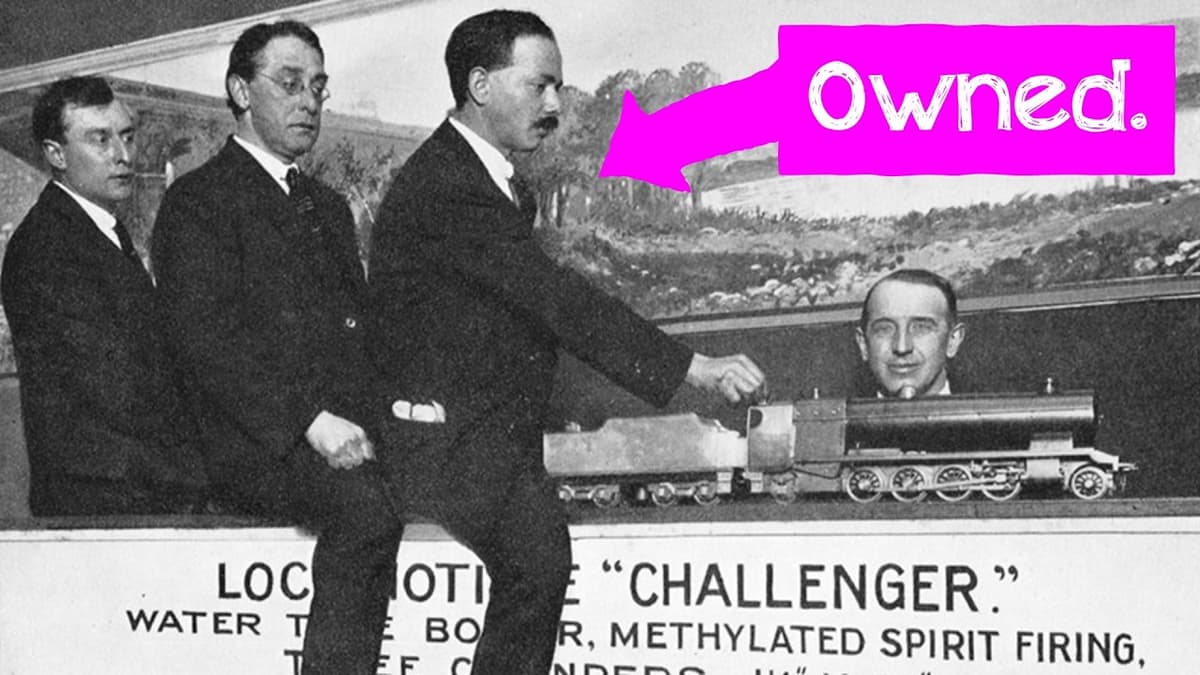
The Battle of the Boilers
The video recounts the 1922 “Battle of the Boilers,” a heated correspondence between model‑engineering enthusiasts over the optimal boiler fuel—spirit‑fired versus coal. The dispute pitted Basset Loki, who promoted spirit‑fired designs, against Lillian, a newcomer championing coal‑burning locomotives. Key data points...

The Coventry VLR Design Creates Problems
The video critiques the newly unveiled urban very‑low‑floor (VLR) vehicle slated for Coventry, highlighting its unconventional design and operational assumptions. It points out that the prototype carries driver cabins at both ends, squanders interior space, and seats only about 40 passengers...
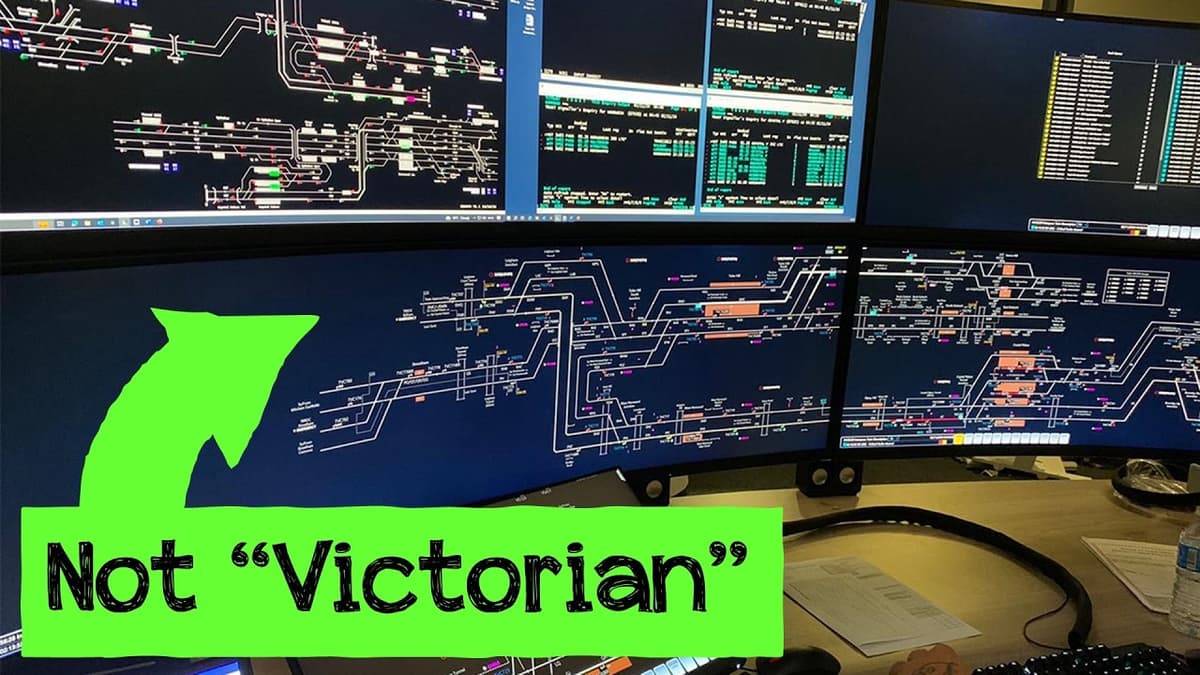
Engineer Debunks Myths About British Railway Technology
The video features an engineer systematically dismantling popular myths surrounding British railway technology, from claims of a uniquely British invention to assertions that current systems are stuck in a Victorian era. He traces railway origins back to 16th‑century Britain, earlier...

Driverless Cars Are Getting Closer to Ruining Everything
The video deconstructs the current hype around driverless cars, highlighting recent milestones such as New York City’s first permit for autonomous testing by Whimo. Even with this approval, the vehicles operate on a handful of streets and rely on a...
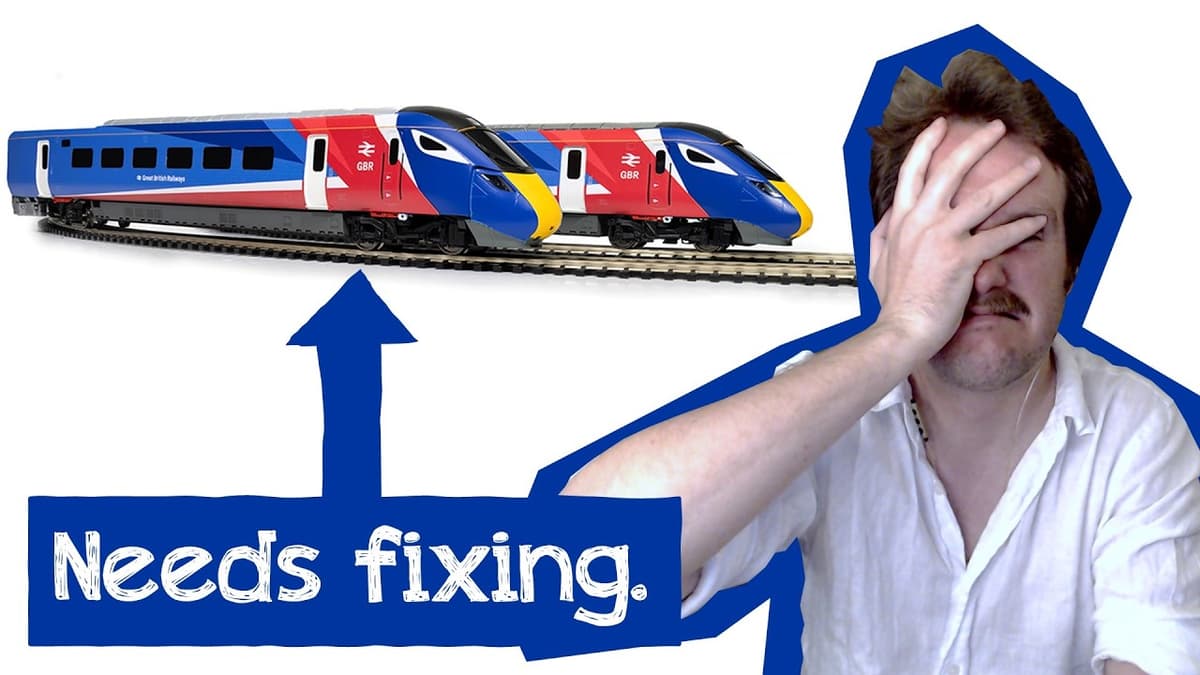
The Five BIGGEST Problems for Britain's Railways
The video outlines what the presenter believes are the five biggest problems plaguing Britain’s rail network, framing them as systemic failures rather than isolated incidents. He argues that the industry lacks a clear, overarching purpose and a single strategic plan,...

Why the British Rail Industry Is SO Complicated | #Railnatter 295
The episode of Railnatter 295 unpacks why the British rail industry is notoriously complex, tracing its tangled organisational chart from passengers to freight, infrastructure, and oversight bodies. Host Gathennis notes that 115,000 are directly employed by GB Rail, rising to an estimated 640,000...