
I Successfully Avoided a Power Struggle with My Son. Here's What I Did.
The video tackles everyday power struggles between parents and children, proposing a mindset shift that treats the conflict as a search for validation. By recognizing that many heated exchanges arise because parents unconsciously crave acknowledgment of their good intentions, the speaker reframes the problem as an emotional gap rather than a behavioral one. Key insights include visualizing the exact words a child might say to validate the parent—e.g., "I know you’re looking out for me"—and then offering that validation to oneself. This self‑affirmation reduces the impulse to react defensively, allowing parents to approach the situation with calm authority. The speaker also suggests a practical exercise: write down the ideal affirmations you wish your child would utter during a struggle. Notable examples feature scenarios like refusing breakfast or a jacket, where the imagined child response acknowledges the parent’s concern while asserting autonomy. The speaker emphasizes that even though a seven‑year‑old is unlikely to articulate such statements, the exercise reshapes the parent’s internal dialogue, turning criticism into self‑compassion. The implication is clear: by internalizing the validation children would ideally provide, parents can de‑escalate conflicts, preserve relationship quality, and model emotional regulation. The actionable takeaway is to draft personalized affirmations and refer to them before tense moments, thereby breaking the cycle of power struggles.
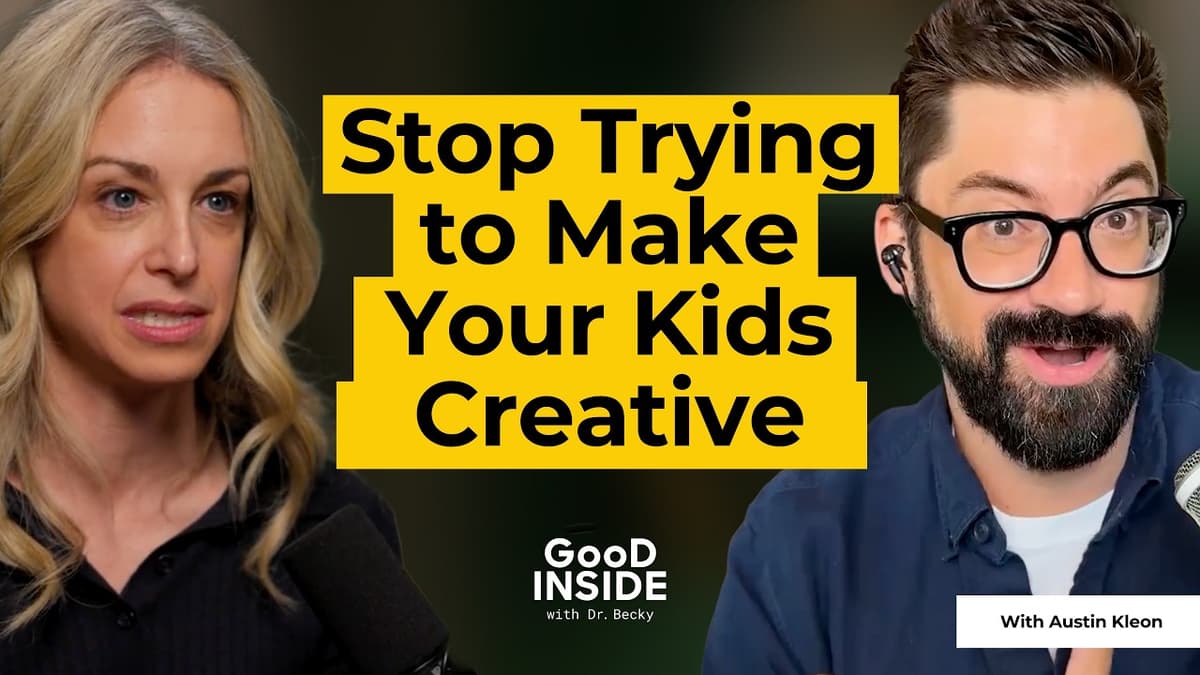
Your Kid Is Already Creative: What Parents Get Wrong About Imagination | Austin Kleon & Dr. Becky
In the Good Inside episode, Austin Kleon and Dr. Becky challenge the popular parenting mantra “raise a creative kid.” They argue that imagination isn’t a skill to install; children are born with it, and the real job of adults is...

Your Life Doesn't Have to Disappear in Parenthood
The video explores how parents can maintain vibrant personal lives while raising children who thrive on confidence and mobility. The speakers deliberately treat their kids as extensions of their own lifestyle, traveling frequently and encouraging adaptability. They compare each year of...

What No One Tells You About Your First Day As A Parent
The video recounts a first‑time parent’s raw experience on the day their baby arrives, highlighting the stark contrast between the polished hospital environment and the sudden, untrained reality they face once they leave. The speaker describes how routine actions—signing paperwork, pushing...

Your Kid Might Be a Resilient Rebel
The video addresses parents frustrated by children who appear to ignore instructions, labeling them "resilient rebels" rather than sociopaths. The presenter argues that these kids are driven by a deep fear of losing control, so traditional threats or punishments only...
Sharing Their IVF Journey Changed Everything
The video chronicles a couple’s arduous 2½‑year path to parenthood, marked by extensive pre‑IVF preparations, multiple miscarriages, and ultimately a successful IVF cycle. They decided to document the experience on YouTube, aiming to break the silence that often surrounds infertility...
My Favorite Strategy for Defiant Kids as a Clinical Psychologist
The video features a clinical psychologist who introduces a simple storytelling technique for parents of strong‑willed, defiant children. She frames the method as a question—“Did I ever tell you about the time?”—and then shares a personal misbehavior story to model...

From IVF to Parenthood: Hannah Bronfman on Fertility, Miscarriage, and New Mom Life
The episode follows wellness influencer Hannah Bronfman as she recounts her arduous path to parenthood, from years of failed attempts and a miscarriage to a successful IVF cycle that produced twins. She also shares the surreal moment of interviewing President...

Your Frustrated Kid Needs Less From You
The video emphasizes a simple yet powerful parenting strategy: the art of waiting. The speaker illustrates this through three age‑specific scenarios—a toddler wrestling with a shape sorter, a school‑aged child lashing out, and a pre‑teen anxious about class placement—showing how...
Giving My Kids What I Didn't Have
The video explores the concept of “re‑parenting,” where adults consciously provide their children with experiences and emotional support they themselves missed during childhood. The speaker reflects that the realization struck when his son moved to a toddler bed, prompting an awareness...
The Low-Stim TV Show That Can Help Your Kid Handle Disappointment
The video highlights a low‑stim television approach that can help children manage disappointment, focusing on a specific episode of the preschool series “Trash Truck.” In this episode, Hank plans a perfect sleepover, but when darkness and owls scare him, he and...
If You're Struggling at 4AM With a Newborn, This Is for You
The video captures a new father’s 4 a.m. struggle with a newborn, illustrating how sleep‑deprived moments can feel overwhelming. He recounts a specific incident where a bottle slipped, spilling milk, and his frustration nearly boiled over. He explains that writing down his...
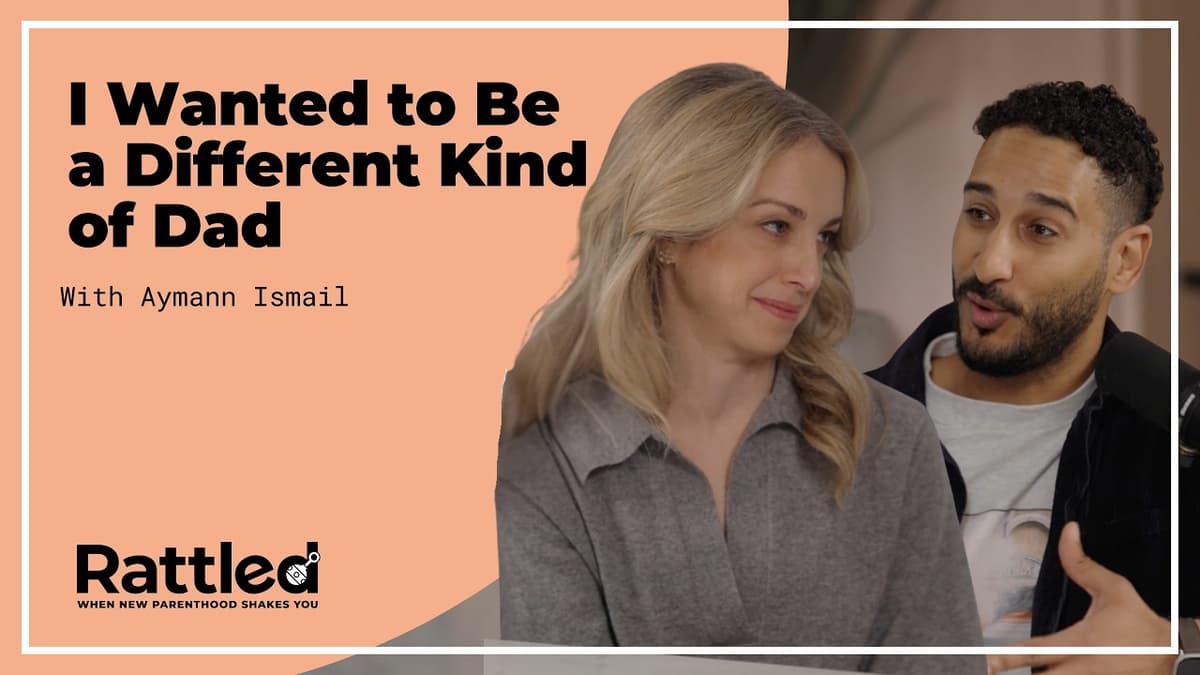
“What If I Become My Father?” | One Dad’s Honest Story of New Fatherhood
The Rattled podcast episode titled “What If I Become My Father?” features author Aean Ismael sharing a raw account of his transition into fatherhood. He frames the conversation around the unsettling loss of control that accompanies new parenthood and the...
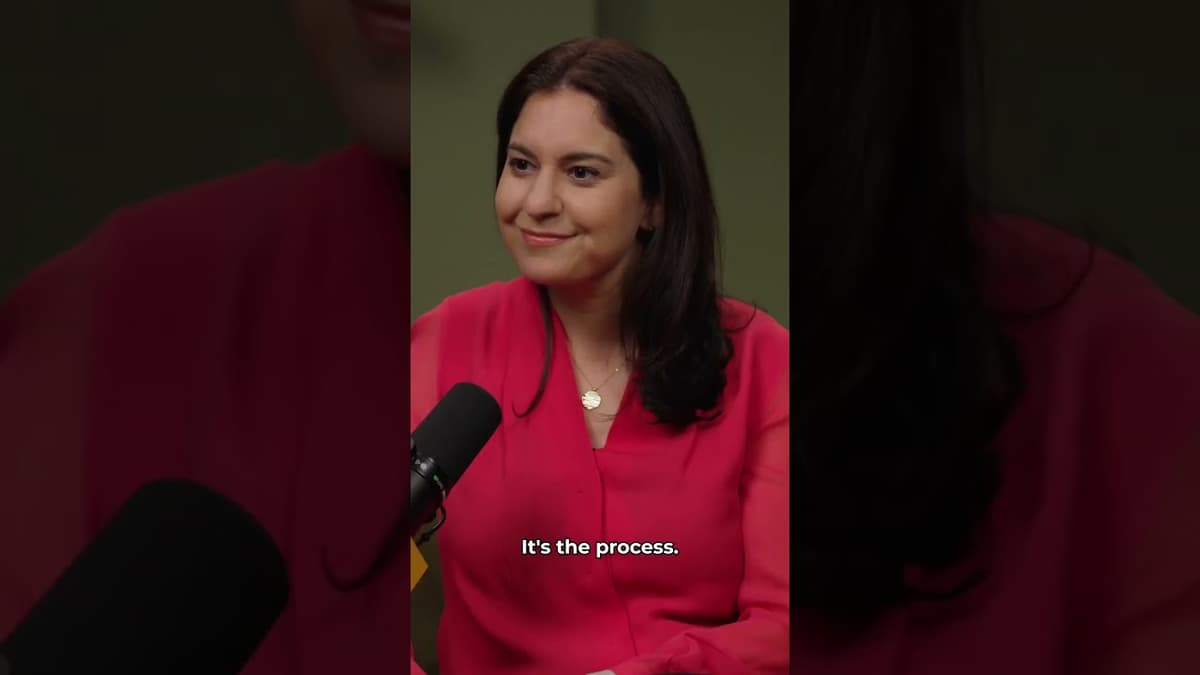
The Most Important Parenting Skill in the Age of AI
The video argues that the most crucial parenting skill in an AI‑saturated world is simply being present—sitting with a child in silence, offering a reassuring hand, rather than providing instant solutions. It distinguishes between the desired outcome—calmer, happier children—and the underlying...
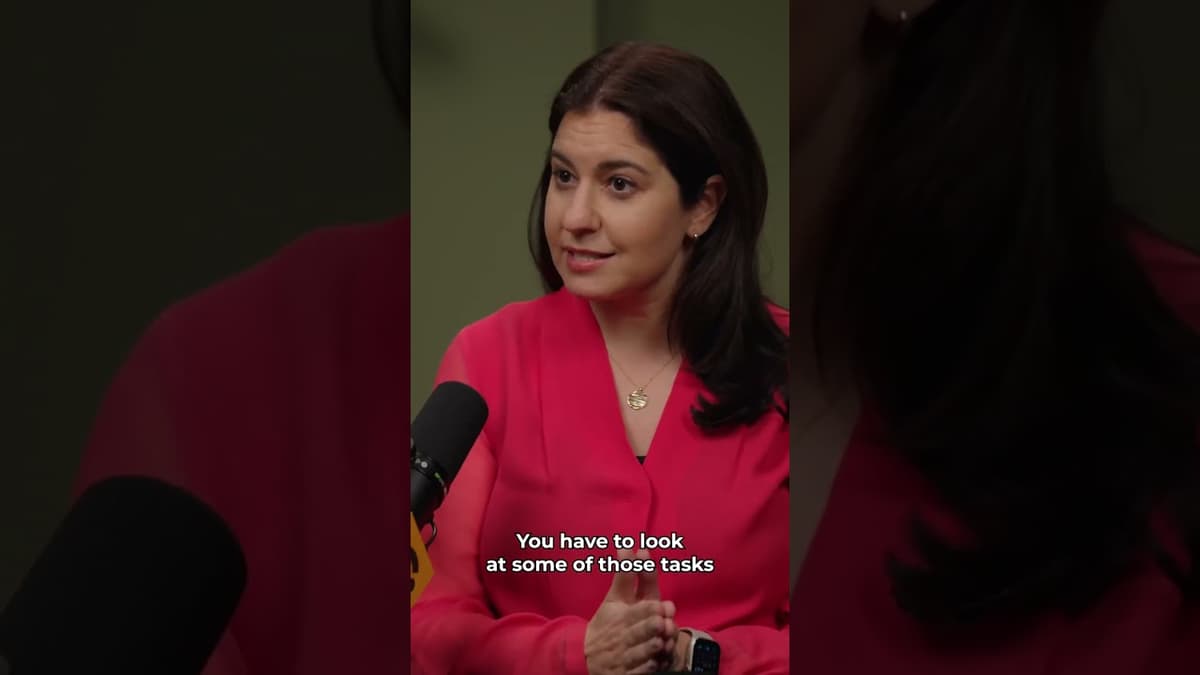
What Happens to Our Kids When AI Removes All the Friction?
The video explores how AI-driven frictionless interfaces—auto‑writing, voice‑to‑text, prompt‑based generation—are reshaping everyday tasks, especially for younger users who grow up with these tools. Speakers compare the current AI wave to past productivity leaps such as the word processor and voice typing,...