
Masterclass: Designing Organizational Change That Actually Sticks
The masterclass tackles why many change programs fail, spotlighting a stark perception gap: roughly 70% of executives greet upcoming change with optimism, while only 45% of employees share that sentiment. The presenter argues that this divide stems from executives’ career trajectories—often built on navigating change—and employees’ limited agency, which breeds anxiety. Key data points illustrate the disconnect: executives are decision‑makers who see change as opportunity, whereas rank‑and‑file workers recall past restructurings that threatened jobs or stalled careers. The session stresses that bridging this gap requires intentional design, leveraging behavioral‑science principles at each stage of the change lifecycle to align motivations and reduce resistance. A memorable quote underscores the issue: “Executives have risen through change; employees often feel it’s a loss of control.” Real‑world examples include companies that failed because they ignored employee concerns, versus those that succeeded by co‑creating rollout plans and communicating clear, personal benefits. The implication for leaders is clear: to make change stick, they must diagnose employee needs, embed nudges that build trust, and continuously measure sentiment. Doing so transforms change from a top‑down mandate into a collaborative journey, increasing adoption rates and long‑term performance.
HBR Executive Panel: Leading Middle Managers in the AI Era
The HBR Executive Panel tackled the uneasy reality that AI compresses and threatens middle‑manager roles, sparking a conflict between adoption incentives and job security concerns. Panelists argued that leaders must confront this tension head‑on, providing managers with clear, honest communication and...
HBR Leadership Summit: AI Doesn't Have to Be a Threat to New Talent
The HBR Leadership Summit tackled a pressing question: as AI takes over routine, "drudgery" work, will entry‑level talent be sidelined? Panelist Travis, a cloud‑solutions manager, argued that the narrative of AI as a threat to junior workers is overly simplistic....
HBR Executive Panel: Leading Change Without Losing Trust
The Harvard Business Review executive panel tackled the perennial challenge of steering large‑scale organizational change while preserving employee trust. Panelists outlined a four‑step framework—energizing people, mapping skill journeys, focusing strategy, and committing to continuous evolution—tailored for today’s fast‑moving business environment. First,...
Introducing: Becoming an Octopus Organization
The video introduces the “Octopus Organization” framework, a shift from traditional, control‑centric structures—dubbed “Tin Men”—to a more adaptive, decentralized model. Jana Werner and co‑author Philip Brun explain why the old design no longer fits today’s volatile environment. They argue that leader...
How Great Leaders Build Teams That Never Stop Improving
The video explains how top‑performing “super teams” continuously improve, outlining the three core strengths that set them apart: superior time‑energy‑attention management, collaborative skill‑building, and an relentless drive to get better. Research surveying thousands of workers shows that super teams achieve perfect...
Mattel's CEO on Building a Culture of Innovation
Mattel’s chief executive outlined a cultural overhaul aimed at boosting innovation while trimming complexity. The company, which sells toys in more than 500,000 stores worldwide, has reduced its SKU count by over 40% to concentrate on products that add real...
How to Communicate Effectively During a Transformation
The video addresses how leaders can measure and communicate progress during major organizational transformations to keep investors engaged and patient. The speaker emphasizes repetition of core messages, a single‑page manifesto displayed at every meeting, quarterly town‑hall updates, and the use of...
Why Your Team Won't Speak Up (and How to Fix It)
The video tackles how leaders can encourage team members to voice concerns while preserving accountability and decision speed. It argues that psychological safety—believing speaking up won’t lead to punishment—is the foundational prerequisite for open dialogue. Key insights include balancing the tension...
What Lyft's CEO Learned by Driving His Own Customers
In a candid interview, Lyft’s chief executive explains why he routinely hops behind the wheel of his own rides. By driving passengers himself, he seeks first‑hand insight into the rider experience and the operational quirks that data alone can miss. A...
What It Really Takes to Revive a Company That's Lost Its Edge
Reviving a once-innovative company requires a clear, distinct vision for the future and the ability to rapidly communicate that vision to overcome organizational inertia. Leaders must convey a palpable sense of urgency so employees feel the need to change, while...
Your Free Time Deserves the Same Respect as Your Work
The video argues that modern high‑achievers treat every work minute like a scheduled appointment, yet they let their off‑hours drift, treating free time as an afterthought. It points out that unstructured downtime often feels like wasted time, prompting guilt and endless...
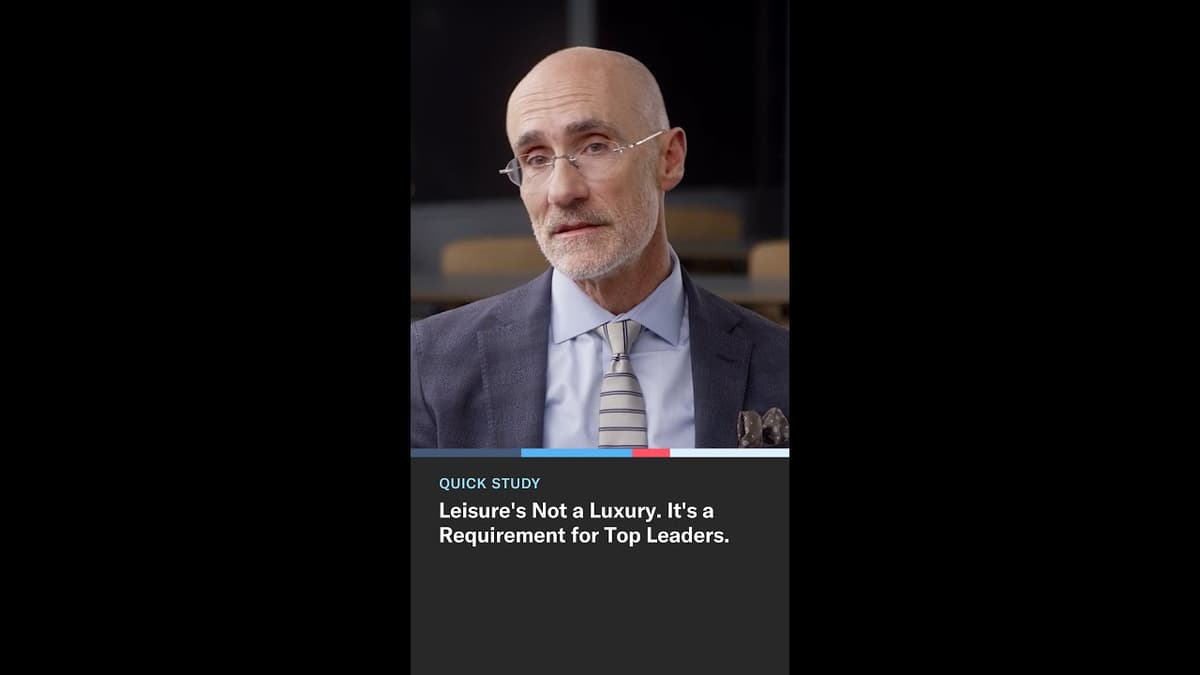
Leisure's Not a Luxury. It's a Requirement for Top Leaders.
The video argues that leisure is not a luxury but a strategic requirement for top executives. It challenges the conventional work‑life balance narrative, urging leaders to adopt work‑life integration where personal enrichment directly fuels professional performance. Three pillars of effective leisure...
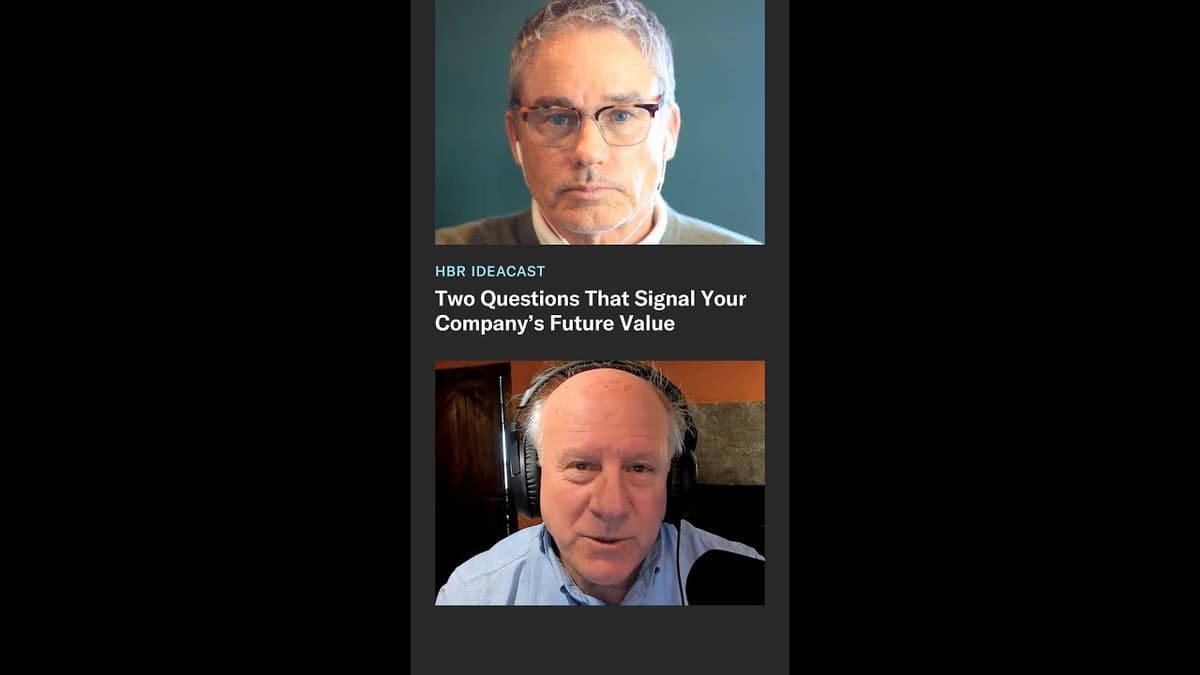
Two Questions That Signal Your Company's Future Value
The video distills leadership focus to two simple questions that determine a company's future value, regardless of industry—from Disney to a widget maker. The first question asks whether the firm will have more customers who love its product tomorrow than today;...
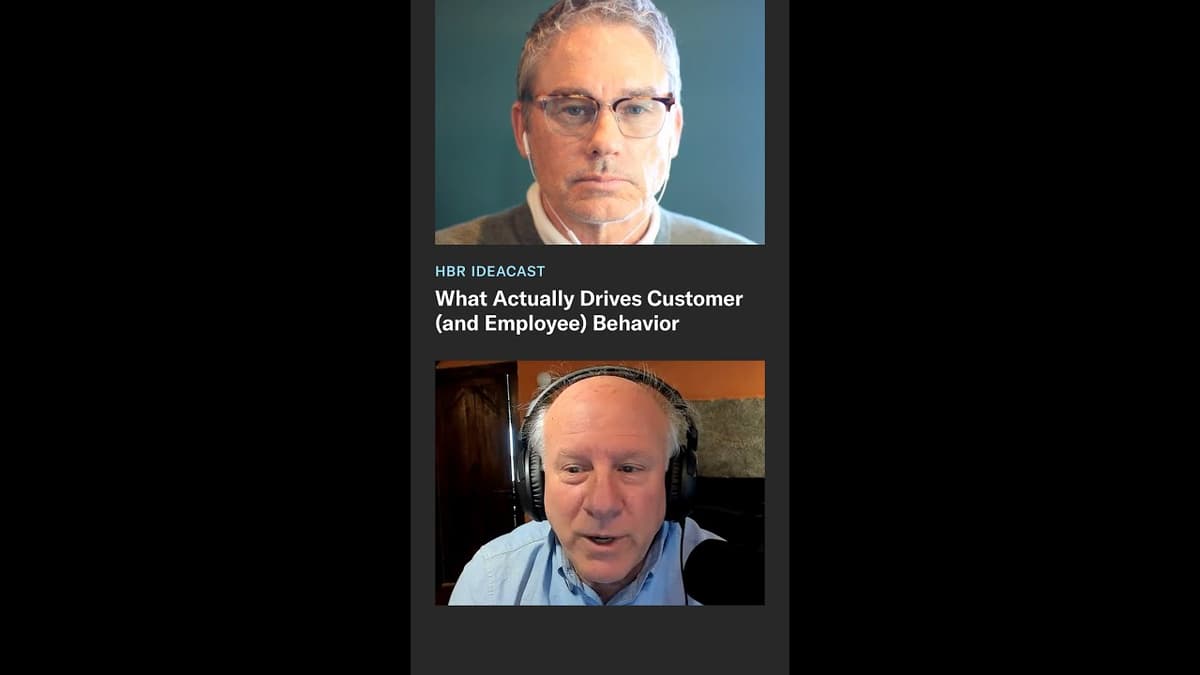
What Actually Drives Customer (and Employee) Behavior
The video argues that the true driver of customer and employee behavior is the experience they have, not the conventional incentives most firms employ. It challenges the common practice of setting goals, offering corrective feedback, and using pricing or loyalty...