

Are Diet Sodas Actually Healthier? #harvardchanstudio
The video examines whether diet sodas are a healthier alternative to sugar‑sweetened beverages, drawing on recent Harvard epidemiologic research. It highlights the challenge of reverse causation—overweight individuals often switch to diet drinks, which can confound study results—but the analysis adjusts for this bias to isolate the beverages’ true effects. The findings indicate that artificially sweetened drinks are markedly less harmful than their sugary counterparts. Across metrics such as weight gain, overall mortality, and type‑2 diabetes incidence, diet sodas perform almost on par with water, showing only marginal, statistically uncertain risk elevations. In contrast, sugar‑laden sodas contribute substantial caloric loads and elevate disease risk. A key quote from the researchers underscores the nuance: “Artificially sweetened beverages are far less harmful…pretty close to water actually in our studies.” The discussion also notes that while a small residual risk cannot be ruled out, the magnitude is negligible compared with the health burden of high‑sugar drinks. For consumers and policymakers, the implication is clear: substituting diet sodas for sugary ones can meaningfully reduce caloric intake and associated health risks, though the ultimate goal remains limiting all sweetened beverages. The evidence supports promoting diet alternatives as a pragmatic step toward better public health outcomes.

Alcohol’s Health Benefits and Risks Explained #harvardchanstudio
The video from Harvard Chan Studio examines the complex trade‑offs of alcohol consumption, summarizing experimental and epidemiological evidence on both its cardiometabolic benefits and its carcinogenic hazards. Short‑term randomized trials, ranging from one to two months up to two years, consistently...

Alcohol’s Health Benefits and Risks Explained
Harvard epidemiologist Eric Rimm explains that moderate alcohol intake—up to one drink daily for women and two for men—has been associated with modest reductions in heart disease risk, likely through favorable lipid and anti‑inflammatory effects. At the same time, the...
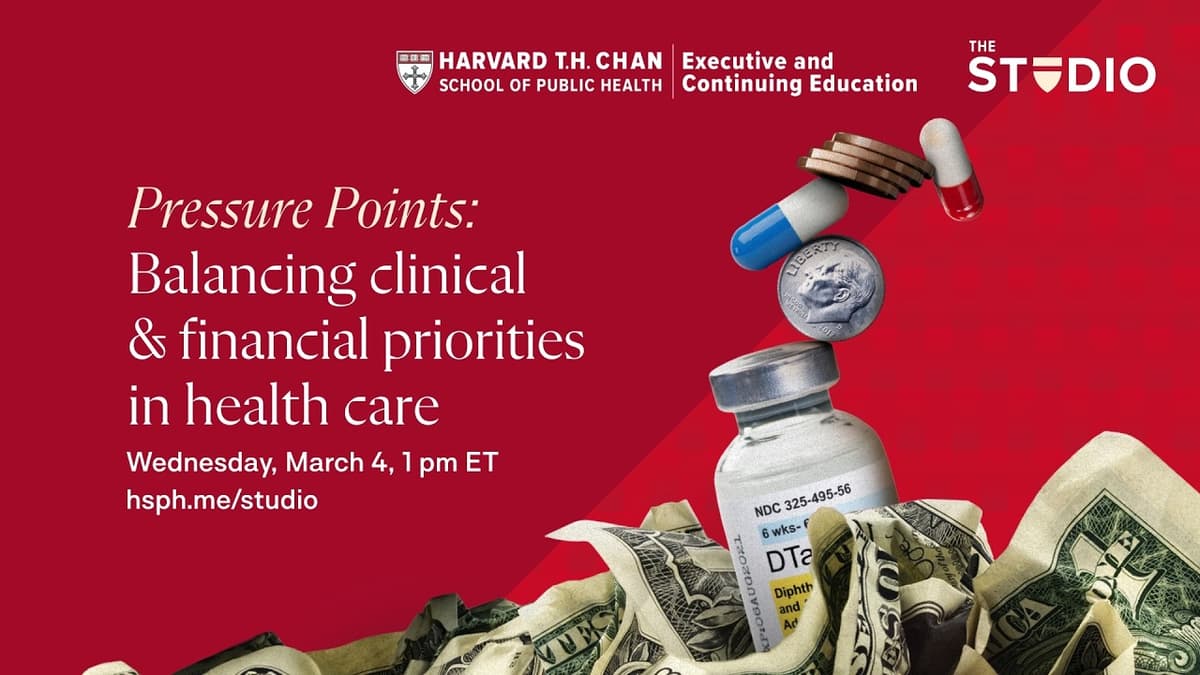
Pressure Points: Balancing Clinical and Financial Priorities in Health Care
The Harvard Chan panel tackled the growing tension between delivering high‑quality clinical care and maintaining financial viability in today’s health‑care system. Moderated by Rifat Atun, leaders from Mass General Brigham, Tufts Medicine and Beth Israel Deaconess discussed how rapid diagnostic...

Why Public Health Students Belong in Entrepreneurship
The video argues that public‑health students are uniquely equipped to thrive in entrepreneurial ventures, citing their tenacity, integrity and deep subject‑matter expertise as assets that complement business acumen. Speakers stress that these students excel at making “the invisible visible,” exposing discrimination...

How Bipartisan Health Policy Is Made
The Harvard T.H. Chan forum hosted Adriana McIntyre with former bipartisan staffers Melanie Agorian and Brian Sutter to unpack the mechanics behind cross‑party health legislation. They traced their own experiences on the House Ways and Means Committee, highlighting how behind‑the‑scenes...

Stephanie De Avila Montaña, MPH '26, Aims to Support Reproductive Justice in Latin America
Stephanie De Avila Montaña, MPH ’26, is dedicating her graduate studies to advancing reproductive justice for women in Latin America, with a particular focus on Colombia, a region she describes as overlooked and underserved. A Colombian‑Canadian raised in Calgary, she...
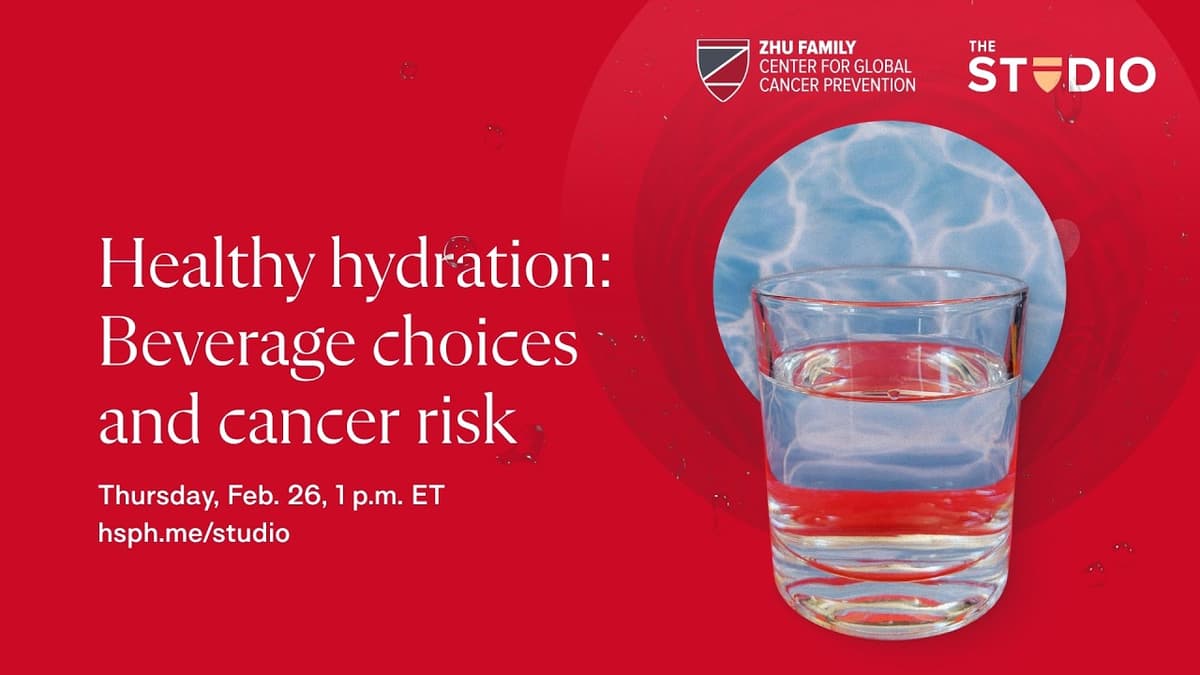
Healthy Hydration: Beverage Choices and Cancer Risk
The Harvard Chan School panel examined how everyday beverage choices—particularly alcohol—affect long‑term cancer risk. Speakers highlighted that while water, coffee, milk and sugar‑sweetened drinks each have distinct health profiles, alcohol remains the most contentious, being labeled a Group 1 carcinogen...