
When Is an AI Prototype Ready for Health Care Deployment? #harvardchanstudio
The video discusses criteria for deeming an AI prototype ready for deployment in healthcare, emphasizing security and regulatory compliance as central concerns. Speakers note that security reviews are the biggest hurdle, especially as “vibe coding” and opaque models like Mythos emerge. They differentiate between tools already cleared—such as Codex and Claude Code—and those barred for lacking HIPAA compliance, like Cowork. Real‑world incidents in other sectors illustrate how premature deployment can cause tangible harm. A memorable line underscores the theme: “great power comes, great responsibility,” highlighting the duty of individual developers and chief security officers. The discussion cites examples of damage caused by unchecked AI tools, reinforcing the need for rigorous vetting. The implication is clear: healthcare organizations must adopt a cautious, pilot‑first approach, balancing rapid innovation with robust governance. Failure to do so could stall or collapse AI initiatives, affecting patient safety and competitive advantage.

Pressure Points: Engineering AI for the Future of Healthcare
The panel discussion titled “Pressure Points: Engineering AI for the Future of Health Care” explored how generative and agentic AI are reshaping the way health‑care organizations create software. Speakers described a transition from traditional “vibe coding,” where AI interprets...
Lessons From Crisis Communications: “Your Audience Is Your Partner” #harvardchanstudio
The video underscores a shift in crisis communication philosophy: audiences are collaborators, not mere recipients. By framing messages as partnership propositions, communicators can engage more authentically, especially during emergencies like COVID‑19. The speaker highlights concrete tactics—partnering early with video‑game and tech...
What Is Resilience? | Karestan Koenen
Resilience, as explained by psychiatrist Karestan Koenen, is the ability to maintain positive psychological functioning despite adversity or trauma. It means distress remains manageable and does not severely disrupt daily life, while individuals can extract hope, optimism, or a sense of...
Mental Health Tips for Difficult Times | Karestan Koenen
Karestan Koenen outlines practical mental‑health strategies for navigating stressful periods, emphasizing that physical well‑being underpins emotional stability. She argues that the brain’s health is inseparable from the body’s condition, making simple self‑care actions essential. The core recommendations include regular walks, mindful...
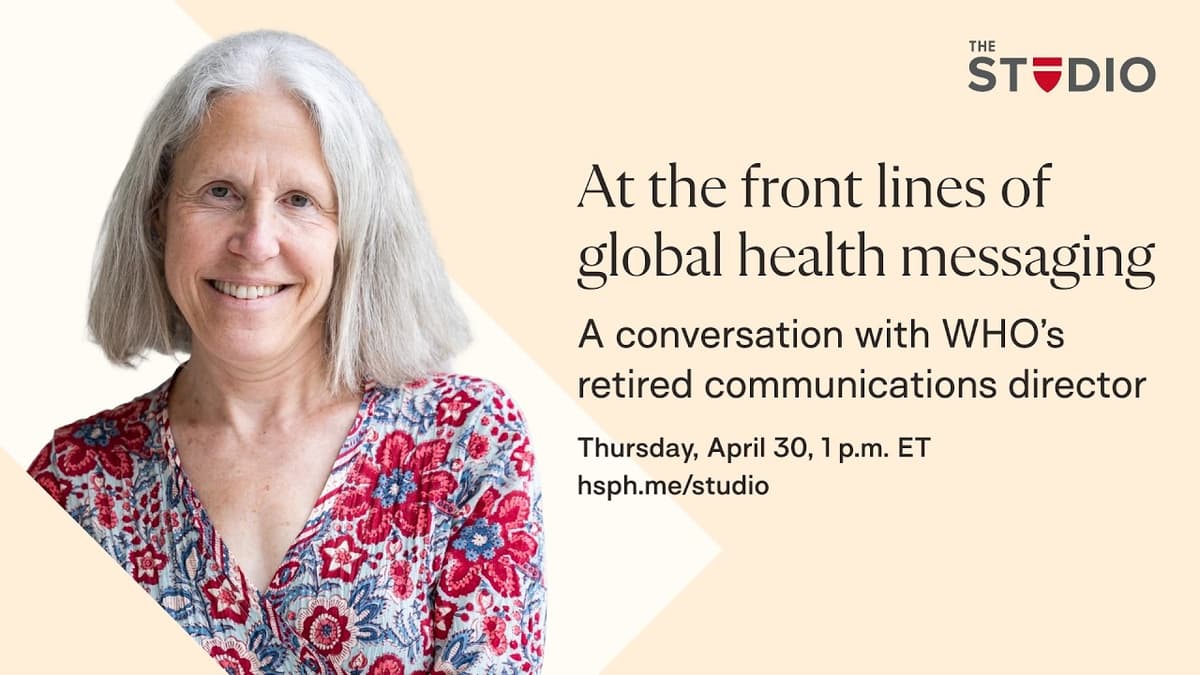
At the Front Lines of Global Health Messaging: A Conversation with Gabriella Stern
The Harvard Chan School hosted Gabriella Stern, former WHO communications director, to discuss how global health messaging was crafted during the COVID‑19 pandemic. Stern described the unprecedented challenge of delivering evolving scientific guidance around the clock, in multiple languages, while...

How the Six Cities Study Changed the Way We Think About Air Pollution
The video revisits the landmark Six Cities Study, highlighting how researchers measured both outdoor and indoor air quality for children and their parents across polluted and clean U.S. cities. While the original focus was on ambient particulate matter, the investigators...
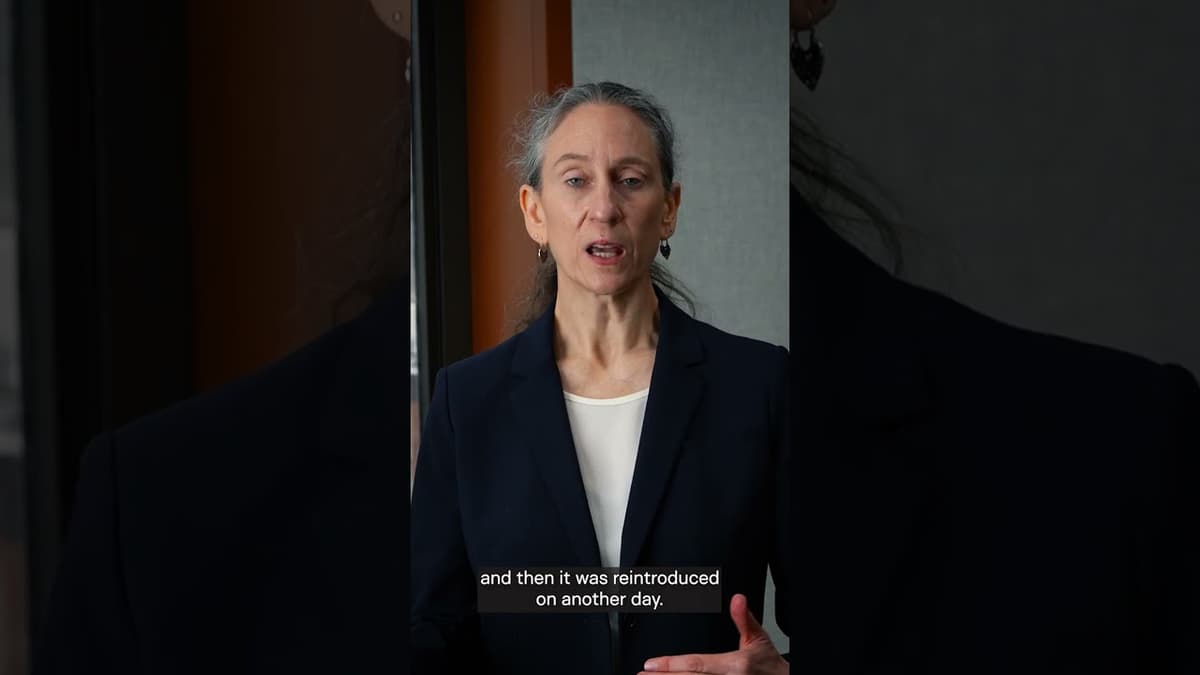
What Do You Wish People Understood About Immigrants' Health in the U.S.? | Maggie Sullivan
The video features public‑health researcher Maggie Sullivan discussing how U.S. immigration policies shape health outcomes for immigrant communities. She argues that policymakers treat immigration reforms as discrete events, but their effects linger for years, creating chronic stress and barriers to care....

How Our Surroundings Shape Health: A Conversation Between Environmental Scientists
The Harvard Chan Studio interview spotlights Jack Spangler, a pioneering environmental health scientist whose career has linked atmospheric science, indoor air quality, and sustainability to public‑health outcomes. Spangler recounts the seminal six‑city studies that first quantified how indoor sources—smoking, gas cooking,...

Balancing Quality Health Care and Rising Costs #harvardchanstudio
The video frames the clash between delivering high‑quality health care and containing spiraling costs as the defining operational dilemma of modern medicine, both in the United States and globally. Speakers highlight that public financing is contracting even as health‑care...

Hailey How, MPH '25, Wants the Tech Sector and Public Health to Work Together
Hailey Howe, a 2025 Harvard Chan MPH graduate, is on a mission to fuse the rapid pace of technology with the slower-moving public‑health ecosystem. Raised in a Malaysian slum where limited medical access led many to die before 70,...

A Public Health Success Story: The Near-Eradication of Guinea Worm
The event, hosted by the Chan School of Public Health, featured a documentary screening on the Guinea worm eradication effort led by the Carter Center. Speakers including Rochelle Walensky, Emily Staub, and program director Sarah Yerian discussed the campaign’s history...

Finding Common Ground on Capitol Hill #harvardchanstudio
The video frames bipartisan health‑policy work on Capitol Hill as a relationship that begins with a simple, shared interest. The speakers argue that before diving into partisan disputes, legislators must identify common goals and agree to set aside entrenched positions. Key...

Parkinson’s Disease: Professor Sue Goldie’s Journey
The video features Harvard professor Sue Goldie, a MacArthur Genius Grant recipient, discussing her personal battle with Parkinson’s disease and how her multiple professional identities intersect with her role as a patient. Goldie explains that Parkinson’s is a multi‑system neurodegenerative disorder...

Sine Grude, MPH ’26, Is Advancing Global Health Equity Through Data
Sienna Gur, a Norwegian MPH candidate at Harvard, focuses on leveraging quantitative methods to combat antibiotic resistance, a problem she describes as transcending national borders and demanding coordinated public‑health action. She argues that rigorous biostatistics and epidemiology provide the analytical foundation...