
Hussein Naji, PhD (Healthcare Research)
Evidence-based breakdowns on which supplements matter (e.g., creatine, omega-3s, magnesium) and when to use them.
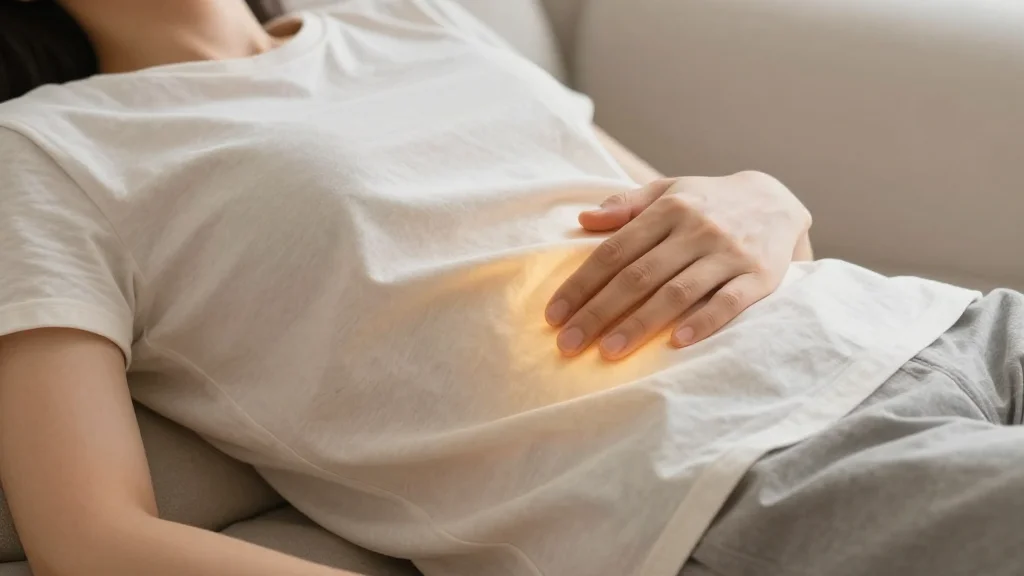
Anxiety: Primarily a Physiological Process, Not Just Mental
I have a PhD in healthcare research and work as Head of Science at a gut & anxiety relief app. Here's what most anxiety content misses — and what actually helps: 1. Anxiety is often a physiological process disguised as a psychological one.

Stop Chasing Happiness; Seek Peace in Discomfort
Screw happiness. Chasing it is what makes you miserable. Unhappiness isn't inherently bad. Sometimes life hurts and things are heavy. Sometimes you feel bad for completely valid reasons. The goal should never be to feel good all the time. The goal is to...
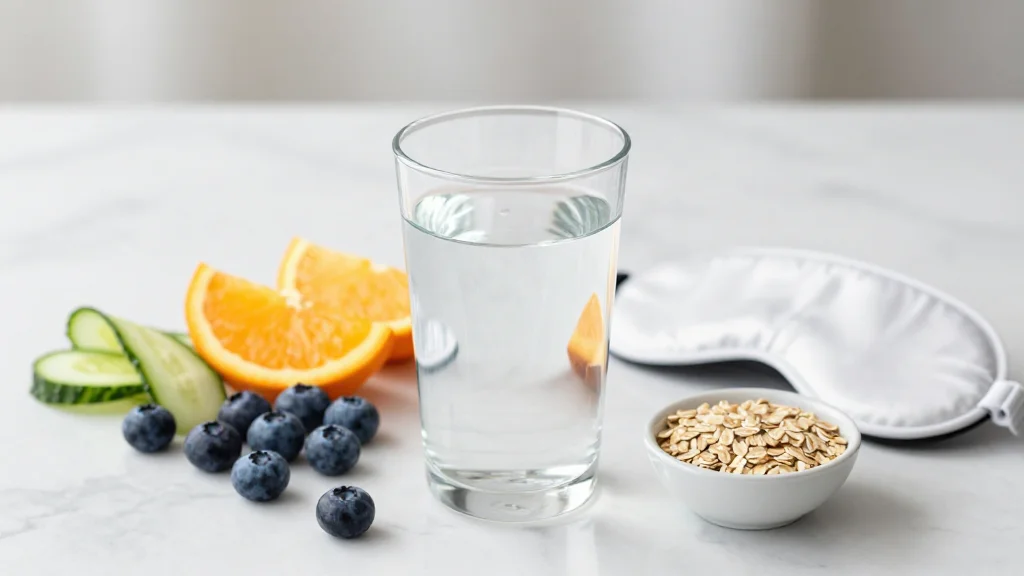
Your Body Detoxes Naturally—Skip the Juice Craze
Juice cleanses for “detox” are wellness nonsense. You don’t need a cleanse to detox. You have a liver, kidneys, lungs, gut, and skin doing that job every day. Most detox products are selling the feeling of a fresh start. If you want to support...
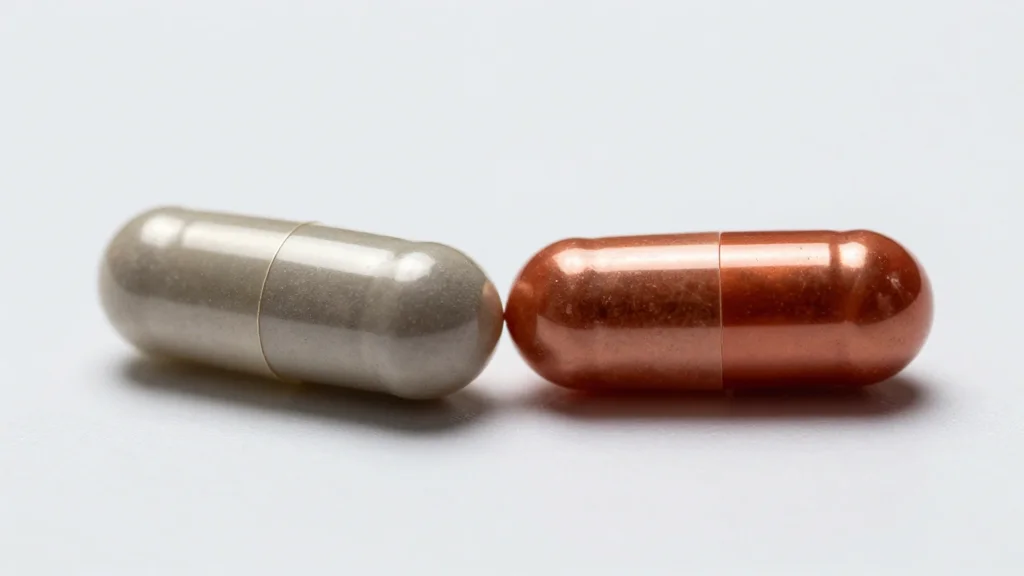
Long‑term Zinc Supplements Can Trigger Copper Deficiency
Zinc and copper compete for absorption. If you supplement zinc long-term without monitoring copper, you can develop copper deficiency — which causes fatigue, neurological symptoms, and immune dysfunction. Most zinc supplements don't mention this. Taking them at different times or using a balanced...
Fast Music Boosts Task Speed for Neurodivergent Minds
I'm a neurodivergent health research advisor with a PhD. Here are 14 life-changing ND accommodations that are stupid-simple but way too underused: 1. Listen to fast music during tasks you want to finish quickly (shopping, cleaning, getting ready, walking to the gym)....
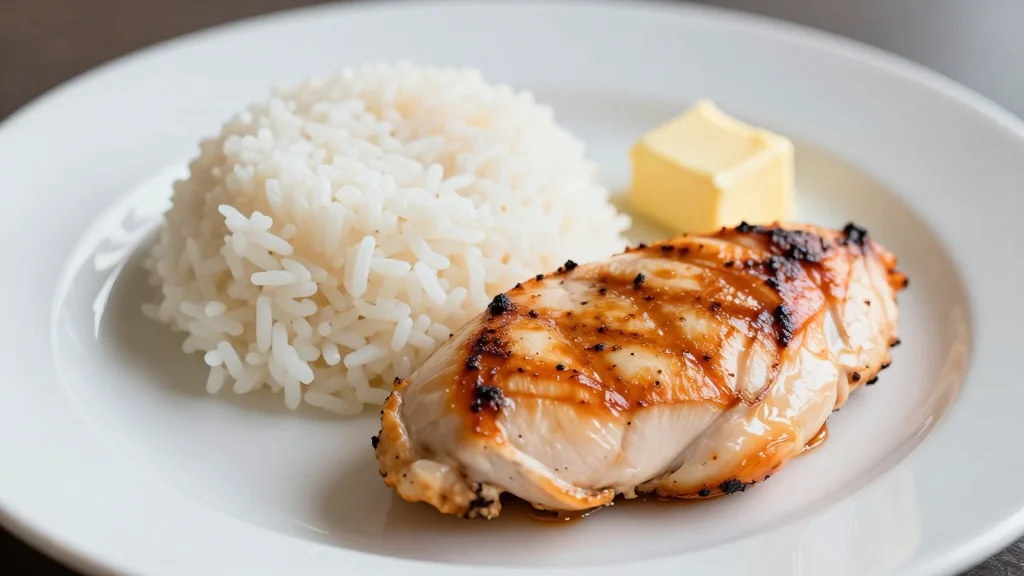
Protein’s Thermic Boost Makes Fat Loss Easier
Protein has a much higher thermic effect than carbs or fat. Your body burns roughly 20-30% of protein calories just digesting it. For carbs that number is 5-10%. For fat it's 0-3%. That’s one reason higher-protein diets can make fat loss easier: More fullness,...
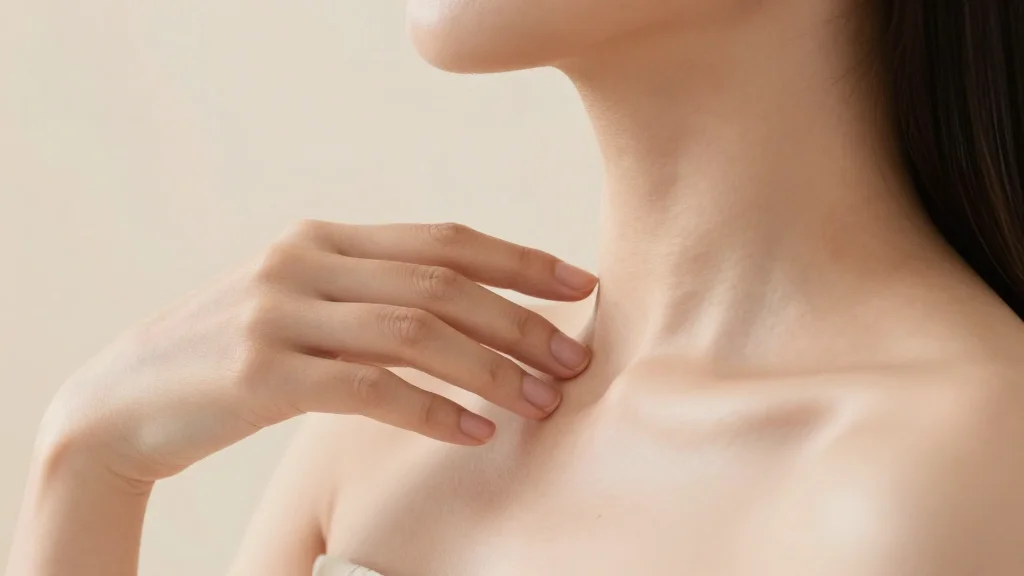
Calm a Tight Chest with Gentle Collarbone Tapping
How to relax if you have a tight chest or emotional overwhelm: Tap gently around your collarbones for 30-60 seconds. Slow rhythm. Easy breath. This gives your body one clear point of contact when everything feels too loud.
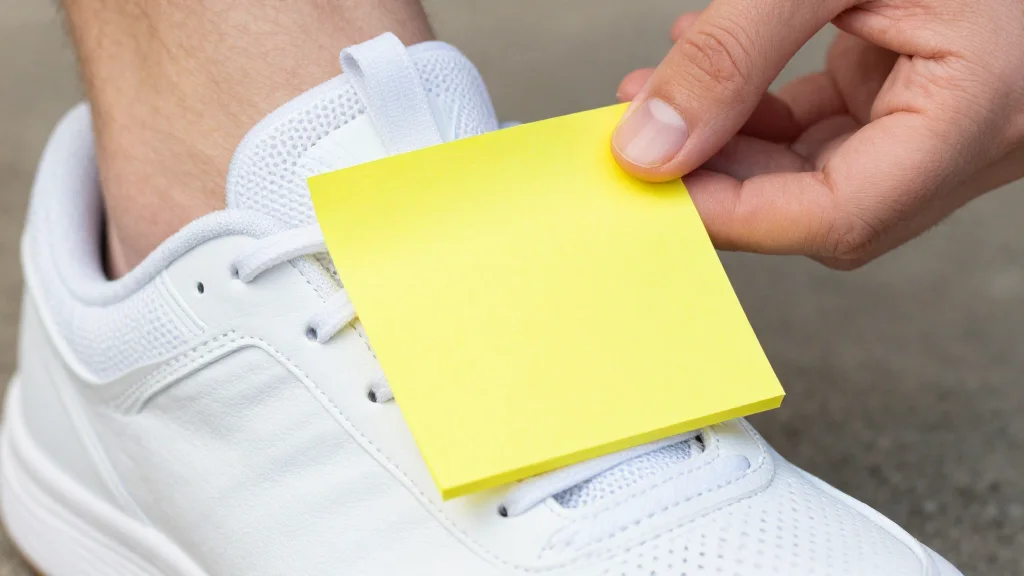
Three Simple Rules to Tackle ADHD Tasks
As a health researcher with ADHD, these 3 rules help me do short tasks I'd normally delay for too long: 1. Make it visible. 2. Make it easier. 3. Attach it to something you already do.

Ground Yourself: Slow Observation Stops Mental Spirals
If your brain is spiraling, try the orienting practice: 1. Slowly look around the room. 2. Name colors, shapes, textures, objects. 3. Let your eyes move slowly. Your body often needs “I’m here, not inside the disaster movie” before logic works.
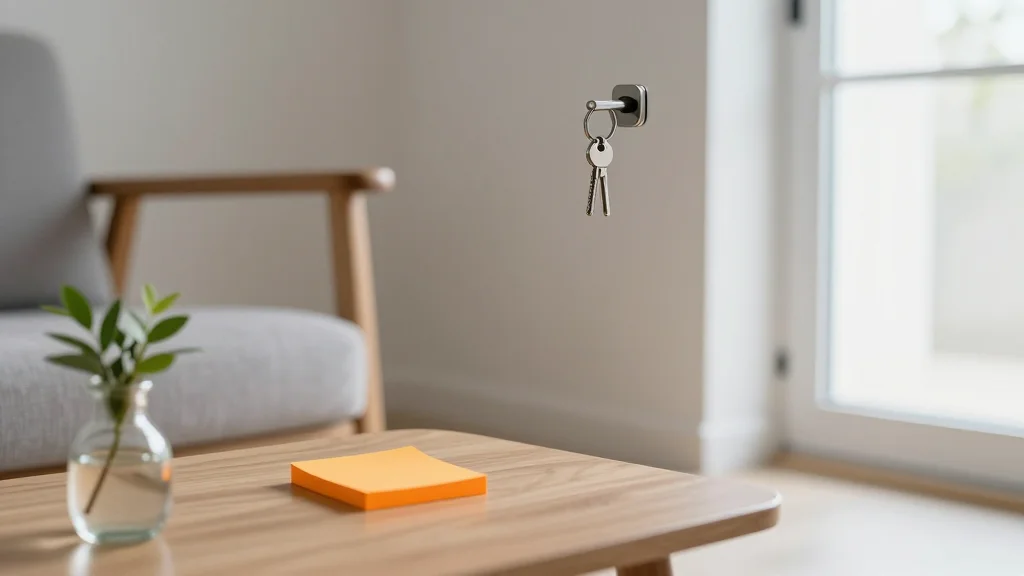
Use Your Space as an External Memory Aid
If you have ADHD, your environment is part of your memory. The thing on the chair might be a reminder. The open tab might be a thought. The object near the door might be tomorrow’s task. Build external memory, but without turning your place...
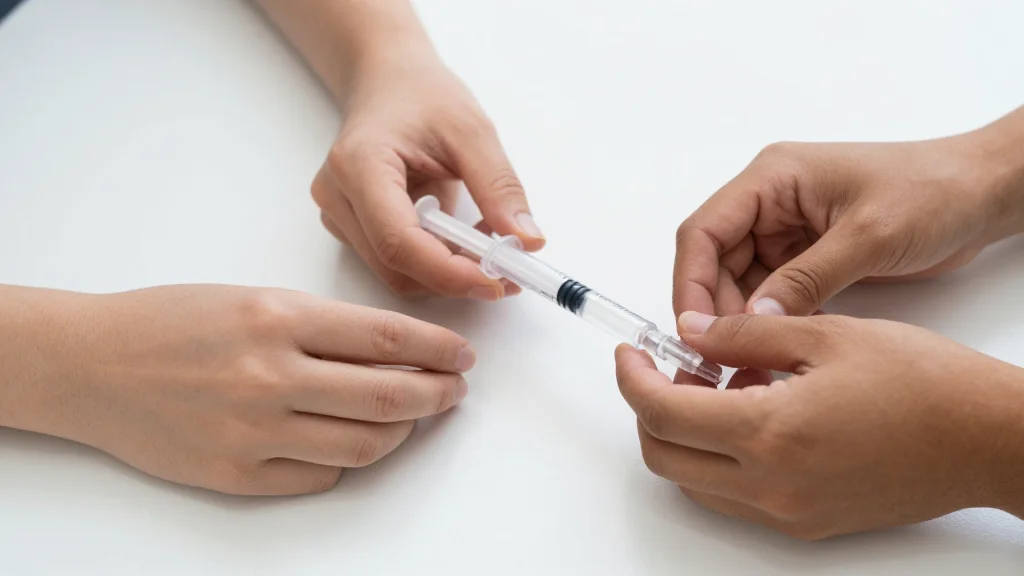
Medicine's White‑Centric Bias Harms Non‑White Patients
For centuries, medicine treated white men as the default body. Clinical trials and genetic research focused heavily on people of European ancestry. Dermatology textbooks mostly showed disease on lighter skin. Even some medical devices (eg pulse oximeters) have been less accurate on darker...
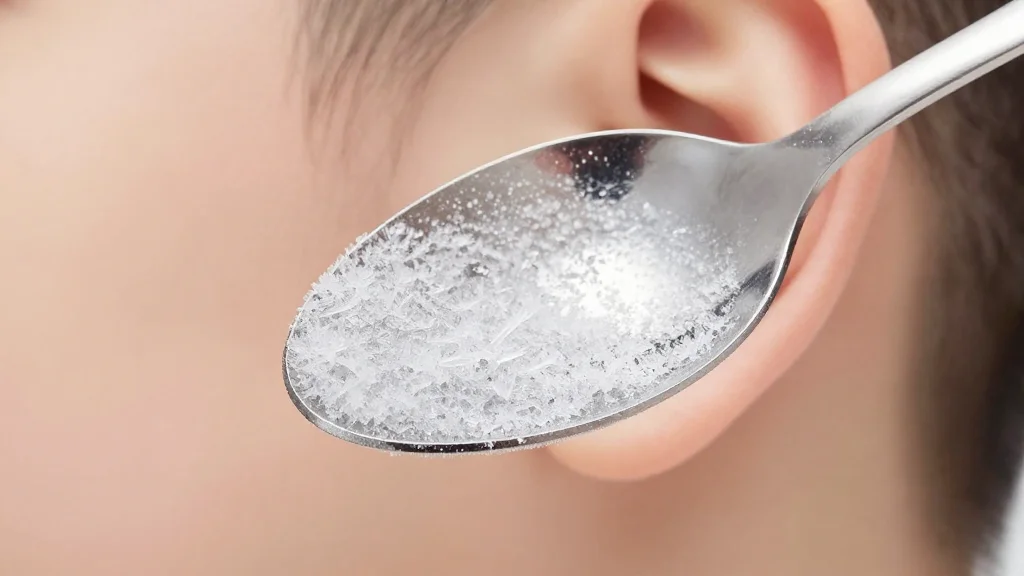
Cold Spoon Behind Ears Calms Stress Instantly
I’m a neurodivergent health research advisor with a PhD. Here are my 11 favorite nervous system regulation tricks that took me 18+ years to figure out: 1. Keep a spoon in your freezer and hold it behind your ears for 30s...
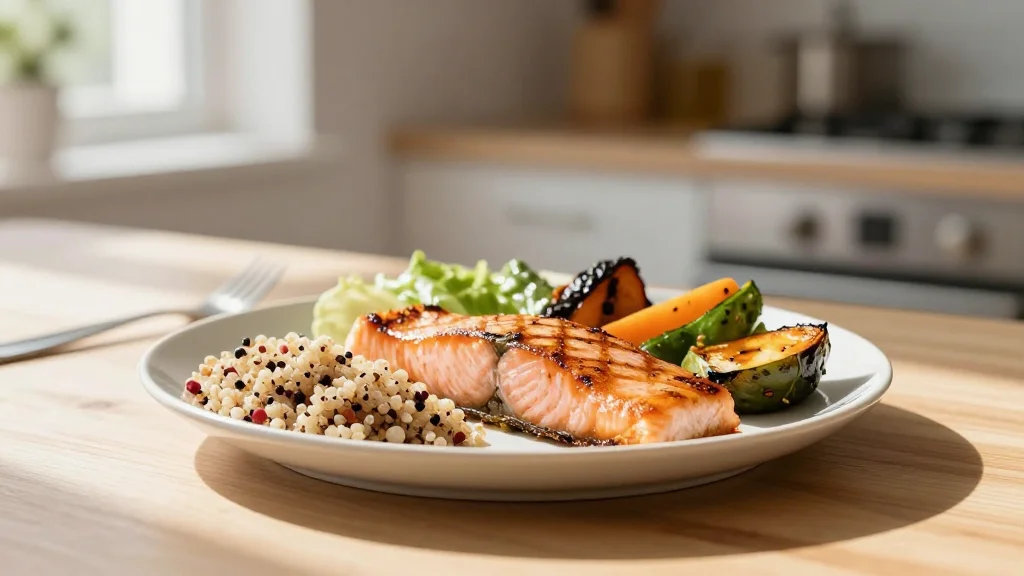
Eat Your Biggest Meal at Lunch, Not Dinner
The timing of your largest meal matters more than most nutrition advice suggests. People who eat their biggest meal at lunch have better metabolic markers than people who eat the same calories at dinner — even with identical food. Your digestive system...
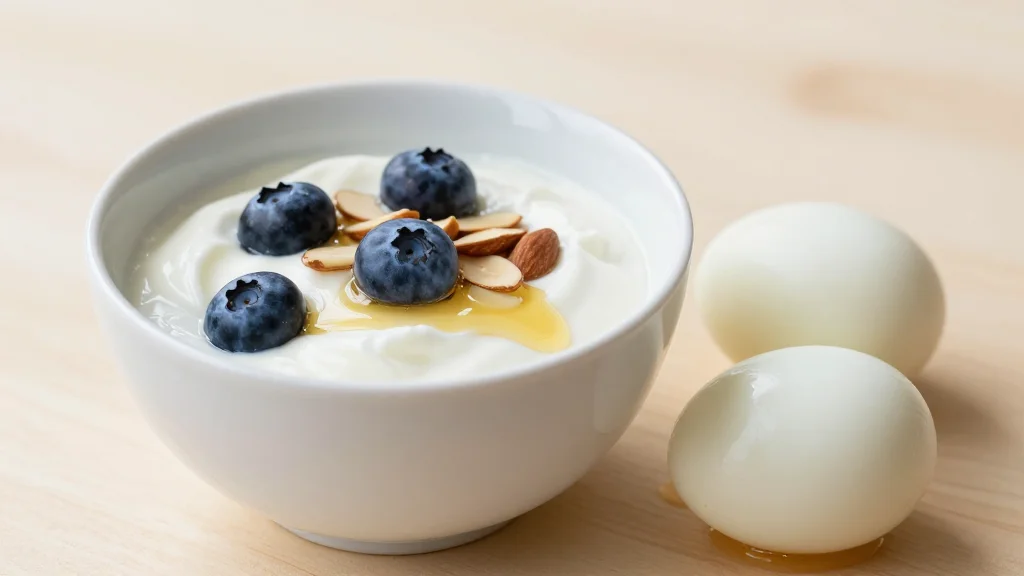
Protein‑rich Breakfast Stops Late‑night Snack Cravings
Most people try to fix 9pm cravings at 9pm. The better place to start is breakfast. A high-protein first meal can make the whole day feel less like a snack negotiation with your brain.
From Trauma to Hope: You Can Still Thrive
My childhood was full of racism, depression, and trauma. In my 20s I became morbidly obese, suicidal, and addicted to cigarettes & fast food. I genuinely didn't know if I'd make it to 30. I'm 31 now. If you're in your 20s and wondering...